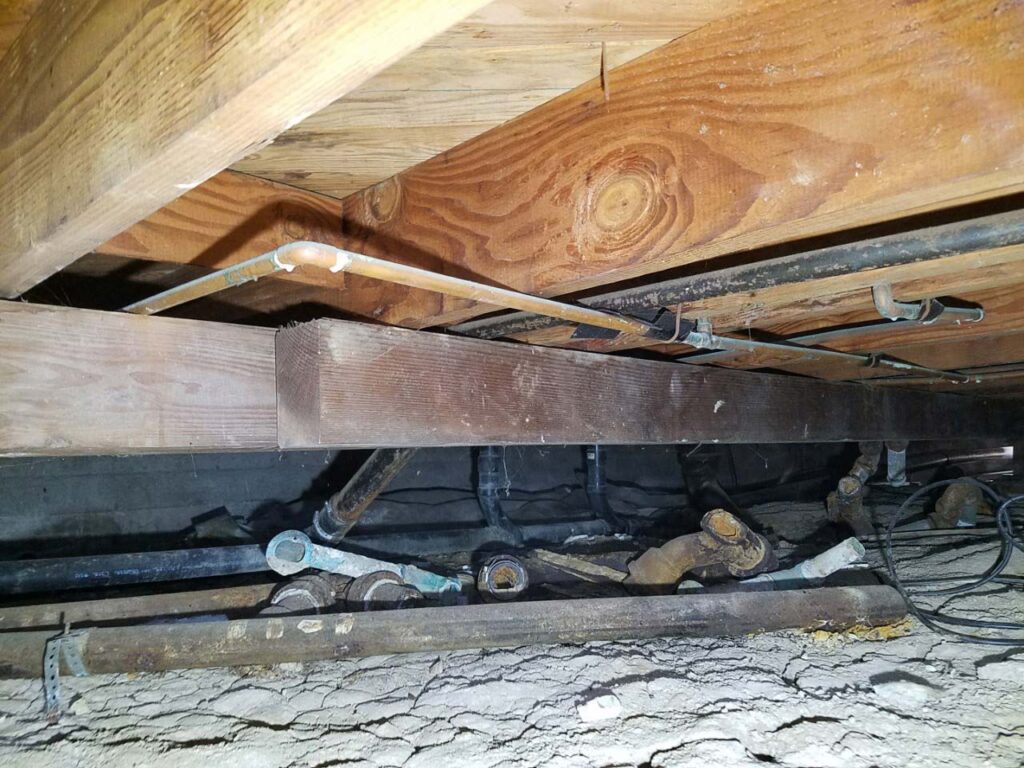
Foundation cracks are a big deal when it comes to building stability. They can be a sign of deeper problems that need attention. The orientation of the crack—whether it goes up and down (vertical) or side to side (horizontal)—tells us a lot about how serious the issue is and what’s causing it. Let’s explore the different types of cracks, their meanings, and how they can be repaired.

The Basics of Foundation Cracks
The severity of foundation cracks can vary greatly and can have a significant impact on the stability of the building. Hairline cracks are usually small and don’t typically threaten the building’s stability. However, if you notice wider cracks, that’s when you should start to worry, as these could signal some serious structural problems. It is vital to have any cracks in the foundation examined by a professional to determine how severe the cracks are and what repairs might be necessary to fix the problem and keep everyone in the building safe.
Each type of crack tells a different story about the health of your foundation and necessitates specific repair strategies.
Vertical cracks, often seen in newer homes, usually occur due to the soil settlement beneath the foundation. The structure’s weight compresses the soil beneath it, causing the foundation to settle and crack. Vertical cracks in a poured concrete foundation wall can also be caused by shrinkage during the concrete curing process.
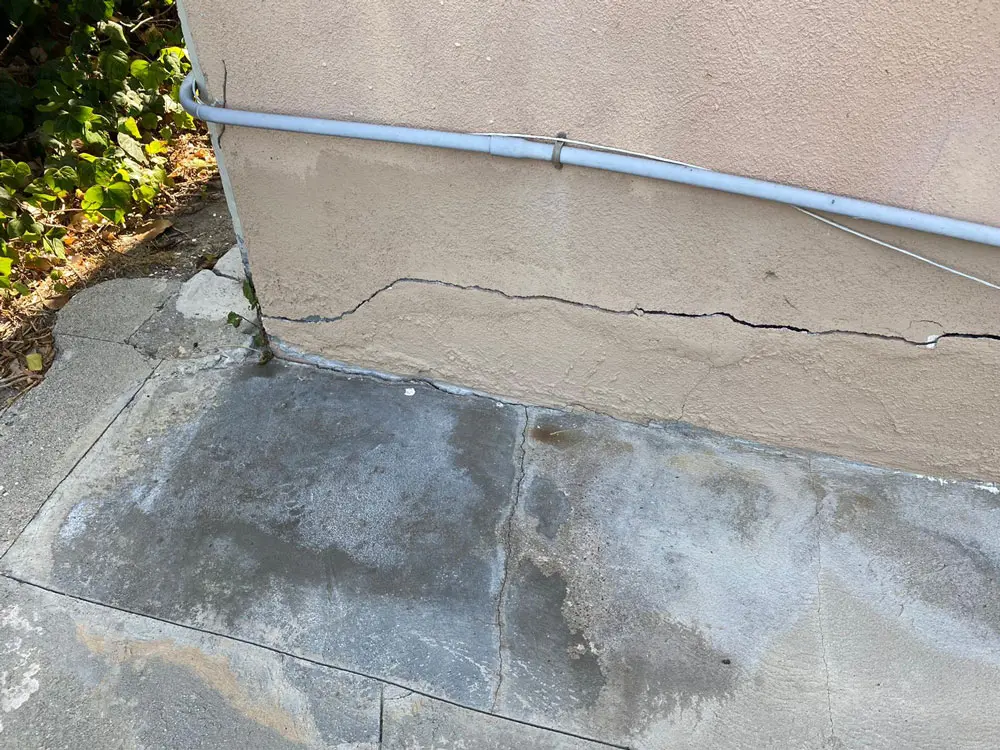
Horizontal cracks, on the other hand, are often caused by hydrostatic pressure from water that accumulates in the soil. This type of crack is usually seen in older homes. When the soil around the foundation becomes saturated, it exerts pressure on the walls, leading to horizontal cracking. Horizontal cracks can be a severe issue, as they can cause structural damage that may compromise the integrity of the entire building. Therefore, it is vital to have a professional inspect and repair any horizontal cracks as soon as possible.
Vertical Foundation Cracks: Are They Serious?
Characteristics and Causes of Vertical Cracks
Vertical foundation cracks are common in buildings and are typically caused by foundation settling after construction or by shrinkage. These cracks run more or less up and down. While they may not be as severe as horizontal cracks, they can still indicate structural issues that need attention, especially if there are a series of vertical cracks next to each other.
Repair Methods for Vertical Cracks
It is vital to have a professional inspect any foundation cracks to determine the underlying cause and whether any repairs are necessary to prevent further damage. Repairing vertical cracks might involve simple epoxy or polyurethane injections, effectively filling the crack and preventing water ingress.
Horizontal Foundation Cracks: A Sign of Major Trouble?
Identifying Horizontal Cracks
Horizontal cracks run parallel to the ground and are typically more serious than vertical cracks. They often indicate a significant structural problem.
Underlying Causes of Horizontal Cracks
Horizontal cracks can be a sign of foundation settlement, which can cause severe damage to a home or building if left untreated. Other causes could include:
- Hydrostatic pressure from water-saturated soil
- Poor drainage around the foundation
- Frost heaves during colder months
Unfortunately, horizontal foundation cracks are usually serious. Have them examined by a professional to identify the underlying cause and determine if any repairs are necessary.
Advanced Repair Techniques
Horizontal cracks in a building’s foundation can be a severe issue requiring extensive repair. These methods include:
- Installing structural supports like steel I-beams to stabilize a foundation wall.
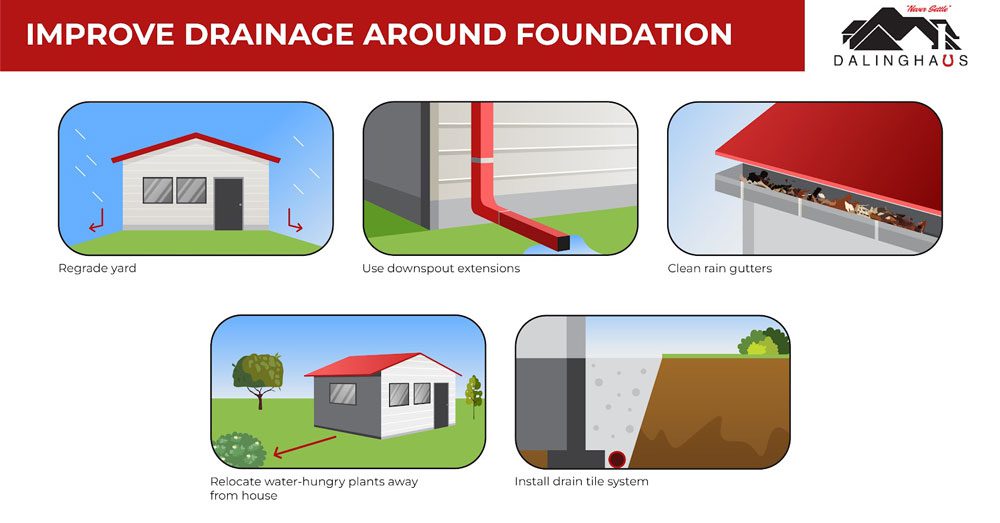
- Installing a drain tile system and applying exterior waterproofing to reduce hydrostatic pressure.
- Underpinning the foundation involves reinforcing it with helical or push piers. This can help stabilize the foundation and prevent further cracking, ensuring its safety and longevity.
Comparative Analysis: Which Is Worse?
Horizontal foundation cracks are usually more dangerous than vertical cracks because differential settlement or the pressure from water-saturated soil can compromise the foundation’s structural integrity, leading to significant building instability. On the other hand, vertical cracks are generally easier to manage and may result from normal settling.
Expert Advice: Monitoring and Maintenance
Preventive Measures
One of the most essential measures is to ensure proper drainage around your home. You can prevent water damage by sloping the soil away from the foundation, cleaning gutters regularly, and using downspout extensions to direct water away from the house before release.
Regular inspection of your foundation is also crucial in preventing foundation cracks. Look for any signs of damage, such as cracks, bulges, or settling. If you notice any issues, addressing them is essential to prevent them from worsening. You may need to call a professional to assess the damage and recommend the appropriate repairs.
Following these preventive measures can help protect your home’s foundation from cracks and other damage, ensuring that it stays safe and sound for years.
When to Consult a Professional
If you observe significant or expanding cracks, seeking advice from a structural engineer or foundation repair specialist is crucial. They can evaluate the severity of the damage and advise you on the appropriate course of action.
Hairline cracks are usually not a significant concern and can be easily fixed. However, if the crack is horizontal, at a 45-degree angle, wider than 1/8 inch, or broader at one end than the other, it is vital to have it checked by a professional.
Vigilance is Key
Foundation cracks, whether vertical or horizontal, should be addressed immediately to prevent more severe issues. While vertical cracks may only require simple repairs, horizontal cracks often require significant intervention because of their potential risks. Inspecting your home regularly and seeking professional advice when necessary to ensure its safety and value is essential.
By understanding the differences and implications of each type of foundation crack, you can better protect your investment and ensure the longevity of your property.
We are here to assist you if you notice cracks in your Southern California, Arizona, and Nevada home. Our team of skilled professionals is committed to ensuring that your home remains a safe and comfortable place for your family. Whether you are currently facing issues or want to prevent future ones, taking proactive action can help you worry less. We offer a free consultation to help you gain peace of mind and enjoy your home for years. Please don’t hesitate to reach out to us for assistance.