Floor Feels Uneven When Walking, Expert Insights & Fixes
You know that feeling, you're walking through your living room or kitchen, and something just feels... off. Maybe the floor dips a little.

You know that feeling, you’re walking through your living room or kitchen, and something just feels… off. Maybe the floor dips a little. Maybe it creaks more than it used to. Or maybe your coffee table leans like it’s trying to start a conversation.
When your floors start to feel uneven, it’s easy to shrug it off. After all, homes settle over time, right?
But here’s the deal: not all settling is harmless. Sometimes, uneven floors are a sign of a deeper problem, one that could compromise the safety and value of your home.
At Dalinghaus Foundation Repair, we’ve been crawling under homes and drilling through concrete long enough to know: if your floors feel uneven, they probably are, and it’s worth finding out why.


What Does “Uneven Floors” Actually Mean?
We’re not talking about a squeaky floorboard or a slightly warped plank. When homeowners say their floor “feels uneven,” they usually mean one of three things:
- The floor slopes in a certain direction
- Certain areas dip or bounce when walked on
- There’s a noticeable hump or bulge
These issues don’t just happen by accident. Something is shifting underneath, whether that’s the foundation, the subfloor, or the soil itself.
Common Signs Your Floor Might Be Uneven
If you’re not sure whether your floors are out of level, here are a few telltale clues we see all the time:
- Furniture leans or wobbles
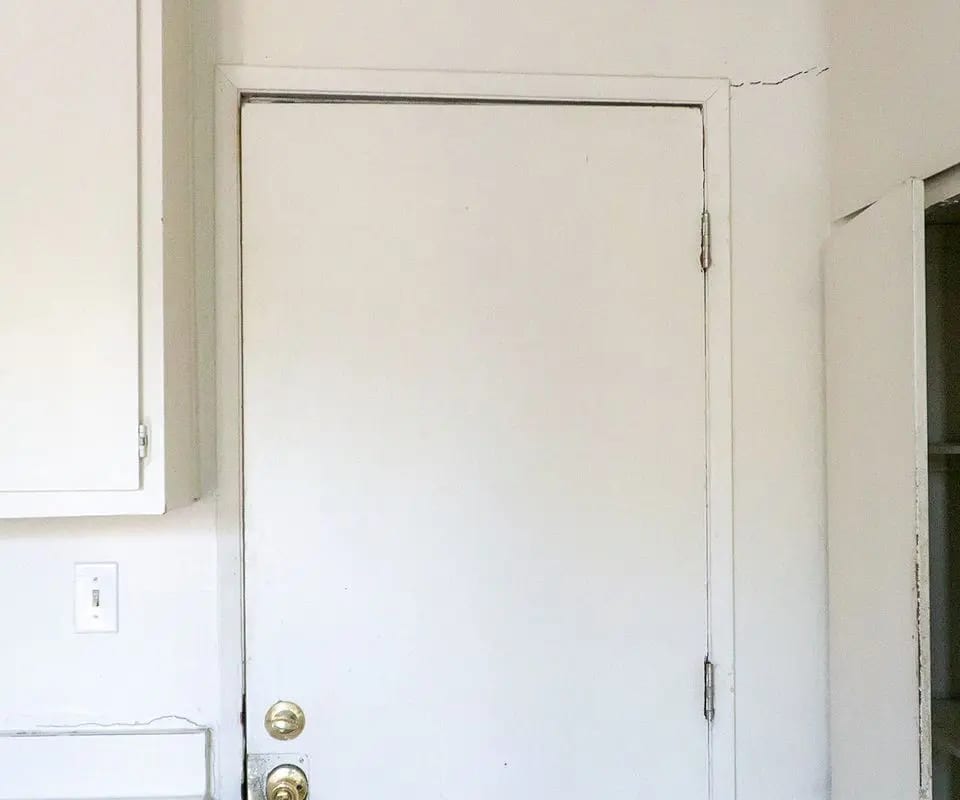
- Doors swing open or stick shut
- Cracks appear in the walls above door frames
- Cabinets separate from the wall
- You feel like you’re walking uphill or downhill
What Causes Uneven Floors?
Let’s break this down by home type, because a slab foundation issue isn’t the same as a crawl space problem.
1. Foundation Settlement (Slab or Stem Wall Homes)
In both California and Arizona, soil is the troublemaker. Dry conditions, monsoon rains, and expansive clay soils can cause your foundation to settle or shift. As the slab moves, so does everything on top, including your floors.
- Diagonal wall cracks
- Cracked tile or lifted flooring
- Sloping rooms
2. Crawl Space Sagging (Pier & Beam or Raised Foundations)
If you’ve got a crawl space, your floors sit on wood beams supported by piers. Over time, moisture, rot, or shifting soil can cause those supports to sink or break down.
- Soft or springy feeling in certain spots
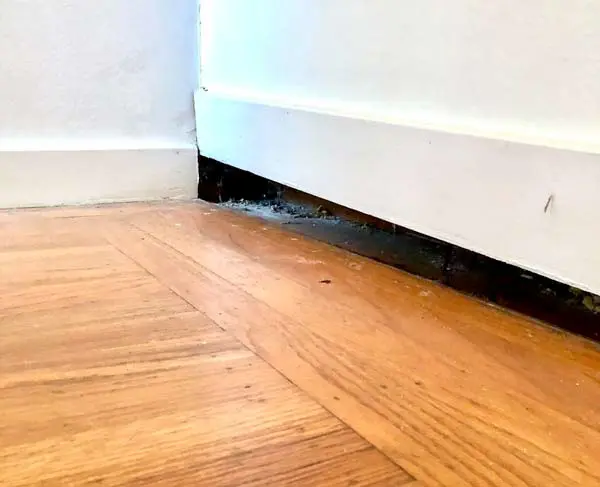
- Gaps between baseboards and floor
- Mold or musty smells

3. Poor Construction or Age
Sometimes, it’s not a foundation problem at all, it’s a materials issue. Floors can become uneven due to poor subfloor installation, water damage, or general wear and tear, especially in older homes.
- Uneven surfaces from room to room
- Creaking in specific spots
- No evidence of structural damage underneath
Why You Shouldn’t Ignore It
We get it, replacing flooring is expensive. So is foundation work. But ignoring uneven floors can cost you more in the long run.
Here’s what can happen if you let it go:
- Worsening structural damage: What starts as a small dip could become a serious foundation crack.
- Decreased home value: Appraisers and buyers notice sloped floors, and they’ll use it to negotiate.
- Water intrusion: Uneven floors can be a symptom of bigger issues, like water getting in under the slab or through the crawl space.
- Trip hazards: Safety matters, especially for families with kids, pets, or elderly loved ones.
How We Fix Uneven Floors
Every home is different, but the process usually starts the same way: a free evaluation.
We look at the symptoms, diagnose the root cause, and build a custom repair plan that actually works.
If You Have a Slab Foundation
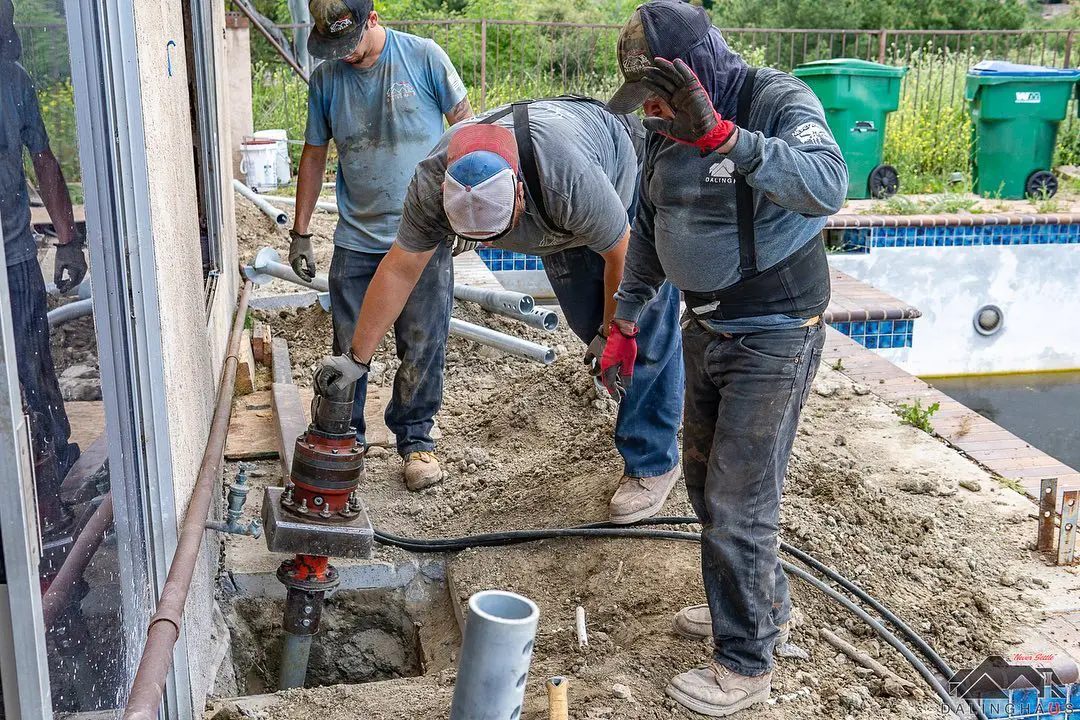
We install steel piers deep into stable soil to stabilize the foundation and, where the home allows, lift it.

We inject high-density foam beneath the concrete slab to lift sunken areas back into place. It’s clean, fast, and non-invasive.
A Quick Note for Arizona and California Homeowners
Arizona homeowners: You’re dealing with desert soil that expands and contracts like an accordion, especially after monsoon rains. Your floors might be moving because your foundation is, too.
California homeowners: Along with clay-rich soil, seismic activity can throw your foundation out of alignment. If your floor suddenly feels off after a quake, or even a small tremor, schedule a free evaluation.
What to Expect From Our Process
- free evaluation No pressure. No sales pitch.
- Detailed Evaluation We’ll assess the cause, foundation, crawl space, or subfloor, and give you the data.
- Custom Repair Plan You’ll get a straightforward quote, with options based on your goals and budget.
Real Homeowner Stories
“We thought it was just a squeaky board, but Dalinghaus found a bigger issue with our crawl space. Their crew was professional, fast, and now our floor doesn’t dip anymore. Huge relief!”
“After years of feeling like my hallway was slanted, I finally called. Dalinghaus injected foam under the slab and leveled it in a single day. Should’ve done it sooner.”
FAQs
Q: Is it expensive to fix an uneven floor? It depends on the cause. Foam leveling is often more affordable than people expect. Foundation repairs are a bigger investment, but they protect your home’s value.
Q: How long does floor leveling take? Most slab leveling projects take a few hours. Crawl space repairs typically wrap up within 1, 2 days.
Q: Will you need to tear up my floors? In many cases, no. Polyurethane foam is injected through small holes and doesn’t require flooring removal. Crawl space work is done from underneath.
Feel Like Your Floors Are Off? Let’s Find Out.
Uneven floors aren’t just annoying. They’re a sign your home is asking for help.
Schedule your free evaluation with Dalinghaus Foundation Repair today. We’ll get to the root of the issue and fix it the right way, because peace of mind should be built into your foundation.
Schedule a Free Evaluation
Foundation movement is easier to judge in person than from a photo. Schedule a free evaluation and a Dalinghaus specialist will walk the property with you and explain what the evidence shows.
Written by
Brian Dalinghaus
Co-Founder, Dalinghaus Foundation Repair
Brian Dalinghaus founded Dalinghaus Foundation Repair with his brother Brad in Southern California in 2011. The brothers built the company on a Midwest work ethic and a single standard for every job: Never Settle.
More about Brian