Your home is supposed to feel solid—like the one place in the world that doesn’t move. But what happens when the walls start shifting, the floors tilt, or the basement walls bow inward?
That’s when your home may be crying out for anchor support.
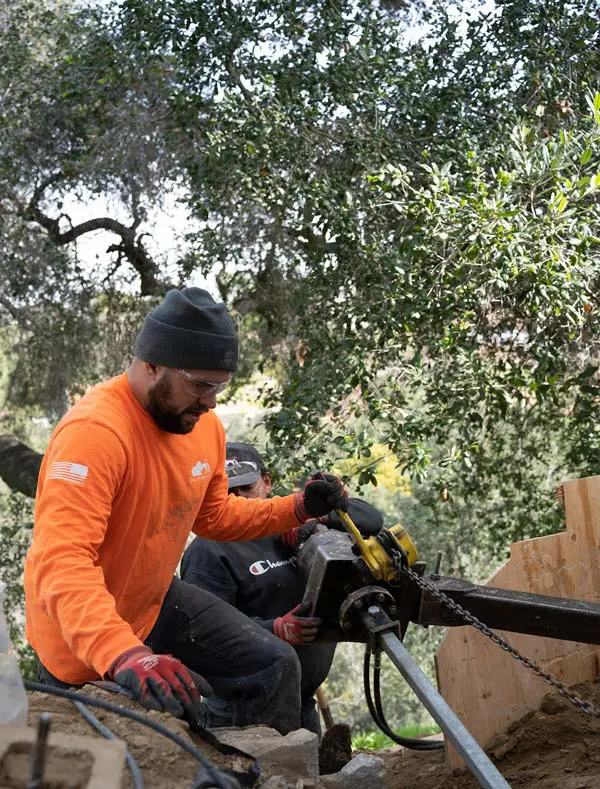
At Dalinghaus Construction, we’ve installed thousands of foundation wall anchors and helical tiebacks in homes across California and Arizona. These systems aren’t just fancy hardware—they’re what stop a serious problem from turning into a full-blown disaster.
So how do you know if your home needs anchor support?
Let’s break it down.

What Is Anchor Support?
Anchor support systems are designed to stabilize and straighten foundation walls that are under pressure or shifting.
We’re talking about:
- Helical tiebacks: long steel rods screwed into the soil at an angle to pull walls back into place.
- Wall plate anchors: steel plates connected to rods driven deep into the yard, used to brace bowing or leaning basement or retaining walls.
Both systems counteract soil pressure or movement that’s pushing against your home.
Now let’s talk about the red flags.
Top Signs Your Home May Need Anchor Support
1. Horizontal Cracks in Block or Concrete Walls
If you see a straight crack running sideways along a wall—especially in a basement or crawl space—that’s a big warning sign.
What It Means:
Soil pressure is building up and pushing your wall inward. Over time, that pressure can cause the wall to bow, lean, or fail completely.
Anchor support can stop the movement and prevent collapse.

2. Bowing or Bulging Walls
Stand at the far end of the room and look along the wall. Does it curve inward? Are there spots that look swollen or pushed in?
What It Means:
Hydrostatic pressure (from water-soaked soil) or expanding clay is pushing against the wall. This is structural movement, not cosmetic.
Anchors can help restore wall alignment and stop further damage.
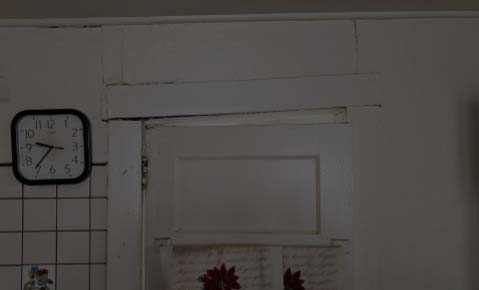
3. Doors or Windows That Stick or Won’t Close
When foundation walls shift, it throws the whole house off. Interior doors and windows may jam, tilt, or no longer latch properly.
What It Means:
Your home’s structure is moving. The frame isn’t square anymore.
Foundation anchors can correct the underlying cause if it’s from lateral wall movement.
4. Retaining Walls That Lean or Crack
Do you have a retaining wall holding back soil in your yard? If that wall is starting to lean downhill or show signs of cracking, it’s not just old age—it’s a loss of stability.
What It Means:
The wall can no longer resist the pressure of the soil it’s holding back.
Helical anchors or tiebacks can add the support needed to hold the wall upright.
5. Water Seepage Through Wall Cracks
If water is getting into your basement or crawl space through long, thin cracks—especially ones that are widening—that’s a red flag.
What It Means:
Wall movement is creating open gaps. If left unchecked, the wall could fail and lead to flooding or mold growth.
Anchors and waterproofing work together to keep your foundation dry and stable.
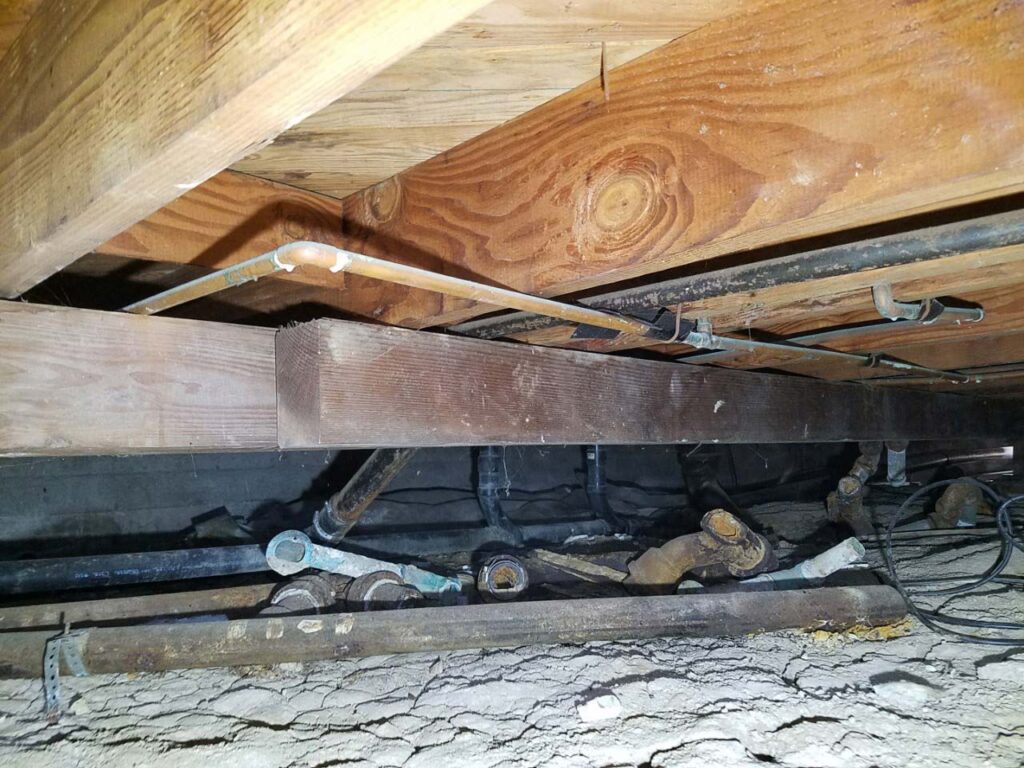
6. Sagging Floors Over Crawl Spaces
Sometimes, the issue isn’t the walls—it’s the supports underneath. If your floor feels bouncy, droops in the middle, or slopes toward one side, it could be that the piers or beams in your crawl space are failing.
What It Means:
The soil may be shifting, or the old wood supports are rotting.
Crawl space support jacks or anchors can lift and stabilize the flooring system.

What Causes These Problems?
You might be wondering why this happens in the first place. In California and Arizona, we see three major causes:
1. Expansive Clay Soils
These soils shrink when dry and swell when wet—putting enormous pressure on foundation walls.
2. Poor Drainage or Water Buildup
Heavy rains or poor yard grading can saturate the soil around your foundation, increasing hydrostatic pressure.
3. Earthquakes or Vibration (California)
Seismic activity or even nearby construction can weaken a wall over time, especially if it’s already under strain.
The Good News: There’s a Proven Fix
If your walls are cracking, bowing, or leaning, you don’t have to tear them out or start from scratch. Anchor systems offer a proven, long-lasting solution.
At Dalinghaus, we tailor every repair plan to the actual cause—not just the symptoms.

Our Anchor Repair Process
Here’s how we fix the problem the right way:
1. Free Inspection
We check your walls, measure movement, and figure out what’s going on beneath the surface.
2. Custom Anchor Plan
Depending on your soil, structure, and layout, we’ll design a plan using helical tiebacks or wall anchors—or a combination.
3. Installation
We install the system with minimal disruption to your home or yard. Most jobs are done in 1–2 days.
4. Ongoing Support
We stand by our work with warranties, and we’re always here if you have questions later.
Why Dalinghaus?
- Over 2,000 anchor support systems installed
- Foundation-certified crews in CA & AZ
- Clean, professional, and efficient service
- No pressure sales—just honest answers
We don’t sell solutions you don’t need. We inspect. We explain. And we only recommend what makes sense for your home.
FAQs
Q: How much does anchor support cost?
It depends on how many anchors are needed and how much wall movement has occurred. We offer free quotes and financing options.
Q: Are wall anchors permanent?
Yes. When properly installed, they stop movement and can even be adjusted over time to straighten the wall further.
Q: Do I have to dig up my whole yard?
Nope. Most anchor systems require only small access points in the yard or basement.
Think You Might Need Anchor Support? Let’s Find Out.
Cracks in the wall, doors that won’t close, or bowing blocks aren’t just part of “an old house.” They’re signs that your home is under pressure—and it needs help.
Schedule your free inspection with Dalinghaus Construction today. We’ll tell you what’s happening, why it matters, and how to fix it.
Because your home should feel solid—always.