5 Most Common Structural Repairs for Homes & Buildings
Your home's structure is its foundation, literally and figuratively. Schedule a free evaluation with Dalinghaus.

Your home’s structure is its foundation, literally and figuratively. Over time, natural settling, soil movement, and moisture can lead to cracks, uneven floors, and failing walls. Ignoring these issues can lead to expensive damage and safety hazards. Fortunately, modern structural repair methods can restore stability and protect your home for years.
In this guide, we’ll explore the five most effective structural repairs, how they work, and why hiring professionals like Dalinghaus Foundation Repair ensures lasting results.
What Are the Most Common Structural Repairs?
Your home’s structure keeps it safe, stable, and strong. Over time, cracks in walls, sagging floors, and leaning retaining walls can develop, putting your home’s integrity at risk. That’s why structural repairs are so important, they restore strength, prevent further damage, and protect your investment.
One of the biggest structural concerns homeowners face is foundation damage.
The good news? Structural repairs can restore your home’s integrity and prevent small problems from becoming major disasters. Let’s explore the most effective structural repair methods and how they work to keep your home safe.
1) Foundation Crack Repair
Cracks in your foundation may seem small, but they can lead to big problems if ignored. They allow moisture to seep in, weakening concrete, promoting mold growth, and leading to foundation failure. The longer you wait, the worse it gets, and the more expensive the fix. The good news? There are proven foundation structural repair solutions that can stop the damage and reinforce your home’s foundation.
How Foundation Cracks Are Repaired
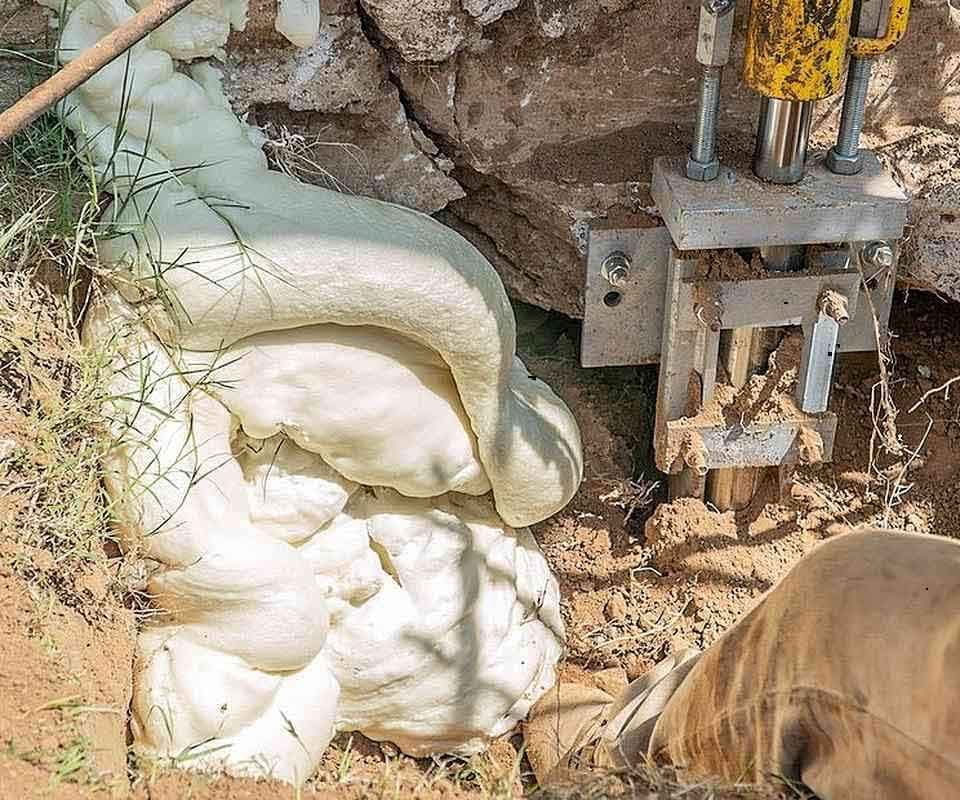
- Epoxy or Polyurethane Injection, If your cracks are minor, professionals can inject epoxy or polyurethane foam to seal them. Epoxy bonds and strengthens the concrete, while polyurethane expands to fill gaps, adding flexibility for slight foundation movement.
- Carbon Fiber Straps, If the walls of your foundation are starting to shift or bow, carbon fiber straps are an excellent way to reinforce them. These strong, lightweight strips prevent further movement and restore stability without major excavation.
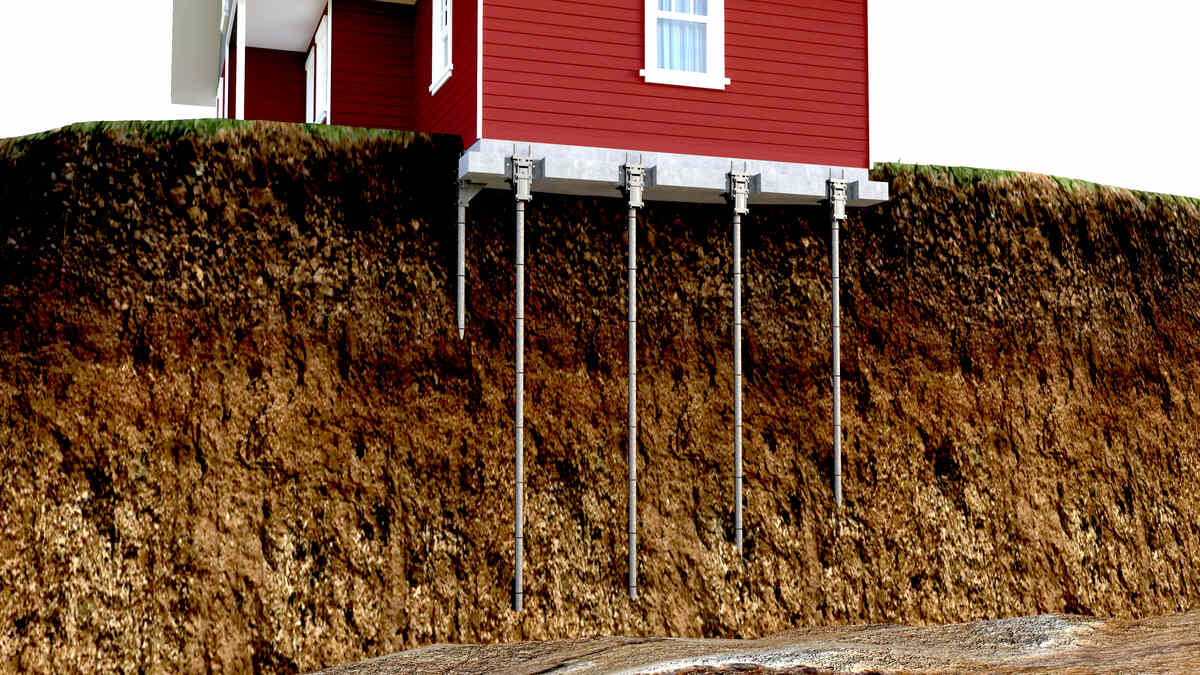
- Underpinning with Helical & Push Piers, Push or helical piers provide deep, long-term support if cracks are caused by foundation movement or settling. Helical piers screw into stable soil for lighter structures, while push piers use hydraulic pressure to lift and stabilize heavier homes.
2) House Leveling & Foundation Stabilization
Do your floors feel uneven? Are your doors sticking or not closing properly? These are warning signs that your foundation may be sinking. Over time, soil movement, poor drainage, and natural settling can cause your foundations to shift, leading to structural damage. Fortunately, house leveling and foundation stabilization can correct these issues and protect your home’s structure.
Effective House Leveling & Stabilization Methods
- Helical Piers, These screw deep into stable soil to lift and support the foundation, preventing further sinking. Ideal for homes built on expansive or shifting soil.
- Push Piers, Installed using hydraulic pressure, push piers drive into load-bearing soil to lift and stabilize sinking foundations, making them great for heavier homes.
- Polyurethane Foam Injection, Expanding foam is injected beneath sunken concrete slabs, quickly lifting them back into place and with minimal disruption.
3) Retaining Wall Reinforcement
Retaining walls are built to hold back the soil and prevent erosion, but over time, they can weaken under pressure. Cracks, tilting, and bowing are signs that the wall struggles to do its job. The most common causes are shifting soil, water buildup, and poor construction, all of which can lead to failure if left unaddressed. Reinforcing your retaining wall restores stability, prevents further damage, and helps protect your property.
Why Do Retaining Walls Fail?
- Too Much Soil Pressure, Expanding soil pushes against the wall, causing it to lean or crack.
- Poor Drainage, Water buildup behind the wall adds weight, increasing stress on the structure.
- Weak Construction, If the wall wasn’t built with strong enough materials or proper footings, it won’t hold up over time.
How to Reinforce a Leaning Retaining Wall
- Helical Tiebacks, Think of these like giant screws that anchor deep into stable soil. They pull the wall back into place and prevent it from shifting further. Best for taller or severely leaning walls.
- Wall Anchors, Steel rods attach the wall to buried anchors, slowly straightening and reinforcing it over time. A great option for walls with moderate movement.
4) Structural Beam and Girder Replacement
If your floors are sagging or feel unstable, your home’s support beams or joists could be weakened. Over time, moisture, termites, and natural wear can cause wood to deteriorate, compromising the structure. Replacing a failed beam or reinforcing the framing around it restores strength and prevents further damage.
How Structural Beams & Joists Are Repaired
- Inspection & Assessment, A professional evaluates the condition of your beams and joists, identifying rot, cracks, or weakening that could lead to further issues.
- Sistering Beams, If the beam is still structurally sound but weakened, a new beam is attached alongside it for additional support. This reinforces the framing without a full replacement.
- Full Beam Replacement, If the beam is too damaged, it is removed and replaced with a new wood or steel beam to restore full strength and load capacity.
- Steel Beam Installation, In some cases, upgrading to steel beams provides superior durability compared to wood, ensuring long-term stability.
5) Wall Stabilization Techniques
Are your walls bowing, cracking, or shifting? This often means foundation movement or soil expansion puts too much pressure on them. If left unchecked, the walls can continue to move, leading to severe foundation damage or collapse.
How Bowing Walls Are Stabilized
- Evaluation & Measurements, Experts inspect the wall, measure the degree of bowing, and determine the best stabilization method based on severity.
- Carbon Fiber Straps, If the bowing is minor, high-strength carbon fiber straps are bonded to the wall, preventing further movement without invasive construction.
- Steel I-Beams, For more significant bowing, steel beams are installed vertically along the wall, bracing it to provide heavy-duty structural support.
- Wall Anchors, When a wall is severely leaning, anchors are placed deep into the soil outside and connected to the wall with steel rods. Over time, these rods gradually pull the wall back into place.
FAQs About the Most Common Structural Repairs
Does homeowners insurance cover structural repairs?
It depends on the cause of the damage. Most policies cover structural repairs if the damage results from sudden, accidental events like storms, fires, or plumbing leaks. However, foundation settlement, soil movement, and wear and tear are usually excluded. Always check your policy or consult your insurance provider for details.
Structural repairs restore the integrity of a home’s foundation, walls, beams, and framing. These repairs address cracks, sagging floors, bowing walls, and failing support structures. Common solutions include foundation crack injections, pier installation, beam replacement, and wall stabilization techniques to ensure the home remains safe and stable.
How do you make structural repairs with no crawl space?
If there’s no crawl space, structural repairs typically require accessing the foundation or support structures inside or outside the home. Methods include lifting floors to reinforce beams, cutting small sections for repairs, or using specialized equipment like polyurethane foam injection to stabilize foundations and correct structural issues without excavation.
What is the most common cause of structural failure?
The most common cause is foundation movement due to soil issues. Expansive soil, poor drainage, erosion, and shifting ground can weaken a home’s foundation, leading to cracks, sinking, and structural instability. Other causes include poor construction, moisture damage, and lack of maintenance, all of which can lead to costly repairs.
What are some examples of structural issues?
These problems often result from foundation settlement, soil movement, moisture damage, or poor construction. Addressing these issues early with proper structural repairs prevents worsening damage and costly fixes.
Protect Your Home With Expert Structural Repairs
Structural issues don’t get better with time, they get worse. Cracks grow, walls lean, and floors sink, making repairs more expensive and dangerous if left unchecked. The right structural repair method can restore your home’s safety, stability, and value.
Schedule a Free Evaluation
Foundation movement is easier to judge in person than from a photo. Schedule a free evaluation and a Dalinghaus specialist will walk the property with you and explain what the evidence shows.
Written by
Brian Dalinghaus
Co-Founder, Dalinghaus Foundation Repair
Brian Dalinghaus founded Dalinghaus Foundation Repair with his brother Brad in Southern California in 2011. The brothers built the company on a Midwest work ethic and a single standard for every job: Never Settle.
More about Brian