Foundation Sinking: Causes, Signs & Repair Methods
Your home's foundation is supposed to stay put. Schedule a free evaluation with Dalinghaus.

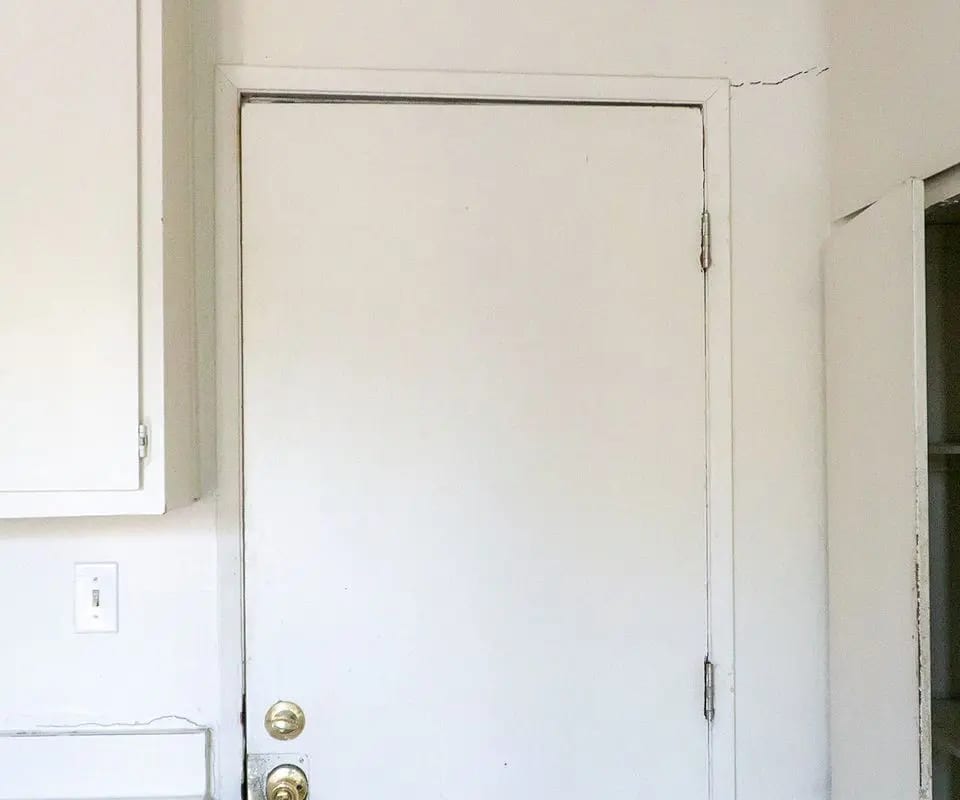
Noticing Cracks or Sloping Floors? It Could Be Foundation Sinking
Your home’s foundation is supposed to stay put. But when it starts to sink, everything above it shifts too, leading to cracked walls, sticking doors, and uneven floors. If you’re seeing these symptoms, it’s time to take action.
This isn’t a problem that fixes itself. But the good news is that foundation sinking is treatable,and fixable, when caught early.
In this article, we’ll explain:
- What causes a sinking foundation
- Signs your house may be affected
- How repairs like push piers and helical piers work
What Is Foundation Sinking?
Foundation sinking, also called foundation settlement, happens when the ground under your home can no longer support the structure above it. This causes parts (or all) of the foundation to drop lower than the rest of the house, resulting in a sinking house.
This movement puts stress on your framing, drywall, plumbing, and more. And the longer it goes untreated, the worse (and more expensive) it becomes.
What Causes a Foundation to Sink?
1. Soil Erosion
When water runs off your roof or yard and pools near your foundation, it can wash away supporting soil. This creates voids underneath the slab or footings, causing them to settle unevenly.
2. Expansive Soil
Soils with high clay content swell when wet and shrink when dry. This constant movement can lift and lower your foundation over time, leading to slab sinking and cracks.
3. Poor Soil Compaction
If the soil beneath your home wasn’t compacted properly during construction, it may compress over time under the weight of the house, causing foundation settlement.
4. Drought or Changing Water Table
In dry conditions, clay soils shrink and pull away from your foundation. If a home was built on expansive or poorly graded soil, this shrinking can result in a sinking foundation.
Signs Your Foundation Might Be Sinking
Worried your house may be shifting or sinking? Look out for these red flags:
- Diagonal cracks in walls (especially above doors/windows)
- Foundation cracks in exterior walls or the slab
- Uneven floors or sloping rooms
- Doors or windows that stick or won’t close properly
- Gaps between the ceiling and walls
- Nail pops or warping in drywall
- Cracks in tile or flooring
If you’re noticing these symptoms, especially in combination, it’s time to get a structural repair specialist involved.
What Happens If You Ignore It?
When left unaddressed, a sinking foundation can lead to:
- Structural instability
- Costly cosmetic repairs (over and over)
- Broken plumbing or drainage issues
- Decreased home value
- Risk of total foundation failure
Catching the problem early means less disruption and lower repair costs.
How to Stop a Sinking Foundation
At Dalinghaus Foundation Repair, we don’t believe in quick patches. Our goal is to lift, stabilize, and protect your foundation using proven engineering methods, with the terms in writing before work starts.
Here are two trusted piering systems we use:
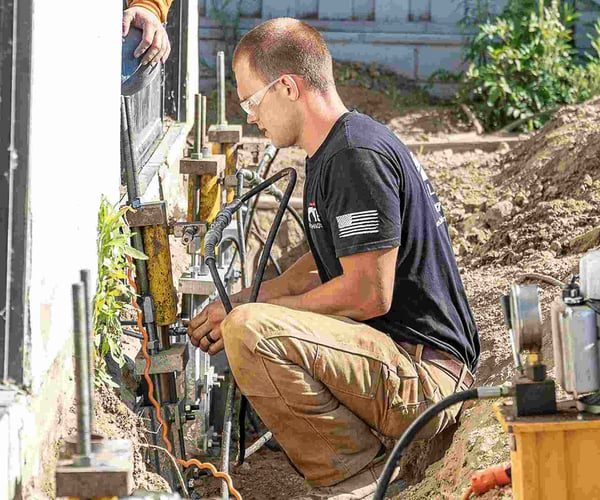
1. Push Piers
Best for: Heavier homes with deeper stable soil beneath
-
Steel piers are driven deep into the ground until they reach load-bearing strata (hard, stable soil or bedrock).
-
The weight of your home is transferred from the sinking soil to the stronger soil beneath.
-
A hydraulic system is used to lift the foundation back to a more level position.
-
Designed to stop the settlement
-
Minimal disruption to landscaping
-
Can close wall cracks and relevel floors
Push piers are a go-to solution for lifting a sinking house and stopping future foundation settlement.
2. Helical Piers
Best for: Lighter structures or areas where deeper soil isn’t stable enough for push piers
-
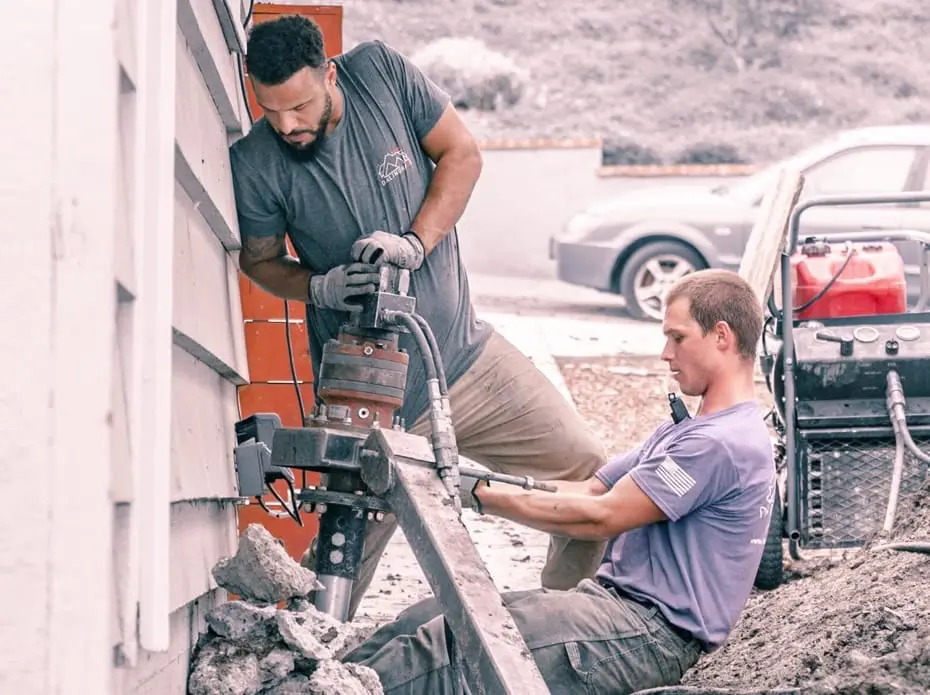
Think of helical piers like giant steel screws. They’re twisted into the soil until they reach stable load-bearing ground.
-
Brackets attach the piers to your foundation, transferring weight off the shifting soil.
-
Some lifting may be possible, but the main goal is to stabilize the foundation.
-
Ideal for soft or loose soils
-
Immediate load-bearing capacity
-
Can be installed year-round
Helical piers provide strong, lasting support for homes experiencing foundation sinking in weak soil conditions.
Will These Solutions Lift My Foundation?
In many cases, yes. If conditions allow, we can lift and re-level parts of your home that have settled. However, lifting is only done when it won’t cause damage to the structure.
The goal is always the same: stop the foundation from moving and keep your home safe.
What About DIY Fixes?
Unfortunately, this isn’t a job you can solve with patching compound or floor leveling kits.
Cosmetic fixes like repainting or caulking cracks won’t stop the foundation movement happening below. And without stopping the source, those same cracks will return, usually worse than before.
Repairs that stop the movement start below the surface, with proper pier installation and soil stabilization.
Real Project: Foundation Sinking in Phoenix, AZ
A homeowner in Phoenix noticed a corner of their house dropping nearly an inch over 12 months. Cracks were forming in the drywall and tile. Our team found that the sandy soil beneath that section had eroded due to poor grading and irrigation runoff.
We installed:
- 9 push piers along the affected wall
- Foam injection under the slab to fill voids
- Downspout extensions to redirect water
The home was successfully lifted, the cracks closed, and movement stopped completely.
Why Homeowners Trust Dalinghaus
- 2,000+ successful structural repair jobs
- Serving California and Arizona with local soil knowledge
- No-pressure consultations
Whether your issue is foundation cracks, slab sinking, or uneven floors, we’ll find the right solution for your home.
Stop Foundation Sinking Before It Gets Worse
Every inch your home sinks leads to more damage, and higher repair costs. If you suspect foundation settlement, now is the time to act.
Let Dalinghaus Foundation Repair evaluate your home for free and provide a custom foundation lift and stabilization plan.
Schedule Your free evaluation Today
Our team is ready to assess your foundation, explain your options, and carry out repairs designed to stop the movement, with the terms in writing before work starts.
Schedule a Free Evaluation
Foundation movement is easier to judge in person than from a photo. Schedule a free evaluation and a Dalinghaus specialist will walk the property with you and explain what the evidence shows.
Written by
Brian Dalinghaus
Co-Founder, Dalinghaus Foundation Repair
Brian Dalinghaus founded Dalinghaus Foundation Repair with his brother Brad in Southern California in 2011. The brothers built the company on a Midwest work ethic and a single standard for every job: Never Settle.
More about Brian