House Shifting: What It Means and How to Stabilize It
If your floors are uneven, your doors will not close properly, or cracks are appearing in the walls, your home may be shifting.
What Is House Shifting?
If your floors are uneven, your doors won’t close properly, or cracks are appearing in the walls, there’s a chance your home is experiencing something serious: house shifting.
It usually starts small, like tiny cracks or bouncy floors, but over time, it can cause major structural damage if left unchecked.
This isn’t just settling. It’s your home moving, often because the foundation is shifting or the soil underneath is unstable.
The good news? With the right solutions, house shifting can be stopped and the structure stabilized.
What Causes a House to Shift?
1. Soil Movement and Erosion
The most common cause of house shifting is unstable soil. When the ground beneath your home expands, contracts, or erodes, it no longer supports the structure evenly.
- Expansive clay that swells when wet and shrinks when dry
- Loose or poorly compacted fill soil
- Soil erosion from poor drainage or heavy rain
- Drought conditions causing soil shrinkage
When the soil moves, your foundation moves with it,resulting in a shifting foundation that causes cracks and sloping.
2. Poor Drainage
Water is the #1 enemy of stable soil. When it pools around your foundation, often due to clogged gutters, broken downspouts, or poor grading, it can lead to soil washout or hydrostatic pressure that pushes against your foundation.
3. Plumbing Leaks Under the Slab
Leaks in sewer or water lines can soften and erode the soil underneath your foundation. Over time, this weakens support and creates voids, which lead to foundation settlement and house shifting.
4. Time and Wear
Older homes often shift due to years of small soil movements, seasonal weather changes, and normal wear. While some minor settling is expected, excessive movement should never be ignored.
Warning Signs of House Shifting
How do you know if your home is shifting? Here are some clear signs of foundation failure:
- Cracks in drywall, especially around doors and windows
- Sloping or bouncy floors
- Doors and windows that stick or won’t latch
- Gaps between walls and ceilings
- Cracks in the foundation or slab
- Cracks in exterior brick or stucco
If you notice any of these signs, especially if they’re getting worse, it’s time to schedule a free evaluation.
What Happens If You Ignore a Shifting Foundation?
If foundation movement is ignored, it can cause serious structural issues:
- Larger cracks (which let in moisture and pests)
- Sagging floors and rooflines
- Broken plumbing under the slab
- Total foundation failure
- Decreased home value
But the sooner you catch it, the easier and less expensive it is to fix.
How to Stabilize a Shifting House
The key to solving house shifting is stabilizing the foundation and supporting the soil. At Dalinghaus Foundation Repair, we use industry-leading products like helical piers, push piers, and polyurethane foam injection to lift and support your home, with repairs designed to stop the movement and the terms in writing before work starts.
1. Foundation Pier Installation
Best for: Long term stabilization of a shifting foundation
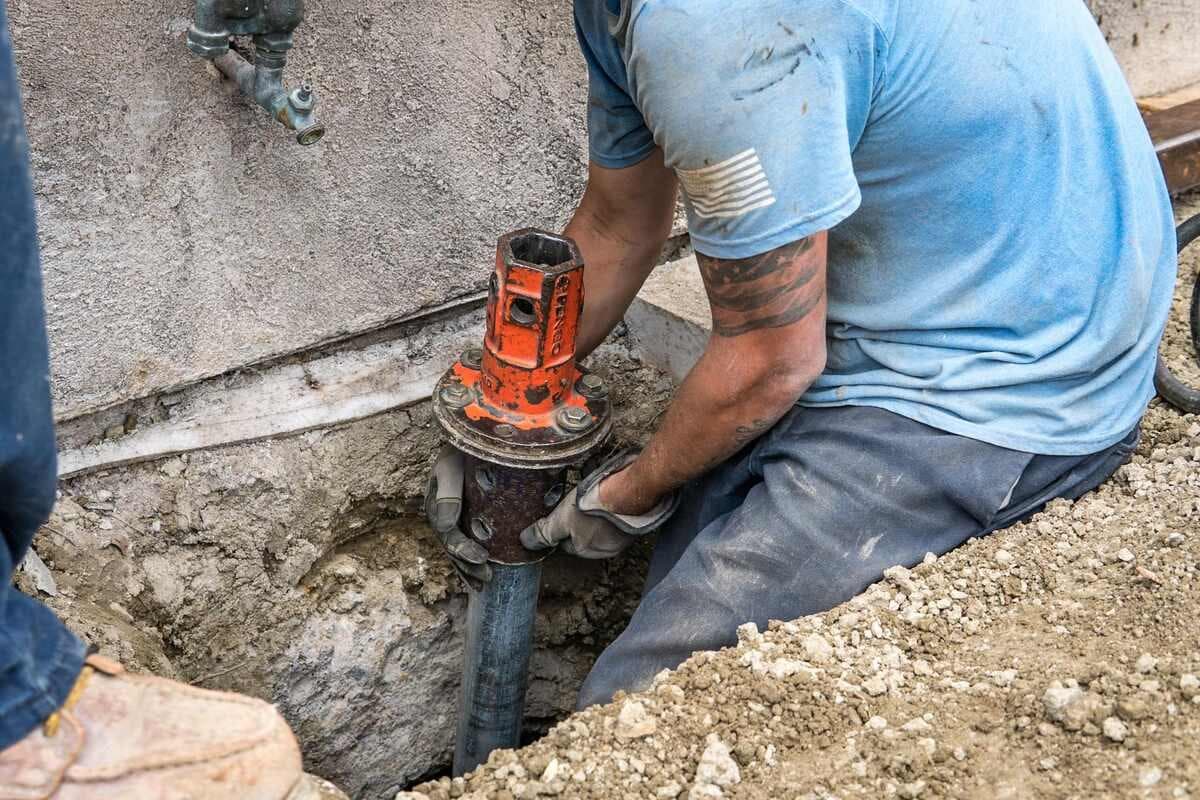
We use heavy-duty steel piers to transfer the weight of your home off the unstable soil and onto deeper, load-bearing strata.
- Push Piers: Driven into the ground until they hit stable soil or bedrock.
- Helical Piers: Screwed into the ground like giant bolts, ideal for lighter structures or areas with poor surface soils.
Once installed, the piers lift and support your home, stopping further movement and even re-leveling certain areas.
2. Soil Stabilization and Void Fill
Best for: Homes with erosion, under-slab voids, or loose soil
We inject polyurethane foam into the soil beneath your foundation. This foam expands to fill gaps and densifies the soil, restoring lost support and preventing further shifting.
- Fast cure time
- Non-invasive
- Fills voids and strengthens loose soils
- Water-resistant
Great add-on to pier systems for extra stability.
3. Drainage and Grading Solutions
Best for: Preventing future soil washout and water damage
Water control is crucial. We may recommend:
- Downspout extensions
- French drains
- Regrading your yard
Proper drainage protects your piers, your soil, and your structure long-term.
What Does House Leveling Mean?
House leveling is the process of lifting parts of a home that have sunk due to settlement or soil loss. It often goes hand-in-hand with pier installation.
Leveling may not always mean returning the home to its original position, especially if doing so would cause cosmetic damage. But the goal is to stop further movement and restore function, safety, and structure.
Real Example: House Shifting in Temecula, CA
A homeowner in Temecula called us after noticing cracks in their tile floor and sticking doors. Our inspection revealed uneven foundation settlement due to expansive soil and poor drainage.
We installed:
- 10 helical piers along the perimeter
- Foam injection to stabilize soft soil
- Downspout extensions to improve drainage
After the repair, the home was level, secure, and protected against future soil movement.
Why Choose Dalinghaus Foundation Repair?
- Over 2,000 successful foundation repairs completed
- Licensed and experienced in both California and Arizona soils
- Transparent inspections, no high-pressure sales
We specialize in settlement repair, house leveling, and shifting wall stabilization,and we make the process clear and stress-free.
Stop House Shifting Before It Gets Worse
You don’t have to live with sloping floors, wall cracks, or stuck doors. These are warning signs your foundation needs attention.
Let Dalinghaus Foundation Repair evaluate your home, explain the issue, and build a custom stabilization plan that stops the movement, with the terms in writing before work starts.
Schedule Your free evaluation Today
Whether you’re in Southern California or Central Arizona, we’ve got your back.
Schedule a Free Evaluation
Foundation movement is easier to judge in person than from a photo. Schedule a free evaluation and a Dalinghaus specialist will walk the property with you and explain what the evidence shows.