
As a homeowner, keeping your home’s foundation in good condition is important. The foundation serves as the base for your entire house, supporting everything from the ground floor to the roof. However, a sinking foundation can pose several safety risks to you and your family and decrease the value of your property. These risks include foundation cracks, bowing walls, and uneven floors. You must promptly address the issue to prevent further damage and ensure the safety of your home and loved ones. While attempting a DIY repair to save money may be tempting, it is vital to understand the significant risks involved. What are they, and how can you identify the signs that indicate it’s time to seek support?
Why Foundations Sink
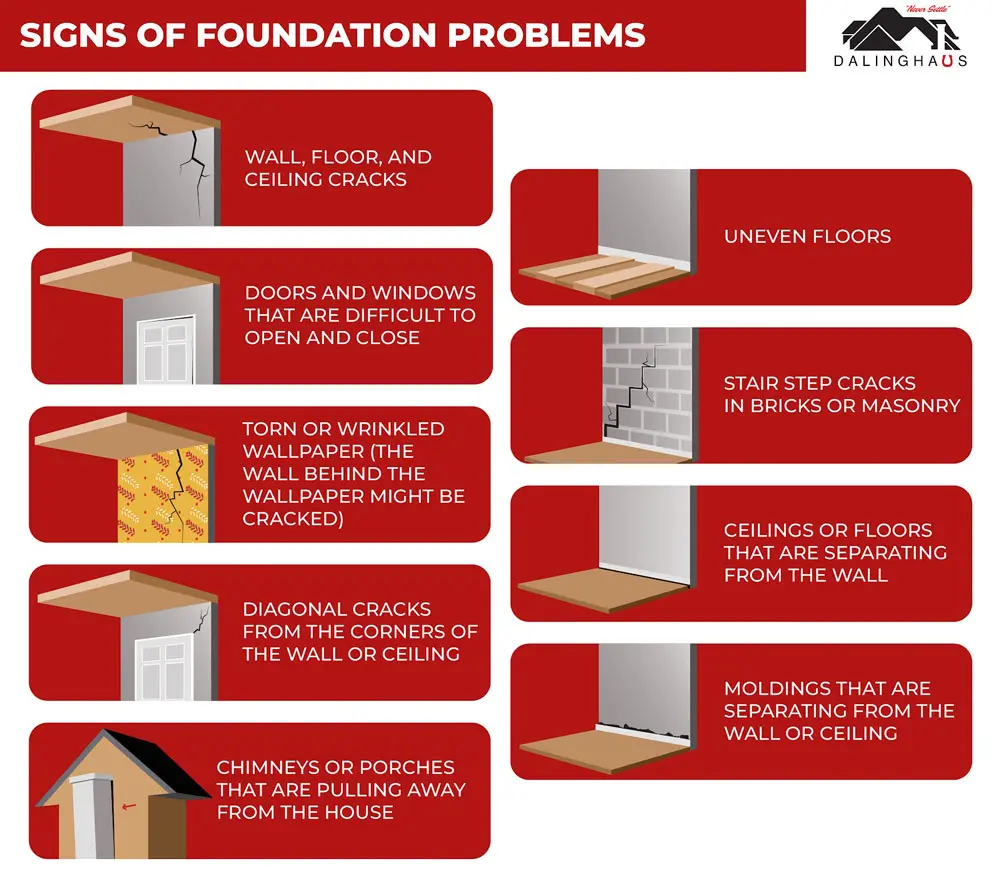
Foundation sinking is a concerning issue that many homeowners face. It happens when the soil beneath a building settles or shifts, causing the foundation to move downwards. This can result in visible signs such as cracks in walls, uneven floors, and doors that don’t close properly. Understanding the root cause of this problem is essential to prevent it from worsening and compromising your safety. Several factors can cause foundation sinking, including the type of soil, the weight of the structure, and changes in the environment.
Different soil types, such as clay, sand, or loam, react differently to moisture. Clay soils shrink and swell as they lose or absorb water, while sandy soils are more prone to erosion. Additionally, soil not compacted well during construction can lead to foundation instability over time.
Improper landscaping can also contribute to foundation sinking by altering the soil moisture around the home. Poor drainage, for example, can lead to water accumulation around the foundation, which can cause the soil to expand and contract, leading to foundation movement.
Foundations can sink due to various environmental factors and seismic activity. The soil beneath the foundation can shift and settle unevenly, causing it to become unstable. Changes in environmental conditions such as heavy rainfall, drought, or flooding can also reduce the soil’s ability to support the structure, leading to foundation instability. Consequently, foundation sinking can occur, and further instability can result.
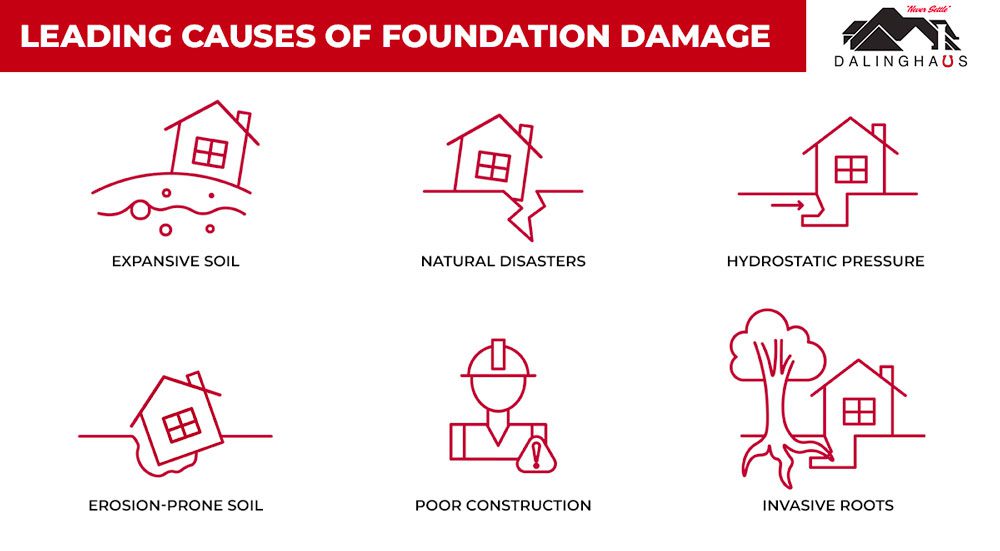
Poor construction practices, such as inadequate site preparation or the use of substandard materials, can result in a weak foundation that cannot support the weight of the building.
If you are still determining why your foundation is sinking, it is crucial to have a professional assess the situation to determine the precise cause and extent of the problem.
The Risks of DIY Foundation Repair
It’s important to remember that DIY foundation repairs while tempting due to the potential cost savings, can often end up costing you more in the long run. While some repairs may seem simple enough to handle on your own, without the proper knowledge and experience, you could end up making things worse. Not only could you damage the foundation beyond restoration, but you could also harm yourself or others in the process.
Additionally, many warranties and insurance policies require that professionals perform repairs. So, while it may seem like a good idea to save money by doing it yourself, it’s essential to consider the risks and potential costs before attempting any DIY repairs. Here are a few more reasons why you may want to think twice about doing it yourself:
- Compromised Structural Integrity: One of the primary risks of attempting foundation repair yourself is the potential for further damage to your home’s structure. Foundations are complex, and the work often requires precise, technical solutions that can vary significantly from one home to another. Mistakes in this delicate area can lead to more severe issues, including increased sinking or collapse.
- Safety Hazards: The dangers associated with DIY repairs cannot be emphasized enough. Tasks like underpinning the foundation pose a significant risk to individuals who need proper training and equipment. There’s also the risk of incorrectly supporting the load-bearing walls, leading to catastrophic failures and personal injury.
- Legal and Insurance Implications: In many places, foundation repair must meet specific codes and standards, which DIYers may unknowingly violate. It can lead to legal troubles, including fines and later difficulties selling your home. Insurance does not typically cover damage caused by improper DIY repairs, which could lead to significant financial losses.
- Increased Costs in the Long Run: Although DIY foundation repair might seem cheaper initially, errors can lead to higher costs. Any initial savings will quickly evaporate if you must redo the repairs. Hiring a professional from the start is often more cost-effective.
Considerations Before Deciding on DIY Foundation Repair
- Evaluate Your Skills and Understanding: Before attempting a foundation repair project, it’s essential to evaluate your skills and the tools available. Foundation repair work usually requires specialized tools and expertise beyond what is typically capable of the average homeowner. It’s important to remember that overestimating your abilities can be a costly and dangerous mistake.
- Understand the Scope of the Problem: Foundation issues can be of a wide range of severity and type. A seemingly small crack could indicate a more serious issue. Professionals possess the necessary tools to conduct detailed assessments, which are generally unavailable to DIYers. For instance, experts may employ thermal imaging cameras to identify moisture problems not visible to the naked eye.
- Consider the Long-Term Impact: Proper foundation repair is crucial to avoid long-term issues. If the repair work is not done correctly, problems such as uneven settling or persistent water issues can cause repeated damage over time. To address the root cause of the problem, not just the symptoms, it is necessary to seek professional help from experts with the appropriate knowledge and experience.
When to Call a Professional
Foundation problems can pose a significant risk to the safety and durability of your house. Therefore, it’s essential to know how and when to address these issues to ensure the safety of your loved ones and the longevity of your property. Minor problems, such as tiny cracks that do not affect the structure, can often be repaired using simple solutions like caulking or minor patching.
If you notice significant cracks, doors, or windows that no longer close correctly or uneven floors, it’s time to call in the experts. These signs indicate serious foundation issues that are likely beyond the scope of DIY repair. It’s important to note that ignoring these warning signs can lead to further damage and cost you much more in the long run.
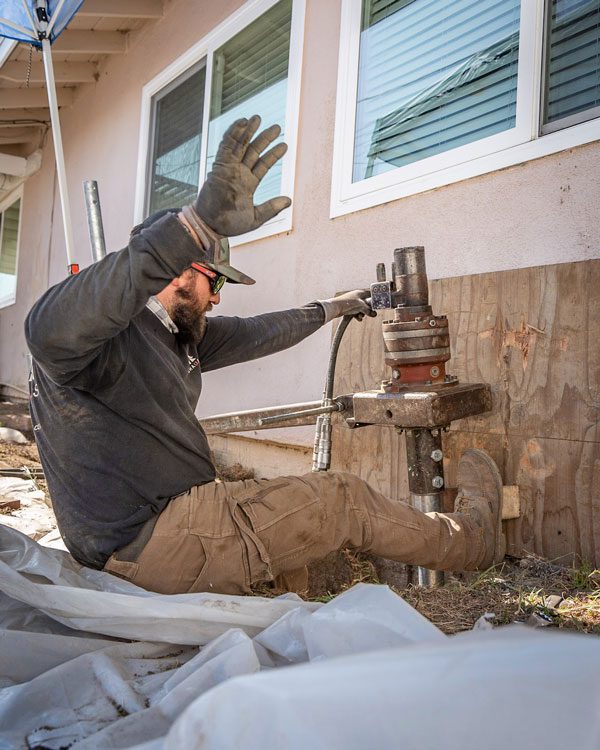
Depending on the severity of the issue, repairing a foundation can be complicated and even hazardous. It may involve excavation, foundation lifting, and other intensive repairs. The time required for foundation repair can vary from a few days to several weeks, depending on the severity of the problem and the chosen repair method. In some cases, rebuilding the entire foundation may take much longer.
That’s why it’s highly recommended that you call in a professional if you have any sinking foundation issues. A professional foundation repair contractor will have the skills, experience, and equipment to assess the problem and recommend the best action for your unique situation. They can also help you understand the costs involved and provide you with a detailed plan for the repair process.
The costs of foundation repair can vary widely depending on the extent of the damage and the type of repair required. Repairing the foundation is usually less expensive and less invasive than replacing it, which is typically only necessary in rare cases where the foundation is beyond repair.
Tread Carefully with DIY Foundation Repair
DIY sinking foundation repair is fraught with risks that can cost you more than hiring a professional from the start. While the desire to save money is understandable, the potential financial and otherwise costs demand careful consideration. When it comes to something as crucial as your home’s foundation, it is wise to trust the advice and skills of a professional. They can provide the necessary expertise to ensure the safety and stability of your home.
If you have any concerns or questions regarding your home’s foundation, it is recommended that you contact an experienced foundation repair contractor. This approach guarantees that your home will remain safe and secure for years, providing peace of mind that the foundation is sound and professionally maintained.
If you suspect your foundation is sinking and need help, we will assist you in Southern California, Arizona, and Nevada. Whether you’re currently facing any issues or aiming to prevent future ones, taking proactive action can help you worry less. Our team of skilled professionals is committed to ensuring that your home remains a safe and comfortable place for your family. We offer a lifetime guarantee, so please use our free consultation to gain peace of mind and enjoy your home for years.


