Top 5 Primary Reasons for Sheetrock Cracks
Drywall cracks naturally elicit a nasty gut-wrenching response that makes you want to upchuck mimosas. Schedule a free evaluation with Dalinghaus.

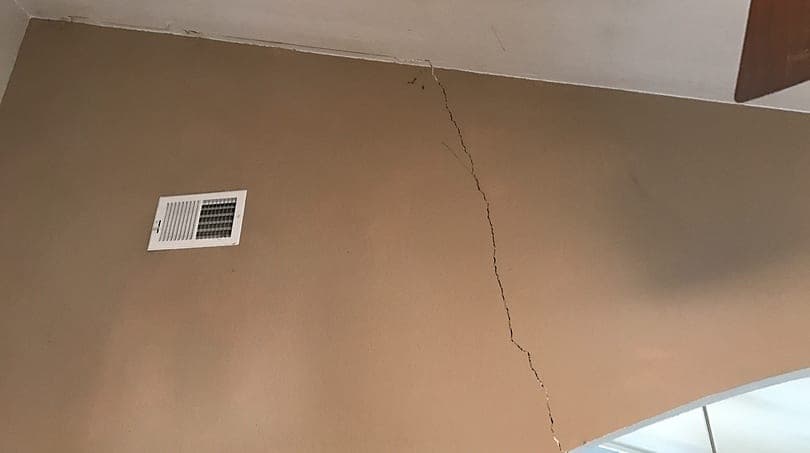
The truth of the matter is drywall cracks are pretty damn ugly.
Drywall cracks naturally elicit a nasty gut-wrenching response that makes you (and definitely your wife & mother-in-law) want to upchuck mimosas or whatever sweet champagne cocktail they down at brunch.
*Note, we here at Dalinghaus find cracks so egregious, we snub them in our other articles Why Do I have Cracks in my Home and Top 5 Characteristics of Concrete Cracks.
In this article, we are going to cover the 5 primary reasons cracks rip their way through sheetrock.
Sheetrock debuted in the United States of America in the early 20th century when the United States Gypsum Corporation purchased Sacket Plaster Board Company in 1910, introducing Sheetrock by 1917.


Why Does Drywall Crack?
Drywall cracks form primarily due to foundation settlement, foundation heave, fluctuations in temperature, humidity, and seismic activity, all exacting undue pressure and stress on the drywall’s organic materials.
Common Causes of Cracks in Drywall
New Home Settling
New homes (typically built by private contractors or homebuilders such as Lennar, K.B. Homes, & Richmond American here in Southern California) naturally have a new home settle.
This is due to the caliber/age of lumber utilized in construction.
New home builders often utilize green lumber (new, undried wood) which inherently holds high moisture content and shrinks over time as it dries out.
This shrinking movement causes tiny cracks to bite into your drywall. These tiny, relatively benign fractures are a common sign in newly erected homes.
Many homeowners refrain from repairing these hairline cracks until after their first year is over. This ensures this madera verde has ample time to dry out/shrink completely.
After the natural home settlement has done its work, homeowners may address any drywall crack with putty, paint, or tape without concern of recurring damage.
Leaks & Water Damage
Leaks are notorious offenders when it comes to originating cracks in drywall.
Water can damage sheetrock from a leaky water pipe, roof, chimney, or window, causing an ugly yellowing and browning of the affected drywall.
This water soaks up into and saturates the drywall like a sponge or a mother-in-law soaking up Bellinis through sheer osmosis. This saturation results in cracks.
Oftentimes these cracks are wet to the touch and/or you can see water droplets dewing on the exterior of the drywall.
Obviously, before you attempt to address a crack caused by water damage, make sure the source of the leak has been properly fixed.
Vacant Home
Leaving your home empty for long stretches at a time can lead to drywall cracks. And, no, your house isn’t cracking because it’s lonely.
Your holiday home may have drywall cracks because it sits vacant for several months out of the year.
If the home, in your absence, is not regulated for climate control, particularly for humidity and temperature, the drywall will shrink and expand cyclically in response to the seasons.
This seasonal cycle can also affect the wooden bones/frame of your home, putting additional extraneous stress onto the drywall through transference.
Nowadays, with the use of modern technology, you can set your vacation home thermostat up with a click of a button on your phone.
This is much better than letting your mother-in-law use your cabin for whiskey winter festivities or Syrah Summers.
Bad Tape Job
When you install sheetrock (for those of you lucky enough not to know from personal experience), the grooves between the drywall panels are plastered with mud. This mud is taped over.
Occasionally, if there’s not enough mud to actually adhere to the tape and the tape rolls away from the drywall.
This pulls away some of the mud with it, leaving an annoying crack. If the tape has lifted in numerous locations, it’s best simply to re-tape the grooves and impede this problem from occurring again.
Foundation Issues
Foundation settlement and foundation heave can both exact undue stress on your home’s foundation.
While foundation settlement and foundation heave are different (settlement sinks the foundation down and heave pushes the foundation up), their signs and symptoms overlap.
Drywall Foundation Issue Symptoms to look out for:
- Cracks that are thicker than a quarter-inch (and continue to expand, elongate over time)
- Cracks that originate from door/window frames
- Cracks that stairstep through drywall (a sign of excess pressure transferred to the drywall)
- Bulging and bowing drywall
Any drywall issues stemming directly from foundation failure shouldn’t be cosmetically addressed until professional foundation repair stabilizes the foundation and returns it to maximum practical recovery.
Any drywall patched with mud or filler will spit out the filler during the lift because the home is being leveled back into place.
You can read more about possible foundation issues in our article 3 Common Problems with Foundation Repair.
The root of the problem needs to be addressed, otherwise, drywall will be patched up and repainted…patched up and repainted…patched up and repainted the rest of your life.
Dalinghaus Is Here to Help
If you live in Southern California or Arizona, there is a significant chance that your foundation may be suffering from either settlement or heave due to expansive soil.
Schedule a Free Evaluation
Foundation movement is easier to judge in person than from a photo. Schedule a free evaluation and a Dalinghaus specialist will walk the property with you and explain what the evidence shows.
Written by
Brian Dalinghaus
Co-Founder, Dalinghaus Foundation Repair
Brian Dalinghaus founded Dalinghaus Foundation Repair with his brother Brad in Southern California in 2011. The brothers built the company on a Midwest work ethic and a single standard for every job: Never Settle.
More about Brian