
Crawl Space Support Posts: What They Are & When You Need Them
Most homeowners never think about what's holding up their floors until they start sagging, bouncing, or cracking the upstairs drywall.


Most homeowners never think about what’s holding up their floors until they start sagging, bouncing, or cracking the upstairs drywall. That’s when you realize the posts under your house are more than just hunks of wood or steel. They’re the legs your home stands on.
The whole place feels it when they’re weak, rotten, or missing. In this article, we’ll cover what crawl space support posts are, why they matter, the warning signs you shouldn’t ignore, and how the right crawl space repair keeps your house standing tall.

What Are Crawl Space Support Posts?
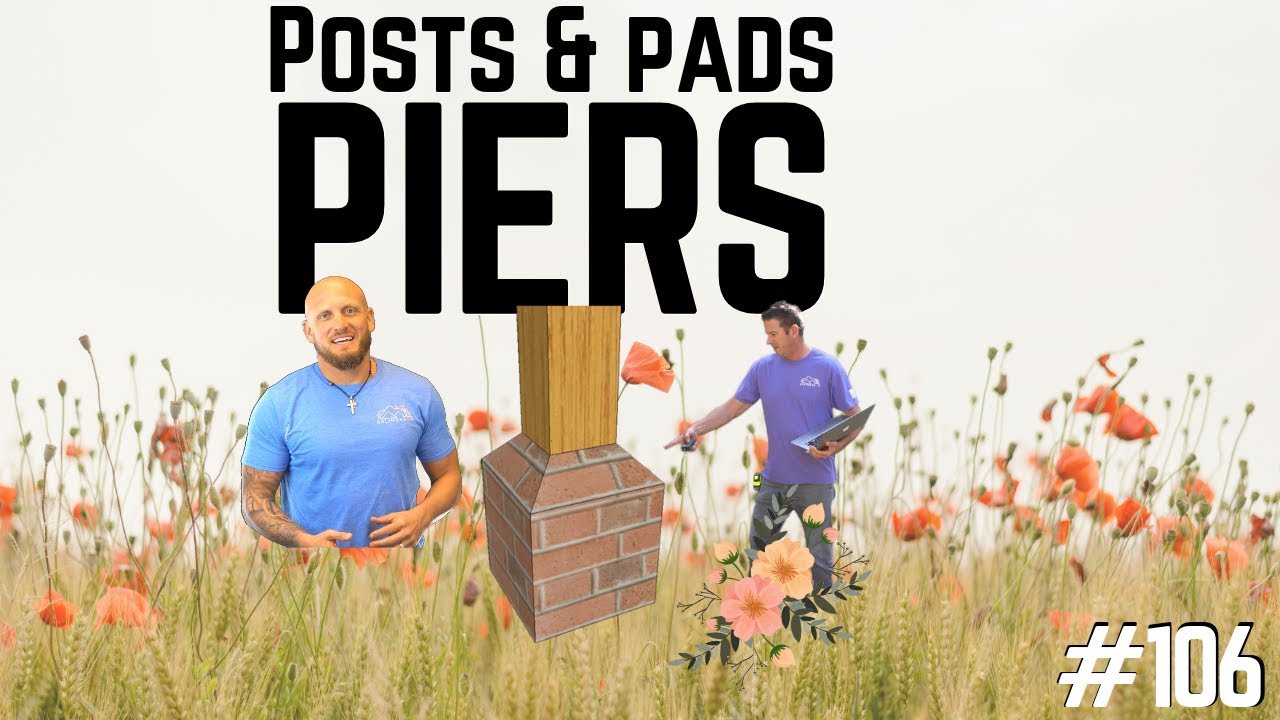
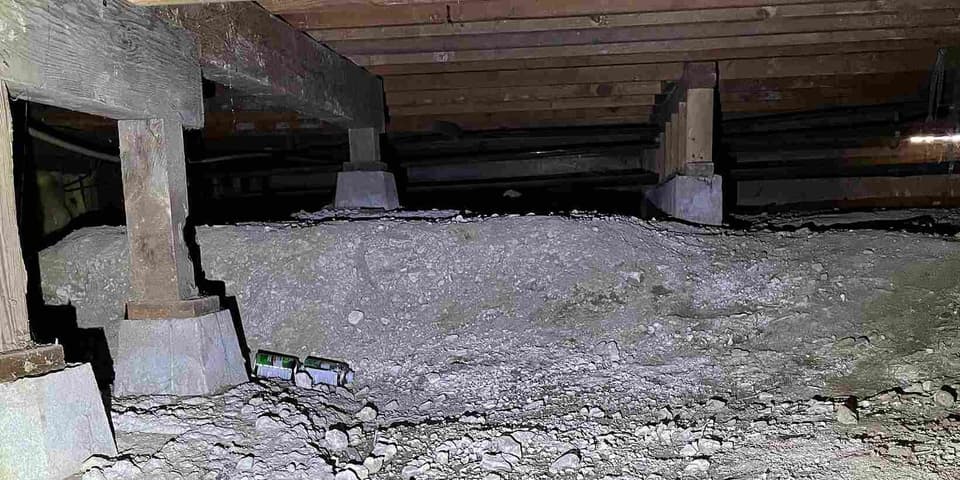
Think of support beam posts as the legs of your house. They’re vertical columns under your floor, holding the beams and joists. Their job is to carry the weight of your home and pass it down into the ground.
They come in different materials: wood, concrete, or steel. Currently, the modern option is adjustable crawl space jacks. They’re strong, dependable, and can be adjusted to the right height. Older homes often used wood posts, or worse, stacked blocks of scrap lumber. Those might work for a while, but they don’t last.
Purpose of Crawl Space Support Posts
Sagging floor supports aren’t “extra.” They’re essential. Without them, gravity wins, and your house starts to sag.
Here’s what they do:
- Spread the weight of your home evenly across the crawl space structure
- Keep floors from sinking, bouncing, or sloping
- Reinforce beams weakened by rot, age, or moisture
- Keep the whole structure stable over time
- Stop minor problems before they become major costs.
Signs You May Need New (or Additional) Crawl Space Support Posts
Your house usually gives you warnings when the crawl space is in trouble.
Here’s what to look for:
- Sagging or uneven floors: If you notice furniture tilting or feel like you’re walking uphill or downhill inside your home, the floor system is sinking. The crawl space supports aren’t doing their job.
- Bouncy floors: The joists flex too much if your floor feels springy, like a trampoline. Posts are either missing, failing, or spaced too far apart.
- Cracks in drywall: Especially above doorways, windows, or along seams. When the crawl space shifts, it throws the whole frame out of square, and the walls show it first.
- Doors and windows sticking: If they scrape, jam, or won’t close all the way, your house shifts as the supports sink.
- Gaps between floors and baseboards: When the floor drops but the walls stay put, gaps open up. It’s a sure sign of movement underneath.
- Moisture damage: Crawl spaces often deal with damp conditions. If you see wood rot, mold, or rusted jacks, the posts may be compromised and losing strength.
- Makeshift fixes: Bricks, stacked wood, or shims jammed under beams are stopgaps, not solutions. If that’s what’s holding up your house, it’s time for real posts.

Why You Shouldn’t DIY This
It’s tempting to think, “I’ll just crawl under there and add a post myself.” But floor joist repair and pier and beam fix work isn’t weekend DIY stuff. It’s structural repair, and when the structure of your home is on the line, mistakes get expensive.
Here’s why DIY isn’t the answer:
- Safety risks. Crawl spaces are tight, damp, and often full of mold, pests, or unstable wood. One wrong move can mean injury or exposure to harmful conditions.
- Hidden problems. Support posts are only part of the picture. If you don’t catch wood rot, shifting soil, or ongoing moisture issues, your “fix” won’t hold, and the problem will return worse.
- Precision matters. Posts must be placed in the right spot, on solid footings, and adjusted carefully. Lifting too quickly or in the wrong place can crack walls, damage plumbing, or worsen doors and windows.
- Long-term costs. A quick DIY patch might feel like savings now, but when it fails, you’ll pay for both the failed attempt and the professional repair. That’s double the cost and double the stress.
Why Professional Inspection Matters
You might not think much about your crawl space until something goes wrong upstairs, like sagging floors or cracked walls. But what happens under your house directly affects everything above it. That’s why a professional inspection isn’t optional. It’s essential.
A trained crawl space expert can:
- Pinpoint the real problem. Is it weak posts, rotted joists, settling soil, or a moisture issue?
- Prevent wasted money. Installing posts in the wrong spot, or without fixing wood damage first, means paying twice when the problem comes back.
- Design the right solution. Not every home needs the same fix. A pro looks at the weight load, soil condition, and damage level before creating a plan that works long-term.
- Protect your investment. Your home is likely your biggest asset. A proper inspection ensures that the repair supports the whole structure, not just the symptom.
The U.S. Geological Survey (USGS) says that shifting soils can push and pull on a structure’s foundation. That movement shows up as cracks, uneven floors, and misaligned doors and windows. It’s the same stress that makes crawl space support posts so important. Without them, your home has nothing to fight against sagging and settlement.
Installing Crawl Space Support Posts
Crawl space support posts don’t just sit there and hold weight; they can push sagging floors back toward level and keep them there.
Here’s how the process works:
- Inspection and Planning: We start by crawling under the house to figure out where the problem is. We check beams, joists, and the old posts. If wood rot, termites, or moisture damage has weakened the structure, those areas are flagged for reinforcement. We’ll also measure how far the floors have dropped compared to where they should be.
- Solid Footings: A post is only as strong as what it rests on. Before lifting, a concrete footing or precast base is set in the soil. This spreads the load and keeps the post from sinking into the ground over time. Think of it like setting a car jack on a solid block instead of soft dirt.
- Placement of the Posts: We position the new posts directly under sagging beams or joists. Placement matters; a few inches off may mean the weight isn’t transferred correctly. We often add multiple posts in a row to spread the load evenly.
- The Lift: This is the part homeowners find most satisfying. Using screw-style adjustable jacks, we slowly tighten each post. The process is gradual to avoid cracking drywall or causing sudden shifts. As the jacks turn, beams and joists are pushed upward, and sagging floors rise closer to level.
- Locking It In: We lock and secure the posts once the desired height and support are reached. Unlike temporary shoring, these are built to stay in place, carrying the weight down to the new footings. The load is balanced across all posts and footings.
- Reinforcement of Damaged Wood: If joists or beams were rotted, we reinforce or sister it with new lumber or steel plates before or after the lift. Posts provide strength, but the wood above them needs sound to hold the load.
How Can We Help?
Fixing crawl spaces isn’t glamorous work. It can be dirty, cramped, and dark. But it’s also important work, because your house depends on it. At Dalinghaus Foundation Repair, we’ve built our reputation on tackling the tough jobs correctly because your home deserves nothing less.
Here’s what you can expect when you call us:
- Inspect posts, beams, joists, soil, and moisture fully.
- Build foundation repair plans specific to your house.
- Use professional-grade crawl space jacks, support piers, or and floor lift systems.
Dalinghaus Foundation Repair Is Here to Help
Your crawl space might be out of sight, but it should never be out of mind. Support posts aren’t just pieces of steel holding up wood. They keep your floors level, your doors working, and your home safe. Ignoring sagging floors or trying to “DIY it” can give you bigger and more expensive problems down the road.
With the right inspection and team, your home can be lifted, leveled, and protected for years. Schedule a free crawl space evaluation with us, and we’ll give you a clear picture of what’s happening under your home.
Schedule a Free Evaluation
Foundation movement is easier to judge in person than from a photo. Schedule a free evaluation and a Dalinghaus specialist will walk the property with you and explain what the evidence shows.
Written by
Brian Dalinghaus
Co-Founder, Dalinghaus Foundation Repair
Brian Dalinghaus founded Dalinghaus Foundation Repair with his brother Brad in Southern California in 2011. The brothers built the company on a Midwest work ethic and a single standard for every job: Never Settle.
More about Brian