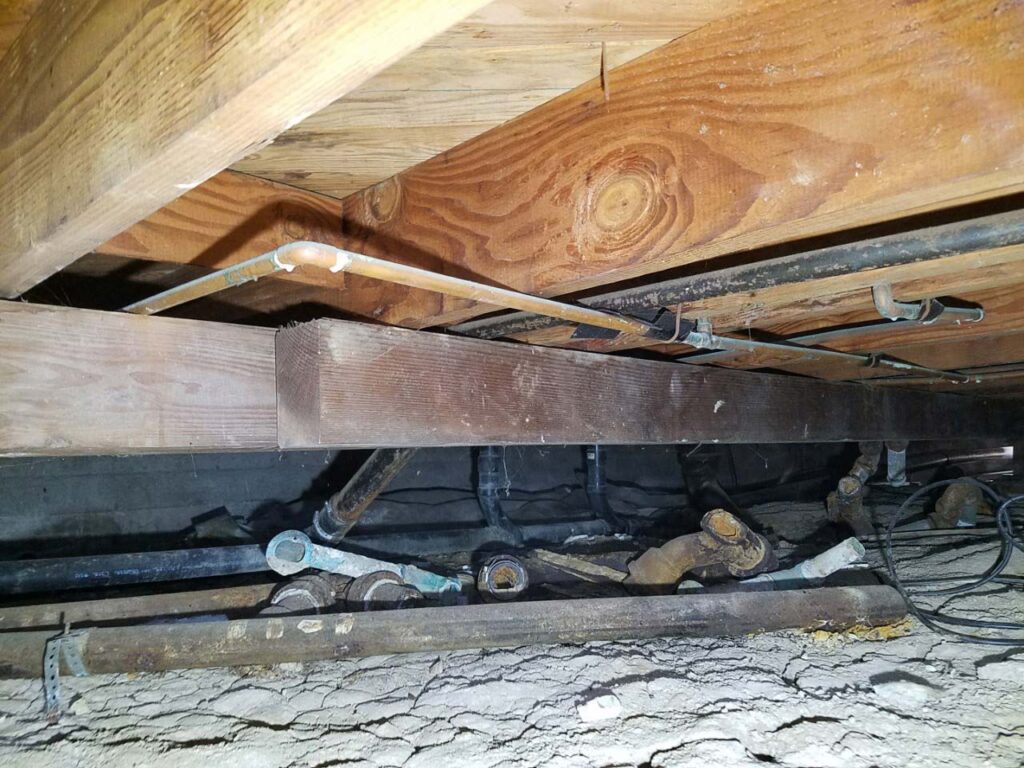
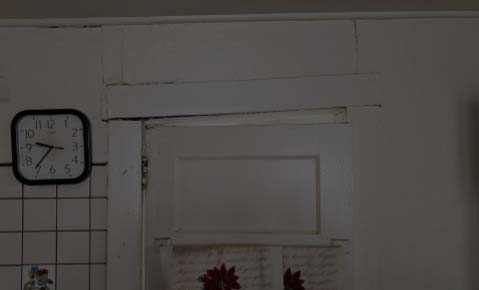
When your foundation starts to fail, you can’t just slap on patchwork and walk away. Cracks spread, doors stick, and floors tilt because the ground under your home shifts and sinks.
Long-term structural foundation repair tackles the cause, not just the symptoms. They stop the damage, lock in stability, and keep your home safe. You need lasting solutions if you want your home to stand strong for decades.
5 Long-Term Solutions for Structural Foundation Damage
Foundation damage isn’t a quirk. It’s a warning. A quick patch might hide the problem, but won’t stop it. Only real fixes are built to last.
Here are five long-term structural foundation fixes we trust:
1) Underpinning with Piers
When the soil can’t hold the weight, you give the house a new footing. Crews drive steel or concrete piers down until they hit bedrock or compact soil that won’t move. The house transfers its weight onto something that actually holds.
- Push piers get driven straight down until they find resistance.
- Helical piers screw into the soil like giant corkscrews, perfect softer or looser soils .
Underpinning doesn’t just stop the sinking. It can even lift the home back to level. It’s one of the most reliable structural foundation solutions, often backed by long-term warranties.

2) Soil Stabilization
Most structural foundation issues begin in the soil itself. Clay swells, sand shifts, and fill soil settles. Soil stabilization strengthens the ground itself so it stops moving under your house.
- Contractors inject foam, cement grout, or lime to bind the soil.
- Deep mixing methods churn stabilizers right into the ground, turning weak soil into something as solid as concrete.
You’re not just fixing the symptoms; you’re removing the cause. Strong soil acts as a solid base, preventing future structural foundation problems before they start.
3) Drainage and Moisture Control
In foundations, water is the enemy. It erodes, it swells clay, it pools under slabs. If you don’t control water, no repair lasts.
Long-term drainage fixes include:
- Sloping soil so rain runs away from the house.
- Installing French drains and sump pumps to redirect groundwater.
- Extending downspouts so the roof water doesn’t soak the base.
Every dollar spent on drainage saves you hundreds on repairs later. They are essential parts of structural foundation maintenance to protect your home.
The U.S. Geological Survey reports groundwater use causes over 80% of U.S. land subsidence, impacting 17,000+ square miles. In California’s San Joaquin Valley, the ground has sunk nearly 30 feet in under a century.
Poor water management doesn’t just damage landscapes; it puts entire foundations at risk.
4) Foundation Wall Reinforcement

If your crawl space or basement foundation walls are bowing, cracking, or leaning, that’s a clear sign of pressure from outside. It is usually caused by soil pushing against the wall. Left alone, this pressure can cause walls to shift or even collapse.
Here’s how foundation walls are reinforced for the long haul:
- Carbon Fiber Straps: Great for minor bowing. These straps are extremely strong and are glued to the wall to prevent them from moving any further.
- Steel I-Beams: For more serious bends, experts install vertical steel beams to brace the wall and keep it from shifting.
- Wall Anchors: When walls are severely leaning, crews install anchors deep into stable soil and connect them to the wall using steel rods. These can slowly straighten the wall over time.
Each method is designed to stop movement and add long-term stability. Which one we use depends on how bad the bowing is and what your home needs.
5) Foundation Replacement: When There’s No Other Option
If your foundation walls are falling apart or were never built right to begin with, sometimes the only safe choice is to replace them. Foundation replacement isn’t common, but when it’s needed, it’s a serious matter.
Here’s when structural foundation replacement is likely needed:
- You see large horizontal, vertical, or diagonal cracks in the foundation.
- Your home has begun to tilt or sink.
- The foundation walls are so severely damaged that they can no longer support the structure’s weight.
- The home is very old and doesn’t meet today’s safety standards.
In most cases, only one or two foundation walls need full replacement. The rest can often be repaired or reinforced, depending on the severity of the damage. Think of it as a fresh start. A new foundation provides your home with decades of renewed stability, helping you avoid more significant problems down the road.
Types of Foundation Damage and Their Signs
A house only stands as strong as the ground under it. When the foundation starts to slip, everything upstairs pays the price. A foundation rarely fails overnight. It gives you warning signs. A few clues that something underground has started to shift.
Here are the main types of foundation damage and the indicators that point to each one:
1) Settlement Cracks
When soil compresses or sinks, the foundation settles unevenly. That movement shows up in cracks.
Indicators:
- Stair-step cracks in brick or block walls
- Diagonal cracks above doors and windows
- Floors that slope in one direction
2) Heaving or Uplift
Expansive soils swell when wet and push the foundation upward. This creates the opposite problem of settlement.
Indicators:
- Cracks in your basement or slab floors that widen over time
- Sections of your floor that rise higher than others
- Doors that drag on the floor when opened

3) Lateral Pressure and Bowing Walls
Soil doesn’t just push down. It also pushes sideways. When hydrostatic pressure builds, basement or retaining walls bow inward.
Indicators:
- Horizontal cracks across your basement walls
- Walls that lean inward or bulge at the center
- Gaps where the wall pulls away from the floor or ceiling
4) Moisture and Water Damage
Water doesn’t just weaken concrete; it destabilizes the soil around it. Over time, this invites foundation shifts.
Indicators:
- Standing water in basements or crawl spaces
- Musty smells or visible mold growth
- Efflorescence (white, chalky residue) on basement walls
5) Structural Shifts and Tilting
Sometimes the damage shows up outside the main structure. Chimneys, porches, and garages reveal stress before the rest of the house does.
Indicators:
- A leaning chimney that separates from the house
- Sinking steps or patios
- Cracks in driveways or garage floors that don’t line up with normal wear
Spotting these signals early allows for timely structural foundation service before problems escalate.
Maintenance & Prevention Tips
You can’t control the soil under your house, but you can control how much stress you put on it.
Here are some tips to prevent foundation damage:
- Control Water Around the Foundation: Water plays the biggest role, so make sure it always drains away from the foundation.
- Manage Moisture in Dry Seasons: Keep soil moisture consistent with a soaker hose during dry seasons, but avoid overwatering landscaping right next to the house.
- Watch the Landscaping: Landscaping itself can also cause problems. Large trees with aggressive roots pull water from the soil and push against foundations, so plant them well away from the house or use root barriers if unavoidable.
- Inspect and Repair Small Issues Quickly: Stay alert to small issues that warn of bigger ones. Seal hairline cracks before they widen. Check crawl spaces and basements for dampness. Walk your property to spot signs of settling in patios, porches, or sidewalks.
- Schedule Professional Inspections: Even when your home looks solid, a professional inspection every few years can save you thousands. Proactive care is the best structural foundation guide.
How Much Does Structural Foundation Repair Cost?
Asking what the structural foundation cost is like asking what a car costs. It depends. Because every house, every soil type, and every repair is different, no article can tell you the exact figure for your home.
The most accurate way is to book a structural foundation inspection with a professional who can assess your home, recommend the right structural foundation solutions, and ensure repairs are done right the first time.

Here are the key factors that drive foundation repair costs:
| Factor | Why It Matters |
| Soil Type | Expansive clay and loose fill shift more, often requiring deeper or more complex repairs. |
| Type of Damage | Small surface cracks cost less to address than major settlement or bowed walls. |
| Repair Method | Simple sealing or drainage fixes cost far less than underpinning or full replacement. |
| Accessibility | Tight crawl spaces, finished basements, or hard-to-reach areas make labor more complex. |
| Water Control | Poor drainage often adds extra work, like French drains or sump pumps, to protect the fix. |
| Timing | Early fixes stay smaller. Delayed repairs usually grow more invasive and more expensive. |
When to Call a Professional Structural Foundation Service
When your home starts talking via cracks, sticking doors, or floors that tilt, you don’t guess, you act. You call in the pros for long-term solutions.
Here’s when you should pick up the phone:
- Cracks that spread or get wider.
- Floors that slope or dip, or that make your marble roll away.
- Doors and windows that jam or pop open.
- Visible movement.
If any of these show up, don’t wait. Dalinghaus will inspect with no sales pressure and explain what’s at fault and how it affects your home’s stability.
What Dalinghaus Offers You
When your house warns you, don’t say “maybe later.” Call us. At Dalinghaus Construction, we serve Southern California, Arizona, and parts of Nevada, and our team treats homeowners like real people, delivering honest advice and long-term solutions.
- Foundation Inspections: We’ve checked thousands of homes, and we don’t ghost you if there’s nothing wrong
- Foundation Repair Services: We repair from push and helical piers to crawlspace fixes, slab lifting, crack repair, retaining wall stability, and even seawall restoration
- Concrete Services: We do concrete lifting and repairs as well.
We promise a simple, headache-free process grounded in experience with professionalism, licensing, and insurance to back it up