Water in a crawl space usually comes from a few common sources: roof runoff that drains next to the foundation, ground that slopes toward the house, openings in the foundation perimeter, plumbing leaks, rising groundwater, and humid air that condenses on cool surfaces. Stopping it starts with finding the route the water takes. In most homes, the first fixes happen outside the house.
This guide explains each source, the signs to look for, what water can do to the supports under a raised floor, and the order Dalinghaus Foundation Repair follows to dry out a crawl space in Southern California, Arizona and Nevada. Explore our crawl space repair services to learn more about the solutions we offer.
Is It Normal to Have Water in Your Crawl Space?
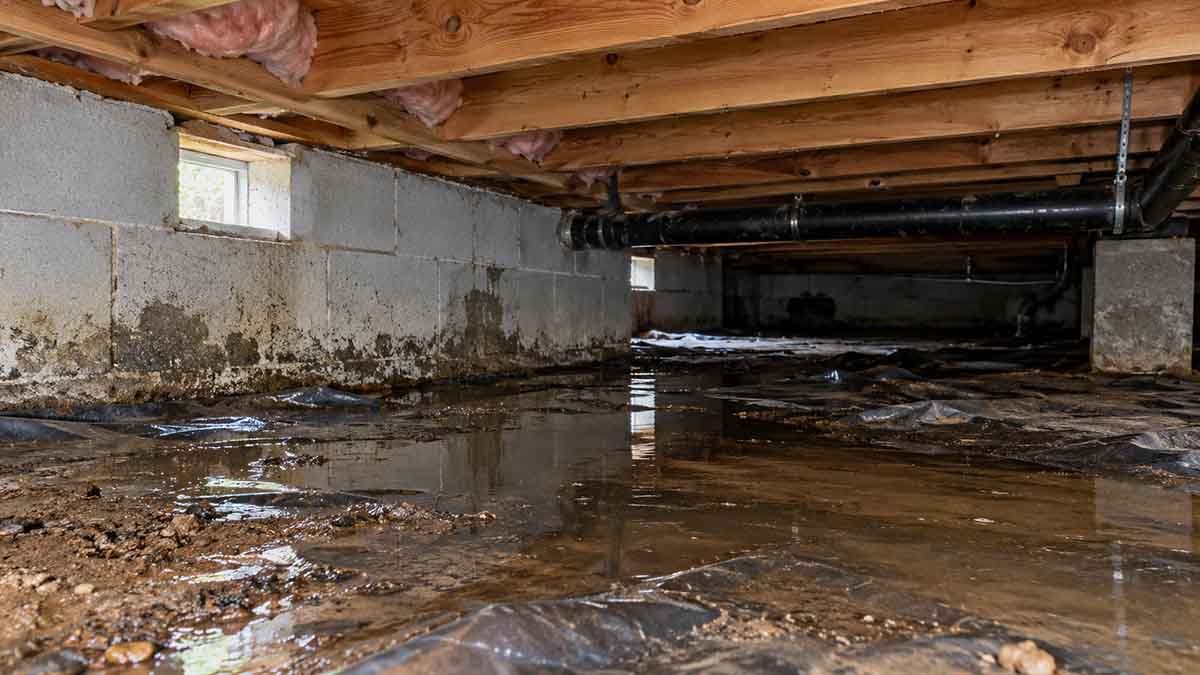
A little dampness that dries out quickly after a storm can happen, and it does not always mean something is wrong. Standing water is different. Pooled water under a house usually means drainage has failed somewhere, and it is worth finding out why.
When a Dalinghaus evaluation finds only brief dampness that dries quickly, with no staining or rot, the written findings recommend watching it, and no system is sold. When water pools, our team reads it this way:
- One puddle after an unusually large storm: note where it is and watch the next ordinary storm. If the puddle comes back, drainage is the likely problem.
- Puddles after every storm: drainage is failing on a regular basis.
- Water spread across much of the floor that is slow to drain: this is more serious and calls for an evaluation.
- Standing water along with rot, mold or changes in the floors above: damage may already be underway.
Water that shows up in dry weather is its own clue. It often points to a plumbing leak or rising groundwater instead of rain. Our page on standing water under a house covers these patterns in more detail.
What Causes Water in a Crawl Space?
Most crawl space water comes from outside the house, carried in by roof runoff, the slope of the yard or storm water moving across the lot. Leaks, groundwater and humid air account for the rest. Many homes have more than one source at once, which is why one fix does not always solve the problem.
Roof Runoff and Downspouts
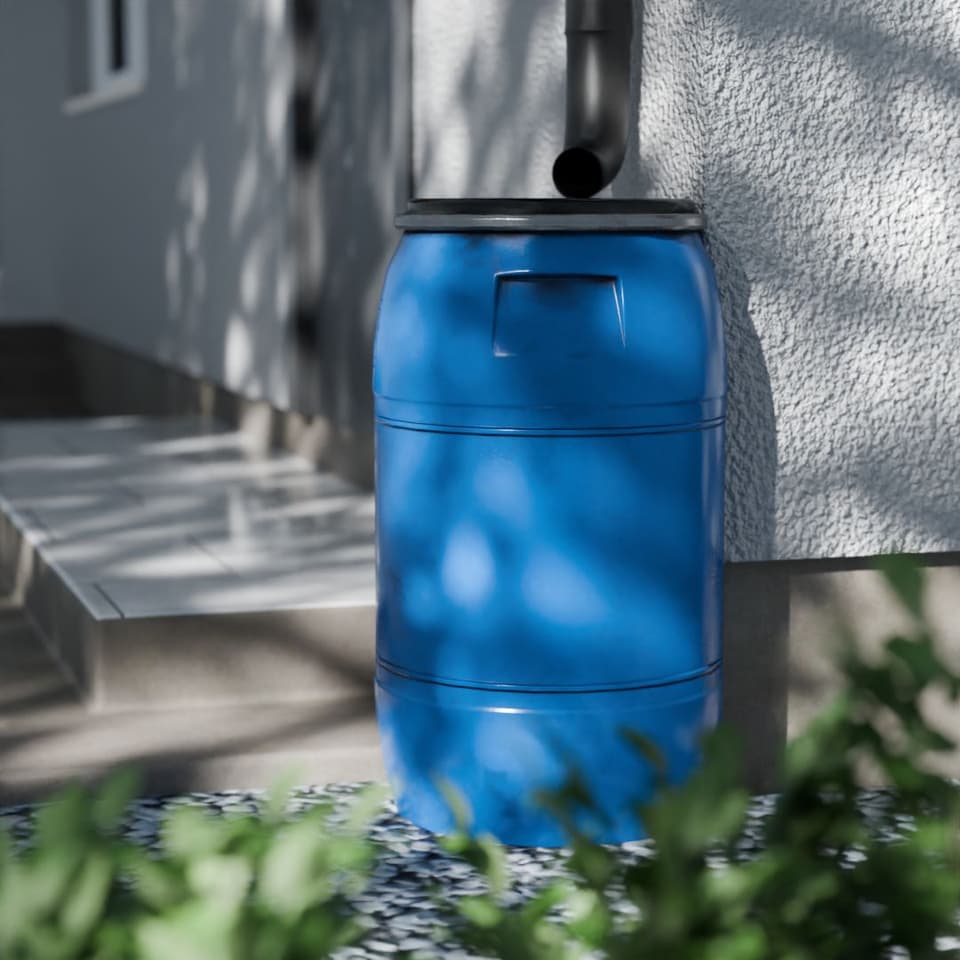
A roof sheds a lot of water in a storm, and the gutters send all of it to a few downspouts. When a downspout ends right at the foundation, that water soaks into the soil beside the crawl space and can work its way inside. Clogged or overflowing gutters can do the same thing along the whole roof edge. If the wet areas under your house line up with the downspouts above, roof water is the first suspect.
Ground That Slopes Toward the House
The ground around a house should carry water away from the foundation. Over time, soil can settle next to the walls, and planters, flower beds or new hardscape can change how the yard drains. When the grade tips toward the house, storm water collects against the foundation instead of running off.
Hillside lots add another path. On a sloped lot, water moving downhill can reach the uphill side of a house even when the gutters work well. Water from a neighboring yard can drain the same way.
Openings in the Foundation Perimeter
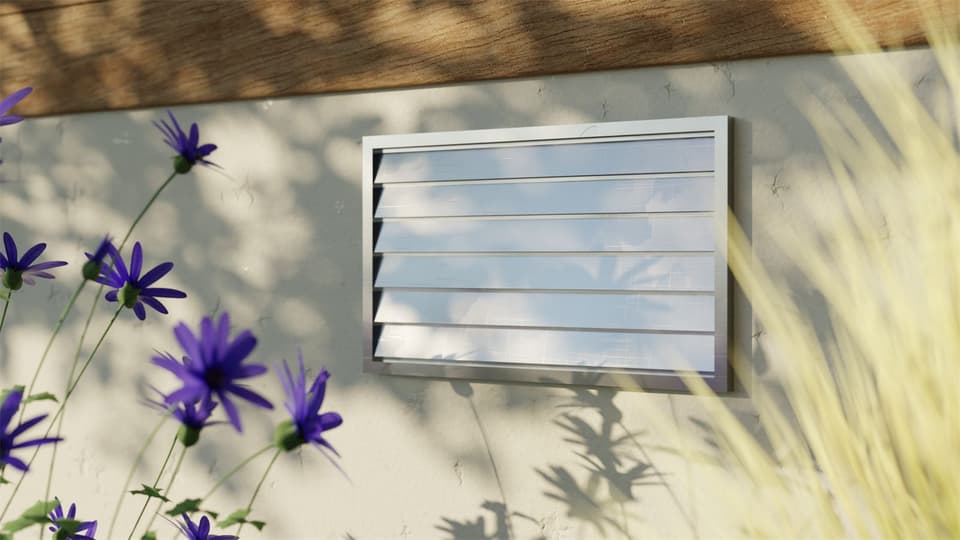
Raised foundations have openings on purpose. Foundation vents let air move under the house, and an access door lets people in. Those same openings can let in rain, sprinkler spray and humid air. A vent close to the ground, a warped or rusted access door, or a gap around an old panel can all admit water.
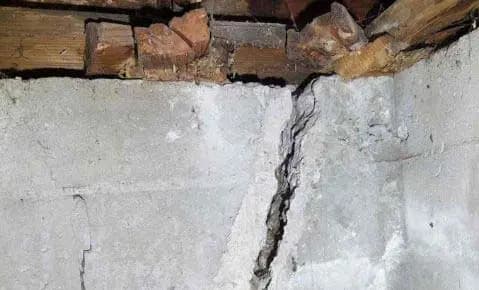
Cracks in the stem wall can also let water through. The stem wall is the short concrete or block wall that the house sits on around the edge of the crawl space.
Plumbing Leaks
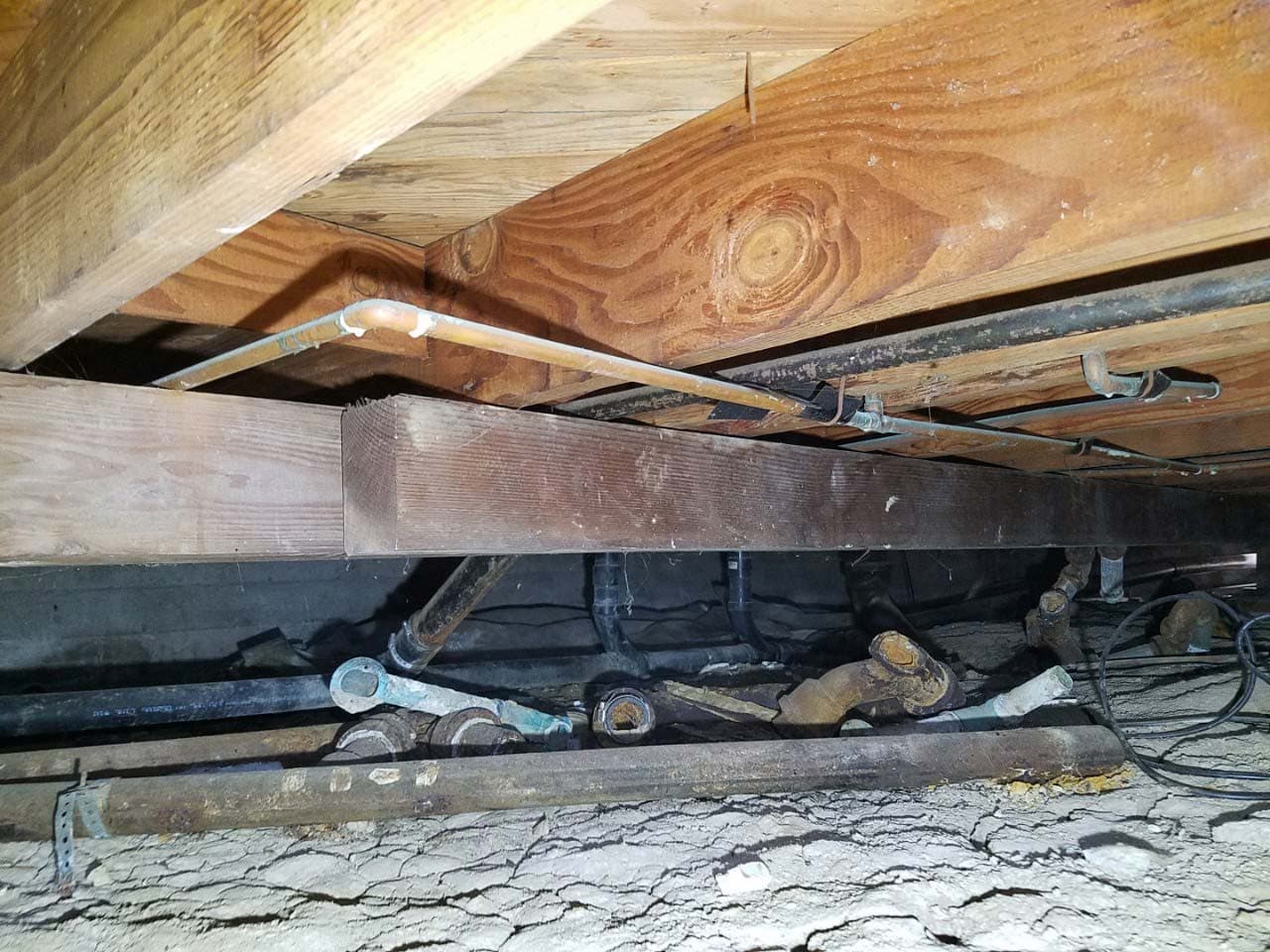
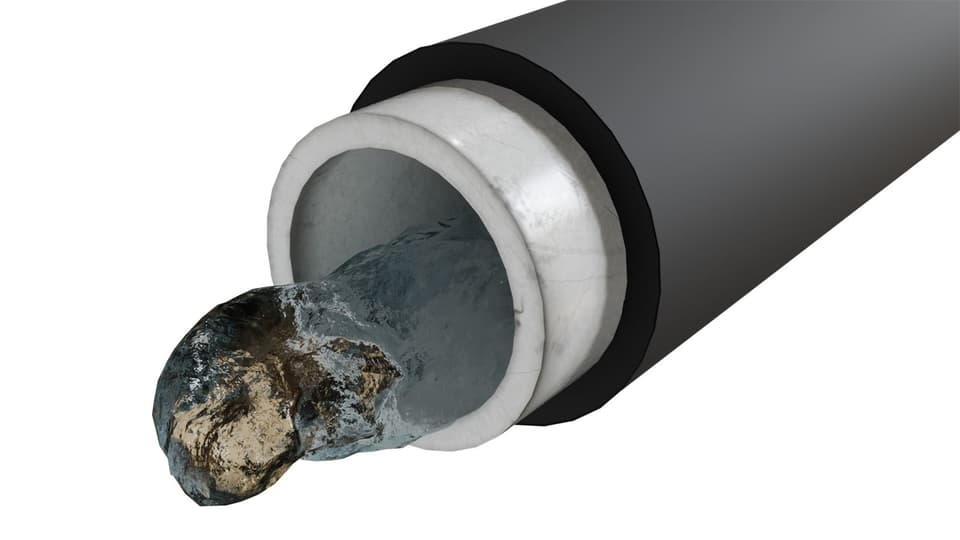
In many raised homes, supply lines, drain lines and the connections under sinks, tubs and toilets all run through the crawl space. A slow leak can keep the soil wet for months without anyone noticing upstairs. A failed line can pool water even in the driest months. Irrigation lines and sprinkler heads close to the house can add water too.
Groundwater Seepage
After long or heavy rain, the soil around and under a house can become saturated. Water can then seep up through the crawl space floor or through the foundation, even when nothing is pooling outside. Groundwater seepage often shows up as dampness spreading across the soil instead of a stream coming from one side.
Humid Air and Condensation
Not all crawl space moisture arrives as liquid water. Warm, humid air can enter through open vents and condense on cooler surfaces such as pipes, ducts and framing. Dampness with no visible water source often points to air and condensation instead of a leak. Our page on moisture in a crawl space explains how that dampness builds up.


How Can You Tell Where the Water Is Coming From?
The timing and location of the water usually point to the source. You do not need special tools to notice these patterns, and writing them down helps whoever evaluates the crawl space.
- Water that appears during or right after rain, then dries in dry weather, usually comes from roof runoff, grading or surface water.
- Wet areas that line up with downspouts, or with a gutter that overflows, point to roof water.
- Water that stays, or appears, during dry weeks suggests a plumbing leak, irrigation or groundwater.
- Dampness on one side of the house, especially the uphill side or the side facing a neighbor’s yard, suggests water moving across the lot.
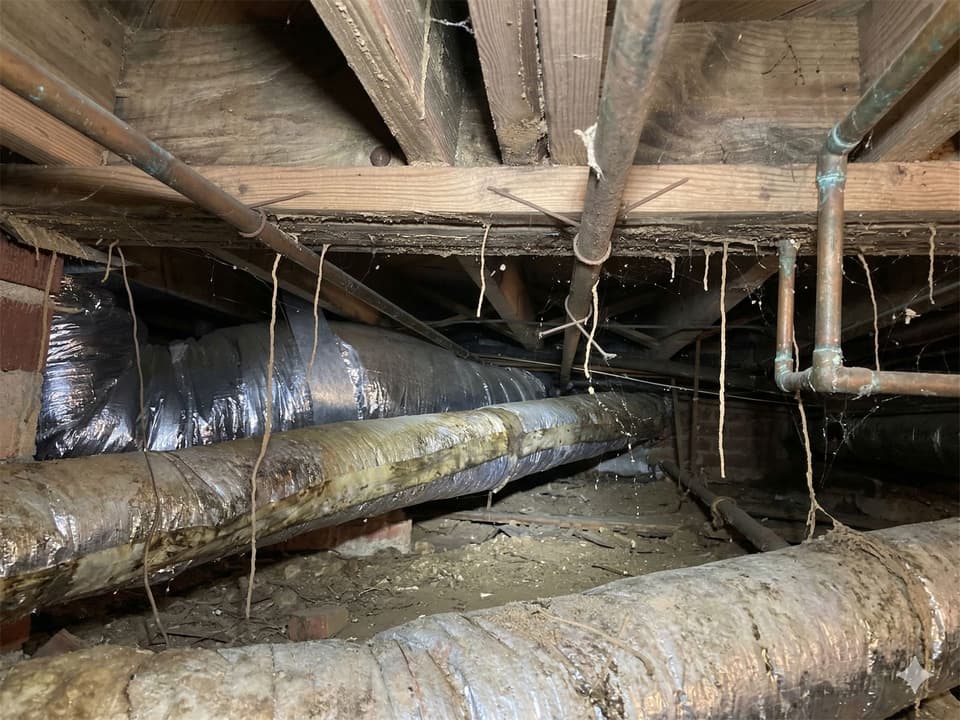
- Damp framing, sweating pipes or droplets on ducts with no puddles below suggest humid air and condensation.
- Water lines or stains on posts and piers show that water has risen to that height more than once.
These clues narrow the search, but they do not prove a cause on their own. Several sources often overlap, so an evaluation that traces each water route is the reliable way to know.
What Are the Signs of Water in a Crawl Space?
You often notice a crawl space water problem from inside the house before you ever look underneath. These signs can point to water under the house, though each one can have other causes too.
- A musty or earthy smell on the first floor, often stronger after rain. Our page on musty odors in the home covers this sign.
- Floors that feel soft or bouncy, or that dip in one area.
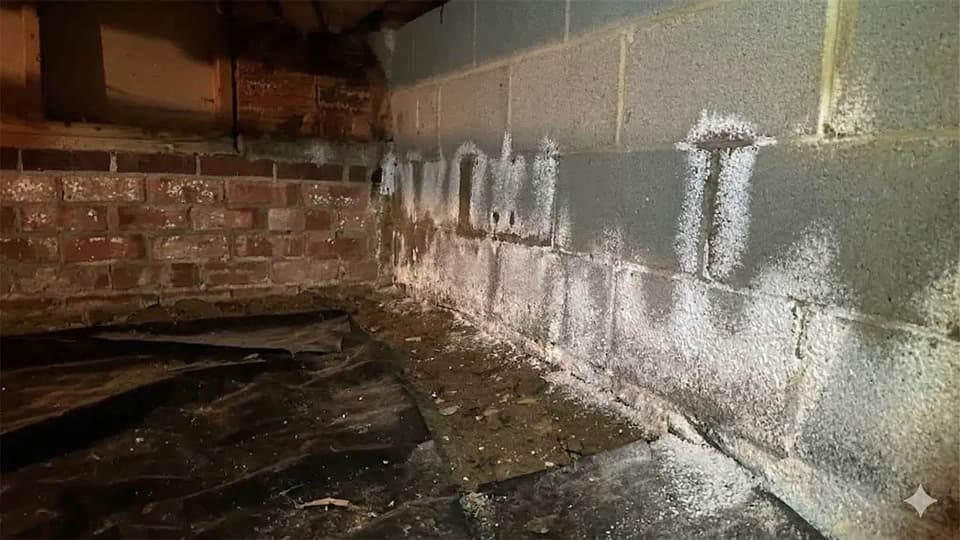
- Water lines, dark staining or white, chalky deposits on concrete and block.
- Damp or muddy soil under the house days after a storm.
- Mold on framing or on the underside of the subfloor, which shows that moisture has been present for a while.
- Rust on metal connectors, nails or pipe hangers.
The white deposit is called efflorescence. It can form when water moves through concrete or block and leaves minerals behind as it dries. It is a sign that water has passed through the wall, even if the wall looks dry today.
What Can Water Do to the Structure Under Your House?
Water under a raised house matters because the floor above sits on supports that rest on the soil. When that soil stays wet, the supports can lose ground. Here is how that tends to happen:
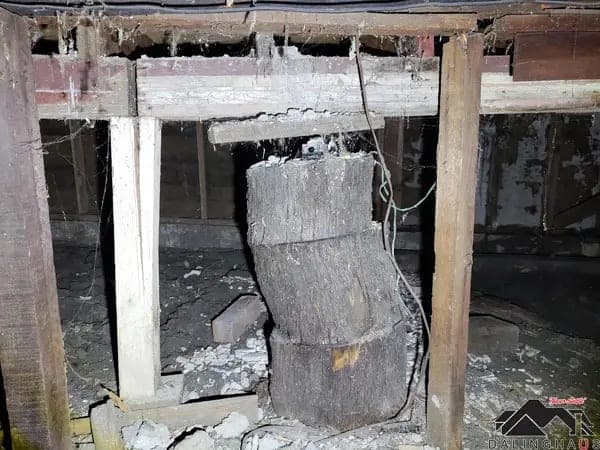
- Wood posts that stand in water can wick moisture up and begin to rot at the base.
- Concrete pads and footings can settle when the soil beneath them stays saturated. Our crews have seen pads washed out by water and drainage leaks over the life of a home. Once those bases are undermined, floors can start to sag or feel bouncy.
- Stem walls can absorb moisture over time, and the steel inside them can corrode.
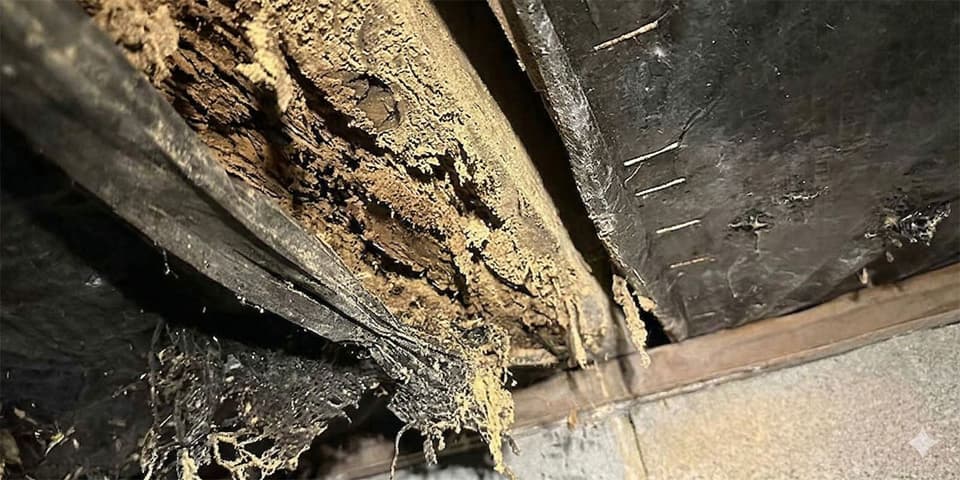
- Girder beams and floor joists that stay damp can rot, which weakens the floor system they carry.
Our team has found that most of the structural crawl space repairs we perform started as water problems. If the floors above a wet area have started to dip, our page on sagging floors over a crawl space explains the usual causes.

What Can You Check Yourself Before Calling a Contractor?
Some of the most common causes can be spotted from the yard. A walk around the house during or just after a rain is often the most useful look you can take.
Outside the house:
- Check that gutters are clear and are not overflowing at the corners.
- Look at where each downspout ends, and note any that empty right next to the foundation.
- Watch which way water flows across the yard and whether it collects against the house.
- Check planters, flower beds and soil piled against the foundation walls.
- Look at sprinkler heads and irrigation lines near the house for overspray or leaks.
- Look at the foundation vents and the access door for gaps, damage or openings close to the ground.
Under the house:
If you can see in from the access opening, look for standing water, damp soil, water lines on posts and staining on wood. Photos help. A wet crawl space is cramped and can hide hazards, so many homeowners leave the full crawl through to a professional.
Simple fixes, such as clearing a clogged gutter or turning a sprinkler head away from the wall, are worth doing first. If water keeps coming back after those changes, the cause is likely larger than one gutter or one sprinkler.
How Do You Stop Water in a Crawl Space?
The fix that lasts depends on where the water comes from. Dalinghaus follows a set order: find the water routes, stop water outside the house, close the openings in the perimeter, manage any water that still reaches the crawl space, then repair damage and check the result. Pumping out standing water removes what you can see, but it does not close the route the water took to get there.
Step 1: Find Every Water Route
A specialist inspects the crawl space, documents moisture and damage, traces where water enters, and puts the findings in writing. Scope and cost are set before any work begins. Our crawl space inspection page describes what the specialist looks at.
Step 2: Stop Water Outside the House
Exterior work usually handles most of the water supply, so it comes first.
- Downspout extensions carry roof water to a discharge point downhill of the foundation, so it no longer soaks the soil beside the crawl space. Our page on extending downspouts away from the house shows how they work.
- Grading corrections reshape ground that slopes toward the house so storm water runs away from it.
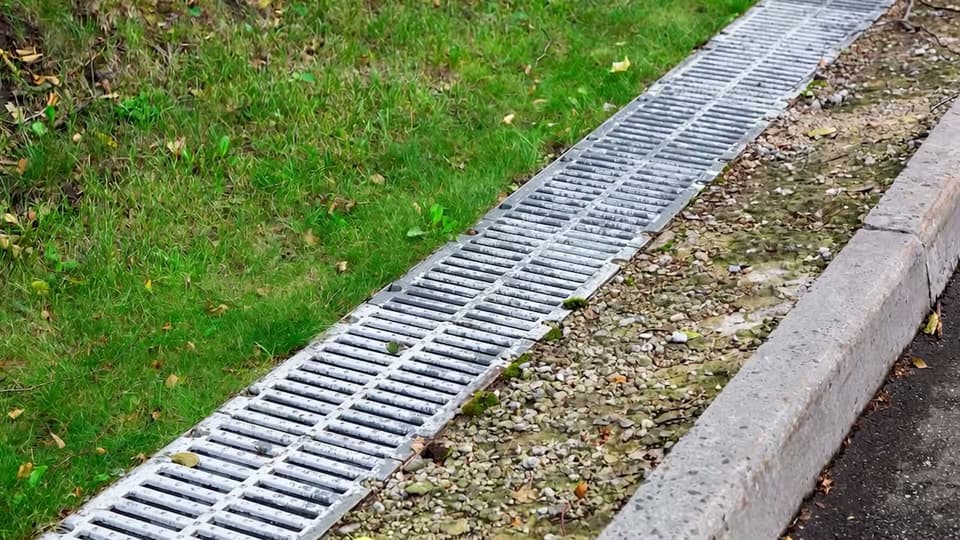
- Surface drains catch storm water at ground level and carry it away from the foundation. They suit water running across the surface. They are not designed for water rising from below. Read more about surface drains for storm water.
Step 3: Close the Openings in the Perimeter
Vent covers close the foundation vents that let in rain or humid air, while vents needed for airflow stay open. A fitted access door replaces a loose or damaged panel. Together they close the openings that let water and damp air in. Our page on crawl space vent covers explains which vents get covered.
Step 4: Manage the Water That Still Gets In
Where water still reaches the crawl space floor, drainage matting can be laid on the soil. It channels the water to a collection point so it does not pool under the supports. It is added only where conditions call for it.
Step 5: Repair Damage and Check the Result
Supports damaged by moisture are repaired, and the system is checked to confirm it moves water the way it was designed to.
We call this mix of drainage, closed openings and airflow controlling crawl space moisture. It is part of our crawl space waterproofing service, and every home gets a different combination. A crawl space with one problem downspout may need a single extension. A hillside home with water crossing the lot may need grading, surface drains and vent covers together.
What If Water Has Already Damaged the Supports?
Drying the crawl space stops the damage from getting worse, but it does not restore wood that has already rotted or pads that have already settled. That takes structural repair, planned alongside the water work. Depending on what the evaluation finds, the repair can include:
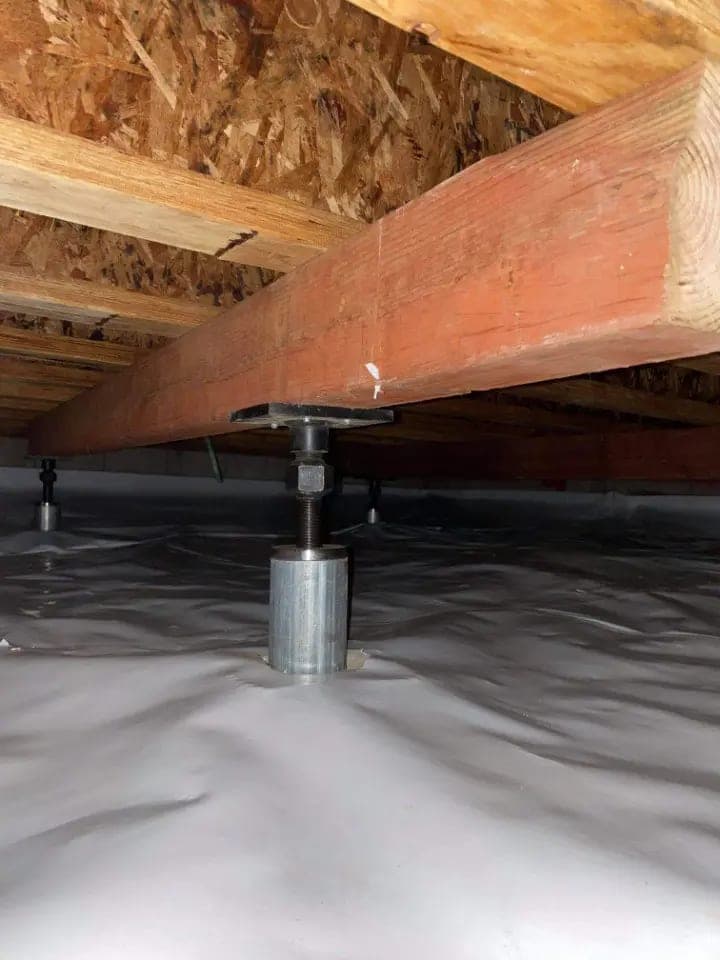
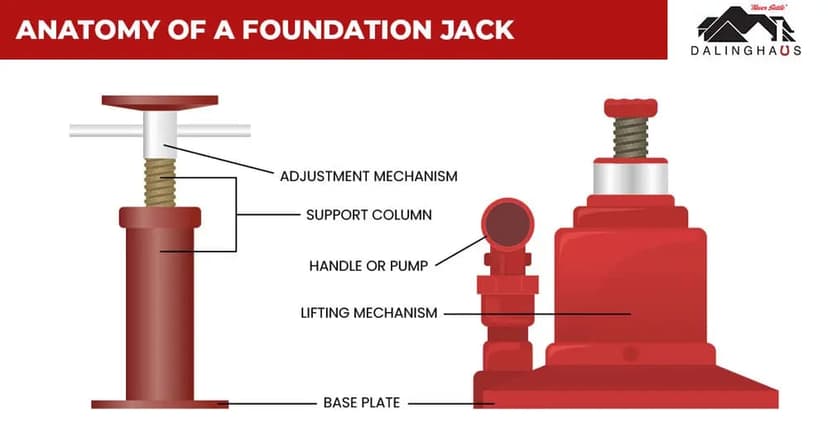
- Crawl space jacks, which are adjustable steel supports set under the floor system where posts or pads have failed.
- Post and pad replacement, where old posts and pads are removed and new ones are set and secured to the existing girder beam.
- Stem wall repair where the wall around the crawl space has cracked or deteriorated.
- Broader crawl space structural repair when beams or framing need reinforcement.
The order matters here too. Repairing supports while water keeps reaching them leaves the new work sitting in the same conditions that damaged the old work. That is why our team plans the water work and the structural work together.
How Do You Keep a Crawl Space Dry After the Repair?
Drainage work keeps doing its job only when the parts outside the house stay in good shape. These habits help any home with a crawl space:
- Keep gutters clean and in good working order.
- Keep downspouts directed a good distance away from the foundation.
- Maintain positive drainage, meaning the ground keeps sloping away from the house.
- Keep sprinklers aimed away from the foundation walls, and fix irrigation leaks when you find them.
- After the first big storm of the season, check that water is flowing where it should.
- Watch for changes, such as a musty smell coming back, new puddles or floors that feel different.
Many homeowners find that a yearly look under the house catches changes early, before small problems grow.
What Happens During a Crawl Space Evaluation With Dalinghaus?
When you contact us, our scheduler asks a few questions to make sure your problem is one we can help with. If it is, a specialist visits your home.
During the visit, the specialist asks what you have noticed and why you called, then looks at the foundation inside and out. In a crawl space, that includes checking for water, visible mold and wood rot, and looking at how water drains around the house. Most inspections take one to two hours.
If the specialist finds a problem, you receive a written report describing it, the recommended repairs and a cost estimate. If the crawl space only shows brief dampness that dries quickly, the findings say so and recommend watching it.
The evaluation is free for homeowners. A fee applies when the home is listed or in escrow and the person requesting the visit is not the homeowner, so ask about the current fee when you book. Warranty terms come in writing with each proposal, and financing is available.
Dalinghaus has served homeowners since 2011 and has completed more than 2,000 foundation projects across Southern California, Arizona and Nevada.

Frequently Asked Questions
Is It Normal to Have Water in a Crawl Space After Rain?
A little dampness that dries out quickly after a storm can happen, and it does not always mean something is wrong. Standing water is different. Pooled water under a house usually means drainage has failed somewhere, and it is worth finding out why.
How Can I Keep Water From Collecting in My Crawl Space?
Most crawl space water comes from outside the house, carried in by roof runoff, the slope of the yard or storm water moving across the lot. Keep gutters clean and in good working order. Keep downspouts directed a good distance away from the foundation. Maintain positive drainage, meaning the ground keeps sloping away from the house.
What Are the Signs of Water Damage in a Crawl Space?
You often notice a crawl space water problem from inside the house before you ever look underneath. A musty or earthy smell on the first floor, often stronger after rain. Floors that feel soft or bouncy, or that dip in one area. Water lines, dark staining or white, chalky deposits on concrete and block.
Can Water in a Crawl Space Cause Sagging Floors?
Water under a raised house matters because the floor above sits on supports that rest on the soil. When that soil stays wet, the supports can lose ground. Our crews have seen pads washed out by water and drainage leaks over the life of a home. Once those bases are undermined, floors can start to sag or feel bouncy.
Schedule a Free Evaluation for Water in Your Crawl Space
If you have found water under your house, or you notice a musty smell or floors that feel different, a specialist can trace where the water comes from and explain what it will take to stop it. Schedule a free evaluation with Dalinghaus Foundation Repair to get written findings and a clear plan for your crawl space.
Next Step
Schedule a Free Evaluation
A local specialist will evaluate your foundation, walk you through the findings, and send a clear estimate. No cost, no pressure.
Learn more about our crawl space repair services.
Found this useful? Share it with someone working on their home.
Written by
Brian Dalinghaus
Co-Founder, Dalinghaus Foundation Repair
Brian Dalinghaus founded Dalinghaus Foundation Repair with his brother Brad in Southern California in 2011. The brothers built the company on a Midwest work ethic and a single standard for every job: Never Settle.
More about Brian
Let's take the first step toward solid ground.
A local specialist will evaluate your foundation, walk you through the findings, and send a clear estimate. No cost, no pressure.