What is concrete leveling, and when does your home need it?
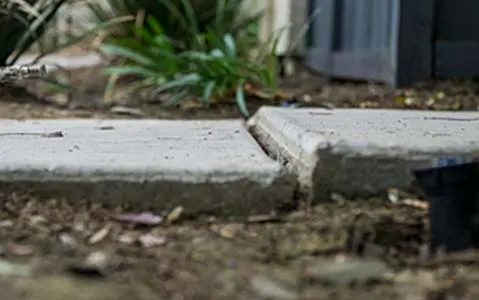
Concrete does not sink on its own. It follows the soil underneath it, and across Southern California, Arizona, and Nevada that soil rarely holds still. Expansive clay swells with winter rain and shrinks through the long dry months. Runoff from a roof line, a cracked irrigation line, or an Arizona monsoon storm carries fines out from under a slab edge. Fill placed during construction compresses the first time it gets properly wet. Each of those leaves a void, and concrete is poor at bridging a gap, so the slab drops into whatever space the ground gives it.
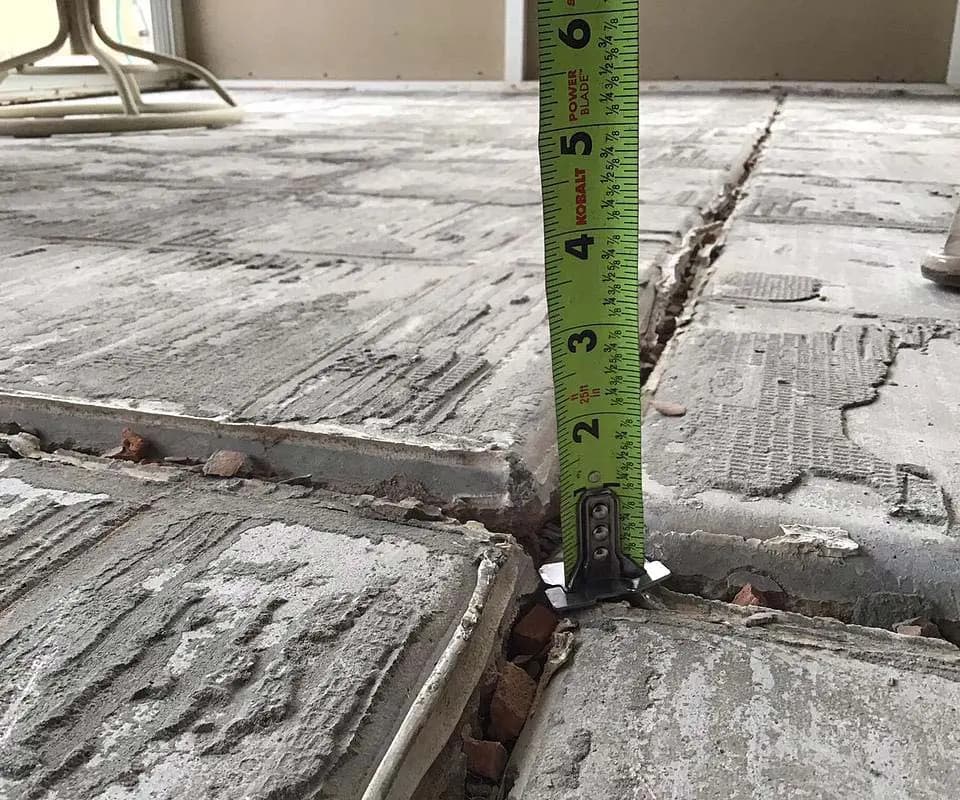
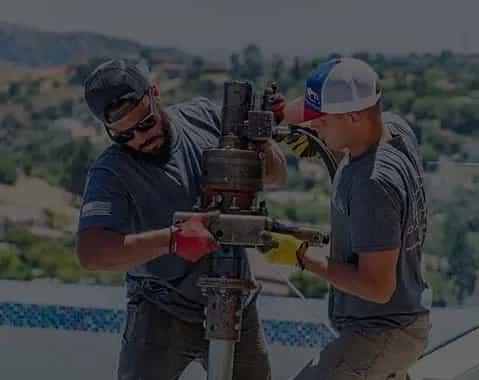
Concrete leveling puts that slab back where it was poured, without tearing anything out. We drill holes about five eighths of an inch across through the low sections and inject a two part expanding polyurethane resin beneath them. The foam fills the void first, presses into the loose soil at its edges, and only then begins raising the concrete, in small shots with elevations checked between each one so the lift stops at grade rather than past it. The material reaches working strength in minutes, the holes are patched, and most surfaces are back in normal use the same day.
Weight is why we lift with foam. Cured polyurethane weighs roughly three to four pounds per cubic foot, against about 150 pounds per cubic foot for the cement slurry that traditional mudjacking pumps under a slab. Foam restores support without adding load to ground that already failed under the load it had, and it is water resistant, which matters when water is what caused the void. The umbrella term for lifting a slab with either material is slab jacking. Dalinghaus uses polyurethane, and the soil reading decides whether a lift is the right repair for your concrete.
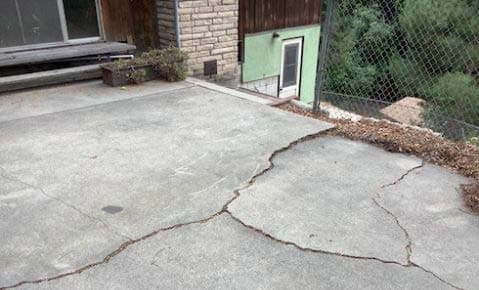
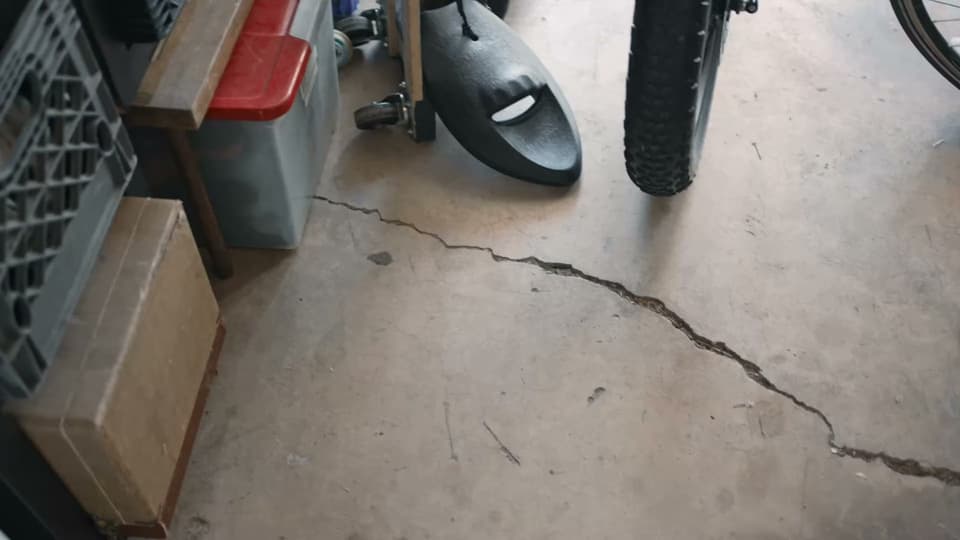
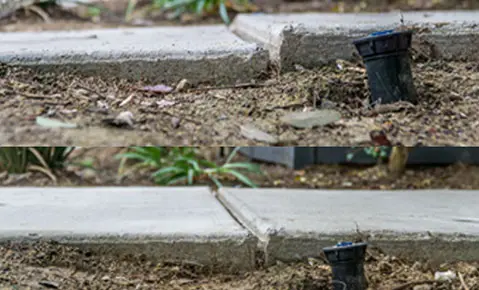
We level driveways, sidewalks, patios, pool decks, garage floors, and settled steps for homeowners and commercial property owners across all three states. The symptom you noticed is usually enough to start the conversation: a driveway panel sitting low, a walkway lip that catches a toe, a pool deck pulling away from the coping, a garage floor parting company with the slab outside it. The rest of the patterns we see are collected on the concrete leveling problem signs page.
Lifting restores a sound slab to a failed base. It cannot restore a failed slab. Concrete broken into several small pieces no longer acts as a unit, so foam underneath pushes fragments around instead of raising a surface, and we say so in the written findings rather than sell a lift that will not hold. The opposite honest answer exists too: a thin, uniform hairline crack with no offset and no elevation change is usually curing shrinkage, which belongs with concrete repair and sealing rather than with a lift.
Dalinghaus Foundation Repair has completed more than 2,000 projects across California, Arizona, and Nevada since brothers Brian and Brad Dalinghaus founded the company in 2011. Every leveling project starts the same way: a free evaluation that measures elevations across the slab, traces the void, identifies what moved the soil, and puts the honest options in writing, including the option to measure again next season instead of repairing today.