CH 01
What commercial buildings hide, and where to look first
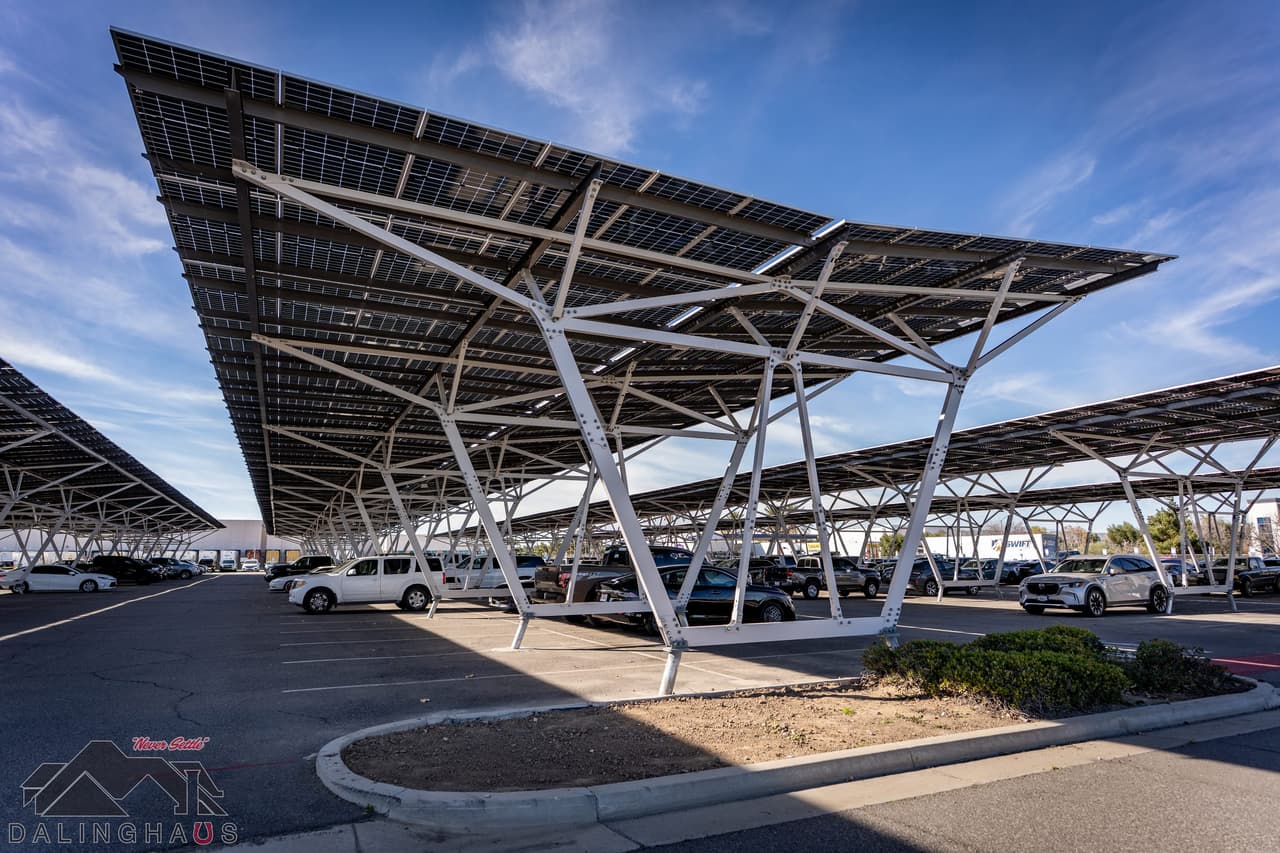
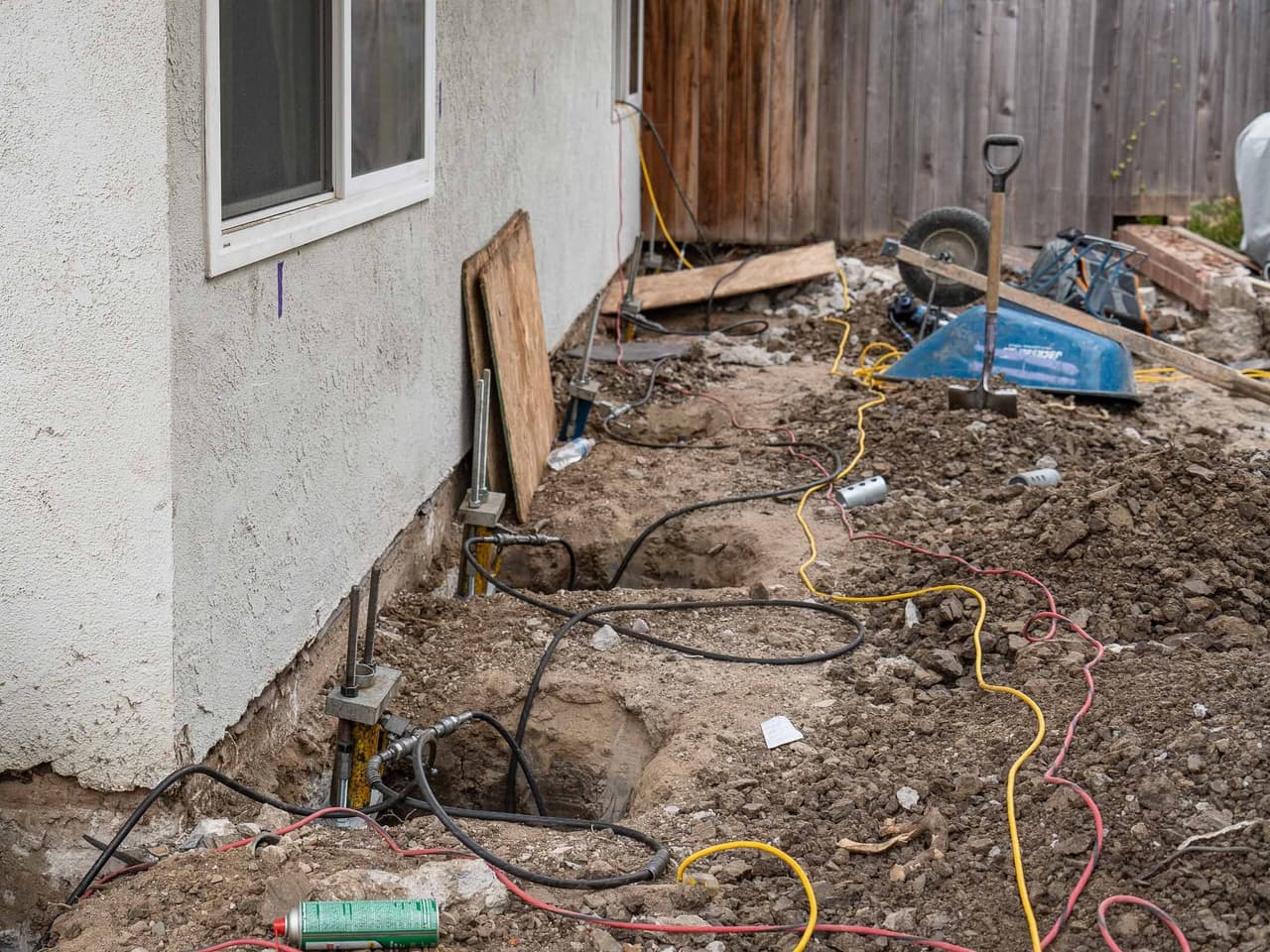
Commercial buildings absorb foundation symptoms into their maintenance budgets. A dip in a warehouse floor gets blamed on wear, a rack of doors gets adjusted, a widening expansion joint gets caulked, and the settlement underneath continues on schedule. Tilt-up buildings are the signature case in our region: the panels and footings commonly stay sound while the interior slab settles under forklift traffic and racking loads, especially over sub grades that were never compacted for the loads they now carry.
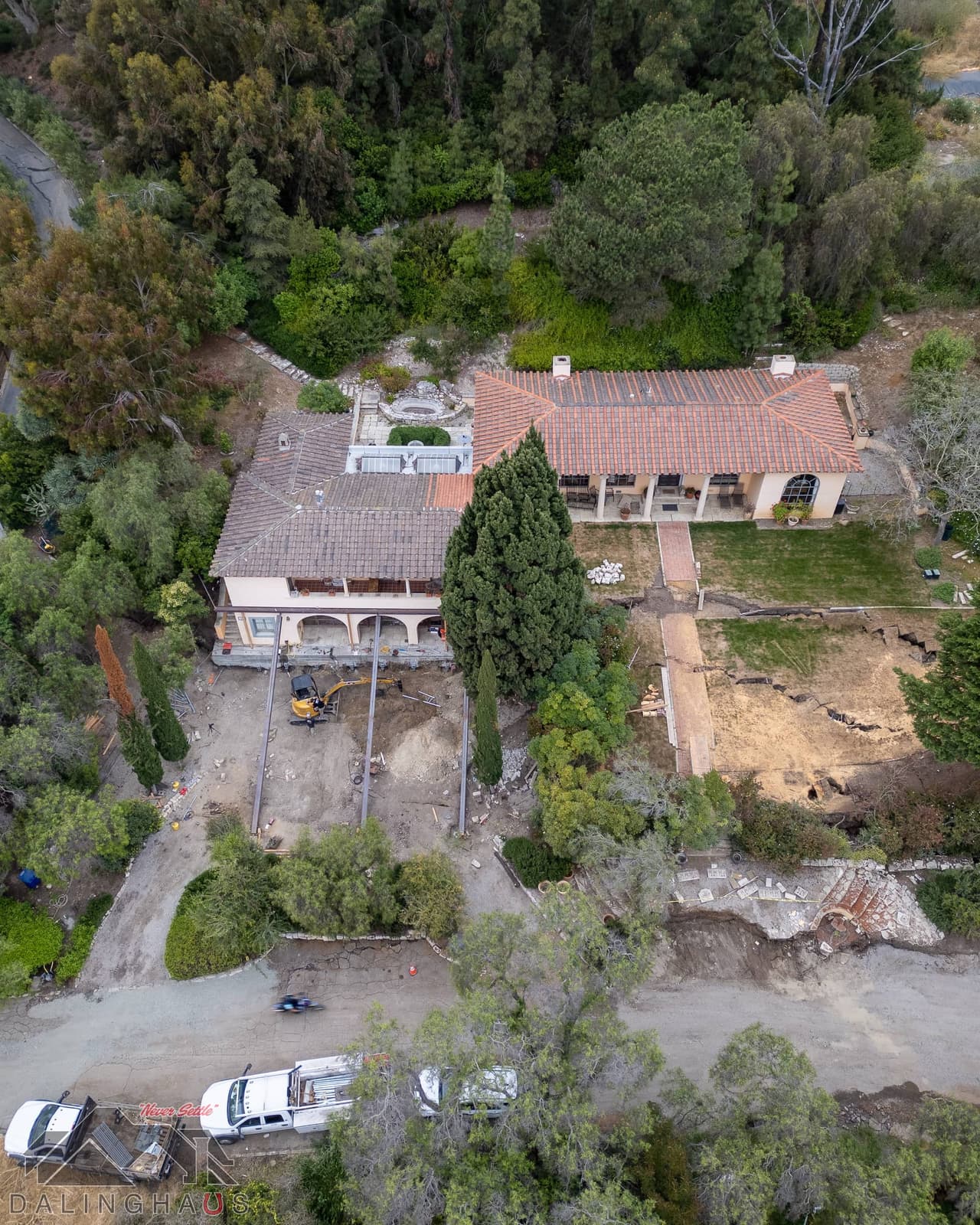
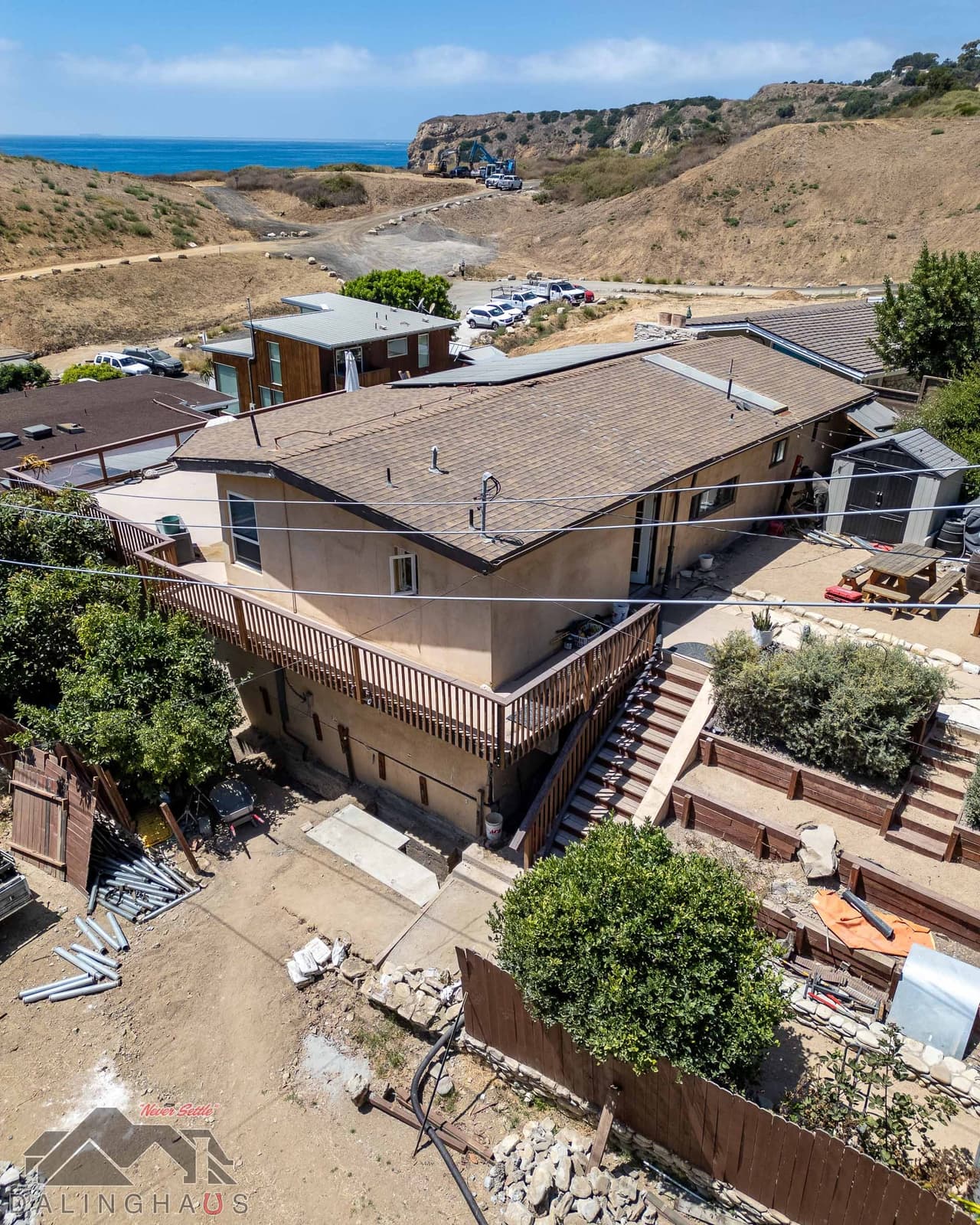
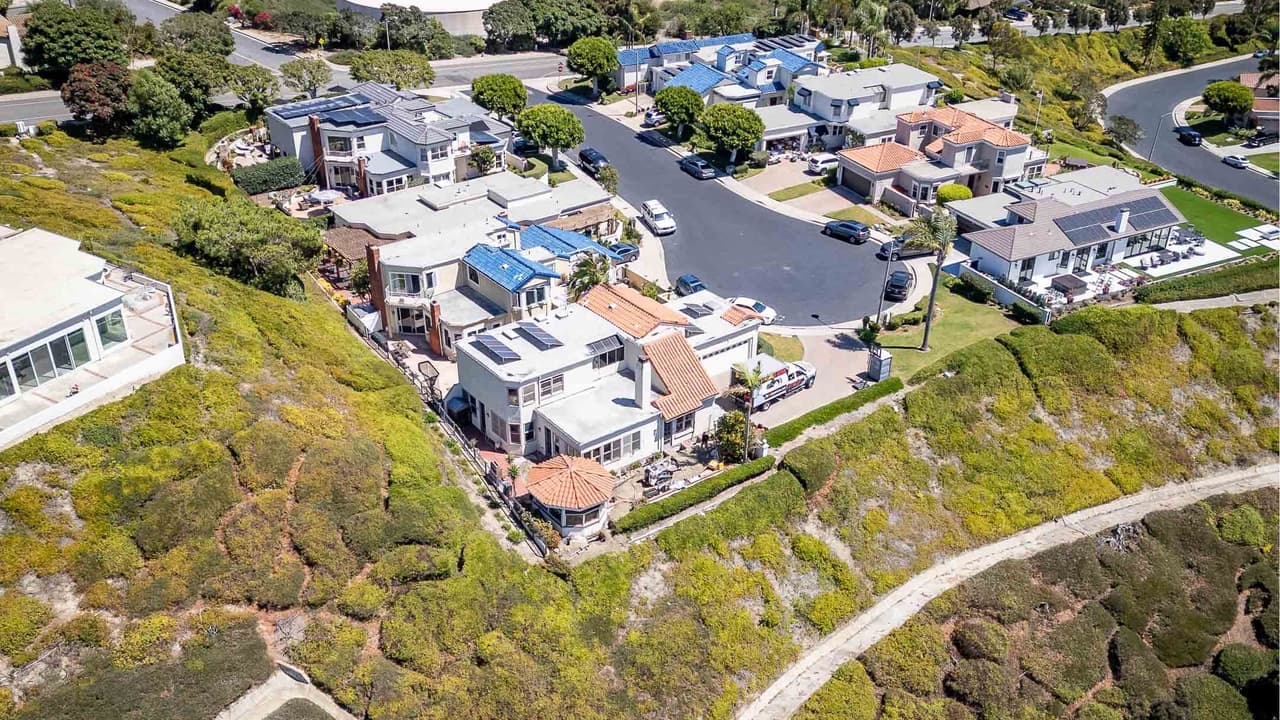
Office, retail, and multi unit residential buildings show a different mix, perimeter settlement, finish cracking, doors racking in one wing, separations at wall and floor lines. In every case the foundation repair warning signs cluster where the loads and the water are, which is where a measured inspection starts.
CH 02
What the inspection involves around a working building
The visit is planned around tenants, traffic, and shift hours. We walk the property with you or your manager, photograph and catalog every visible symptom, and take elevation readings across the affected slab fields and structural lines, quantifying how much movement has occurred and exactly where. There is no drama and no disruption; most inspections happen with the building in full operation.
The deliverable is a clear digital report: photos, measurements, and plain language findings, written to support real decisions, a purchase, a lease negotiation, an HOA reserve study, or a capital repair budget. Where problems exist, the report includes repair options with costs and sequencing, phased around operations, and because Dalinghaus also performs the commercial foundation repairs, the path from finding to fix is one conversation rather than a referral chain.
CH 03
Due diligence and monitoring: the two smartest uses
Buyers and investors bring us in during due diligence because a quantified foundation finding either clears the building or reprices it, and both outcomes beat learning the truth after closing. Property managers and HOA boards use the same inspection on a recurring schedule, and repeated elevation rounds turn foundation performance into a data series: a building that reads the same year over year is stable, a building that reads lower along one column line each round is moving, and the trend line says how fast.
The honest outcome is part of the service in both cases. Stable readings, old finished movement, or damage that traces to a maintainable drainage issue earn a clean report and a monitoring interval, not a mobilization. The measurements decide, which is what a fiduciary needs on the record either way.