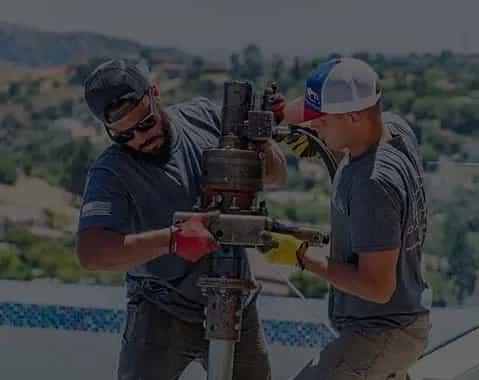
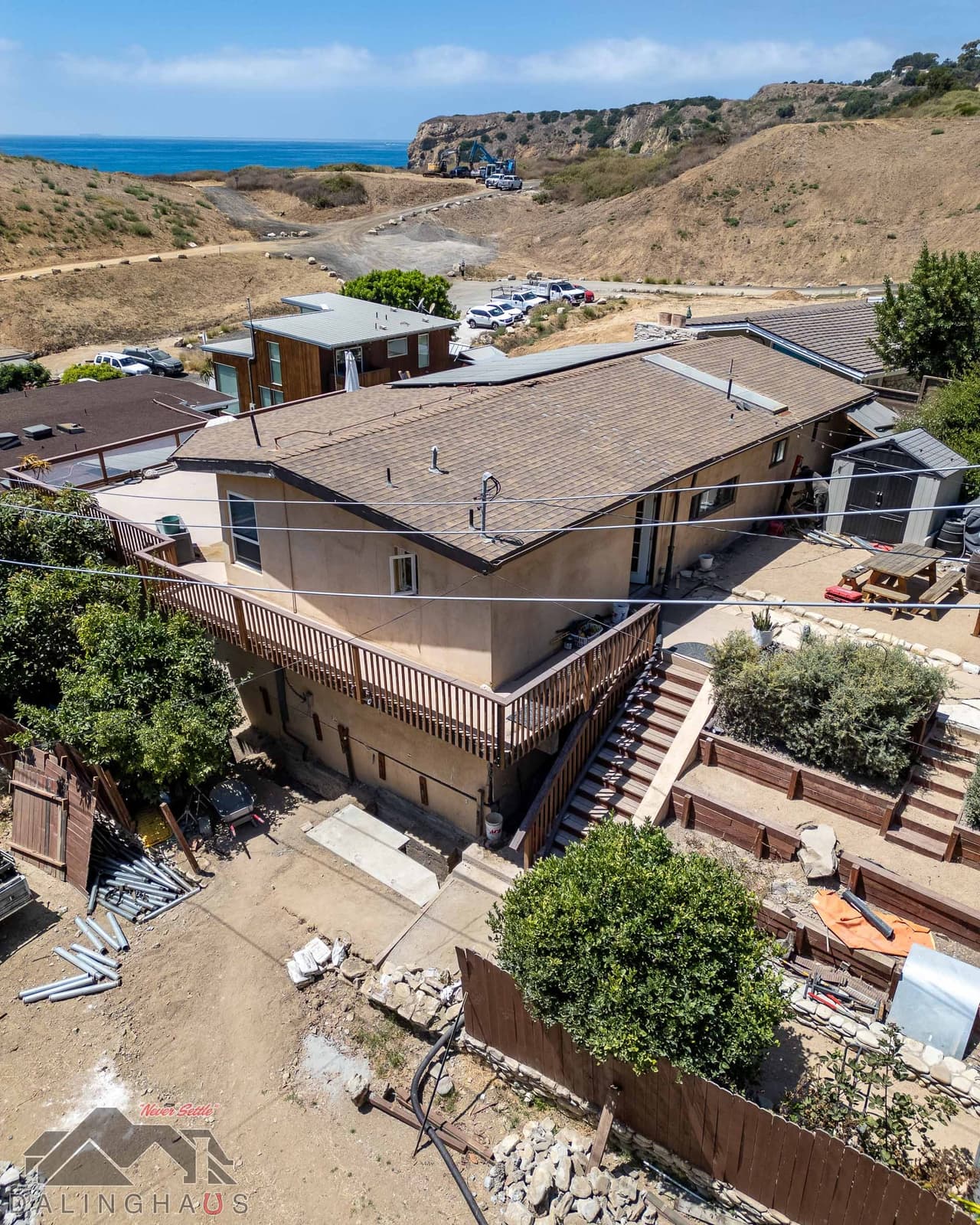
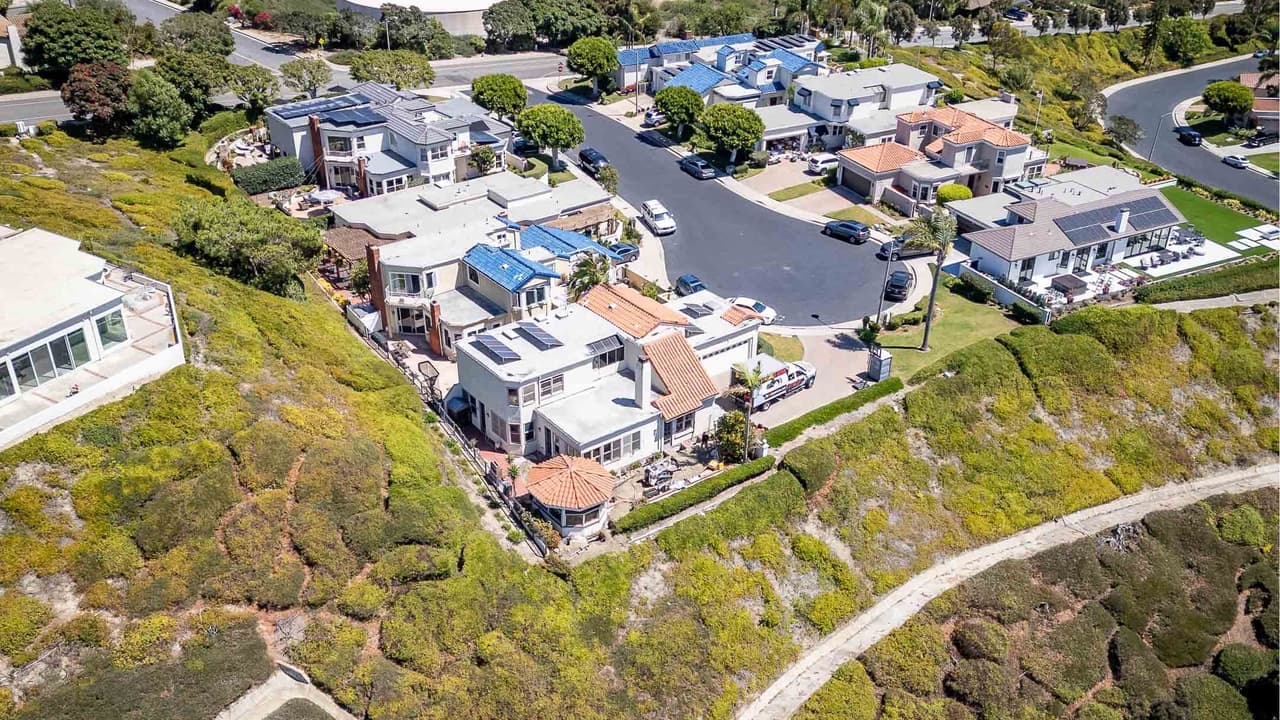
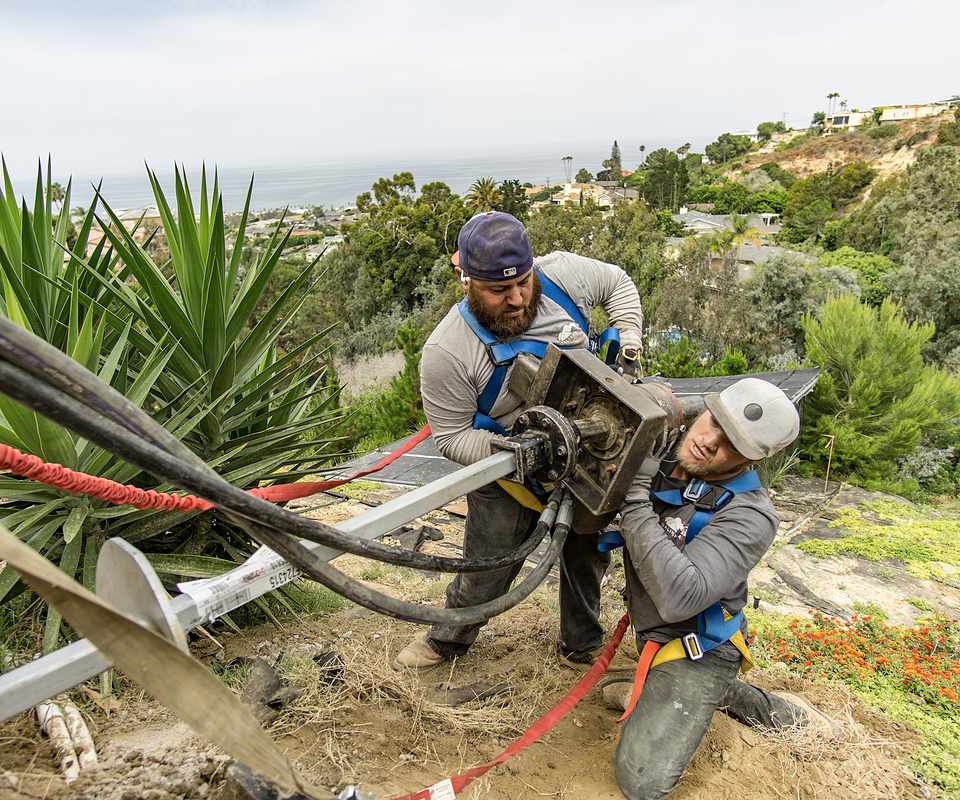
Dalinghaus Foundation Repair crew installing helical piers with a rotary drive head on a steep coastal hillside.
Hillside Repair · Since 2011

Slope stabilization that fits how your hillside was built.

Every slope is built differently. We match the method to yours, from retaining wall systems tied to piers and anchors to soldier piles and soil nailing.

Southern California · Arizona · Nevada Since 2011

Let's take the first step toward solid ground.

A local specialist will evaluate your foundation, walk you through the findings, and send a clear estimate. No cost, no pressure.

Licensed Contractor
1,000+ Google Reviews
CA Lic. #983851 · AZ ROC #330307 · NV Lic. #0089738

In Depth

What the full guide covers

Everything a homeowner should understand about this repair, written by the people who do it.

Read the full guideHide the full guide
CH 01

Why Do Hillside Slopes Move?

Every hillside moves a little, all the time. How much comes down to how the slope was built and what it is made of. Man made slopes are supposed to have their fill soil compaction tested as it goes in, and fill that was not compacted properly leaves the slope unstable from the start. Clay makes it worse, because it expands and contracts with moisture and turns slippery when wet.

Plants and drainage are the other half of the story. Roots weave the soil together and cut down on runoff during heavy rain. Drainage is critical to how long a slope lasts, which is why well built slopes carry catch basins and V shaped ditches that break up the water before it can wash the slope out. When those protections fall short, the movement shows up as warning signs around the house, such as leaning trees, tilting fences and walls, gaps in the concrete, and leaning deck posts. The full set is on our hillside problem signs page.

CH 02

What Are the Main Ways to Stabilize a Slope?

Once a slope is moving, the goal is to slow it down and then stop it. We do that with three families of methods: piers, piles and walls. Each works a different way, and each costs a different amount.

Retaining wall systems hold back the slope and the sideways push it puts on the wall. Soldier piles are large drilled concrete piles set tightly in a line through the fill and into dense native soil. Soil nails are grouted bars drilled into the hillside and tied together behind a concrete or shotcrete wall. Each is covered in more detail on the hillside repair solutions page.

CH 03

How Do Retaining Wall Systems Hold Back a Slope?

A retaining wall's job is to hold back the slope and the sideways load the slope puts on it. Walls can be built many ways. On a hillside we use piers, beams, helical piles and anchors together with the wall system, so the wall resists the sideways push and also gets support from below, which makes it less likely to settle downward.

When a slope already has a retaining wall, tiebacks can often be installed through the wall and anchored into the dense native soil behind the loose fill. That approach, the same one behind our retaining wall anchoring systems, costs far less than building a new wall. When a wall has been pushed too far to save, a new retaining wall with tiebacks is built to take the sideways soil load. A damaged wall with no moving slope behind it is retaining wall repair work rather than hillside work.

CH 04

When Do Soldier Piles or Soil Nails Make Sense?

Soldier piles are the heavy option. The piles are drilled through the fill that forms the slope and down into the dense native soil beneath it, and then soil is compacted back behind them. The method needs special drilling rigs and is costly, so it is matched to slopes that call for it. The soldier pile method page walks through the steps.

Soil nails are similar to helical tieback anchors, except that each nail is a drilled hole filled with grout. A single threaded bar is drilled into the hillside, then grout goes in to encase the bar and lock it in place. Once the grout hardens, it adds skin friction, the grip between the grout and the soil around it, which helps hold the nail. The nails are tied into a rebar cage or mat, and a concrete or shotcrete wall is built to tie them together. The soil nailing process page covers how an install runs.

CH 05

What If the House Is Moving Too?

A moving slope can carry more than the yard with it. As the ground shifts, it pulls everything built on it downhill, including patios, decks and sometimes the house. When the home is moving as well, tiebacks can be installed on its foundation to anchor it into the native soil and keep it from moving sideways, and helical piers or push piers carry the parts of the house that have settled.

A row of hillside townhouses in Chino Hills shows the pattern. The structure had settled as much as 7 inches and was moving sideways toward the slope. Our crew installed 33 helical piers around the perimeter and lifted it 6 inches, with helical tieback anchors planned for the sideways movement. The Chino Hills townhouse project has the photos.

CH 06

How Do We Choose the Right Method for Your Slope?

Every slope is built differently, so every stabilization plan is designed to fit the slope's current condition. Piers, piles and wall systems each have their own track record and their own cost, and the most expensive option is not always the better one. How far the slope has moved before anyone looks at it matters too. When movement is caught early, it may not have reached the house yet, which keeps the repair smaller.

It also matters which ground is moving. If the problem is the soil directly under the house rather than the slope, that is soil stabilization under a house. Slopes on commercial sites are covered by commercial slope remediation. For a home on a hillside, the first step is a free evaluation of the slope and the house together.

Why Choose Dalinghaus

Care and expertise from a team that's been doing this since 2011.

Work like slope stabilization is not a sideline for us. Dalinghaus crews handle hillside repair and related structural work across California, and nothing else.

01
Specialized expertise.

Foundation repair, concrete leveling, and crawl space repair are our entire focus. Not a sideline.

02
Locally owned since 2011.

More than 2,000 projects on the clay and desert soils of California, Arizona, and Nevada since 2011.

03
Licensed in California, Arizona and Nevada.

CSLB License #983851 in California, ROC #330307 in Arizona, and License #0089738 in Nevada. Look us up with the state before we ever set foot on your property.

04
Warrantied solutions.

Warranty terms come in writing with every proposal, and the terms that apply to your job are stated in that job's paperwork. Ask your project specialist during the free evaluation.

Brian Dalinghaus, co-founder of Dalinghaus Foundation Repair
Brian Dalinghaus CO-FOUNDER · SINCE 2011
Brad Dalinghaus, co-founder of Dalinghaus Foundation Repair
Brad Dalinghaus CO-FOUNDER · SINCE 2011
Recent work

Projects from your neighborhood

[ 01/05 ]
Commercial Helical Piles
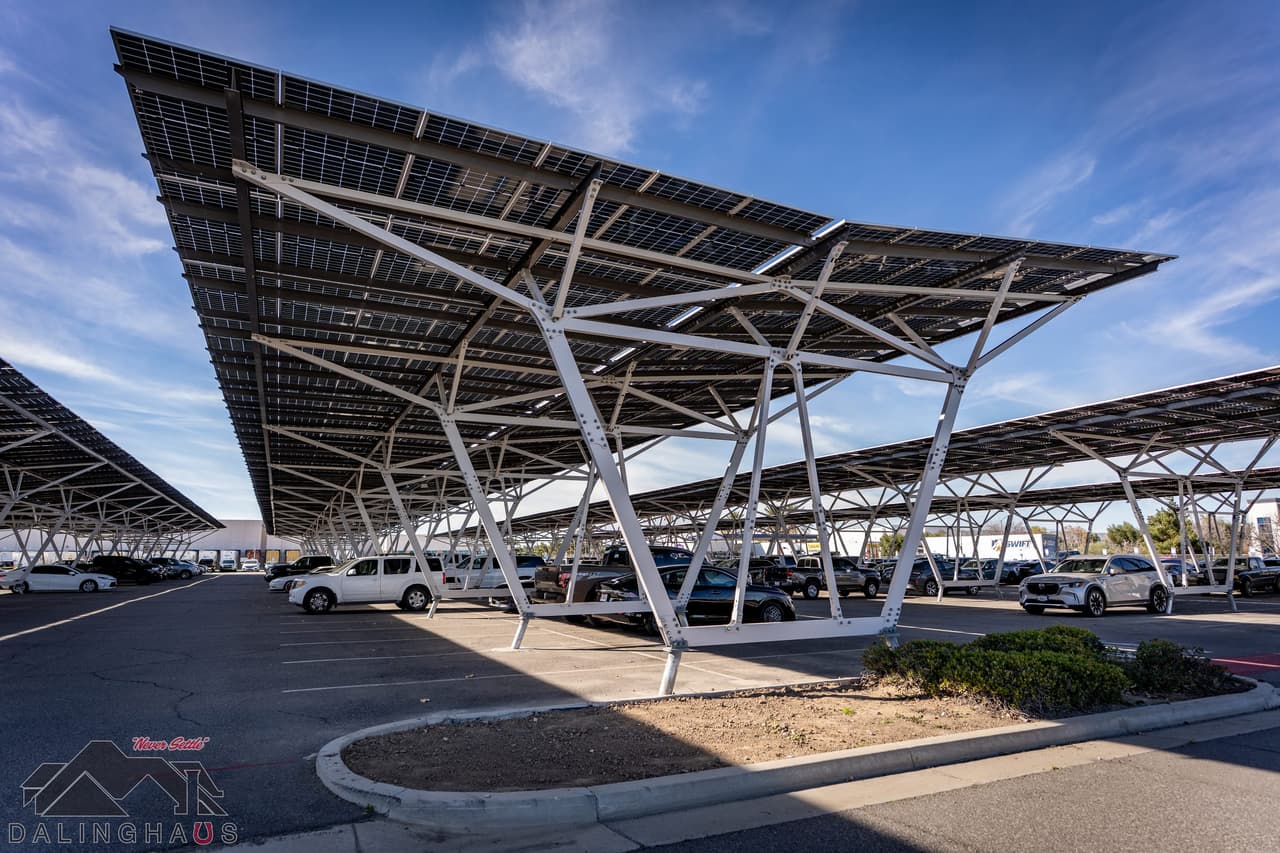
Helical pile foundation for a solar canopy in Southern California
Southern California

Helical pile foundation for a solar canopy in Southern California

Helical PilesPull Testing

Dalinghaus installed the helical pile foundation and erected the structure for a solar canopy over a staff parking lot in Southern California, working in four phases so the lot stayed open.

Show project
Foundation Repair
Lifting a settled Irvine home 3 inches with helical piers
Irvine, CA

Lifting a settled Irvine home 3 inches with helical piers

Helical PiersHydraulic Lift

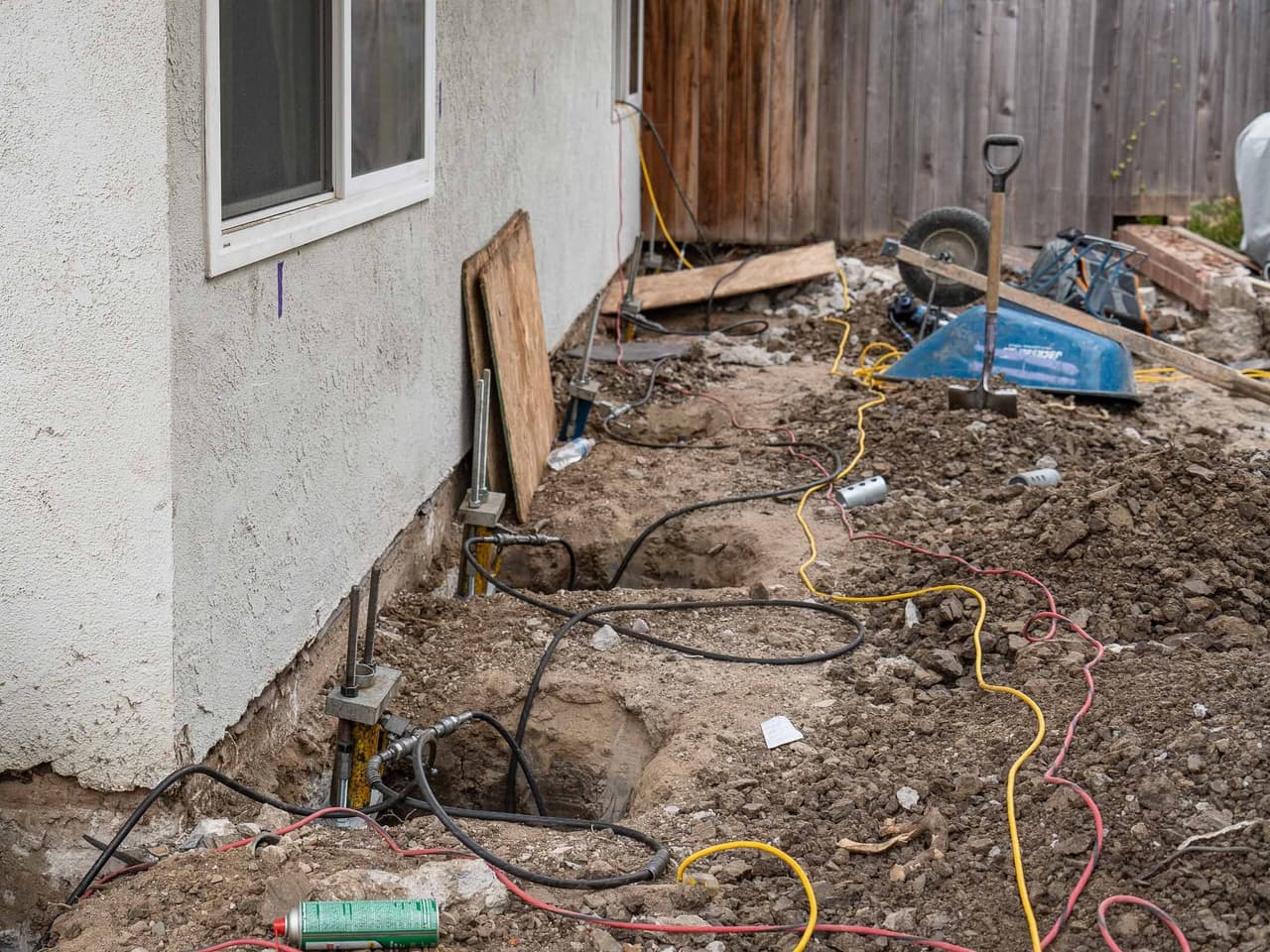
The back of an Irvine home had settled about 3 inches over roughly ten years. Ten helical piers went in over two days, and a 30 minute lift brought the back half of the home up 3 inches.

Show project
Foundation Repair
Helical piers to bedrock under a Rancho Palos Verdes home caught in a landslide
Rancho Palos Verdes, CA

Helical piers to bedrock under a Rancho Palos Verdes home caught in a landslide

Helical Piers

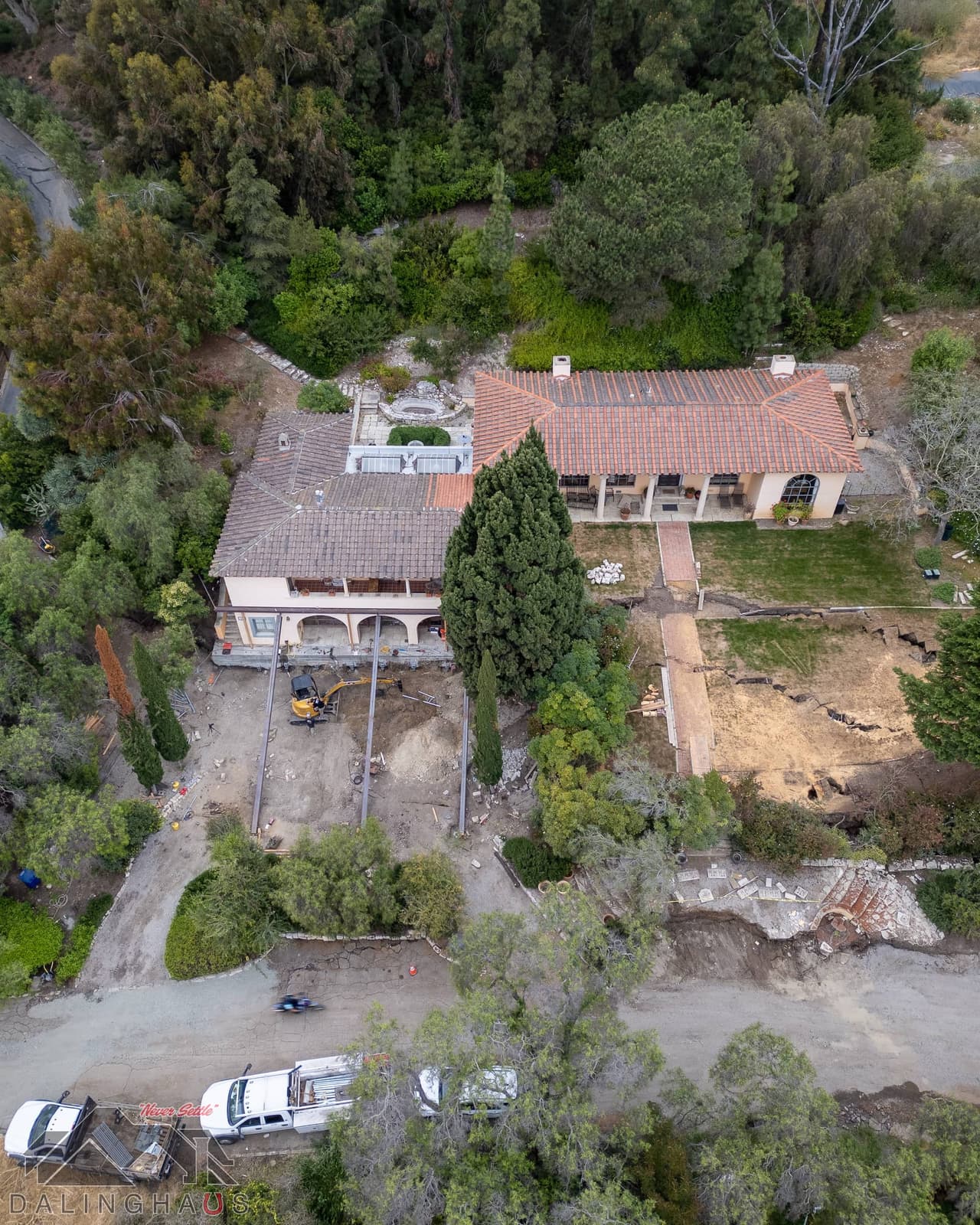
A hillside home in Rancho Palos Verdes split in half as the ground slid toward the slope. Dalinghaus installed helical piers about 30 feet down to competent strata or bedrock beneath it.

Show project
Foundation Repair
Steel piers for a Rancho Palos Verdes home that settled 16 inches
Rancho Palos Verdes, CA

Steel piers for a Rancho Palos Verdes home that settled 16 inches

Steel PiersFoundation Stabilization

A beachside home in Rancho Palos Verdes settled 16 inches in a couple of months. Steel piers were driven to load bearing soil or bedrock at each excavated location, with a lift planned once they were in.

Show project
Foundation Repair
Lifting a San Clemente hillside home that settled 2 inches
San Clemente, CA

Lifting a San Clemente hillside home that settled 2 inches

Helical PiersHelical Tieback Anchors

A San Clemente hillside home had settled about 2 inches and was moving toward the slope behind it. Vertical helical piers and helical tieback anchors stabilized the home and recovered part of the drop.

Show project
Frequently Asked Questions

Answers to common questions about Slope Stabilization.

Don't see your question here? Our team is happy to help. Reach out anytime.

Slope stabilization is the work of slowing down and stopping a moving slope. On a residential hillside that usually means retaining wall systems tied to piers, helical piles and anchors, soldier piles drilled into dense native soil, or soil nailing. The method is designed around how your slope was built and how far it has already moved.

Pricing & Scope

Honest pricing & honest limits

Every slope is different, so there is no price range to publish here. A free on-site evaluation is required for a written estimate that reflects your specific scope, access, and conditions.

How pricing works

Slope stabilization methods vary widely in cost, and the price follows the design for your slope. Your written estimate comes from the free evaluation.

When this isn't the right fix

If the movement is in the soil directly under the house rather than in the slope, slope work is the wrong tool, and soil stabilization or piers under the home fit better. The evaluation tells you which one applies.

Why our estimates are honest

Licensed California contractor, CSLB License #983851.

The Process

How we approach Slope Stabilization

A straightforward path from free evaluation to completed repairs.

Step 01

Free evaluation

A specialist looks at the slope, the retaining walls on it and the house, and notes where the signs of movement are.

Step 02

A design that fits the slope

The method is chosen for how the slope was built and how far it has moved: a retaining wall system, soldier piles or soil nailing.

Step 03

Written estimate

You get the scope and the price in writing before any work starts.

Step 04

Installation

Our crew installs the system, whether that is drilling piles or soil nails or tying piers, helical piles and anchors into a retaining wall.

Customer Reviews

More than 1,000 Google reviews across our offices, averaging 4.9 stars.

Before you choose a hillside repair contractor for slope stabilization, read how homeowners across California rate our work.

Free Evaluation

Start with a free evaluation.

Share a few details and a local specialist will follow up as soon as possible to set your evaluation.

What to expect
  • A local foundation specialist on site
  • A complete walk-through of the findings
  • A clear written estimate at no cost
  • No obligation, no pressure
Prefer to call
877-360-9227
Southern California · Arizona · NevadaSince 2011
Dalinghaus Foundation Repair

Let's take the first step toward solid ground.

A local specialist will evaluate your foundation, walk you through the findings, and send a clear estimate. No cost, no pressure.

Licensed Contractor
1,000+ Google Reviews
CA Lic. #983851 · AZ ROC #330307 · NV Lic. #0089738

Not sure your home needs slope stabilization?

A free evaluation answers every hillside repair question: one visit, clear findings, written estimate.