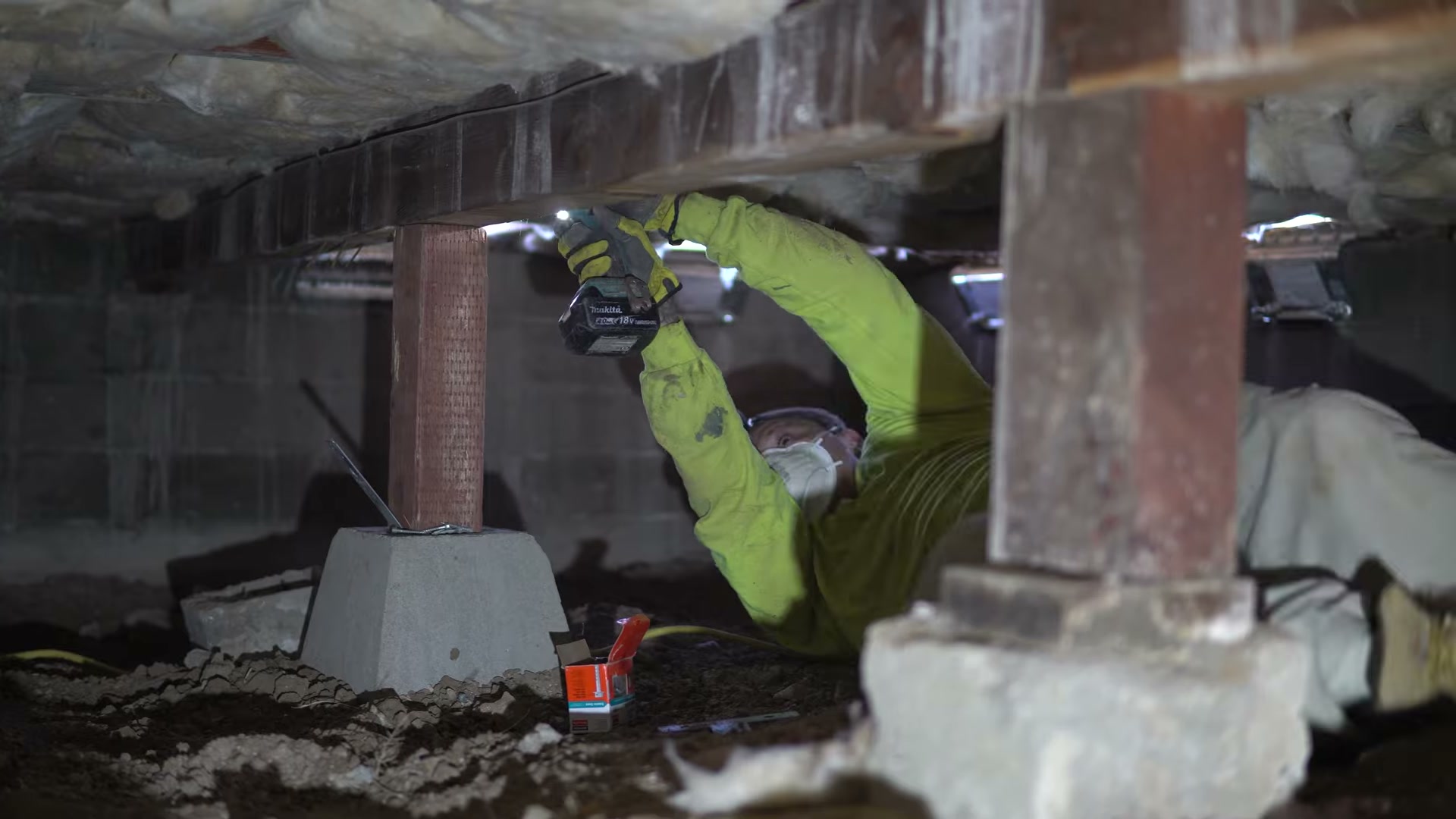
Pier and Beam Repair project photo
Crawl Space Repair · Since 2011

Pier and beam homes are honest. When something moves, the floors say so.

Settled piers and rotted posts telegraph straight into dips, slopes, and bounce upstairs. We repair the system underneath and bring the floors back with it.

Southern California · Arizona · Nevada Since 2011

Let's take the first step toward solid ground.

A local specialist will evaluate your foundation, walk you through the findings, and send a clear estimate. No cost, no pressure.

Licensed Contractor
1,000+ Google Reviews
CA Lic. #983851 · AZ ROC #330307 · NV Lic. #0089738

Diagnosis First

How serious is the movement under your home?

Pier and beam symptoms run from cosmetic to actively progressing, depending on what moved and whether it is still moving. Pick the closest match to what your floors are doing.

Out of level but unchanged, doors work, no new cracksA slope that has been there for years

A stable historic slope with no new symptoms is often settled construction rather than active movement. An elevation survey gives you a baseline to compare against next year, and leveling becomes a choice instead of a necessity.

Localized change you can date, furniture rockingA new dip or bounce over one spot

A dip you can date means a support failed recently: a post gone soft, a pad settled, a shim stack crushed. One support failures are the cheapest structural repairs in the silo when caught before load shifts to the neighbors.

Symptoms worse in wet months, ease in dry onesDoors and floors change with the seasons

A seasonal rhythm is the signature of expansive clay swelling and shrinking under the piers. The supports are riding the soil. Stabilizing them and correcting the drainage that feeds the cycle stops the ride before it racks the framing.

Widespread slope, sticking doors, changes within monthsMultiple rooms sloping, symptoms accelerating

Fast, spreading movement means a section of supports is failing together, usually with water involved. Schedule the evaluation now: the survey maps exactly which supports moved, and the repair plan covers the section and its cause together.

Watch

Pier and Beam Repair: see how we actually do it.

A pier and beam foundation holds your home above the ground on a grid of concrete piers, wood posts, and girder beams, with a crawl space in between. It is a design with genuine advantages: plumbing and wiring stay accessible, the floor structure can be repaired without demolition, and the home rides minor soil movement better than a slab. But the design has two dependable enemies in this region, and most pier and beam repair traces back to one or both.

How to Level a Pier and Beam Foundation. Video preview.
DALINGHAUS · SINCE 2011

How to Level a Pier and Beam Foundation

DALINGHAUS FOUNDATION REPAIR

In Depth

What the full guide covers

Everything a homeowner should understand about this repair, written by the people who do it.

Read the full guideHide the full guide
CH 01

What makes pier and beam different from a slab

A slab home sits on one continuous piece of concrete; a pier and beam home sits on dozens of discrete supports, each carrying its own tributary patch of the house. That architecture is why pier and beam homes are honest: when one support moves, the floor above it says so immediately, instead of hiding the movement inside a monolithic slab. It is also why the repairs are surgical. Individual piers, posts, and beams can be reset, replaced, or lifted without touching the rest of the house.

The crawl space in between is the working room. Plumbing and wiring stay reachable, moisture problems are visible instead of buried, and the entire repair happens below the floor you live on. The same access that makes repairs practical also makes honest inspection cheap, which is worth using before symptoms force the issue.

CH 02

The soil under the piers: clay seasons and desert surprises

Pier and beam supports live and die by the soil under them, and the soil in our markets has personality. USDA survey data shows clay dominating Los Angeles and San Diego area ground, with San Diego's expansion risk rated high. Clay swells through the wet season and shrinks through the dry one, and a pier riding that cycle tilts a little more each year, like a fence post in ground that will not hold still. The damage is cumulative and slow, which is why homeowners rarely notice a season and often notice a decade.

Desert lots fail differently. Phoenix loam and Las Vegas sand hold their shape while dry, then compact abruptly the first time water saturates them, whether from new irrigation, a plumbing leak, or a redirected downspout. A pier that stood for thirty years can settle in one wet month. Either pattern reads the same upstairs: dips, slopes, and bounce, the full picture described on our sagging floors page.

CH 03

Settled pier or rotted post: telling the two failures apart

The two classic pier and beam failures produce similar floors and require different fixes, so the diagnosis matters. A settled pier is a soil problem: the concrete is usually intact but low or tilted, and the fix is at the footing, giving the load a stable base. A rotted post is a moisture problem: the pier may be fine while the wood above it has gone soft at the base, and the fix is replacement on a proper foundation plus correcting the water that caused the rot.

The evaluation separates them with a probe test at each post base, a plumb check on each support, and floor elevations mapped from above. Mixed cases are common, because the drainage problem that erodes soil under a pad is the same one keeping the post above it wet.

CH 04

The repair: reset, replace, lift, and level

The repair works the chain from the ground up. Settled piers are addressed at the footing so the load has a base that will not repeat the settlement. Rotted posts come out and new supports go in on proper foundations. Then the lift: steel crawl space jack systems raise the low girders in small controlled increments, with the crew monitoring the structure between moves and elevations checked against the starting survey.

Beams too far gone to lift are replaced outright, and joists weakened by moisture are sistered, meaning new lumber fastened alongside the weakened member to restore its strength without opening your floors. Most projects finish in days, from below, while you live upstairs.

CH 05

Finishing the job: the water, the warranty, and what not to buy

A pier and beam repair that skips the drainage correction is a repair on a timer, because the new supports stand in the same conditions that consumed the old ones. That is why scopes routinely include yard surface drains or downspout extensions alongside the structural work.

The honest scope note: an old, stable slope with no new symptoms, working doors, and sound supports may be original construction rather than active failure, and leveling it is a comfort choice rather than a structural need. The evaluation tells you which one you have, in writing, before you spend anything.

Which Solution Is Right?

Which pier and beam repair fits your raised foundation?

MethodFits whenNot a fit when
Crawl Space JacksA pier or pad has settled, leaving the girder beam above it low. A steel jack on a stable footing lifts that girder toward level in small steps.The slope is old and unchanged, doors work, and supports are sound. It may be original construction, and leveling it is then a comfort choice.
Surface DrainsPoor yard drainage feeds the swell and shrink cycle of the clay under the piers. Drains catch stormwater before it reaches the foundation.Water reaches the crawl space from below, rising through the soil. Surface drains cannot catch water that arrives from underneath.
Downspout ExtensionsDownspouts end at the foundation line and soak the soil beside the crawl space, which can lead to rotted posts and settled pads. Extensions carry that water away.Every downspout already discharges well away and the space stays wet. The water is likely coming by another route, such as groundwater or plumbing.

A table is a starting point, not a diagnosis. Which method fits your home is confirmed on site during the free evaluation.

Regional Context

Why crawl spaces sag in California, Arizona, and Nevada homes

Raised-foundation homes across our service area rely on a grid of posts and pads in the crawl space. Seasonal soil movement works those supports loose, moisture softens the pads they bear on, and the floors above start to bounce and slope. The repair is structural: restore solid, adjustable support under the floor system rather than masking the symptoms.

2,000+
Foundation repair projects completed
Across CA, AZ, and NV since 2011
4.9
Average Google rating
Across 1,000+ reviews at our offices
8
Local offices
Southern California and Arizona
2011
Serving the Southwest since
Founded in Lake Elsinore, CA
Why Choose Dalinghaus

Care and expertise from a team that's been doing this since 2011.

Work like pier and beam repair is not a sideline for us. Dalinghaus crews handle crawl space repair and related structural work across California, Arizona, and Nevada, and nothing else.

01
Specialized expertise.

Foundation repair, concrete leveling, and crawl space repair are our entire focus. Not a sideline.

02
Locally owned since 2011.

More than 2,000 projects on the clay and desert soils of California, Arizona, and Nevada since 2011.

03
Licensed in California, Arizona and Nevada.

CSLB License #983851 in California, ROC #330307 in Arizona, and License #0089738 in Nevada. Look us up with the state before we ever set foot on your property.

04
Warrantied solutions.

Warranty terms come in writing with every proposal, and the terms that apply to your job are stated in that job's paperwork. Ask your project specialist during the free evaluation.

Brian Dalinghaus, co-founder of Dalinghaus Foundation Repair
Brian Dalinghaus CO-FOUNDER · SINCE 2011
Brad Dalinghaus, co-founder of Dalinghaus Foundation Repair
Brad Dalinghaus CO-FOUNDER · SINCE 2011
Recent work

Projects from your neighborhood

[ 01/05 ]
Commercial Helical Piles
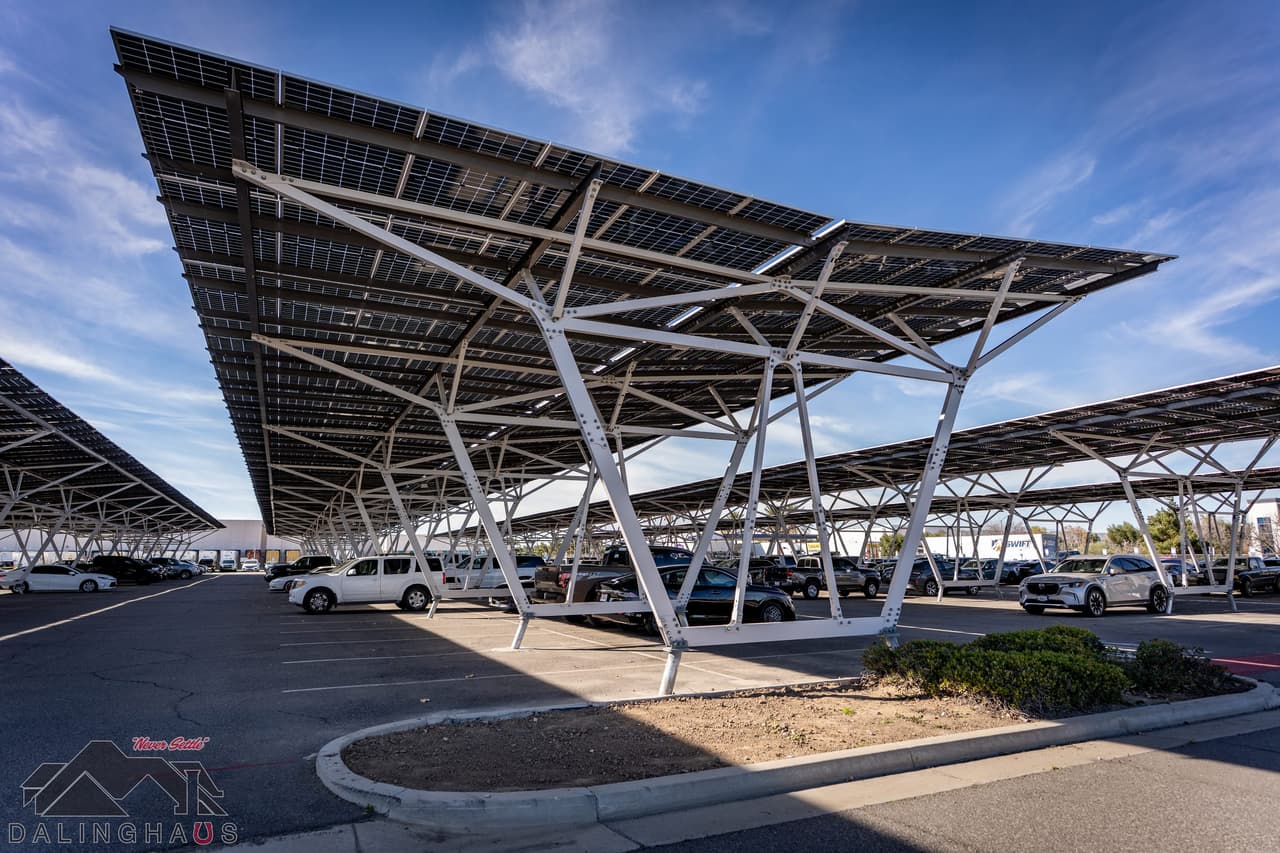
Helical pile foundation for a solar canopy in Southern California
Southern California

Helical pile foundation for a solar canopy in Southern California

Helical PilesPull Testing

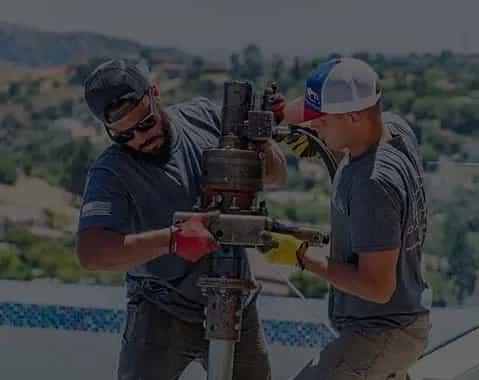
Dalinghaus installed the helical pile foundation and erected the structure for a solar canopy over a staff parking lot in Southern California, working in four phases so the lot stayed open.

Show project
Foundation Repair
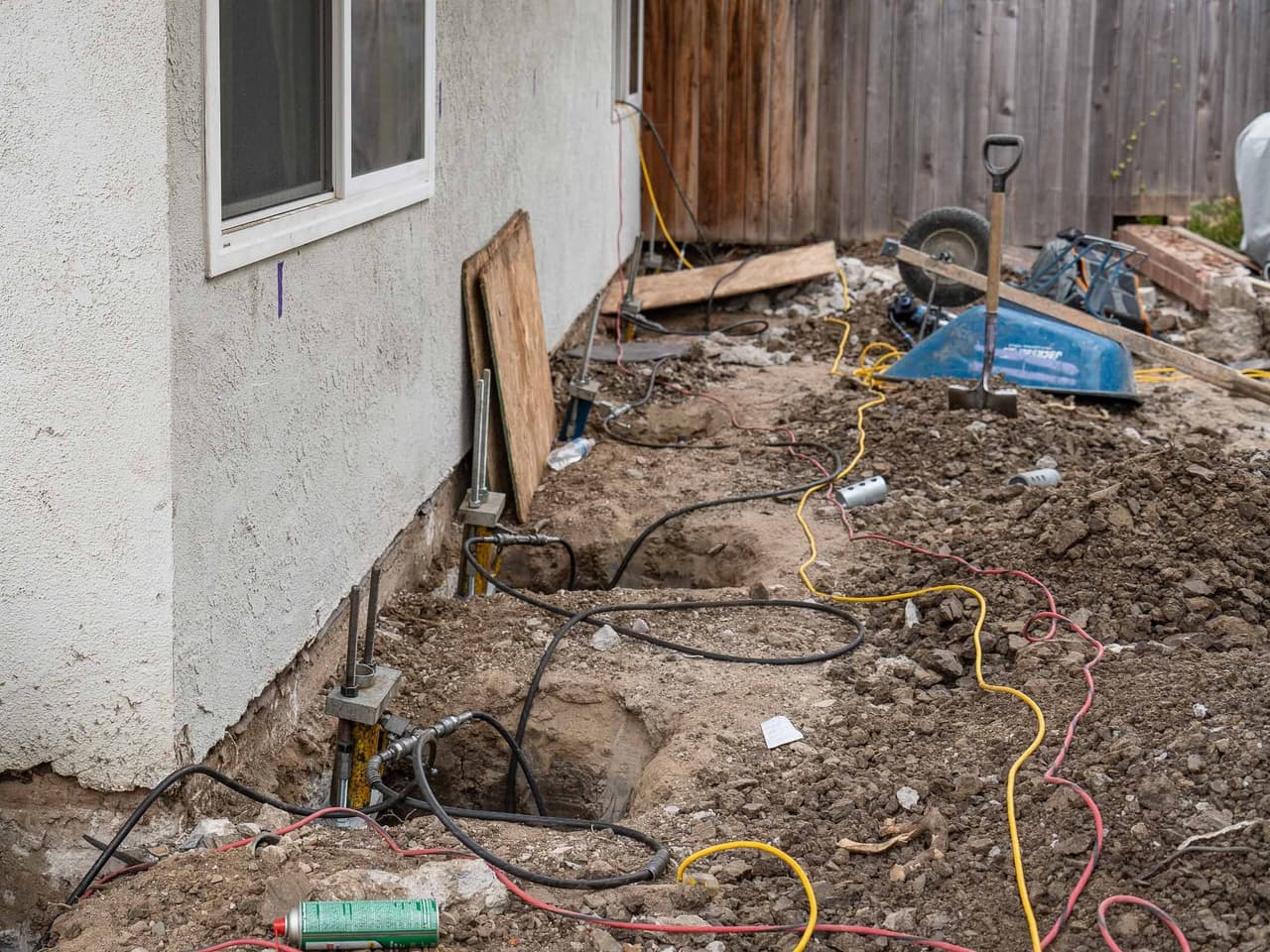
Lifting a settled Irvine home 3 inches with helical piers
Irvine, CA

Lifting a settled Irvine home 3 inches with helical piers

Helical PiersHydraulic Lift

The back of an Irvine home had settled about 3 inches over roughly ten years. Ten helical piers went in over two days, and a 30 minute lift brought the back half of the home up 3 inches.

Show project
Foundation Repair
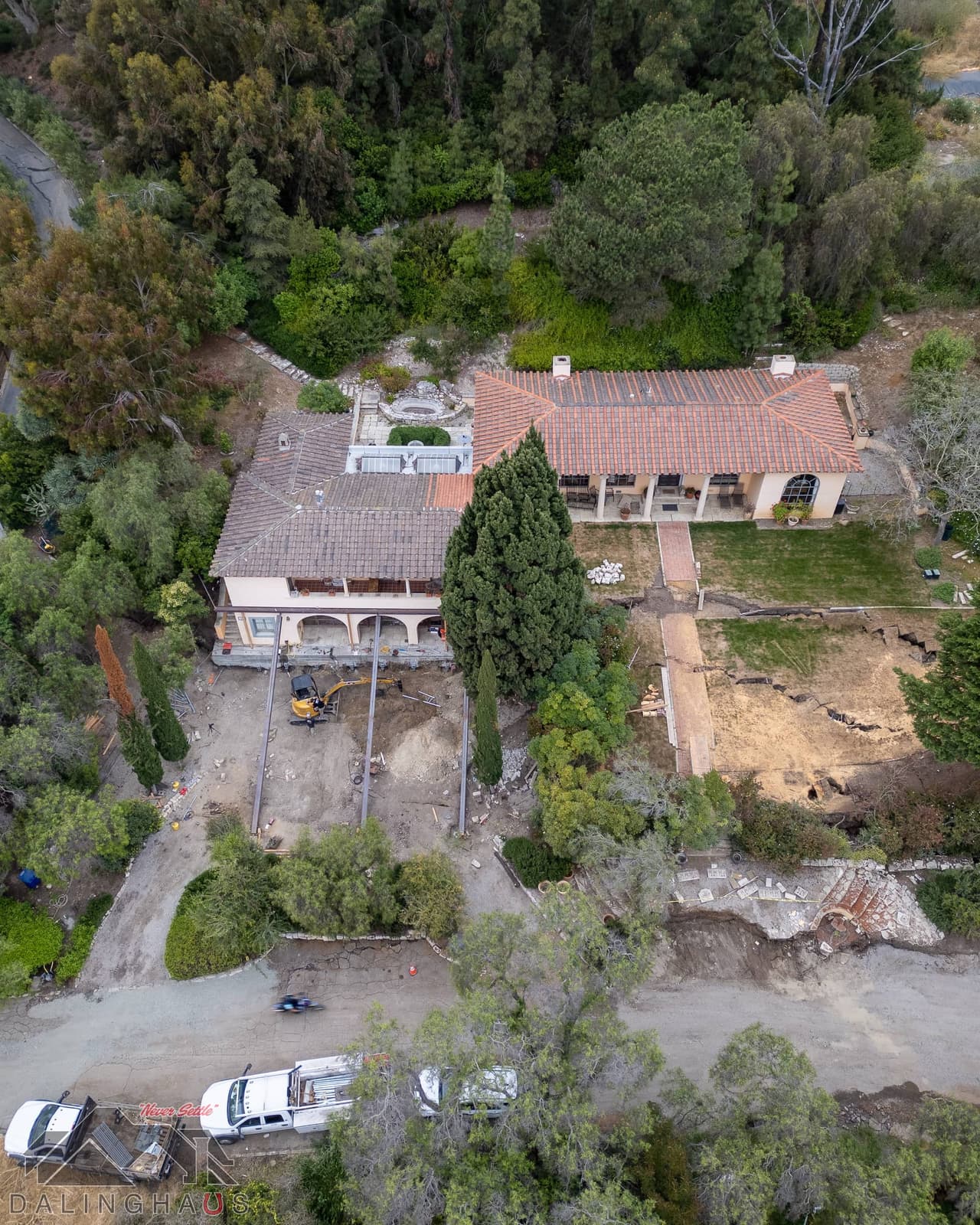
Helical piers to bedrock under a Rancho Palos Verdes home caught in a landslide
Rancho Palos Verdes, CA

Helical piers to bedrock under a Rancho Palos Verdes home caught in a landslide

Helical Piers

A hillside home in Rancho Palos Verdes split in half as the ground slid toward the slope. Dalinghaus installed helical piers about 30 feet down to competent strata or bedrock beneath it.

Show project
Foundation Repair
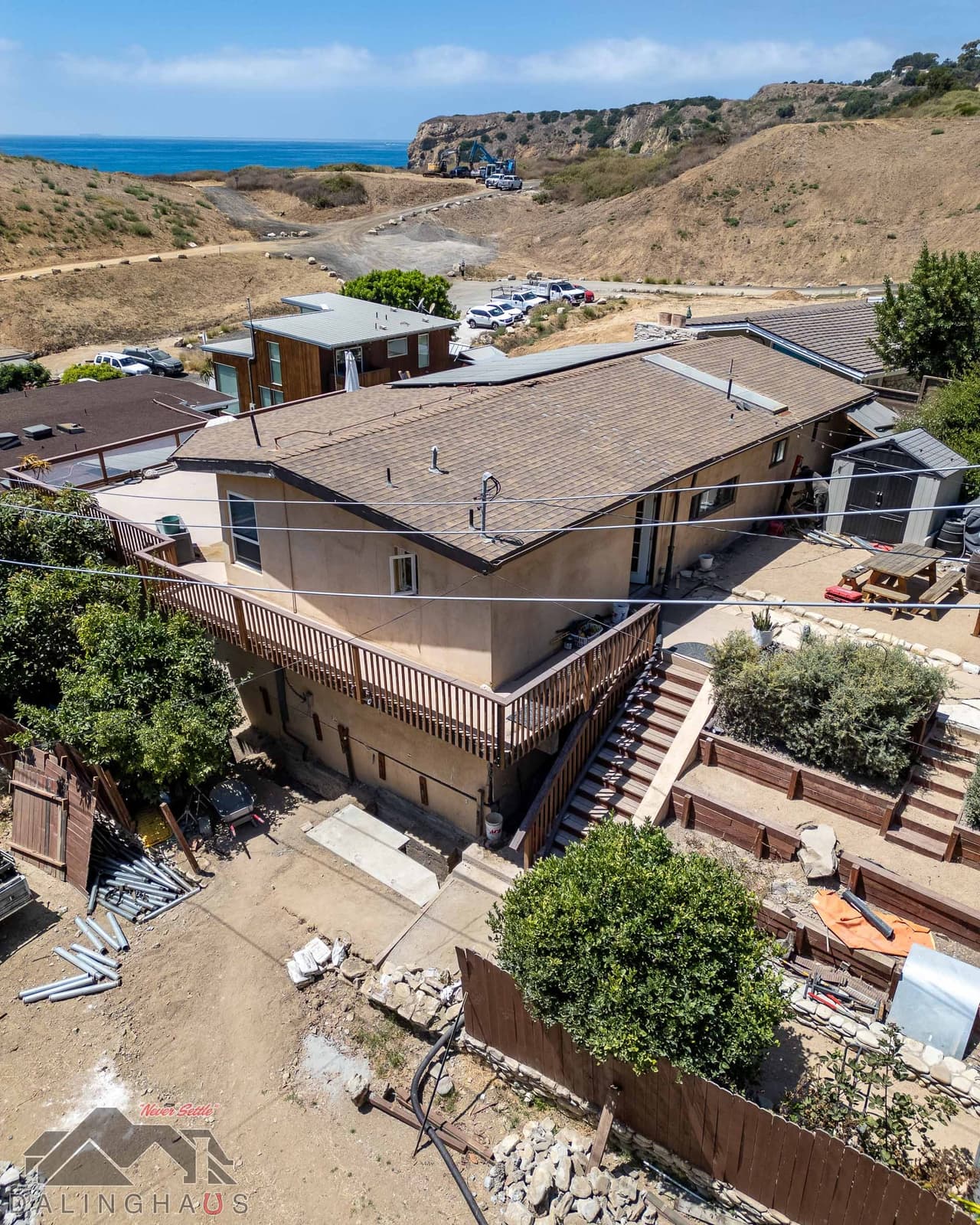
Steel piers for a Rancho Palos Verdes home that settled 16 inches
Rancho Palos Verdes, CA

Steel piers for a Rancho Palos Verdes home that settled 16 inches

Steel PiersFoundation Stabilization

A beachside home in Rancho Palos Verdes settled 16 inches in a couple of months. Steel piers were driven to load bearing soil or bedrock at each excavated location, with a lift planned once they were in.

Show project
Foundation Repair
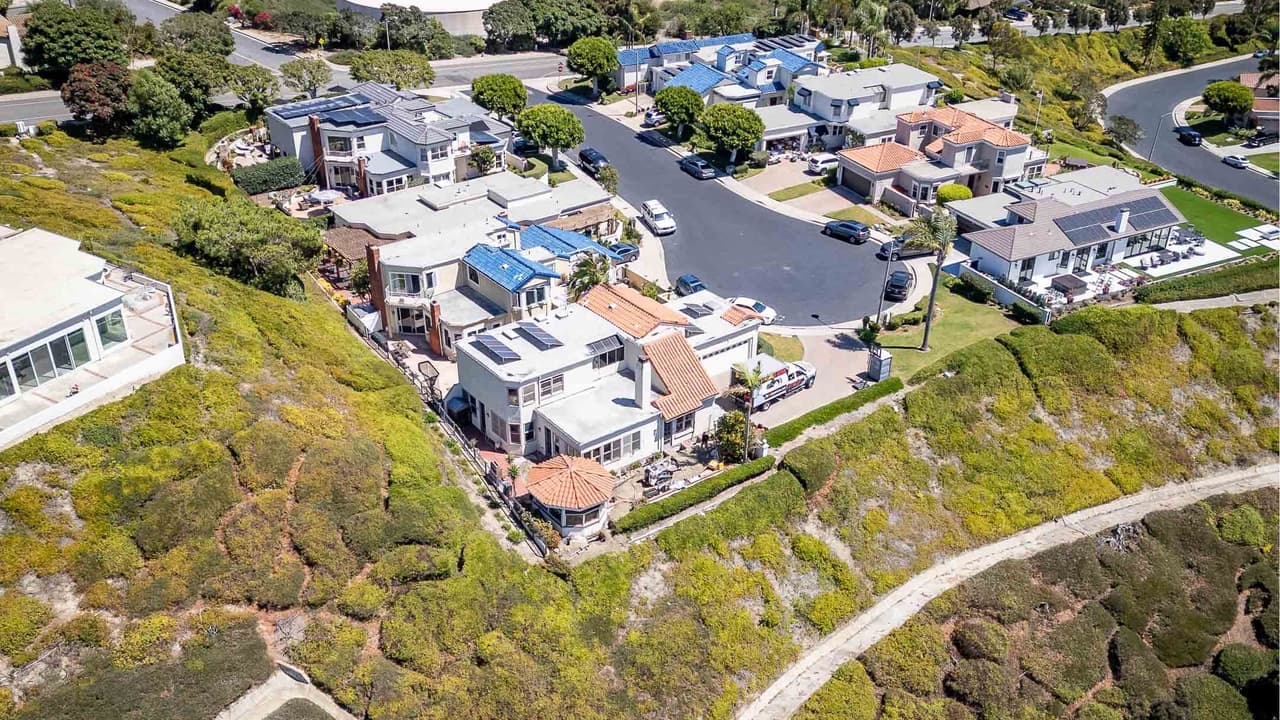
Lifting a San Clemente hillside home that settled 2 inches
San Clemente, CA

Lifting a San Clemente hillside home that settled 2 inches

Helical PiersHelical Tieback Anchors

A San Clemente hillside home had settled about 2 inches and was moving toward the slope behind it. Vertical helical piers and helical tieback anchors stabilized the home and recovered part of the drop.

Show project
Frequently Asked Questions

Answers to common questions about Pier and Beam Repair.

Don't see your question here? Our team is happy to help. Reach out anytime.

Pier and beam repair is foundation repair for raised homes. Instead of underpinning a concrete slab, we repair the grid of piers, posts, and beams that carries your floors, resetting what settled, replacing what rotted, and leveling what sagged. The goal is the same: a home sitting level on supports that hold.

Pricing & Scope

Honest pricing & honest limits

Every home is different, so every estimate is written for the home in front of us. A free on site evaluation gives you a written estimate that reflects your specific scope, access, and conditions.

How pricing works

Repair pricing varies by load, depth, and access. Your written estimate comes from the free evaluation.

When this isn't the right fix

Not appropriate for purely cosmetic cracks with no structural movement. We will tell you at the evaluation.

Why our estimates are honest

Licensed contractor serving California, Arizona, and Nevada.

The Process

How we approach Pier and Beam Repair

A straightforward path from free evaluation to completed repairs.

Step 01

Free evaluation

Floor elevations are mapped and every pier, post, and beam in the affected area is documented, with findings delivered in writing.

Step 02

Stabilize the supports

Settled piers are addressed at the footing and rotted posts are replaced on proper foundations.

Step 03

Lift and level

Steel jacks raise sagging beams toward level in controlled increments, and weakened joists are sistered and reinforced.

Step 04

Correct the moisture and verify

The drainage or leak behind the damage is fixed, and final elevations are compared to the starting survey.

Customer Reviews

More than 1,000 Google reviews across our offices, averaging 4.9 stars.

Before you choose a crawl space repair contractor for pier and beam repair, read how homeowners across California and Arizona rate our work.

Free Evaluation

Start with a free evaluation.

Share a few details and a local specialist will follow up as soon as possible to set your evaluation.

What to expect
  • A local foundation specialist on site
  • A complete walk-through of the findings
  • A clear written estimate at no cost
  • No obligation, no pressure
Prefer to call
877-360-9227
Southern California · Arizona · NevadaSince 2011
Dalinghaus Foundation Repair

Let's take the first step toward solid ground.

A local specialist will evaluate your foundation, walk you through the findings, and send a clear estimate. No cost, no pressure.

Licensed Contractor
1,000+ Google Reviews
CA Lic. #983851 · AZ ROC #330307 · NV Lic. #0089738

Not sure your home needs pier and beam repair?

A free evaluation answers every crawl space repair question: one visit, clear findings, written estimate.