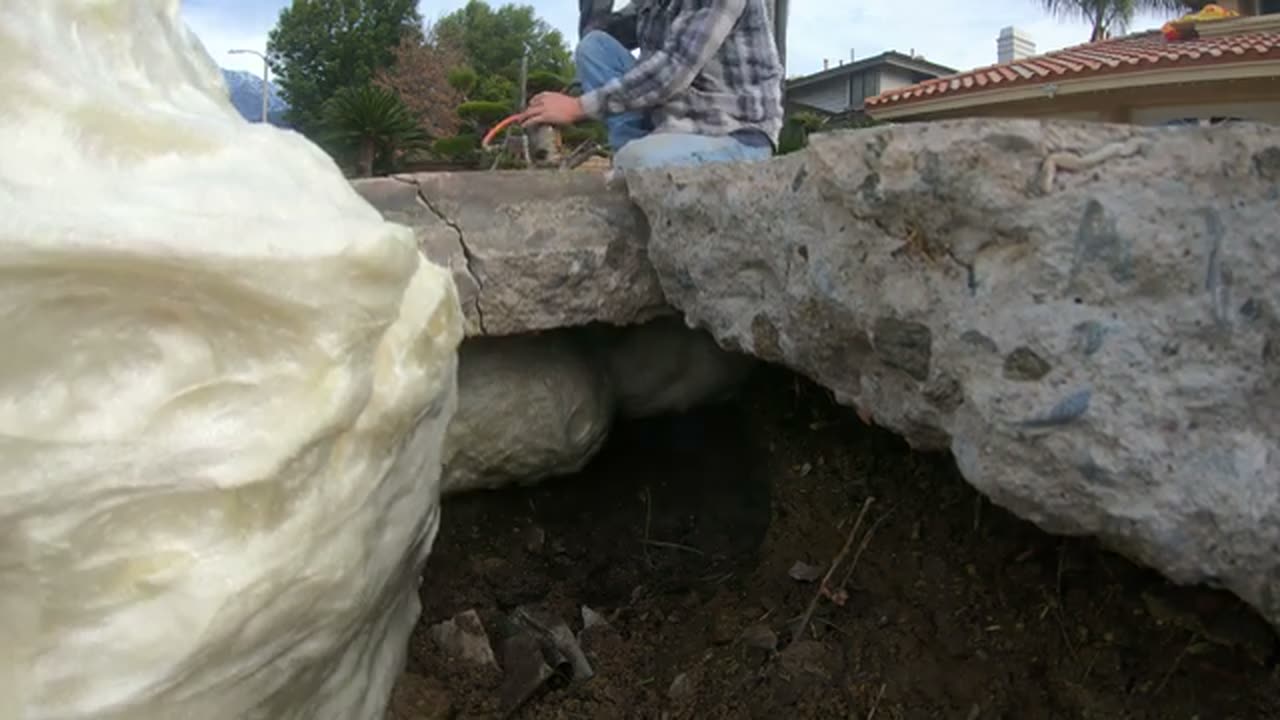
Slab Foundation Lifting and Leveling project photo
Foundation Repair · Since 2011

Lift the slab foundation, fill the void, keep the house where it was built.

Sunken slabs drop because the soil under them left a gap. We fill the gap and raise the concrete in controlled stages, no demolition required.

Southern California · Arizona · Nevada Since 2011

Let's take the first step toward solid ground.

A local specialist will evaluate your foundation, walk you through the findings, and send a clear estimate. No cost, no pressure.

Licensed Contractor
1,000+ Google Reviews
CA Lic. #983851 · AZ ROC #330307 · NV Lic. #0089738

Diagnosis First

Which sunken slab situation matches yours?

Slab jacking is the right tool for some of these and the wrong tool for others. Pick the closest match and see where yours points.

One section dropped at a joint, surroundings levelA lip or step at one joint

A single dropped section with stable neighbors usually means a shallow void under that slab, often from water moving along the joint. It is the textbook polyurethane lift: fill the void, raise the section, patch the holes, same day service.

A slope you can feel, cracks tracking across the floorInterior floor sloping, tile or grout cracking

Interior slab settlement over voids or loose fill responds well to foam lifting when the readings say the soil has finished moving. If elevations show deep seated or continuing settlement, slab piers that bypass the soil are the honest fix.

Broad tilt, wall cracks, racking doors on the same sideA whole side of the house reads low

A broad tilt involving the walls and doors points past the slab to the foundation itself. Lifting the slab would treat a symptom while the footing keeps settling. Perimeter underpinning with steel piers is the repair that actually stops it.

Hollow sounding spots underfoot or under tile, level surfaceSlab sounds hollow, no visible movement yet

Hollow sounding zones mean a void has formed but the slab is still bridging it. Filling the void now, before the span cracks, is the cheap version of this repair. An elevation survey confirms the extent before anything is drilled.

Watch

Slab Foundation Lifting and Leveling: see how we actually do it.

When a concrete slab sinks, the concrete usually is not the problem. The soil under it is. Clay soil in this region acts like a sponge, swelling when wet and shrinking when dry, and each shrink cycle can leave a small void beneath the slab. Water from poor drainage washes soil out too, and slabs poured over undercompacted fill settle as that fill slowly compresses. However the void forms, the slab above it eventually drops or cracks, and you feel it as a sloping floor, a tripping lip at a joint, or tile cracks that follow a straight line across a room.

Don't Replace Your Sinking Driveway! Do This Instead. Video preview.
DALINGHAUS · SINCE 2011

Don't Replace Your Sinking Driveway! Do This Instead

DALINGHAUS FOUNDATION REPAIR

In Depth

What the full guide covers

Everything a homeowner should understand about this repair, written by the people who do it.

Read the full guideHide the full guide
CH 01

How a slab ends up sunken: the void comes first

Concrete does not sink through soil; it drops into space the soil left behind. In the clay dominated inland valleys, drought years shrink the ground and it never quite swells back to the same shape, leaving thin gaps under slab sections. In sandier coastal and desert ground, water is the sculptor: a season of poor drainage or a leaking line carries fine particles away grain by grain. Fill that was never compacted properly simply keeps compressing for decades under the slab's weight.

However the void forms, the slab bridges it silently for a while, because concrete is strong when supported and weak in bending. Eventually the span cracks or the section tips, and you get the symptoms upstairs: a slope you can feel, a lip at a slab joint, grout lines opening along one path. The lesson built into that sequence is that lifting the slab is only half the job. The other half is knowing why the void formed, so the fix does not simply refill a process that is still running.

CH 02

How we tell a shallow void from real settlement

The two problems feel identical underfoot and need opposite repairs, so the evaluation exists to separate them. A specialist maps floor elevations across the slab with a manometer, reading how each area sits to fractions of an inch, then compares the low zones to the crack pattern, the drainage picture, and the age and history of the movement. A shallow void shows up as a local low spot with stable surroundings. Foundation settlement shows up as a broader tilt that involves the footings, and it usually brings wall cracks and racking doors, doors twisted out of square in their frames, with it.

You get the measurements and the conclusion in writing. If the readings say the whole structure is settling, we will tell you slab jacking is the wrong tool before you spend anything on it, because foam under a sinking footing just goes along for the ride.

CH 03

Injection day: what actually happens to your slab

The crew drills holes about the diameter of a coin through the slab in a planned pattern over the settled area and threads injection ports into them. Two liquid components mix at the nozzle and begin expanding within seconds, flowing into the void while still liquid, compacting loose soil outward, and filling the space completely. Once the void is full, continued injection has nowhere to push but up, and the slab rises in small controlled stages while the crew watches elevations with instruments and stops at grade.

The foam reaches most of its strength in minutes, so driveways, garage floors, and interior slabs are typically back in normal service the same day. The ports come out, the holes are patched flush, and the visible evidence of the repair is a handful of small circles.

CH 04

Foam or slurry: an honest comparison

Slabs can be lifted two ways: modern polyurethane lifting or traditional mud jacking, which pumps a cement slurry. The slurry method cures into a dense base, but it is heavy, which matters when the soil below is already struggling, and it needs larger holes and cure time before the slab returns to service. Polyurethane weighs a small fraction of slurry, travels farther into a void, resists water instead of eroding in it, and carries the same day return to service.

That is why Dalinghaus lifts slabs with polyurethane and does not use mudjacking. The evaluation then decides whether a foam lift is the right repair for your slab at all, or whether the readings point to piers instead.

CH 05

When slab jacking is the wrong tool, and we will say so

Slab jacking corrects slabs that dropped over shallow voids. It does not fix a foundation that is settling, a slab shattered past lifting, or ground that a live plumbing leak is still washing away. Foundation wide settlement calls for steel slab piers or perimeter underpinning that carry the structure to load bearing strata; a leak calls for a plumber before any lifting; and a slab broken into small sections may need replacement rather than rescue.

This is why the elevation survey comes first. When the numbers support slab jacking, it is one of the fastest, least invasive repairs we do. When they do not, you will see the readings that make the case for something else, instead of paying for the quick option twice.

Which Solution Is Right?

Which slab foundation leveling method fits your home?

MethodFits whenNot a fit when
Polyurethane Foam InjectionA section of the slab dropped over a shallow void, an empty pocket in the soil, and the ground has finished moving.Floor elevation readings show the whole foundation settling, so foam alone would ride the movement down.
Slab PiersReadings show deep or continuing settlement under the slab, or an earlier lift did not hold.The drop sits over a shallow void with stable surroundings, which a foam lift can correct.
Foundation UnderpinningReadings show a whole side of the house low, with the concrete footing under the outer walls settling.The low area is in the middle of the floor while the outer footings read stable. Piers at the outer walls cannot reach it.
Grout Injection (Chemical Grouting)The evaluation finds a void or loosely packed soil under a slab that is still level.A leak or drainage problem is still washing soil away, or the house is settling through deep, weak soil.

A table is a starting point, not a diagnosis. Which method fits your home is confirmed on site during the free evaluation.

Regional Context

Why foundations fail differently in California, Arizona, and Nevada

Most of our service area sits on expansive clay: soil that swells when it rains and shrinks through the long dry season, cycling foundations up and down a little more every year. Desert markets add a second pattern of dry, undercompacted fills that settle the first time irrigation or a plumbing leak finally wets them. A diagnosis that ignores which soil your home sits on is a guess, which is why every evaluation starts with floor elevation measurements, not assumptions.

2,000+
Foundation repair projects completed
Across CA, AZ, and NV since 2011
4.9
Average Google rating
Across 1,000+ reviews at our offices
8
Local offices
Southern California and Arizona
2011
Serving the Southwest since
Founded in Lake Elsinore, CA

Expansive clay drives the wet and dry cycle

Clay soil acts like a sponge under the house. Winter rain swells it and lifts the foundation unevenly; the dry months shrink it and let sections settle back down. Each cycle concentrates stress in the slab, the stem walls, and the framing above them, which is why cracks here tend to reopen after cosmetic patching.

Hillside neighborhoods add cut-and-fill lots: part of the home rests on native soil and part on placed fill, and the fill side almost always moves more. The wall between the two zones is usually where the first cracks appear.

Desert soils settle when water finally arrives

Arizona and Nevada homes often sit on dry soils that were never a problem until landscape irrigation, a broken pipe, or a monsoon season wet them for the first time. Those soils compress quickly once saturated, and the settlement shows up as sticking doors, drywall cracks, and sloping floors.

The fix has to match the mechanism. Steel piers carry the home past the unstable layer to load-bearing strata and prove their capacity as they install, instead of betting on the surface soil behaving next season.

Why Choose Dalinghaus

Care and expertise from a team that's been doing this since 2011.

Work like slab foundation lifting and leveling is not a sideline for us. Dalinghaus crews handle foundation repair and related structural work across California, Arizona, and Nevada, and nothing else.

01
Specialized expertise.

Foundation repair, concrete leveling, and crawl space repair are our entire focus. Not a sideline.

02
Locally owned since 2011.

More than 2,000 projects on the clay and desert soils of California, Arizona, and Nevada since 2011.

03
Licensed in California, Arizona and Nevada.

CSLB License #983851 in California, ROC #330307 in Arizona, and License #0089738 in Nevada. Look us up with the state before we ever set foot on your property.

04
Warrantied solutions.

Warranty terms come in writing with every proposal, and the terms that apply to your job are stated in that job's paperwork. Ask your project specialist during the free evaluation.

Brian Dalinghaus, co-founder of Dalinghaus Foundation Repair
Brian Dalinghaus CO-FOUNDER · SINCE 2011
Brad Dalinghaus, co-founder of Dalinghaus Foundation Repair
Brad Dalinghaus CO-FOUNDER · SINCE 2011
Recent work

Projects from your neighborhood

[ 01/05 ]
Commercial Helical Piles
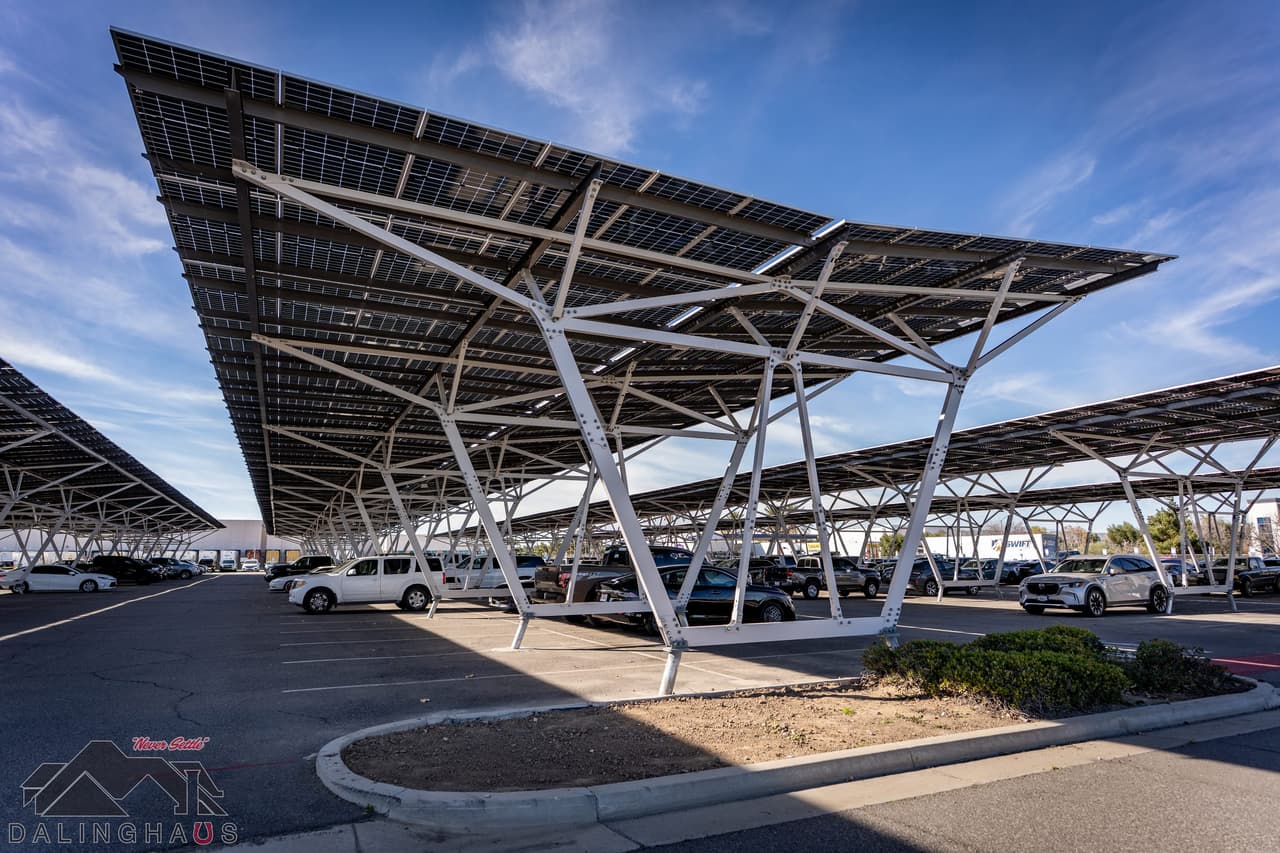
Helical pile foundation for a solar canopy in Southern California
Southern California

Helical pile foundation for a solar canopy in Southern California

Helical PilesPull Testing

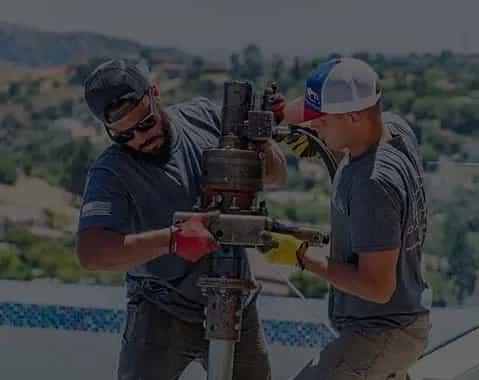
Dalinghaus installed the helical pile foundation and erected the structure for a solar canopy over a staff parking lot in Southern California, working in four phases so the lot stayed open.

Show project
Foundation Repair
Lifting a settled Irvine home 3 inches with helical piers
Irvine, CA

Lifting a settled Irvine home 3 inches with helical piers

Helical PiersHydraulic Lift

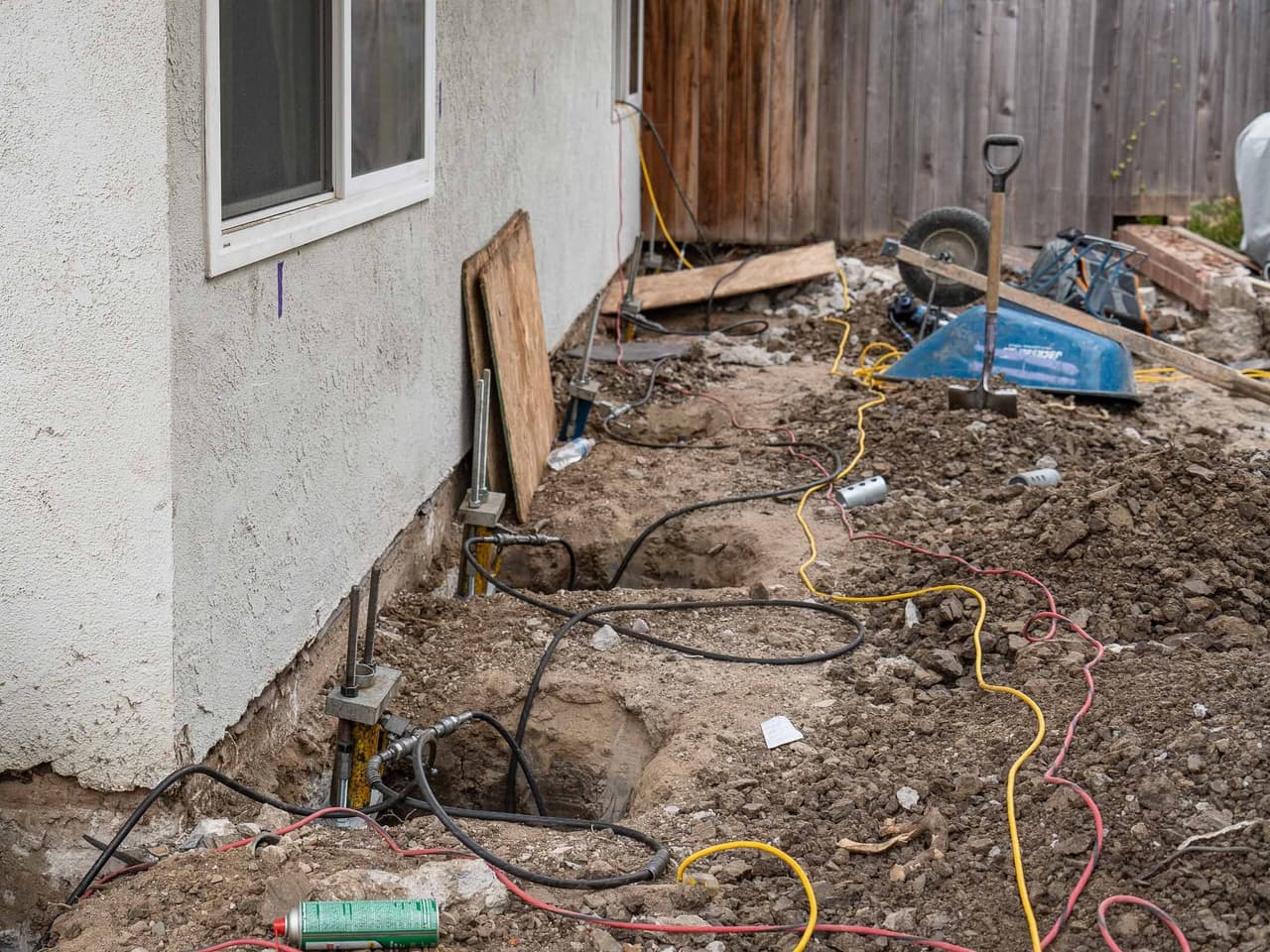
The back of an Irvine home had settled about 3 inches over roughly ten years. Ten helical piers went in over two days, and a 30 minute lift brought the back half of the home up 3 inches.

Show project
Foundation Repair
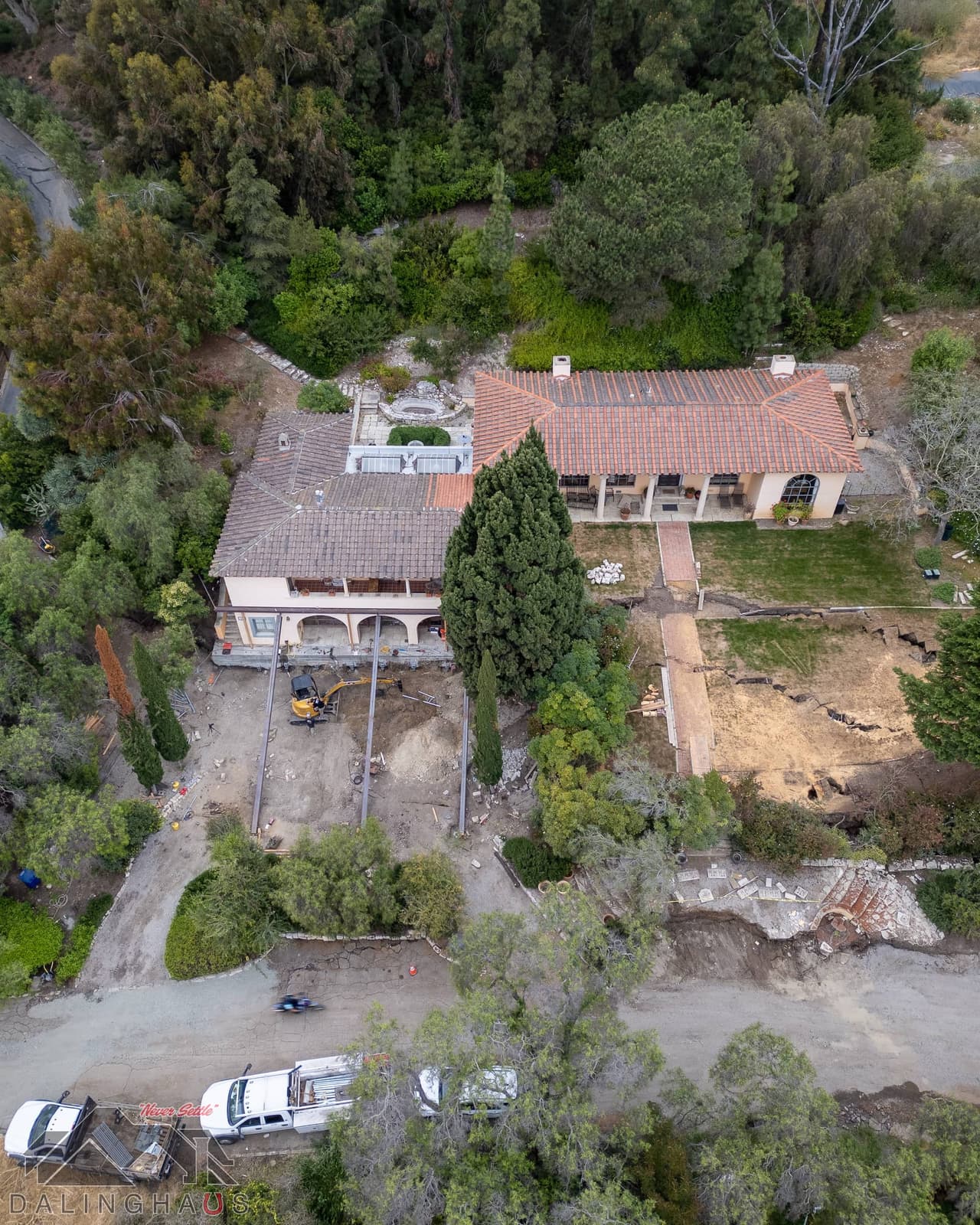
Helical piers to bedrock under a Rancho Palos Verdes home caught in a landslide
Rancho Palos Verdes, CA

Helical piers to bedrock under a Rancho Palos Verdes home caught in a landslide

Helical Piers

A hillside home in Rancho Palos Verdes split in half as the ground slid toward the slope. Dalinghaus installed helical piers about 30 feet down to competent strata or bedrock beneath it.

Show project
Foundation Repair
Steel piers for a Rancho Palos Verdes home that settled 16 inches
Rancho Palos Verdes, CA

Steel piers for a Rancho Palos Verdes home that settled 16 inches

Steel PiersFoundation Stabilization

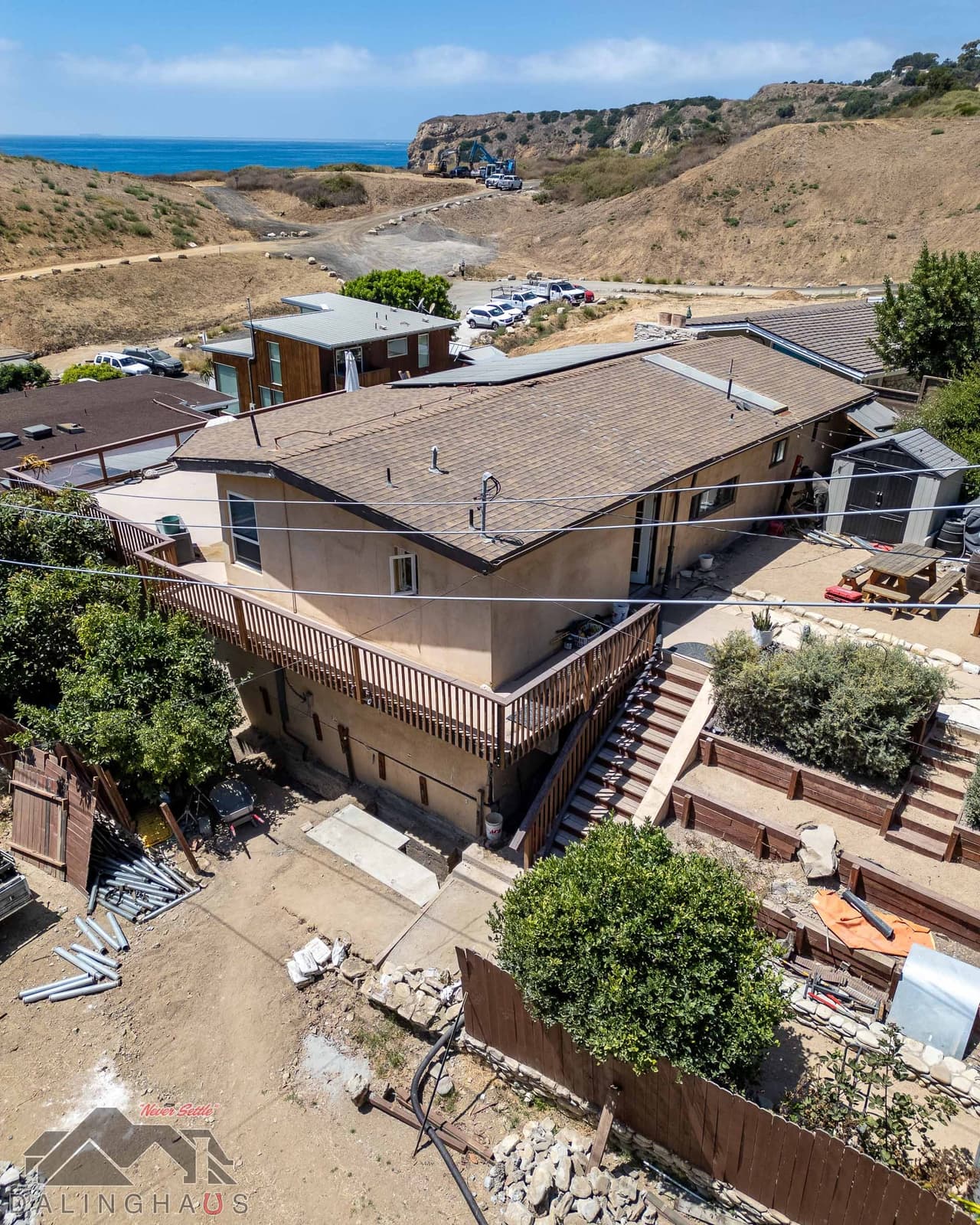
A beachside home in Rancho Palos Verdes settled 16 inches in a couple of months. Steel piers were driven to load bearing soil or bedrock at each excavated location, with a lift planned once they were in.

Show project
Foundation Repair
Lifting a San Clemente hillside home that settled 2 inches
San Clemente, CA

Lifting a San Clemente hillside home that settled 2 inches

Helical PiersHelical Tieback Anchors

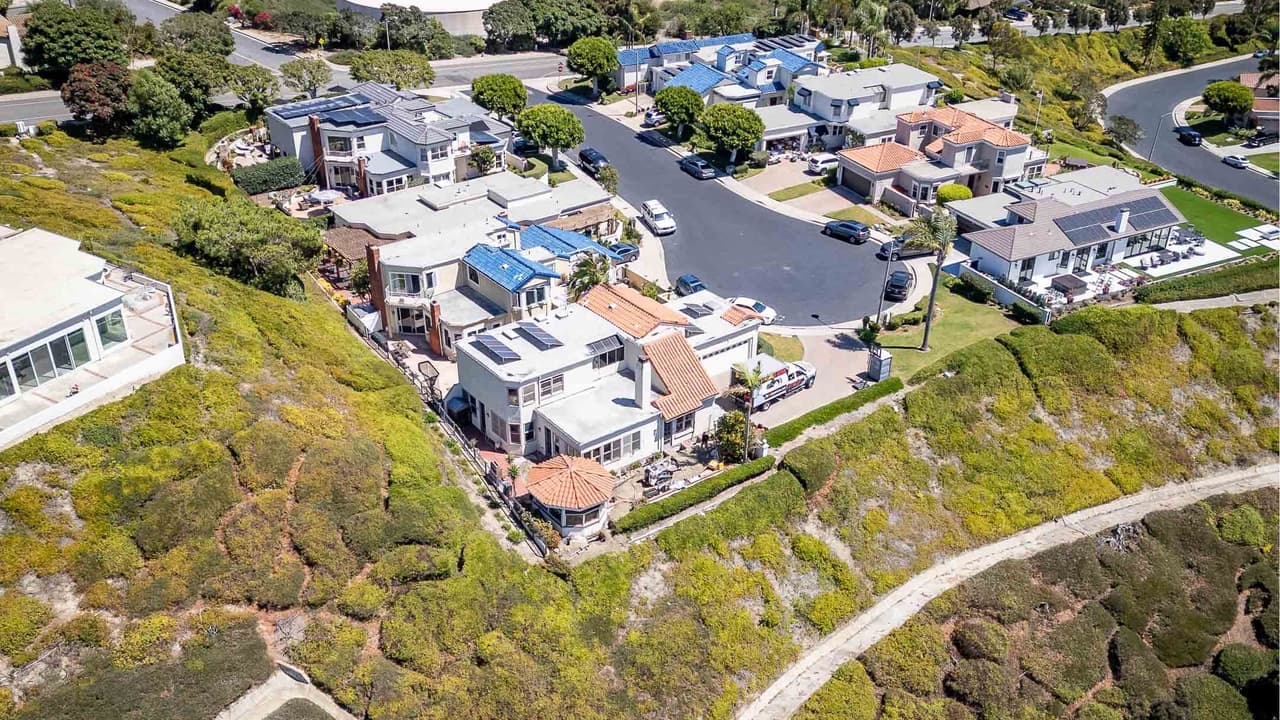
A San Clemente hillside home had settled about 2 inches and was moving toward the slope behind it. Vertical helical piers and helical tieback anchors stabilized the home and recovered part of the drop.

Show project
Frequently Asked Questions

Answers to common questions about Slab Foundation Lifting and Leveling.

Don't see your question here? Our team is happy to help. Reach out anytime.

Slab jacking lifts a sunken concrete slab back to level by injecting material beneath it through small drilled holes. In our modern method, expanding polyurethane foam fills the void under the slab and raises it in controlled stages while elevations are monitored. The holes are patched afterward, and the slab is typically usable the same day.

Pricing & Scope

Honest pricing & honest limits

Every home is different, so every estimate is written for the home in front of us. A free on site evaluation gives you a written estimate that reflects your specific scope, access, and conditions.

How pricing works

Repair pricing varies by load, depth, and access. Your written estimate comes from the free evaluation.

When this isn't the right fix

Slab jacking corrects slabs dropped by shallow voids. If elevation readings show foundation wide settlement, piers are the honest fix, and we will show you the numbers.

Why our estimates are honest

Licensed contractor serving California, Arizona, and Nevada.

The Process

How we approach Slab Foundation Lifting and Leveling

A straightforward path from free evaluation to completed repairs.

Step 01

Free evaluation

We measure slab elevations, locate the voids, and identify what caused the soil to give way.

Step 02

Radar scan of the floor

Interior work gets a ground penetrating radar scan before it starts, and a post tension slab requires one every time. The scan maps the slab thickness and what is set inside the concrete so the holes miss it. Two hour minimum, and an additional cost where the proposal does not already include it.

Step 03

Drill and inject

Small holes are drilled through the slab and polyurethane foam is injected beneath it.

Step 04

Lift in stages

The foam expands and raises the slab in controlled increments while we monitor elevations.

Step 05

Patch and verify

Injection holes are patched, final elevations are checked, and the surface is ready for normal use.

Customer Reviews

More than 1,000 Google reviews across our offices, averaging 4.9 stars.

Before you choose a foundation repair contractor for slab foundation lifting and leveling, read how homeowners across California and Arizona rate our work.

Free Evaluation

Start with a free evaluation.

Share a few details and a local specialist will follow up as soon as possible to set your evaluation.

What to expect
  • A local foundation specialist on site
  • A complete walk-through of the findings
  • A clear written estimate at no cost
  • No obligation, no pressure
Prefer to call
877-360-9227
Southern California · Arizona · NevadaSince 2011
Dalinghaus Foundation Repair

Let's take the first step toward solid ground.

A local specialist will evaluate your foundation, walk you through the findings, and send a clear estimate. No cost, no pressure.

Licensed Contractor
1,000+ Google Reviews
CA Lic. #983851 · AZ ROC #330307 · NV Lic. #0089738

Not sure your home needs slab foundation lifting and leveling?

A free evaluation answers every foundation repair question: one visit, clear findings, written estimate.