What is hillside repair, and when does your home need it?
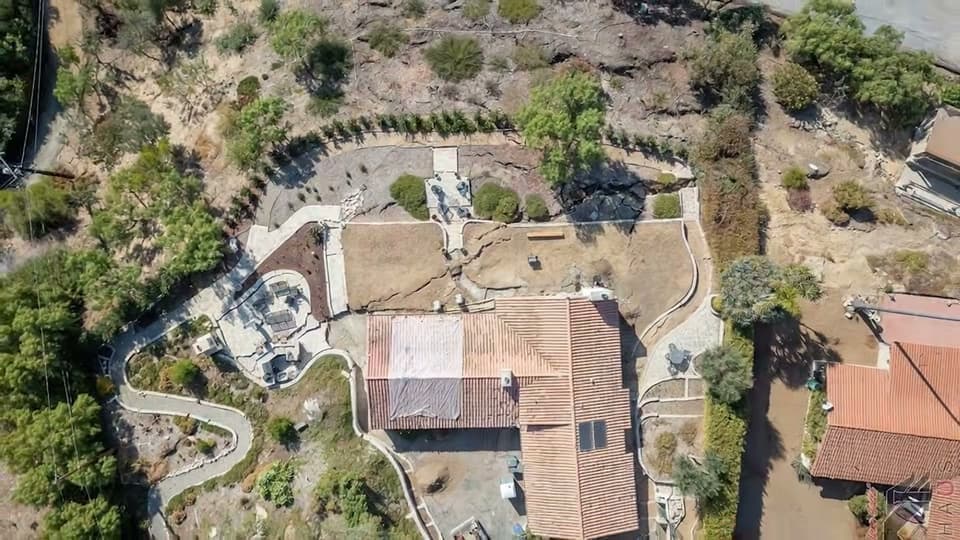
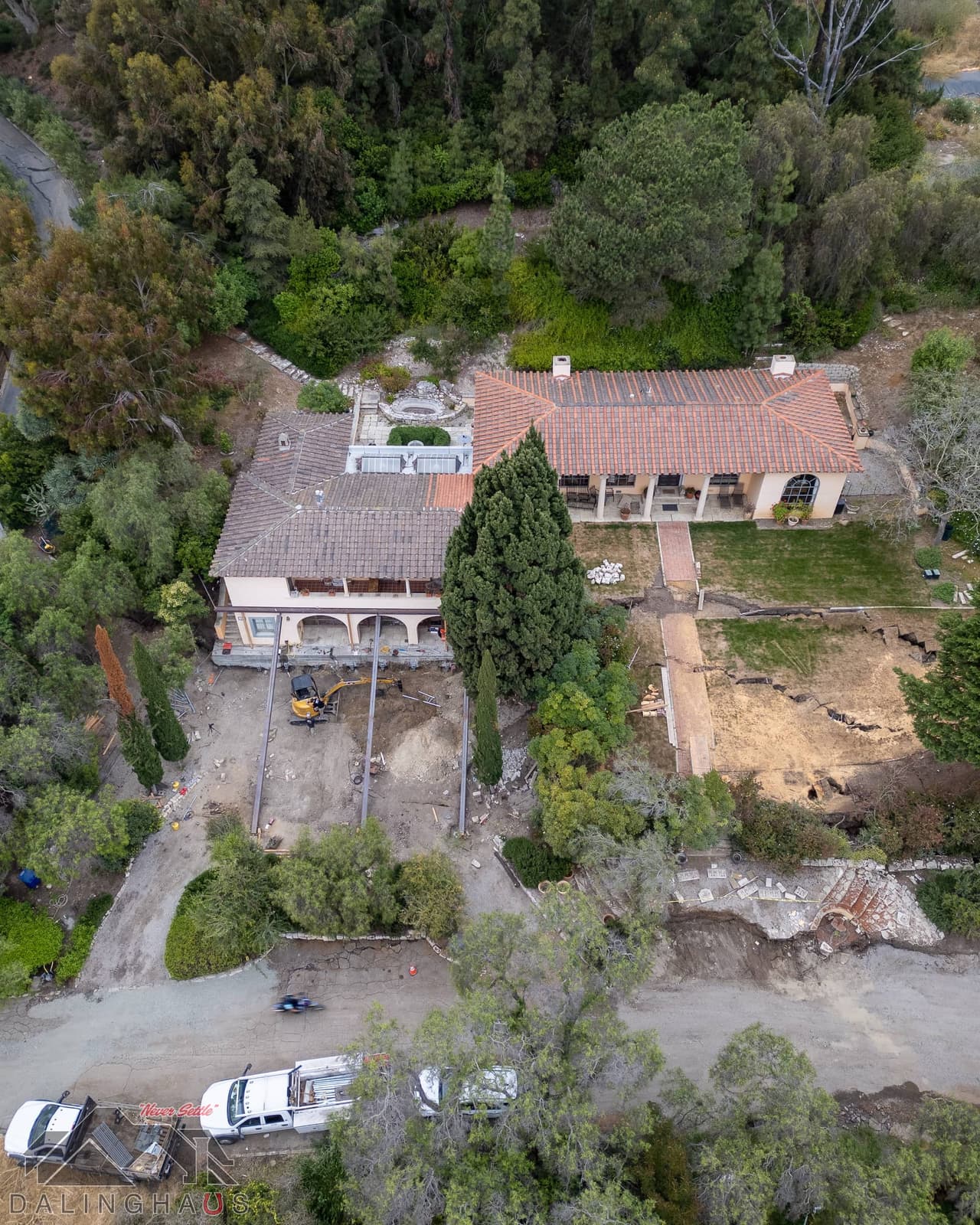
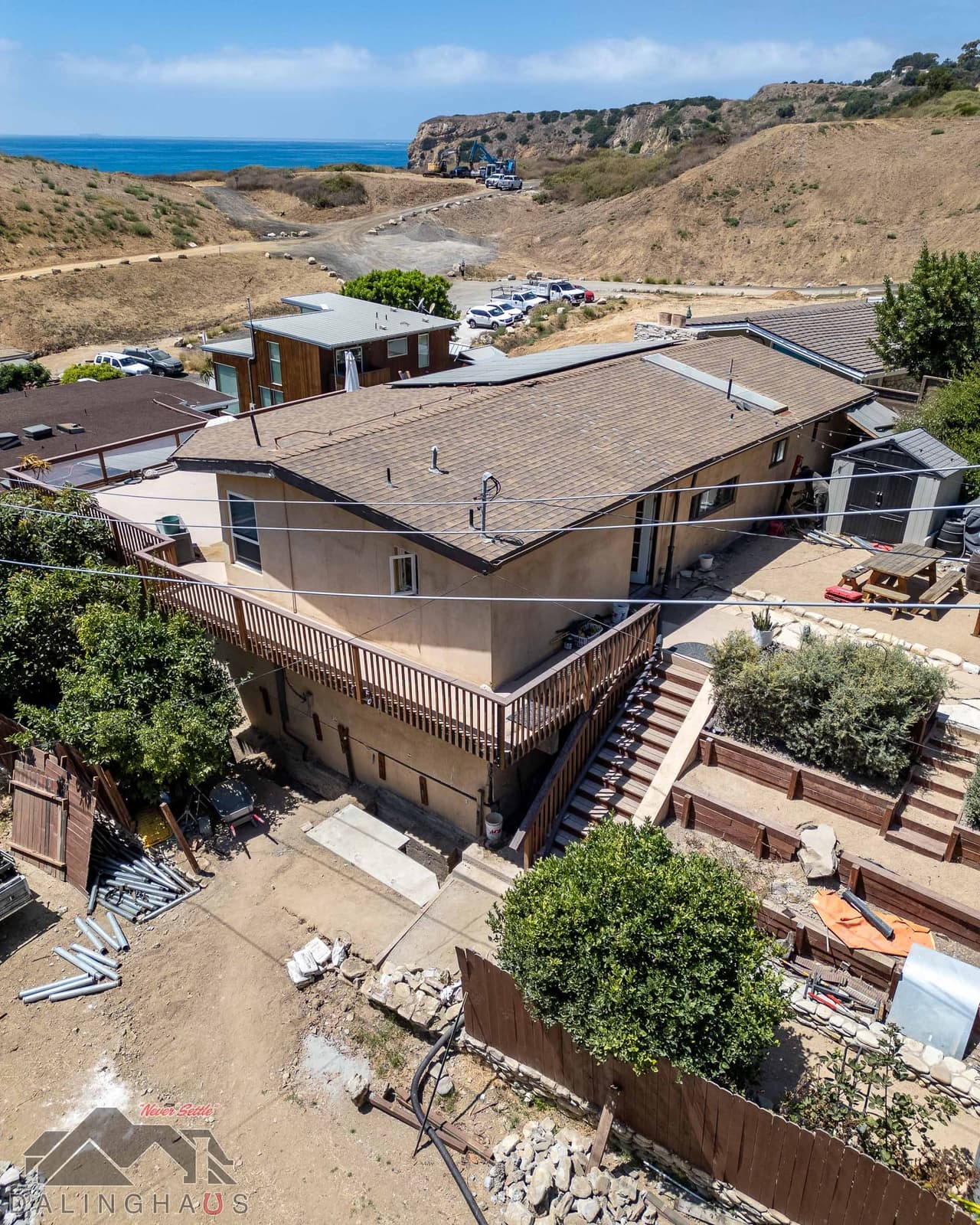
Hillside repair stabilizes the slope a home sits on, so the ground stops carrying the house, the yard and the concrete around them downhill. Building on the side of a hill can bring great views and added value. Building there without a proper foundation, or on a slip plane in the slope (the layer a slope tends to slide along), can bring the opposite. One thing is true of every hillside: it is always moving a little, and how much depends on how the slope was built and what it is made of.
Four things decide how much a slope moves. First is how well it was built: man made slopes need compaction testing as the fill soil goes in, and fill that was not compacted properly makes an unstable slope. Second is what the slope is made of. Clay soil expands and contracts, and it turns slippery when it gets wet, which is how a slope starts to slide. Third is plant cover, because roots weave the soil together and cut down on runoff in heavy rain. Fourth, and critical to how long a slope lasts, is drainage. That is why you see catch basins and V shaped ditches on slopes: they break up the water before it can wash the slope out. When a slope does move, leaning trees, tilting fences and walls, and gaps in the concrete around the house are the common signs of slope movement. Each one is explained with its causes among the hillside warning signs we diagnose.
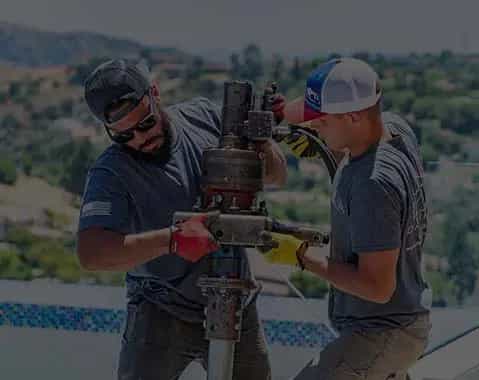
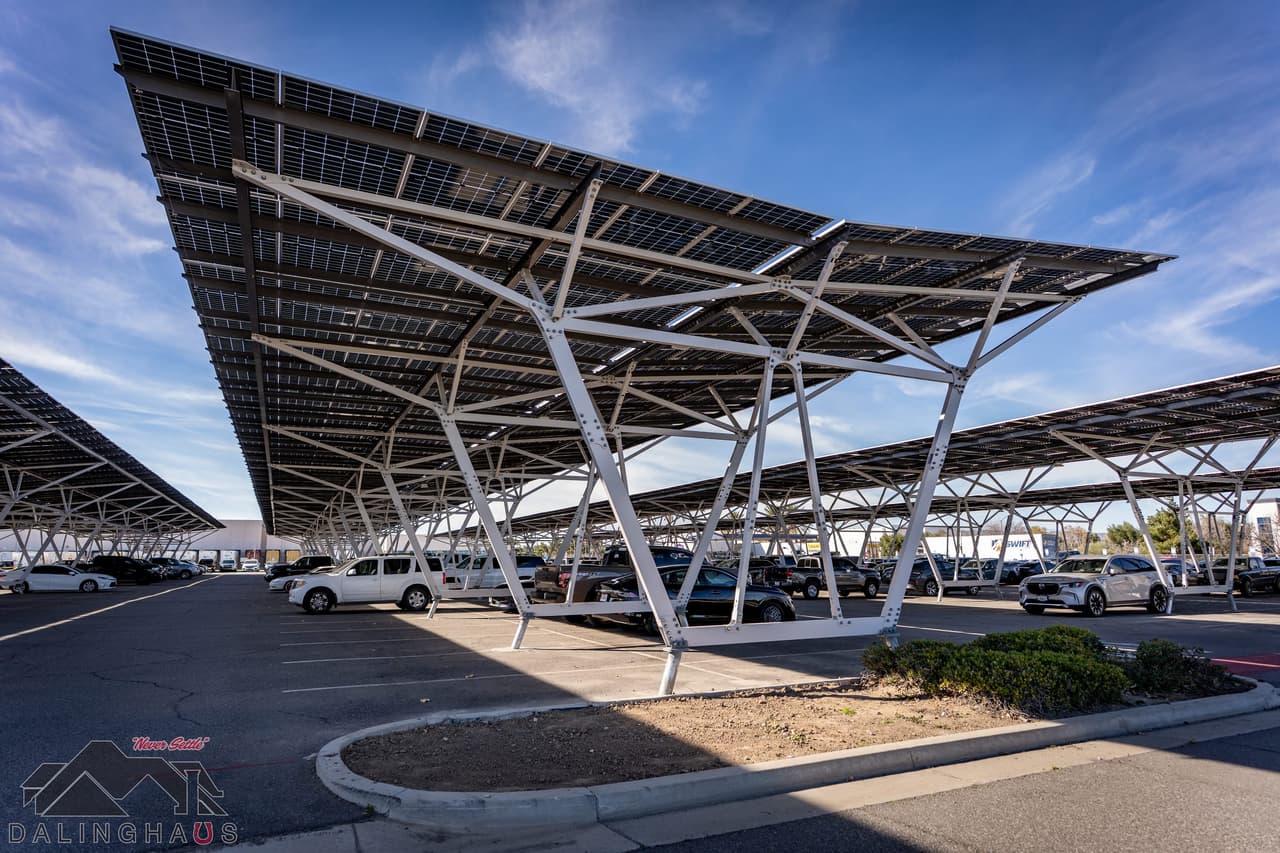
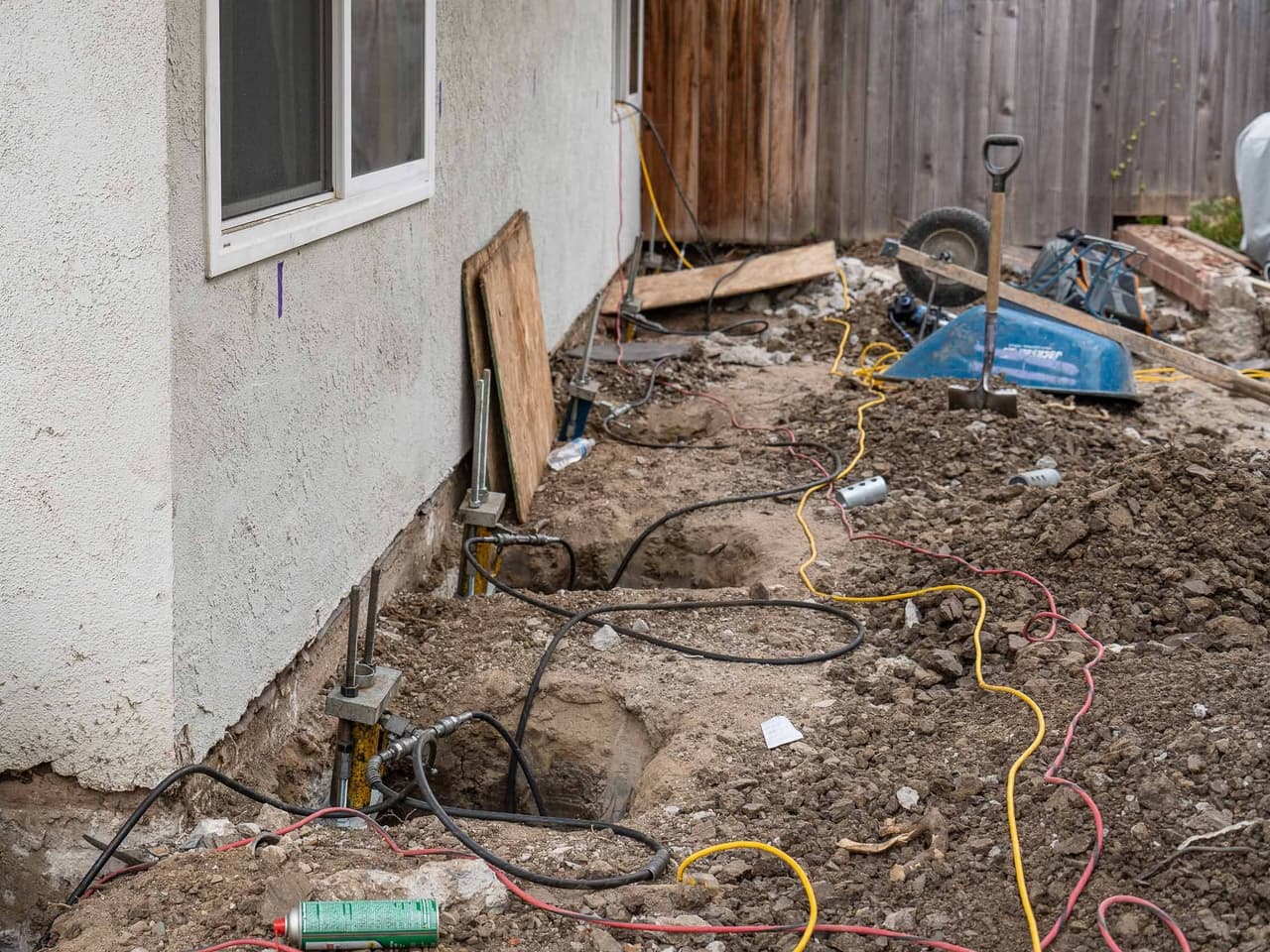
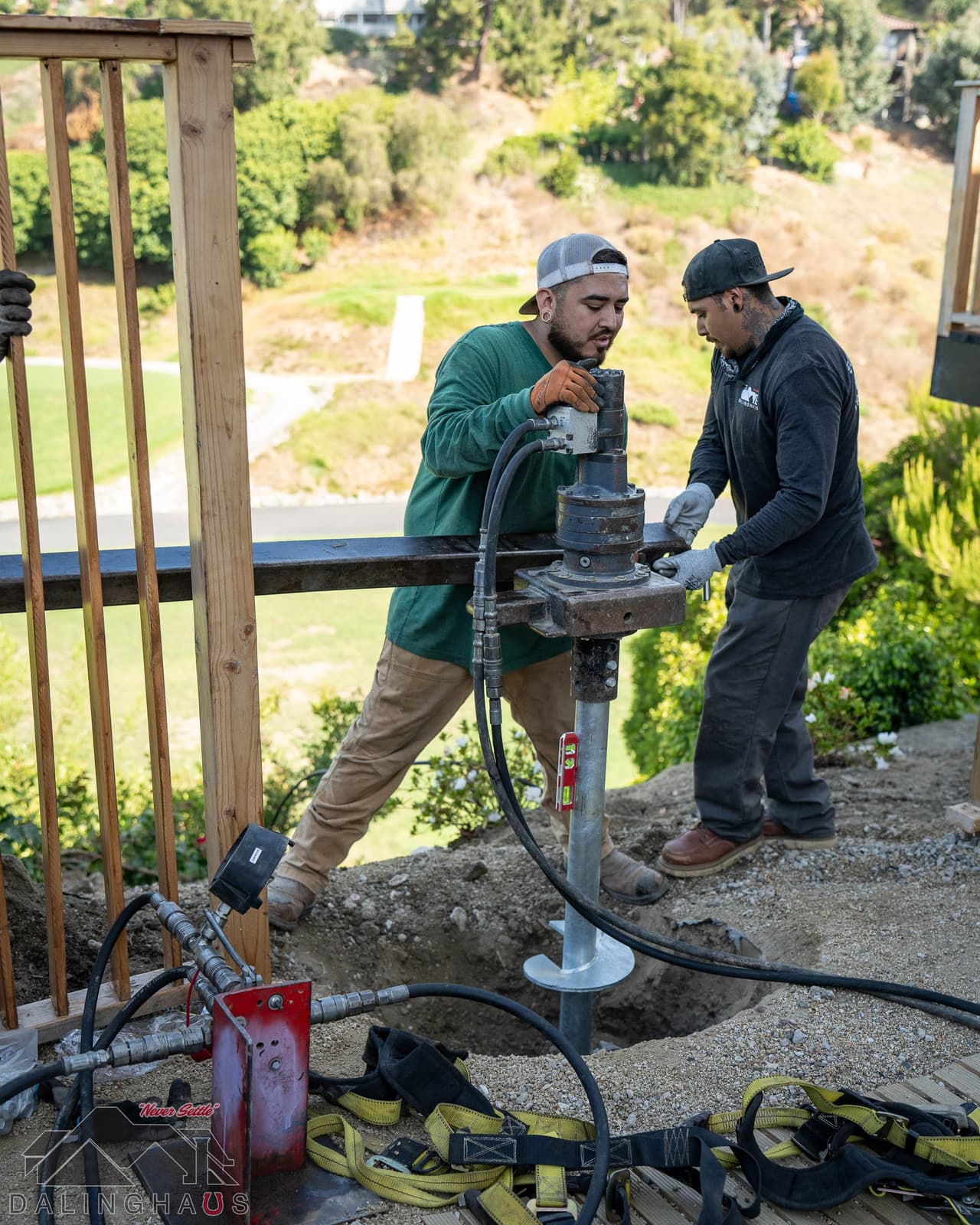
We have worked with engineering firms for many years on cost effective slope repair methods, and the fix depends on the slope. Stabilizing a moving slope often means retaining wall systems tied to piers, helical piles and anchors. Where a slope calls for it, drilled soldier piles are set tightly in a line through the fill and into dense native soil. Another option is soil nailing with grouted bars, tied together behind a concrete or shotcrete wall. Every slope is built differently, and a higher price does not make one method better than another. If the house itself is moving too, tiebacks can be installed on its foundation to anchor it into native soil, which is foundation repair under the home. Every project starts with a free evaluation.