CH 01
The rust cycle: how a concrete wall cracks itself from inside
Stem wall damage is usually a steel problem wearing a concrete face. Moisture works through the concrete to the rebar inside, the steel begins to corrode, and corroding steel expands with enormous force against the concrete around it. The concrete cracks from within, the crack admits more moisture, the rust advances, and the cycle feeds itself. Horizontal cracks along the wall, rust colored staining bleeding through the surface, and spalling, concrete flaking or popping off in patches, are the same process at three stages of maturity.
The cycle explains the two facts that surprise homeowners most: why a wall that looked fine for decades deteriorates quickly once spalling starts, and why a cosmetic patch fails, since covering the crack does nothing to the expanding steel behind it. The patch pops off on schedule.
CH 02
The repair: interrupt the cycle, then rebuild the strength
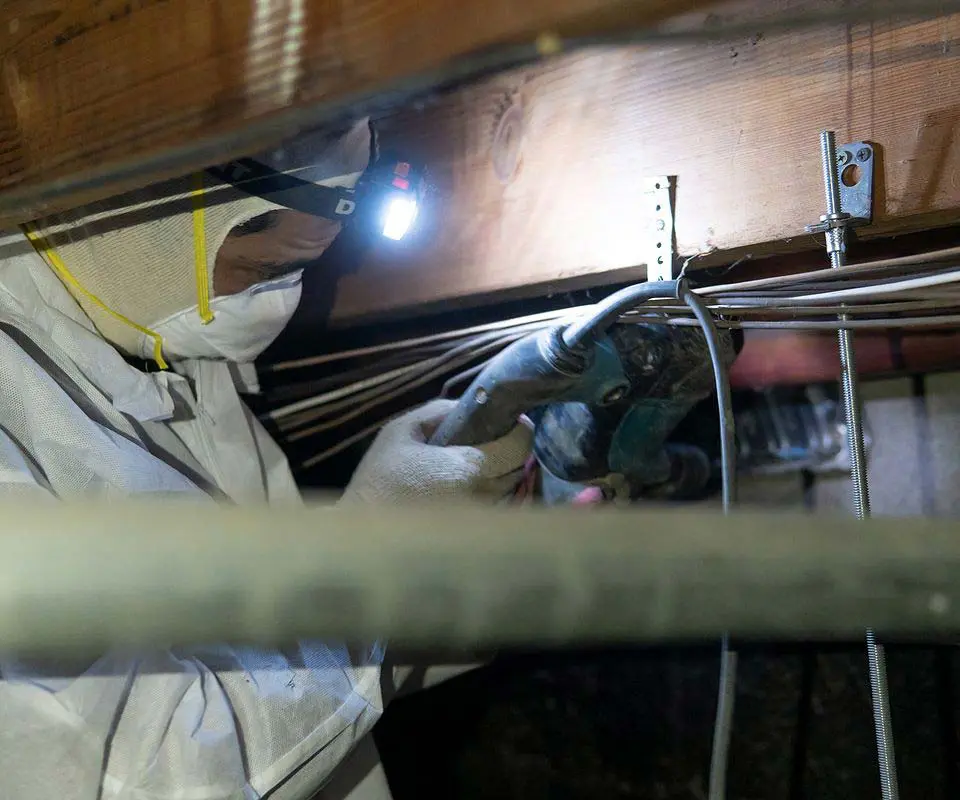
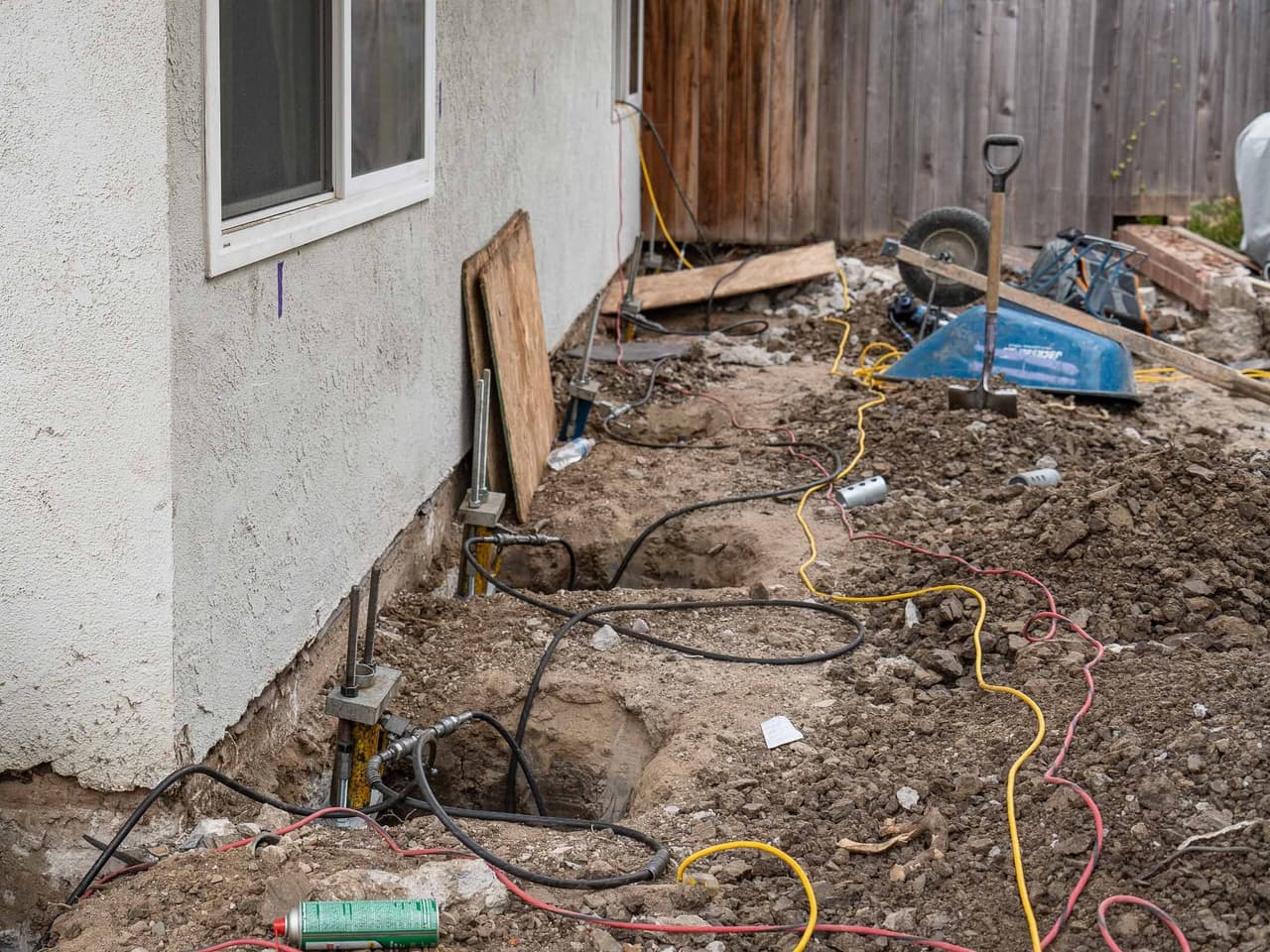
A lasting stem wall repair works from the steel outward. Damaged and delaminated concrete comes off back to sound material, exposing the rebar that caused it. The steel is cleaned of corrosion and treated so the rust stops advancing, and bars that have lost too much cross section are supplemented with new steel. Only then is the wall rebuilt, with repair mortar bonded to the sound concrete, restoring the protective cover that keeps moisture off the steel. Structural cracks that run beyond the spalled zones are sealed with epoxy injection where the wall calls for it.
The finished wall is not a patch over a process; it is the process stopped and the section rebuilt. Stem wall and crawl space structural repairs come with their warranty terms in writing.
CH 03
The water that started it, and when a wall just needs watching
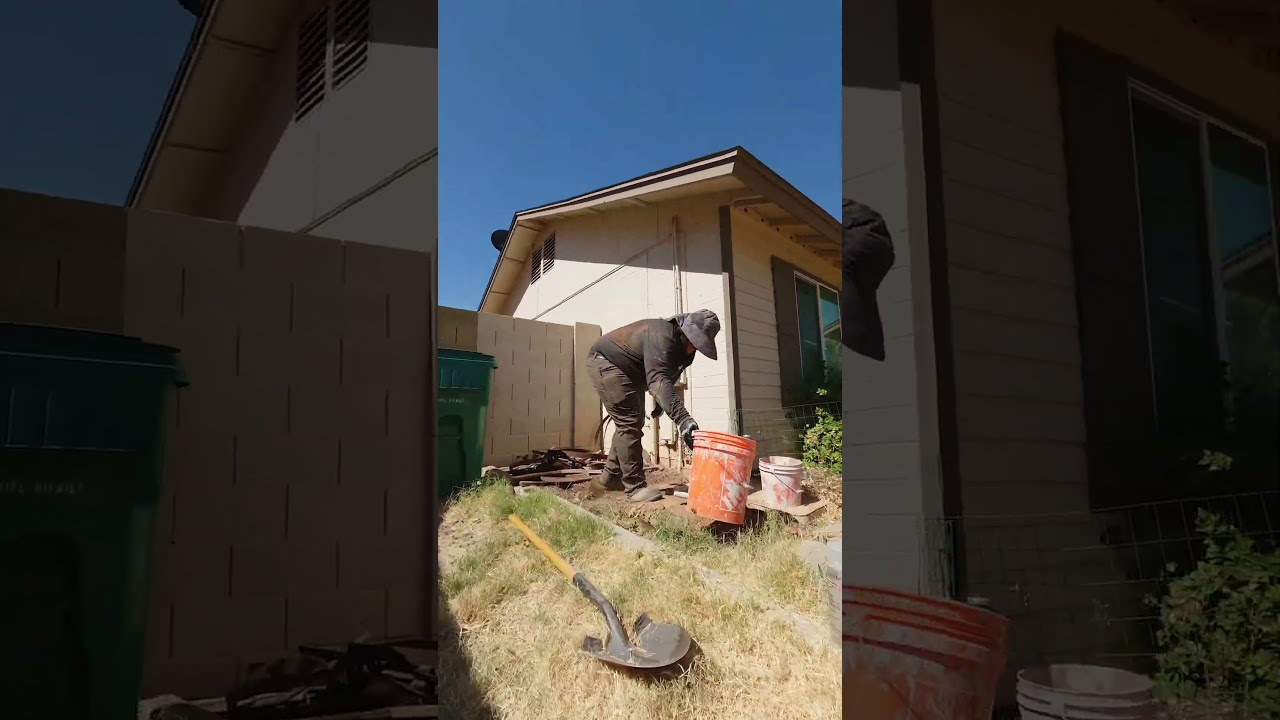
The moisture that reached the steel came from somewhere: a downspout discharging beside the wall, irrigation spraying the concrete on a timer, grading that holds water against the foundation, or ground staying saturated after rain the way our groundwater seepage problem sign describes. The repair scope includes correcting that source, often with rerouted downspouts or grading and drainage work, because a rebuilt wall standing in the old moisture pattern is queued up to rerun the failure.
The honest scope note: fine vertical shrinkage cracks with no rust staining and no spalling are common in stem walls and often cosmetic. The evaluation separates them from structural cracking by pattern, width, and what the crack edges show, and a wall that only needs monitoring gets exactly that recommendation in writing.