
Foundation Repair warning signs and what causes them.
Identified, explained, and diagnosed by specialists who see them every day. Free on-site evaluations across California, Arizona, and Nevada.

Let's take the first step toward solid ground.
A local specialist will evaluate your foundation, walk you through the findings, and send a clear estimate. No cost, no pressure.
Every foundation repair warning sign we diagnose.
The warning signs we diagnose for foundation repair: bouncing floors, bowing walls, ceiling gaps, cracked block foundation, cracked bricks, cracks in door frames, ceilings, and corners, and 23 more. Each page explains what causes the symptom, how serious it is, and the repair that fixes it, and every on-site evaluation is free and ends with written findings.
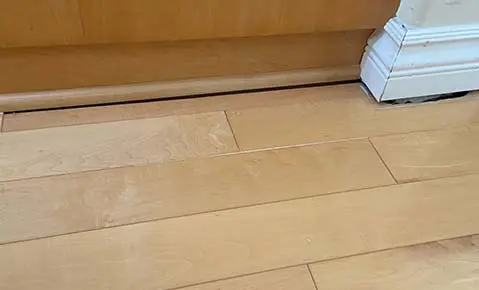
Bouncing Floors
Solid floors feel solid because the framing barely moves. Bounce means the joists or their supports are giving too much, and it is measurable and fixable.
Learn more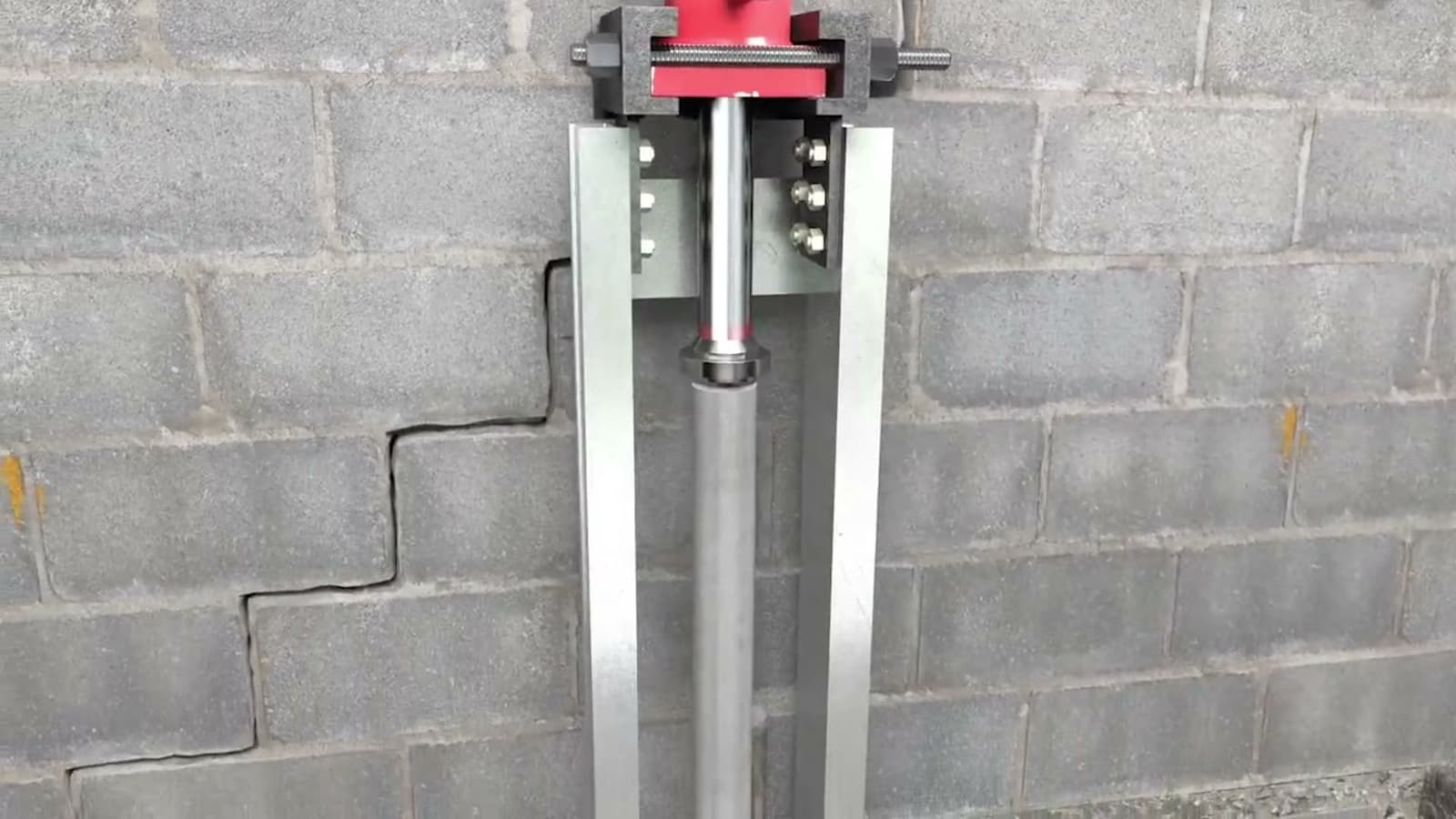
Bowing Walls
Walls are built to carry weight down, not to hold ground back forever. When lateral pressure wins, the wall curves. Here is how to stop it.
Learn more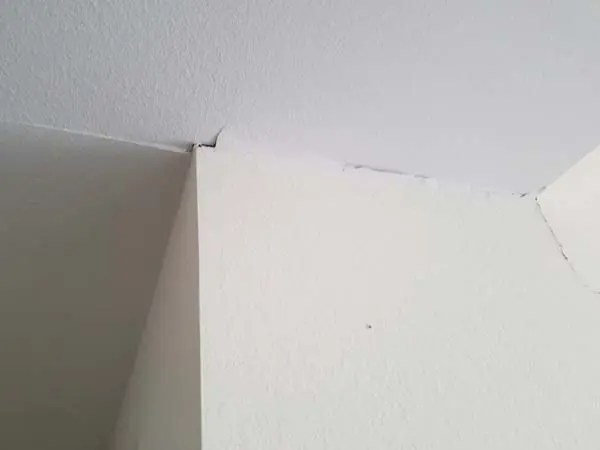
Ceiling Gaps
Walls and ceilings are supposed to move together. When a seam opens between them, something is moving one and not the other.
Learn more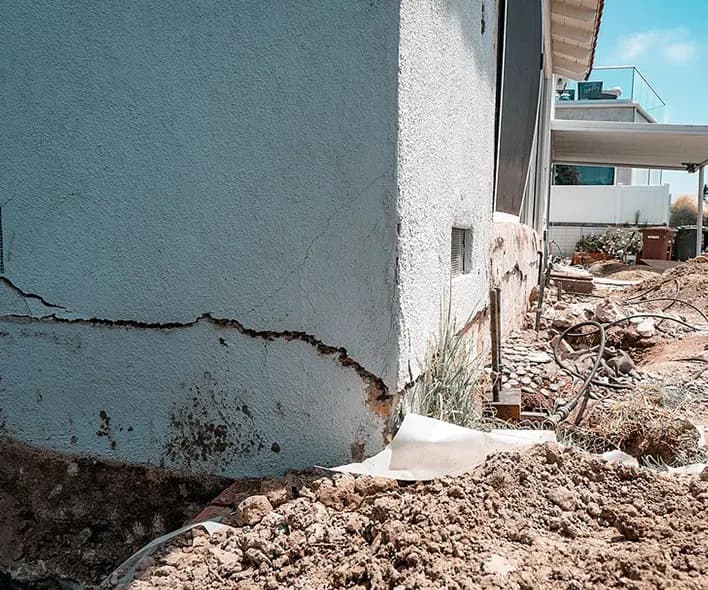
Cracked Block Foundation
Stair step, vertical, or horizontal: the direction of a crack in a block wall tells you whether the soil is sinking, shrinking, or pushing.
Learn more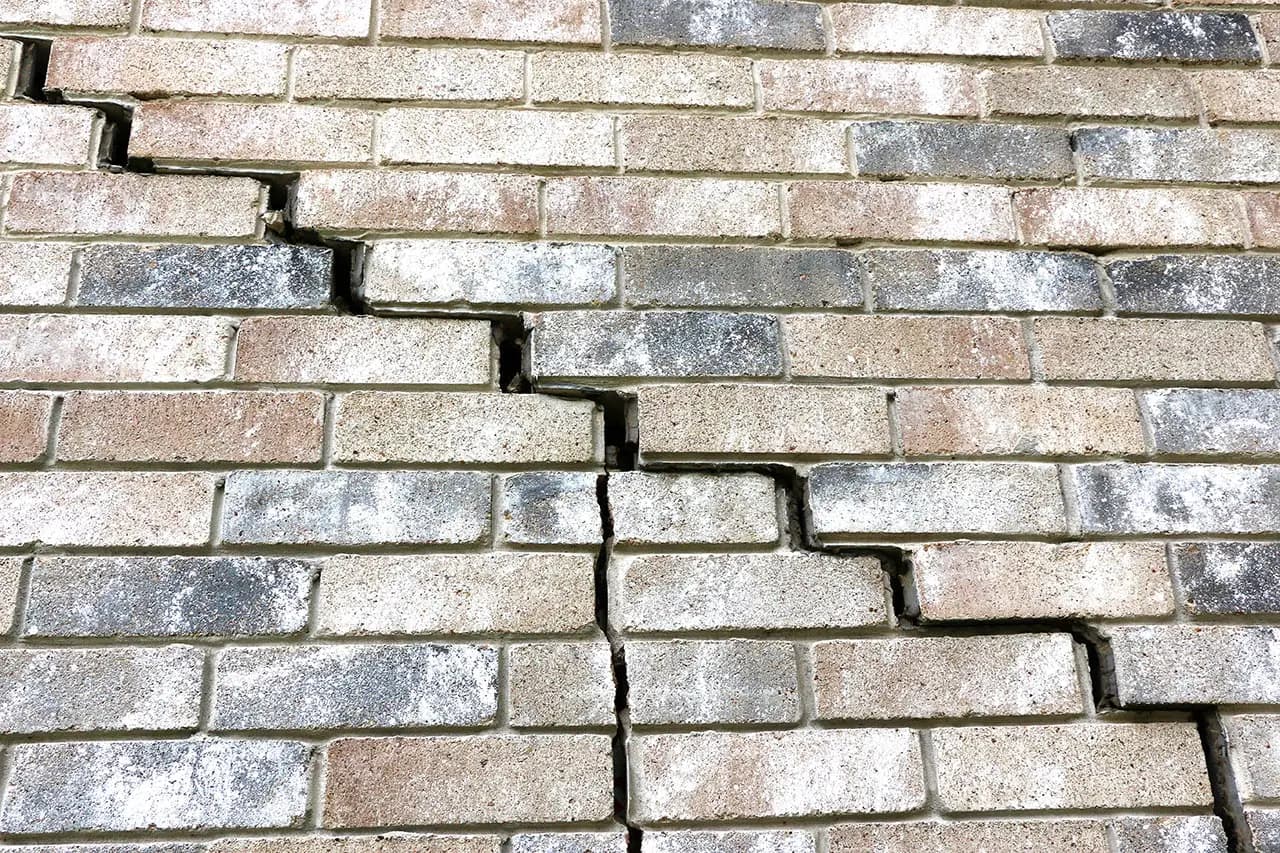
Cracked Bricks
Mortar cracks first because it is the weak link. A crack running through the brick means the stress kept building. Here is what that tells you.
Learn more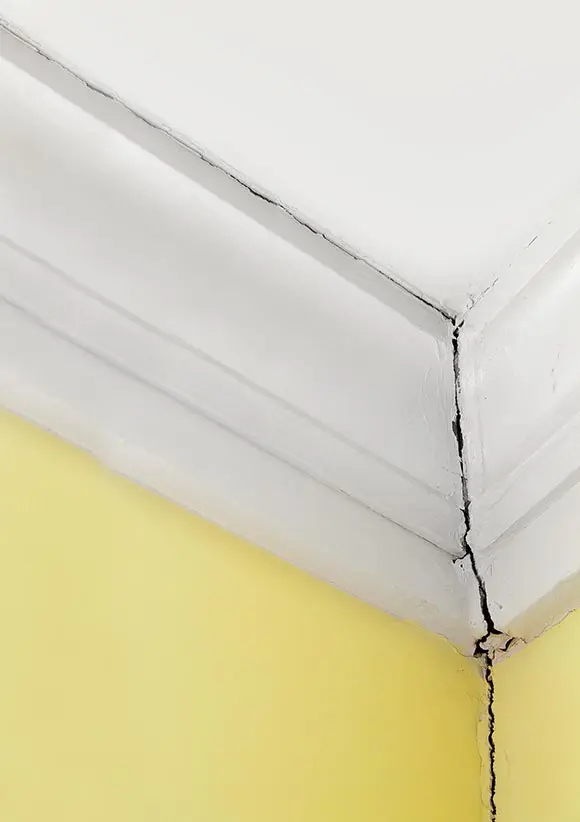
Cracks in Door Frames, Ceilings, and Corners
Door frames, ceiling lines, and wall corners are the stress concentration points of your home. When the foundation shifts, they report first.
Learn more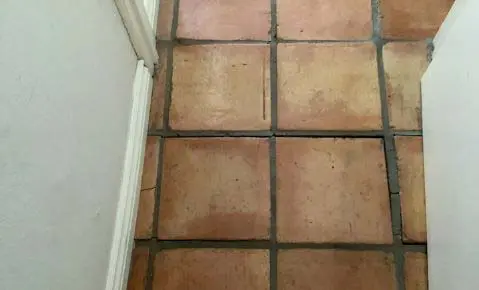
Cracks in Floor Tiles and Grout
Tile is rigid and honest. When the concrete below moves, the tile reports it. Here is how to tell a bad tile from a moving slab.
Learn more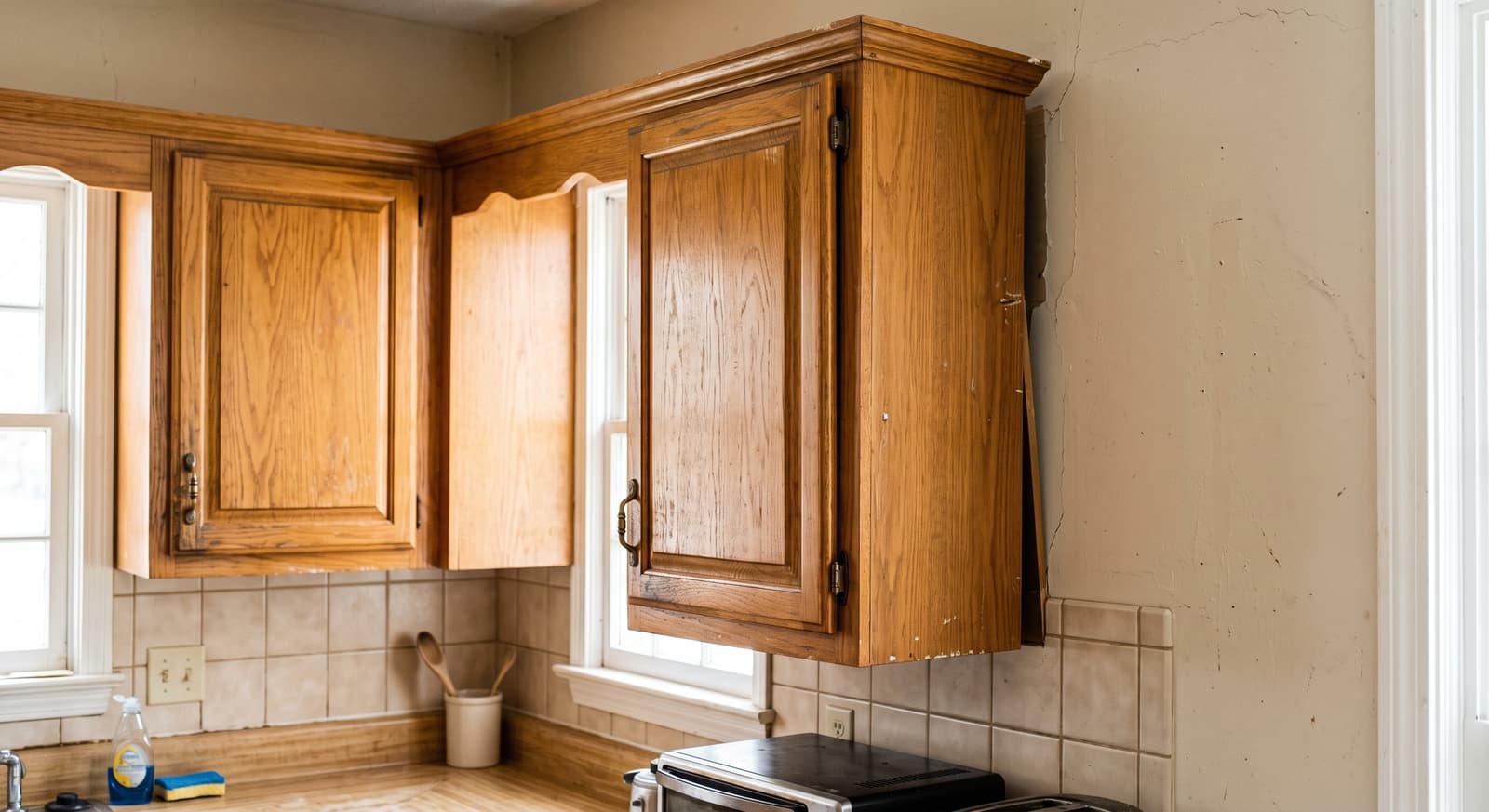
Detached Cabinets
A gap opening between the cabinet and the wall, or doors that stopped lining up, usually means the structure they are anchored to has shifted.
Learn more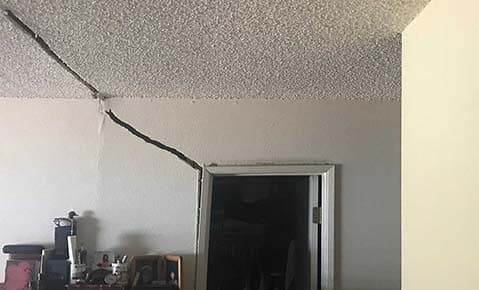
Diagonal Cracks
Angle is information. A diagonal crack means one part of the wall is moving relative to another, and that almost always starts at the foundation.
Learn more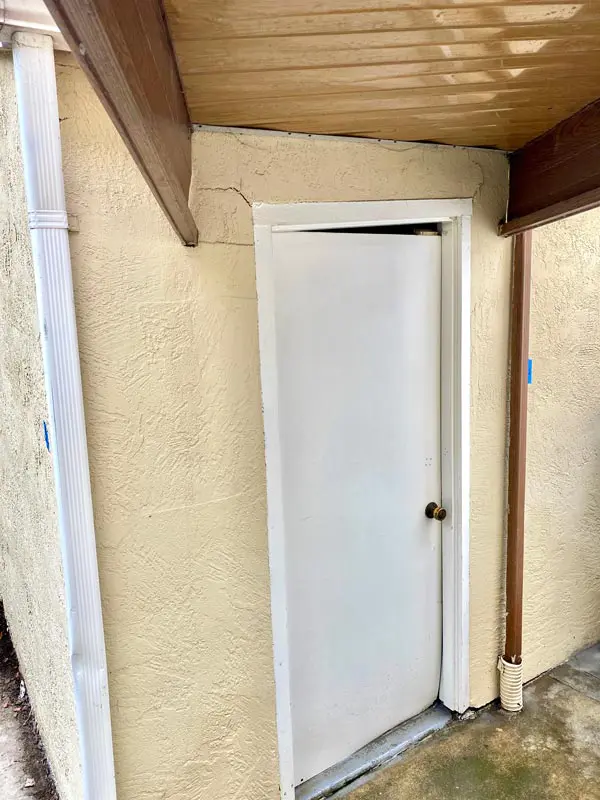
Doors Not Latching
Latches miss because the frame moved, and frames move with the structure. Here is how to read what your doors are telling you.
Learn more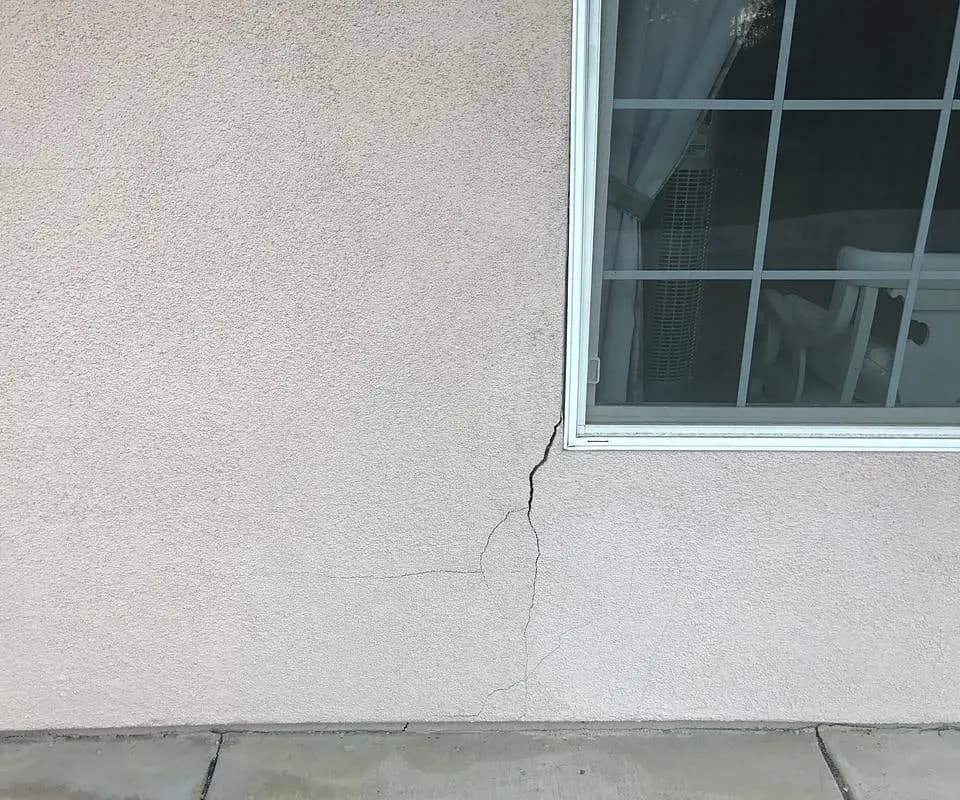
Doors and Windows Misaligned
Openings do not drift out of alignment on their own. Here is how wall movement and settlement pull frames out of square, and which repair addresses the movement underneath.
Learn more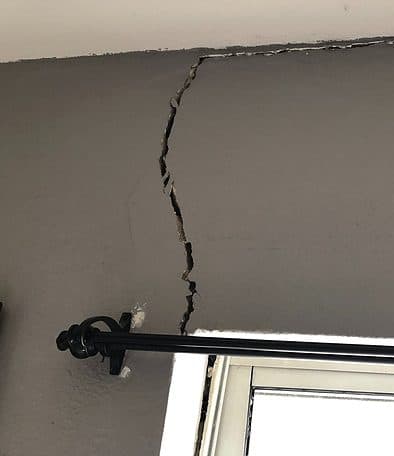
Drywall Cracks
Some cracks are only paint and seasons. Others are the structure flexing over a moving foundation. Here is how to read which one you have.
Learn more
Drywall Nail Pops
A popped fastener is usually lumber doing lumber things. It earns attention when pops arrive in groups, with cracks, in a house that is also moving elsewhere.
Learn more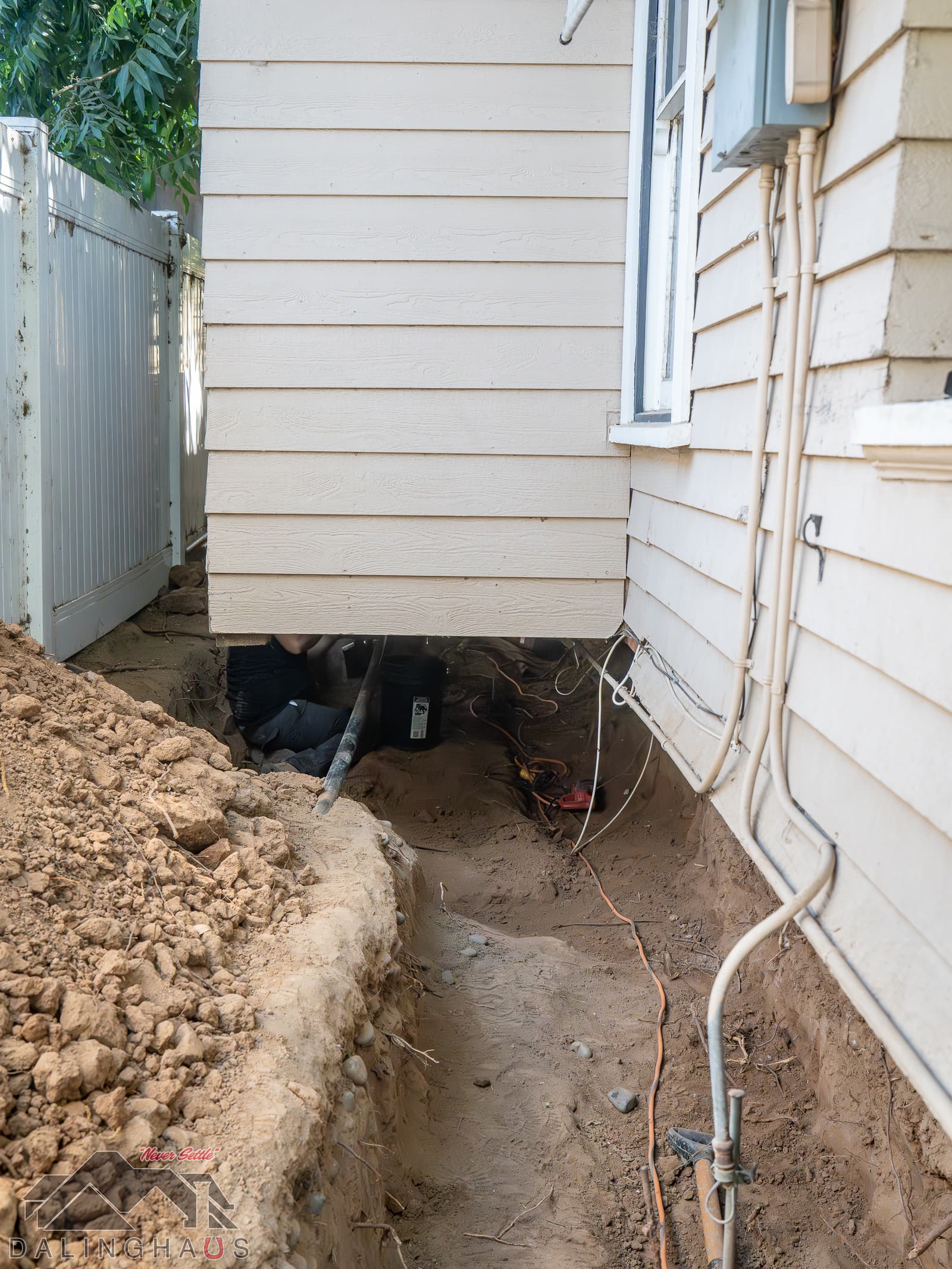
Expansive Soil
Clay that swells when wet and shrinks when dry is the engine behind most foundation damage in the Southwest. Understanding it explains almost everything else.
Learn more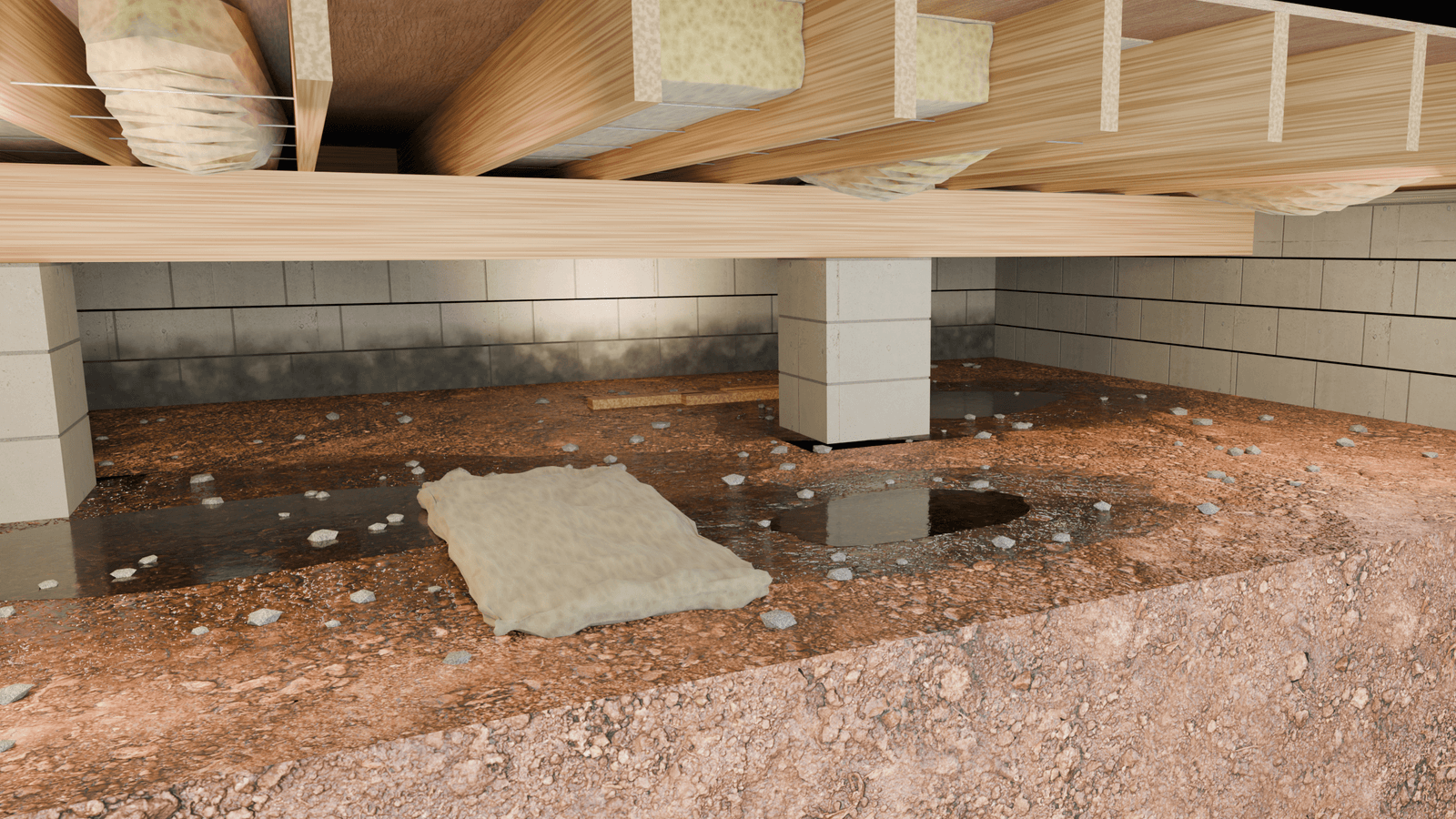
Flood Damage
Flooding changes the ground your home stands on: eroding it, softening it, and loading the walls that hold it back. The structural check comes after the cleanup.
Learn more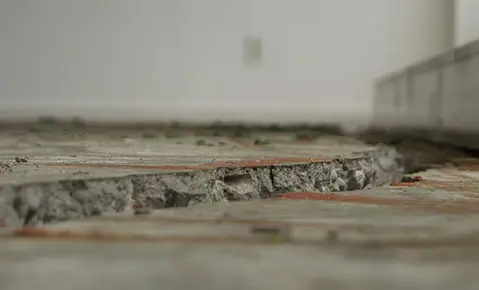
Floor Cracks
Concrete cracks where it loses support. Here is how soil movement breaks a slab floor and what actually restores it.
Learn more Foundation Upheaval
When wet clay swells under the slab, it lifts the house from below. The fix starts with finding the water before repairing the concrete.
Learn more Gaps Around Windows and Doors
When frames distort, seams open. Here is why settling foundations create those gaps and why caulk alone never closes them for long.
Learn more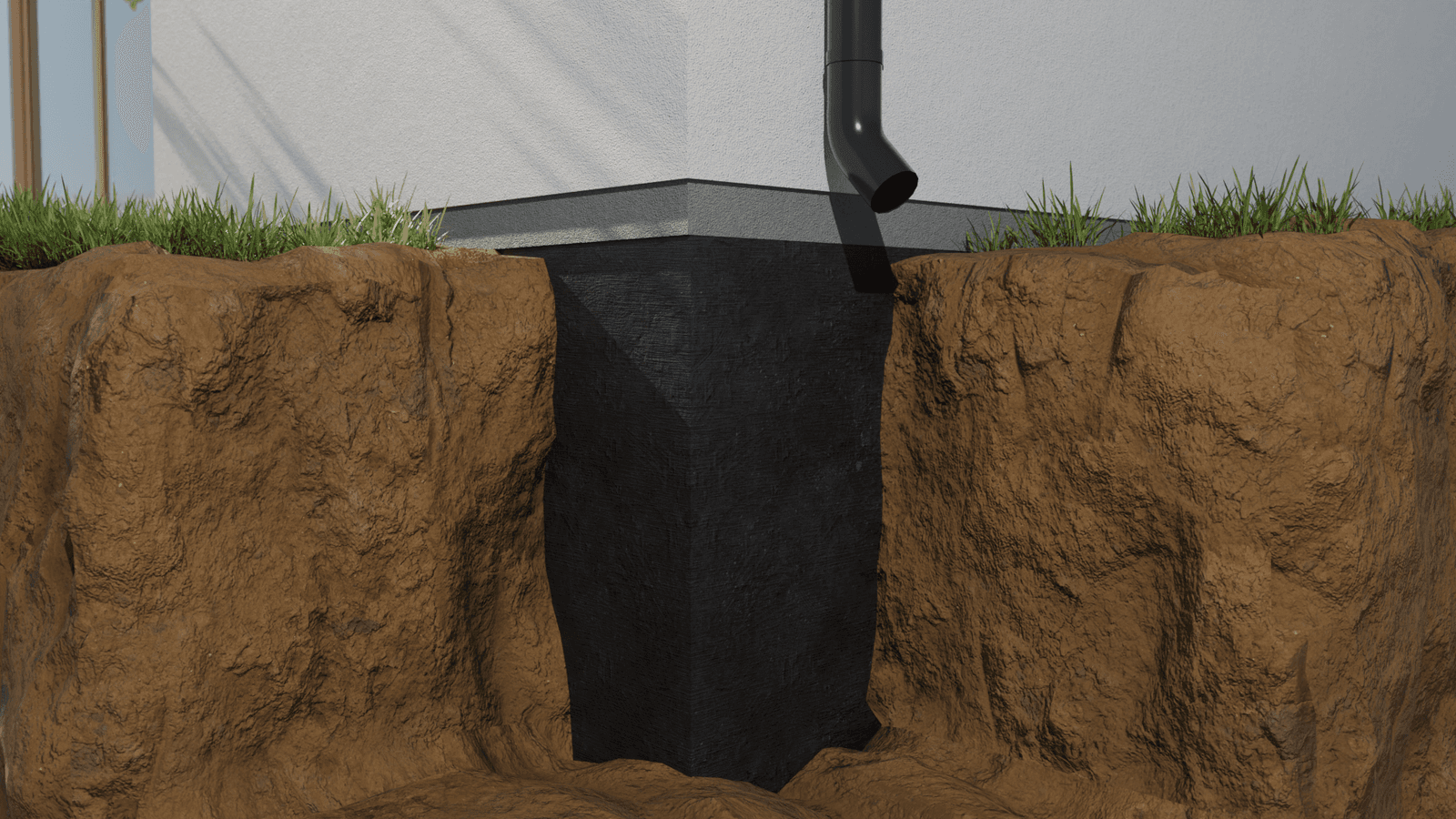
Improper Drainage
Water pooling against your home is the upstream cause behind settlement, heave, and wall pressure. Fixing it early is the cheapest foundation work you will ever do.
Learn more Large Cracks from Shifting or Water Pressure
Wide cracks in concrete or masonry are the structure yielding to soil compression or water pressure. Here is what the size and shape tell you.
Learn more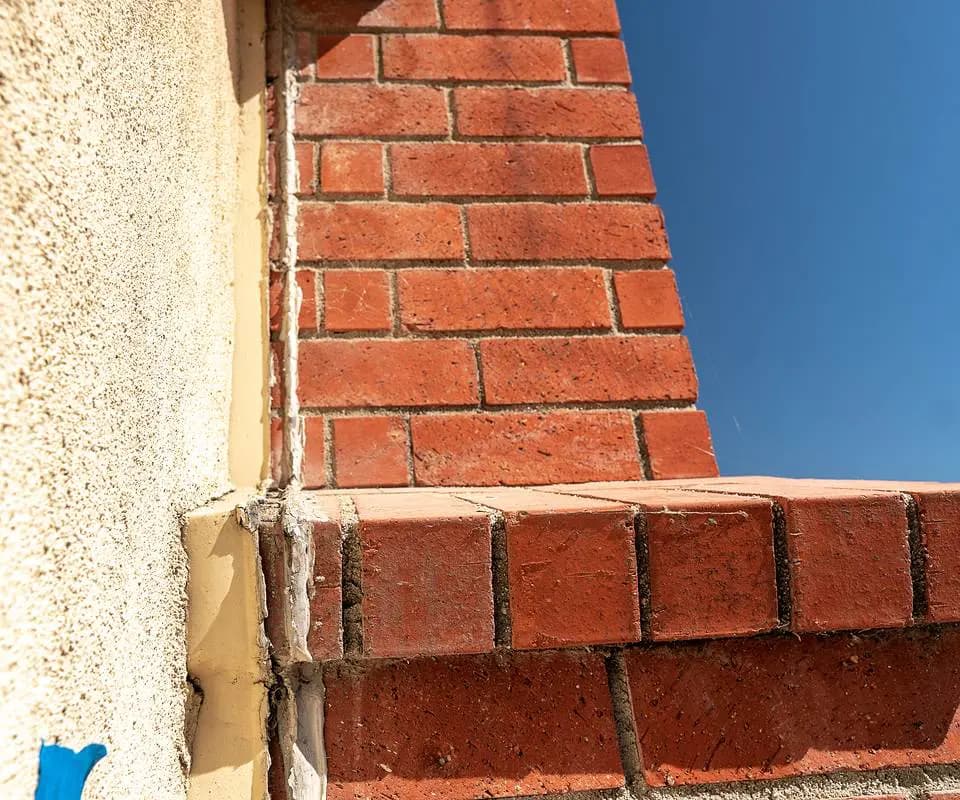
Leaning Chimneys
Chimneys tilt when the soil under their footing gives way. Here is why it happens and why the fix starts at the ground, not the brick.
Learn more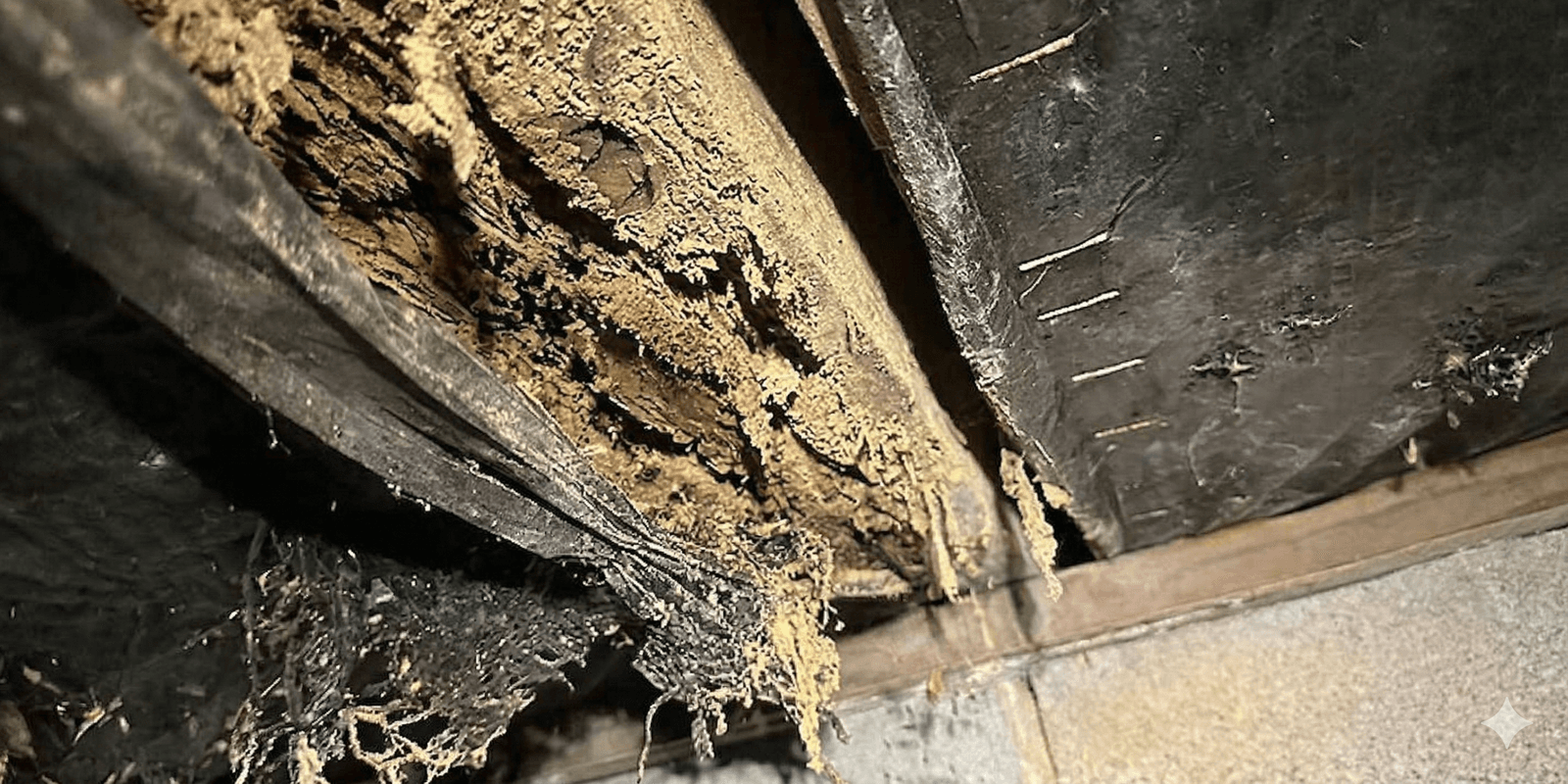
Rotten Wood
Rot needs water to live. Find where the water comes from, fix it, and repair the wood, in that order, and the problem stays fixed.
Learn more Raised Foundation Settlement
Post and pier foundations carry the house on dozens of small footings. When the soil under some of them gives way, the floor above goes out of level.
Learn more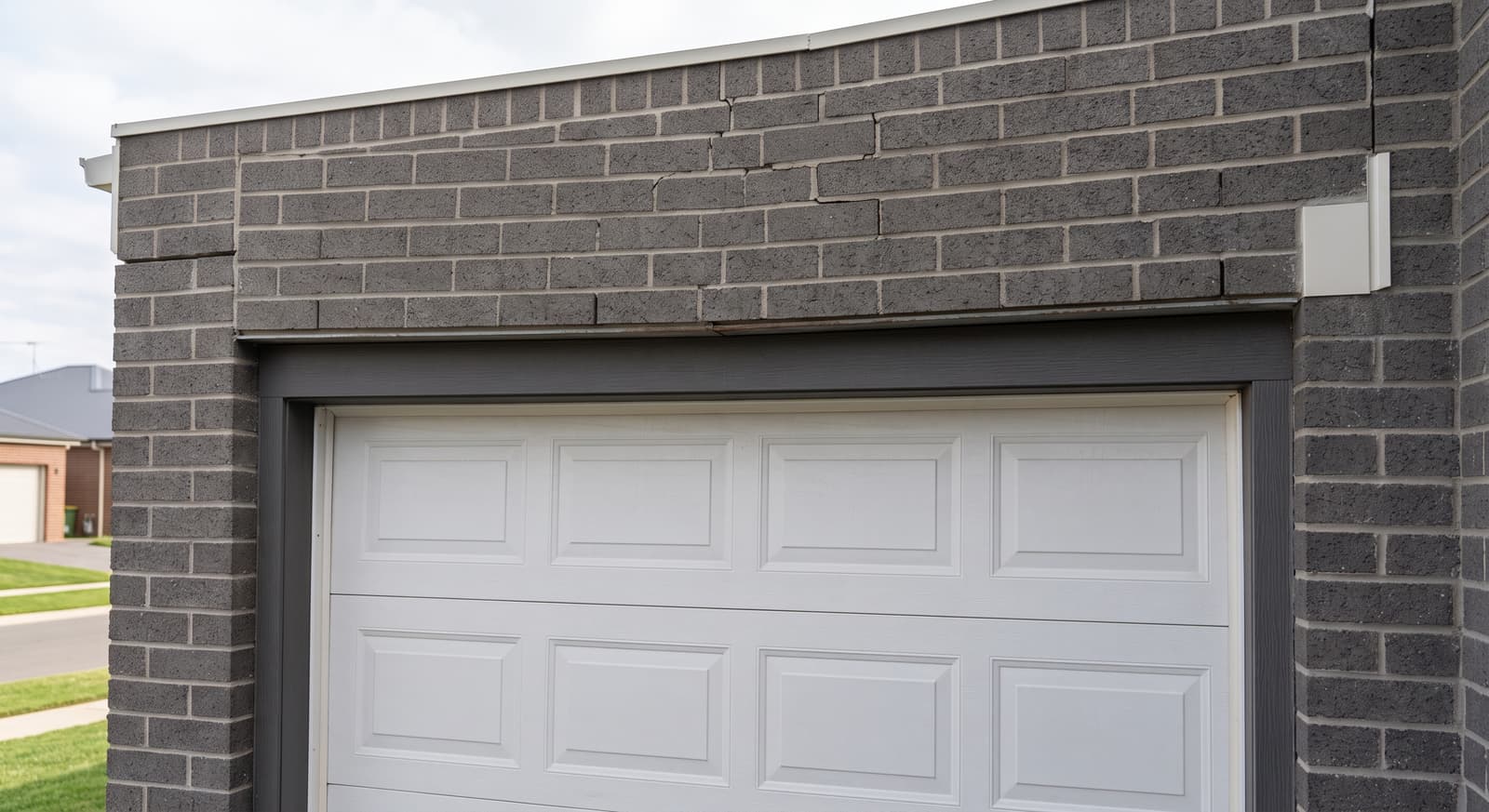
Sagging Lintel Above Garage Door
A garage opening is the widest span in most homes. When the beam above it sags or the corners supporting it settle, the wall overhead lets you know.
Learn more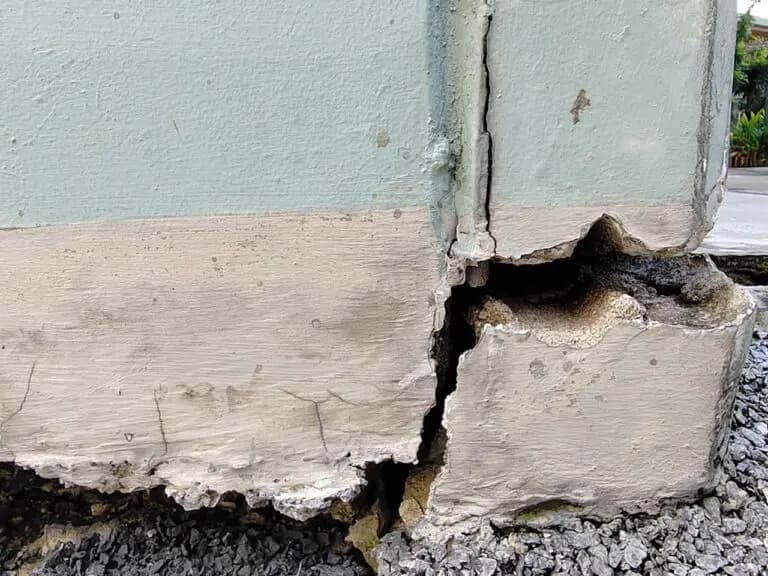
Sinking Foundation
The concrete did not fail. The ground under it did. Here is how settlement works and how steel piers take the soil out of the equation.
Learn more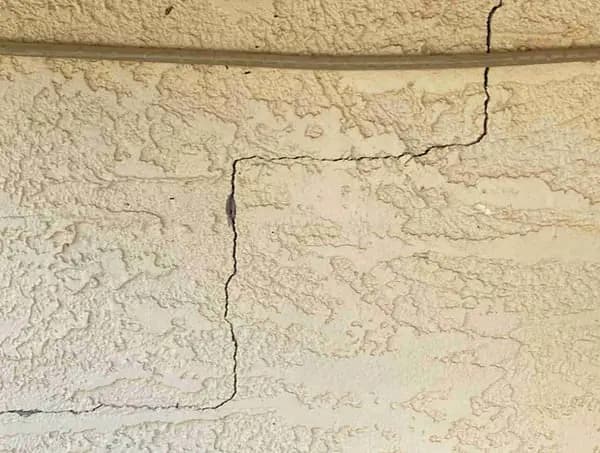
Stair Step Cracks
When mortar joints crack in a staircase pattern, the foundation below has usually moved. Here is what that means and what actually fixes it.
Learn more Sticking Doors and Windows
When frames rack out of square, the structure holding them has moved. Here is how to tell humidity swelling from settlement, and what actually fixes it.
Learn more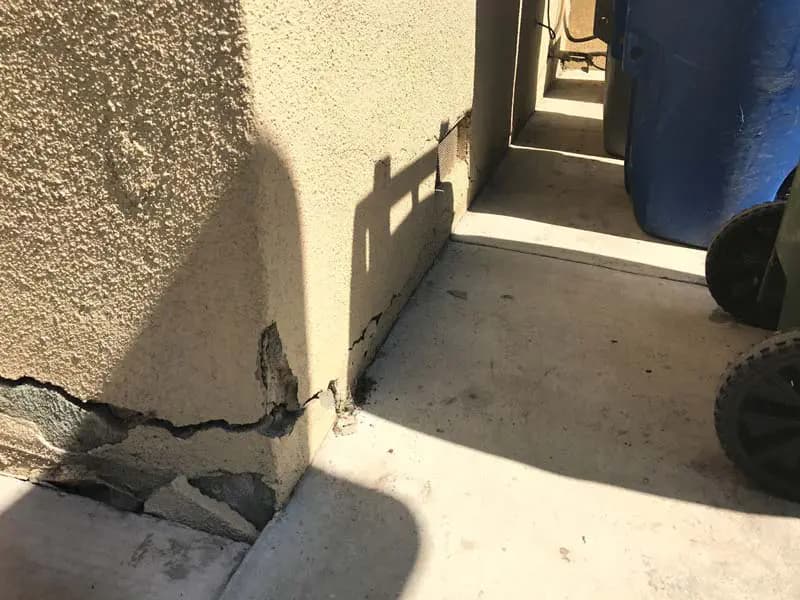
Stucco Cracking
Hairline crazing is cosmetic. Diagonal cracks off the window corners are structural. Here is how to read your walls before you repaint them.
Learn more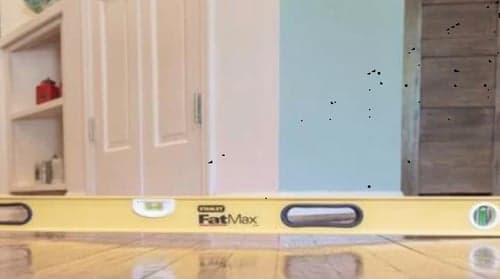
Uneven Floors
A floor does not slope on its own. Something below it settled, shifted, or weakened, and finding out which one is the whole job.
Learn moreCare and expertise from a team that's been doing this since 2011.
Dalinghaus Foundation Repair is locally owned and operated, with crews dedicated exclusively to foundation, concrete, and crawl space work across California, Arizona, and Nevada.
Foundation repair, concrete leveling, and crawl space repair are our entire focus. Not a sideline.
More than 2,000 projects on the clay and desert soils of California, Arizona, and Nevada since 2011.
CSLB License #983851 in California, ROC #330307 in Arizona, and License #0089738 in Nevada. Look us up with the state before we ever set foot on your property.
Warranty terms come in writing with every proposal, and the terms that apply to your job are stated in that job's paperwork. Ask your project specialist during the free evaluation.


Take the first step toward a healthy home.
A straightforward path from free evaluation to completed repairs.
Schedule your free evaluation.
A local specialist visits your home, evaluates the foundation, and answers your questions on site. No cost, no obligation.
Receive an estimate based on your needs.
We provide a clear, written estimate with a scope of work tailored to your home's specific issues.
Get your repairs.
Our crews complete the work on schedule, with the findings and scope in writing from the first visit.

Get the Free Foundation Repair Guide
Most foundation problems show early signs. This guide shows you what to look for, what can cause it, and how a lasting repair works, before you call anyone.
- A room by room checklist to walk your home with
- Why soil moves homes in Southern California, Arizona and Nevada
- How piers, foam injection and lifts actually work
- What a clear written proposal should include
More than 1,000 Google reviews across our offices, averaging 4.9 stars.
A 4.9-star average across Google, with verified reviews from the homeowners we work for.
Start with a free evaluation.
Share a few details and a local specialist will follow up as soon as possible to set your evaluation.
- A local foundation specialist on site
- A complete walk-through of the findings
- A clear written estimate at no cost
- No obligation, no pressure