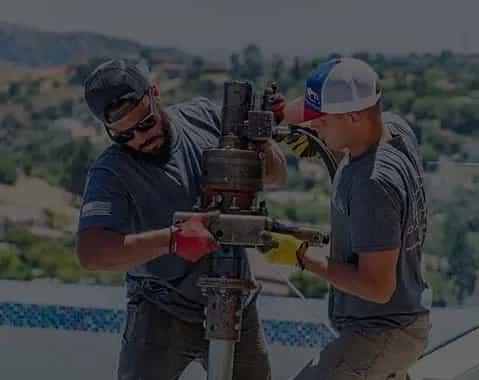
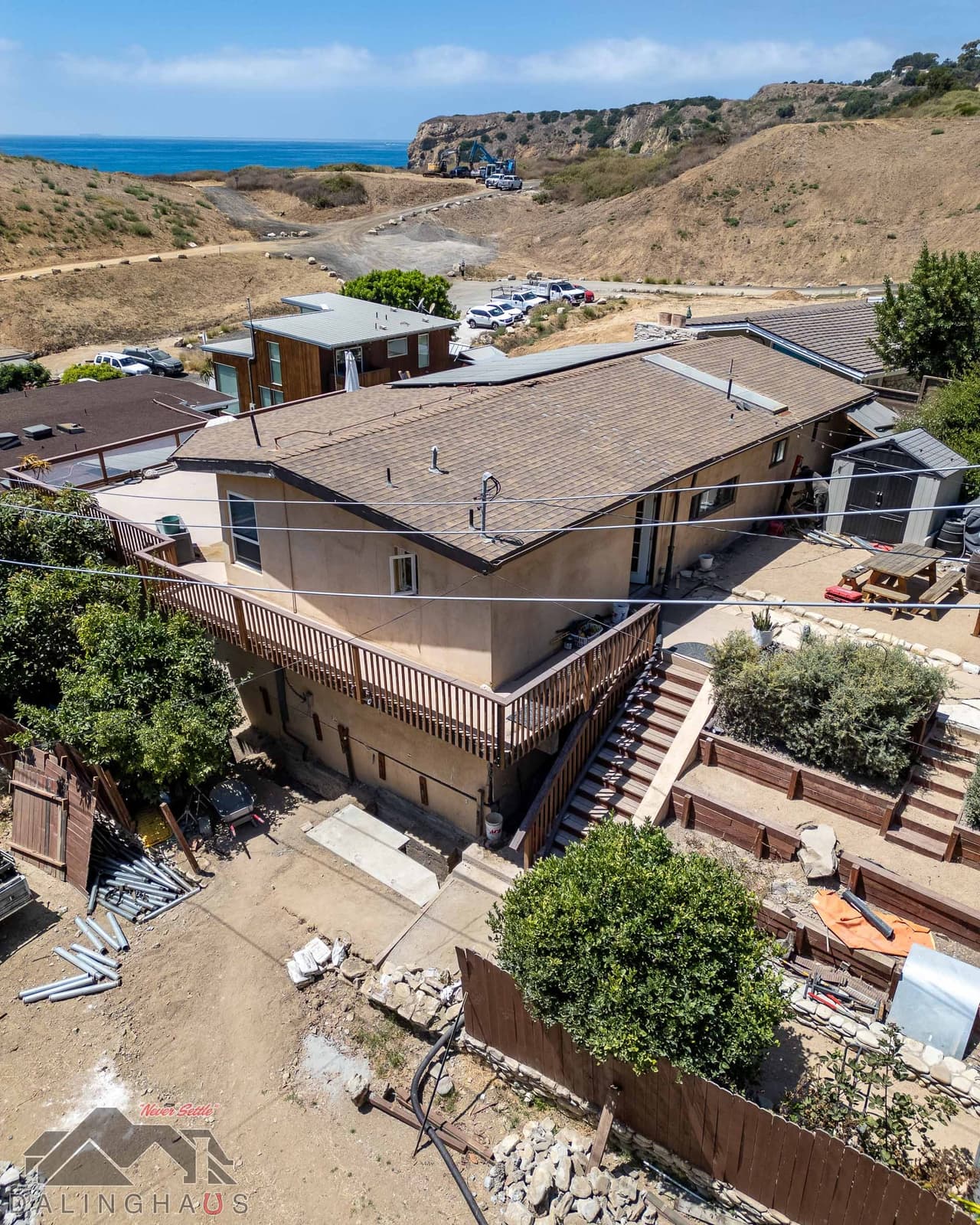
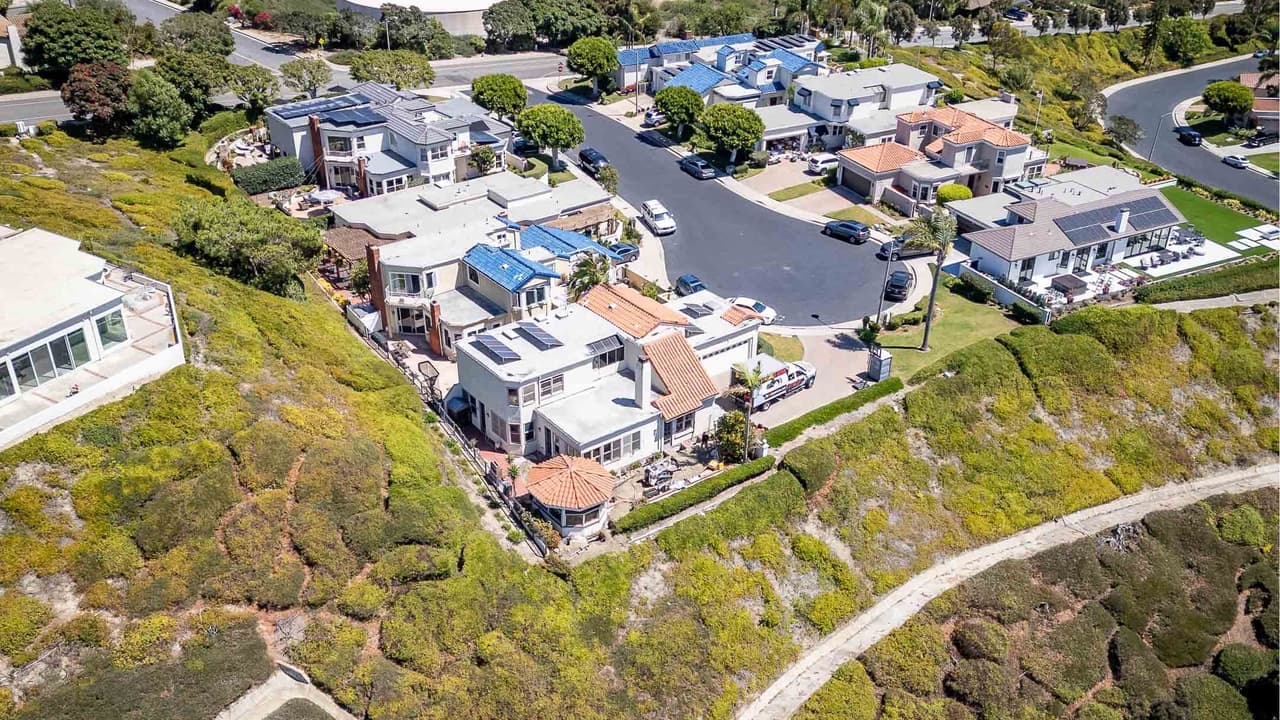
Concrete Crack Repair project photo
Concrete Repair · Since 2011

A crack is your concrete telling you what the soil did.

Patching a crack without asking why it opened is how you end up patching it twice. We find the cause, fix it, then seal the crack, with the findings and the scope in writing before work starts.

Southern California · Arizona · Nevada Since 2011

Let's take the first step toward solid ground.

A local specialist will evaluate your foundation, walk you through the findings, and send a clear estimate. No cost, no pressure.

Licensed Contractor
1,000+ Google Reviews
CA Lic. #983851 · AZ ROC #330307 · NV Lic. #0089738

Diagnosis First

How serious is the crack in your concrete?

Width, offset, and change over time separate cosmetic cracks from structural ones. Pick the closest match to what you are seeing.

Thin as a pencil line, uniform, unchanged for monthsHairline, both sides flush

This is the signature of curing shrinkage, and it is cosmetic. The only job is keeping water out of it, so sealing is the whole repair. If it has genuinely never changed, there is nothing structural to fix, and we will tell you so.

Opens in dry months, admits a coin where a pencil once fitWidening season over season

Growth means the soil under the slab is cycling or eroding. An evaluation measures it, log it, and check the elevations on both sides; if offset appears or the widening continues, the slab needs support before the crack needs filler.

You can catch a shoe or a fingernail on the offsetOne side higher than the other

Offset is proof of movement: part of the slab has lost support and dropped. Sealing alone would reopen within seasons. The low side gets lifted back into plane first, then the crack is cleaned, filled, and sealed as the finishing step.

Low section, standing water, gap opening at a jointCrack plus sinking and pooling

Multiple symptoms together mean the soil failure is well underway and each rain accelerates it. This deserves an evaluation now, while the slab is still sound enough to lift; the difference between acting this season and next can be the difference between lifting and losing the slab.

In Depth

What the full guide covers

Everything a homeowner should understand about this repair, written by the people who do it.

Read the full guideHide the full guide
CH 01

Reading the crack: what the pattern tells you

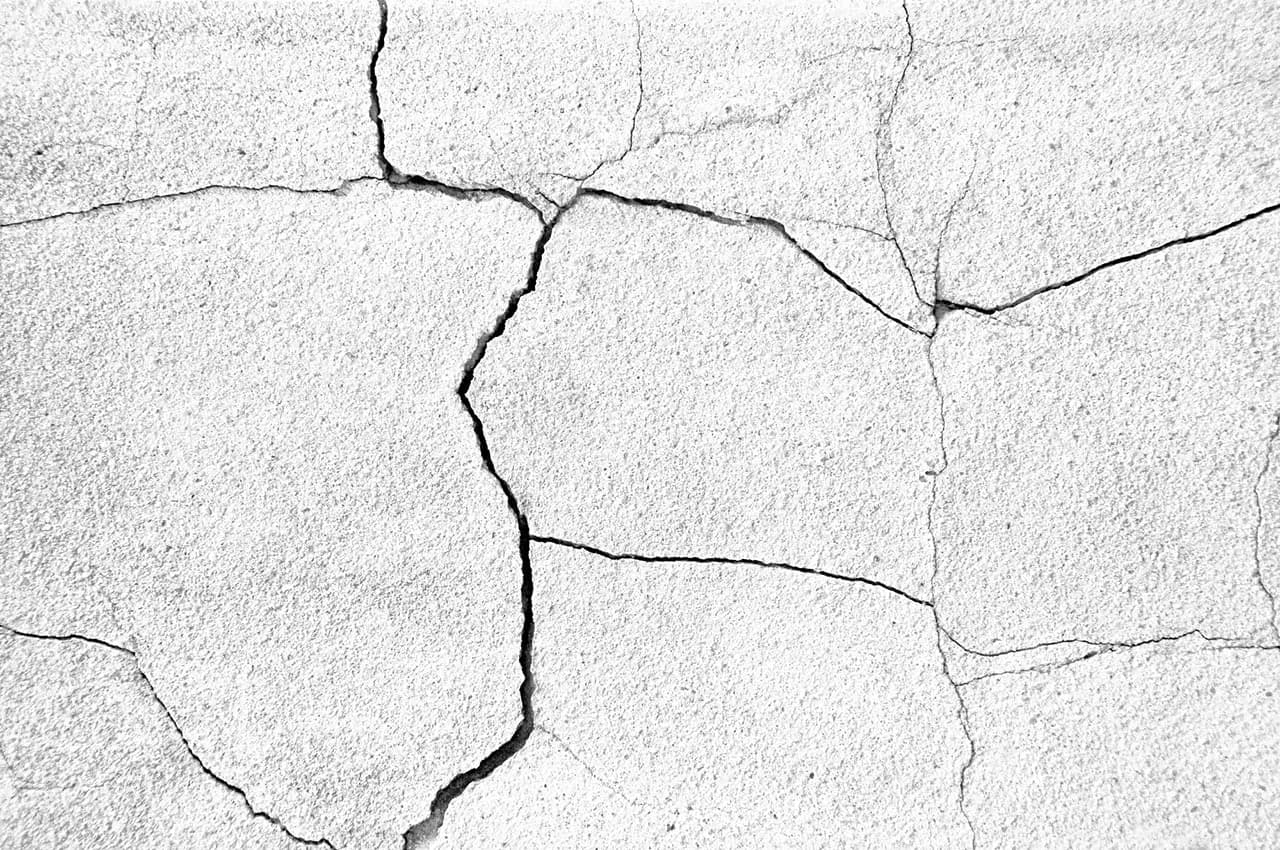
Cracks are handwriting, and the pattern names the author. Curing shrinkage writes thin, uniform hairlines, often in a faint map or grid, with both sides perfectly flush; they appear early in a slab's life and then stop changing. Settlement writes differently: cracks that run diagonally across a slab or track its low side, that widen season over season, and above all that show offset, one side sitting higher than the other. Offset is the single most diagnostic feature a crack can have, because shrinkage cannot produce it; only movement can. Expansive clay adds a seasonal rhythm, cracks that open in the dry months and tighten after rain, while a washout void tends to crack the slab in a line over the void's edge, where the supported concrete meets the bridge.

Tree roots write their own signature: cracks following the root path near a mature tree, often with a heaved panel nearby. The full field guide lives on our cracks in concrete page, but the practical summary is short: flush and stable means cosmetic, offset or growing means the soil is involved, and the two get entirely different repairs.

CH 02

When sealing alone is the right repair

Plenty of cracks need nothing but a good seal, and we would rather tell you that than invent a project. A shrinkage hairline with no offset and no elevation change is structurally meaningless; the only risk it carries is admission, the water it lets through to the soil below. Cleaning it and sealing it closes that door for a fraction of the cost of any structural work, and pairing it with surface sealing where the slab is worn buys protection for the whole surface, not just the crack.

The discipline is in confirming the crack qualifies. Flush edges today do not prove the slab never moves, so the evaluation checks elevations on both sides and looks for the settlement signatures before pronouncing a crack cosmetic. If the measurements say stable, the written findings say seal it and stop worrying, and that is the whole invoice. If they say the slab is moving, sealing alone would just buy a season, and you deserve to know that before spending anything.

CH 03

When a Slab Must Be Lifted Before the Crack Is Sealed

A crack with offset is a symptom wearing a disguise. The real problem is the void or soft soil that let one side of the slab drop, and any filler placed in that crack while the slab is still moving becomes part of the wreckage next season. So the order of operations is fixed: stabilize first, seal second. The low side is lifted with polyurethane foam injected beneath it, which fills the void, densifies the disturbed soil, and brings the two crack faces back into plane in controlled stages.

Only then does the crack itself get treated, and by then it has usually narrowed, because closing the elevation gap closes the crack with it. What remains is cleaned, filled, and sealed like any stable crack. The lift portion of that work is polyurethane concrete leveling, and its warranty terms arrive in writing with the proposal, which is exactly the assurance a formerly moving crack needs standing behind it.

CH 04

The water loop: why an open crack never stays its size

An open crack is a drain, and what it drains into is the one place water does the most damage: the soil supporting the slab. Every rain and every sprinkler cycle sends water through the opening, where it either erodes the base out from under the crack or soaks the clay and swells it. Both responses move the slab, and a moving slab widens its cracks, which admit more water. That loop is the whole reason a crack you first noticed at pencil width holds a coin two years later, and it is why crack sealing is cheap insurance rather than cosmetics.

The loop has a second entrance most owners never suspect: the expansion joints. Joint filler in our sun fails years before the concrete does, and a failed joint admits water exactly like a crack, just in a straight line. When we seal a slab's cracks, the joints get inspected and resealed in the same visit, because closing one door and leaving the other open is half a repair.

CH 05

Matching the material to the crack

Crack filling is not one product, and the wrong choice fails politely within a year. A narrow, stable crack in a driveway wants a self leveling sealant that flows to the crack's bottom and bonds both walls while staying flexible through temperature swings. A wider break gets cleaned back to sound edges and may need a backer material first, so the sealant cures as a proper joint rather than an unsupported plug. Where the slab endures traffic, the fill has to carry wheel loads without tearing; where it lives beside a pool, it has to shrug off chlorinated splash and sun.

Exposure decides as much as width does. UV is the great destroyer of sealants in Arizona and inland California, so exterior work gets UV stable products, applied to clean, dry crack walls, because preparation is most of the lifespan. None of this needs a brand pitch; it needs a match between the material's flexibility, the crack's movement range, and the exposure it will live in. That match is part of the written scope, so you know what is going into your slab and why.

Which Solution Is Right?

Which repair fits the crack in your concrete?

MethodFits whenNot a fit when
Concrete SealingThe crack is a thin hairline with both sides flush, unchanged for months, and readings on both sides confirm the slab is stable.One side of the crack sits higher than the other, or it widens season to season. Either can mean the slab is moving, and sealing alone may not hold.
Expansion JointsCracks are forming across a long slab where a joint, a planned gap that lets concrete move, was never cut.The cracked sections have sunk or risen out of line with each other. Joint work only makes sense on concrete that is still whole and level.
Polyurethane Foam InjectionReadings show one side of the crack has dropped over soft soil or an empty space below. The low side is lifted first, then the crack is sealed.Both sides of the crack are flush and the slab measures level, so there is nothing to lift.

A table is a starting point, not a diagnosis. Which method fits your home is confirmed on site during the free evaluation.

Regional Context

Why concrete sinks and cracks across the Southwest

Driveways, patios, and walkways in our service area sit directly on the same expansive clay and desert fills that move foundations. When the soil under a slab swells, shrinks, or washes out, the slab follows: it tilts, drops at a joint, and cracks where the support disappeared. Lifting the slab is only half the job; the soil that let it sink has to be addressed too.

2,000+
Foundation repair projects completed
Across CA, AZ, and NV since 2011
4.9
Average Google rating
Across 1,000+ reviews at our offices
8
Local offices
Southern California and Arizona
2011
Serving the Southwest since
Founded in Lake Elsinore, CA
Project Photos

Concrete Crack Repair on our job sites.

Photos from our own crews and projects. Swipe or use the arrows to see more.

Why Choose Dalinghaus

Care and expertise from a team that's been doing this since 2011.

Work like concrete crack repair is not a sideline for us. Dalinghaus crews handle concrete repair and related structural work across California, Arizona, and Nevada, and nothing else.

01
Specialized expertise.

Foundation repair, concrete leveling, and crawl space repair are our entire focus. Not a sideline.

02
Locally owned since 2011.

More than 2,000 projects on the clay and desert soils of California, Arizona, and Nevada since 2011.

03
Licensed in California, Arizona and Nevada.

CSLB License #983851 in California, ROC #330307 in Arizona, and License #0089738 in Nevada. Look us up with the state before we ever set foot on your property.

04
Warrantied solutions.

Warranty terms come in writing with every proposal, and the terms that apply to your job are stated in that job's paperwork. Ask your project specialist during the free evaluation.

Brian Dalinghaus, co-founder of Dalinghaus Foundation Repair
Brian Dalinghaus CO-FOUNDER · SINCE 2011
Brad Dalinghaus, co-founder of Dalinghaus Foundation Repair
Brad Dalinghaus CO-FOUNDER · SINCE 2011
Recent work

Projects from your neighborhood

[ 01/05 ]
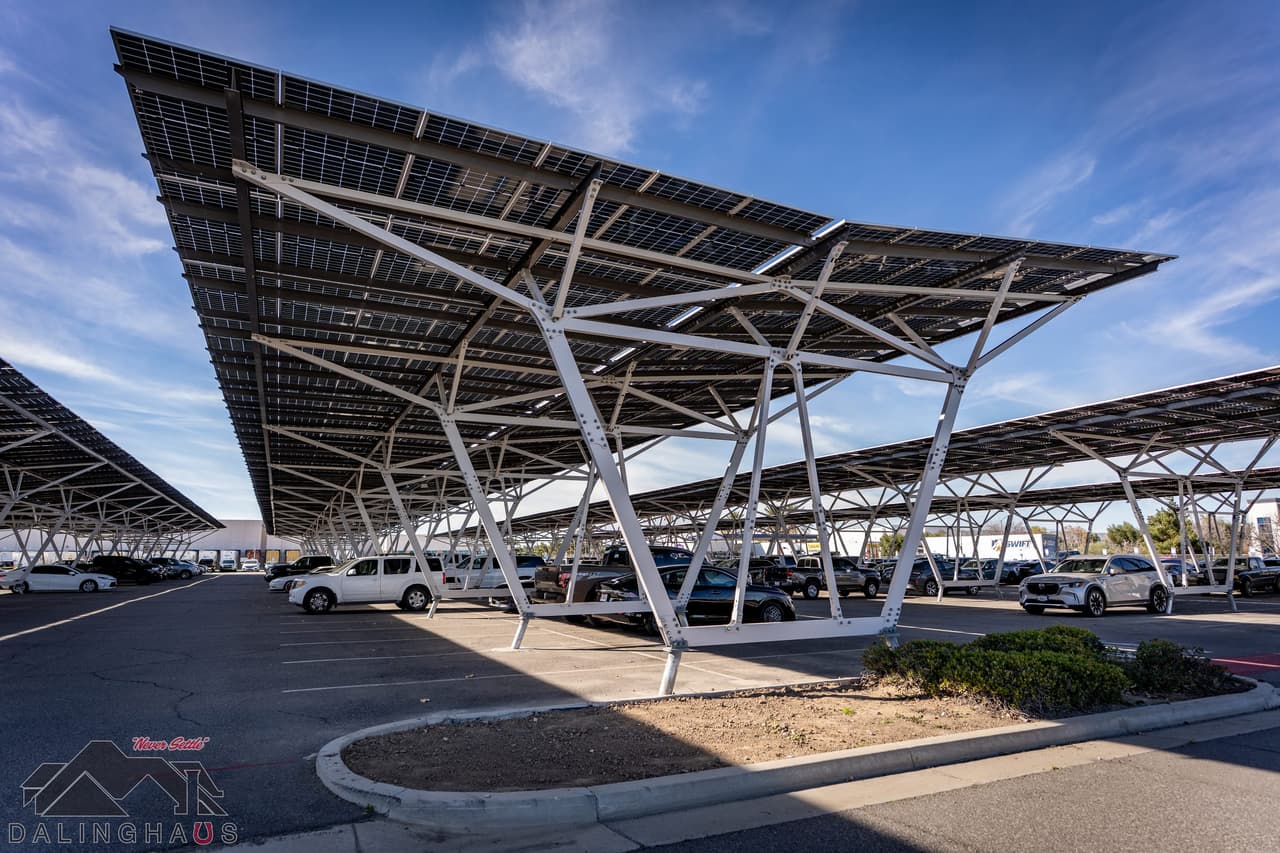
Commercial Helical Piles
Helical pile foundation for a solar canopy in Southern California
Southern California

Helical pile foundation for a solar canopy in Southern California

Helical PilesPull Testing

Dalinghaus installed the helical pile foundation and erected the structure for a solar canopy over a staff parking lot in Southern California, working in four phases so the lot stayed open.

Show project
Foundation Repair
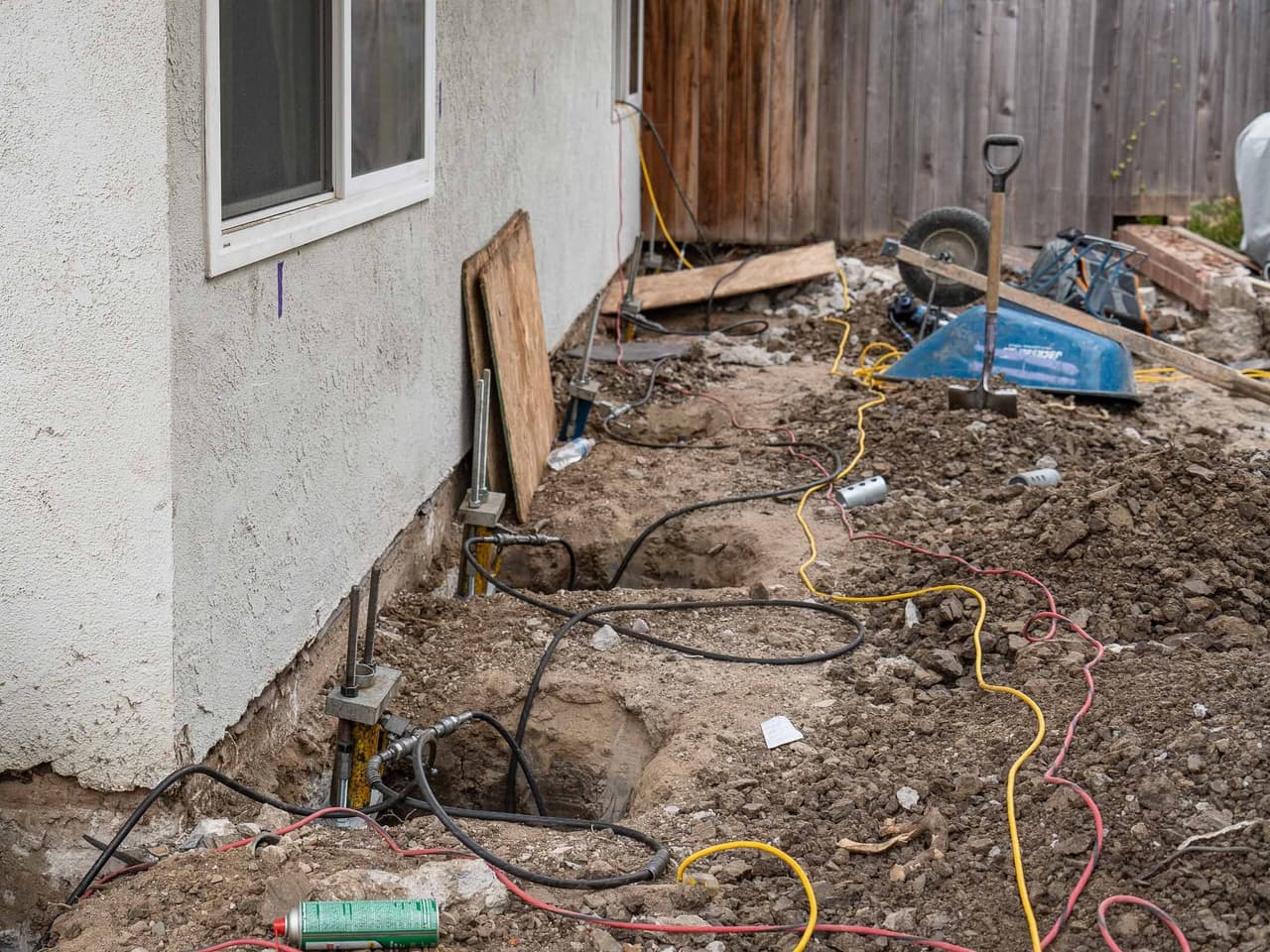
Lifting a settled Irvine home 3 inches with helical piers
Irvine, CA

Lifting a settled Irvine home 3 inches with helical piers

Helical PiersHydraulic Lift

The back of an Irvine home had settled about 3 inches over roughly ten years. Ten helical piers went in over two days, and a 30 minute lift brought the back half of the home up 3 inches.

Show project
Foundation Repair
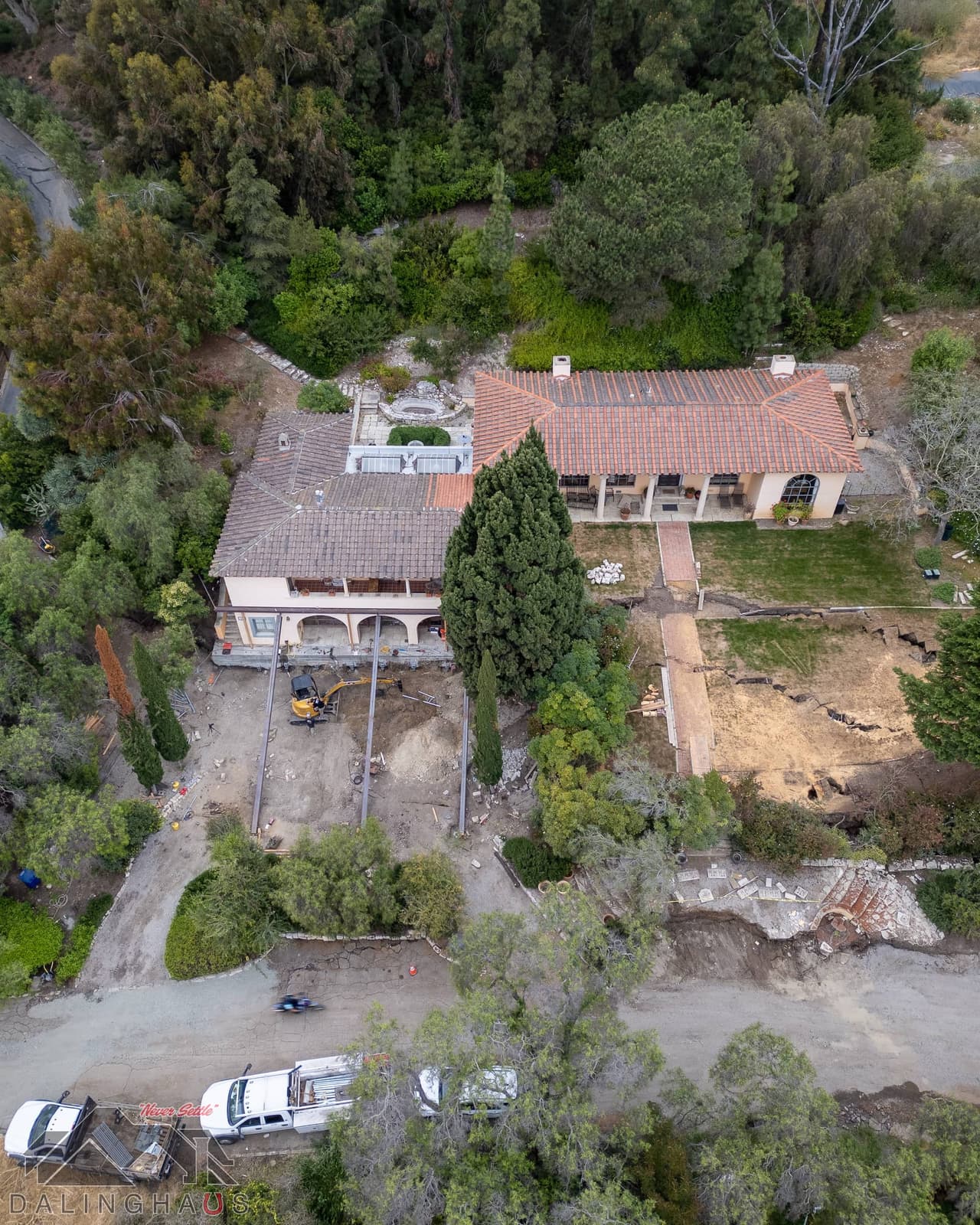
Helical piers to bedrock under a Rancho Palos Verdes home caught in a landslide
Rancho Palos Verdes, CA

Helical piers to bedrock under a Rancho Palos Verdes home caught in a landslide

Helical Piers

A hillside home in Rancho Palos Verdes split in half as the ground slid toward the slope. Dalinghaus installed helical piers about 30 feet down to competent strata or bedrock beneath it.

Show project
Foundation Repair
Steel piers for a Rancho Palos Verdes home that settled 16 inches
Rancho Palos Verdes, CA

Steel piers for a Rancho Palos Verdes home that settled 16 inches

Steel PiersFoundation Stabilization

A beachside home in Rancho Palos Verdes settled 16 inches in a couple of months. Steel piers were driven to load bearing soil or bedrock at each excavated location, with a lift planned once they were in.

Show project
Foundation Repair
Lifting a San Clemente hillside home that settled 2 inches
San Clemente, CA

Lifting a San Clemente hillside home that settled 2 inches

Helical PiersHelical Tieback Anchors

A San Clemente hillside home had settled about 2 inches and was moving toward the slope behind it. Vertical helical piers and helical tieback anchors stabilized the home and recovered part of the drop.

Show project
Frequently Asked Questions

Answers to common questions about Concrete Crack Repair.

Don't see your question here? Our team is happy to help. Reach out anytime.

Watch for cracks that widen over time, cracks where one side sits higher than the other, and cracks paired with sinking or pooling water. Those point to soil movement under the slab. A thin, stable hairline crack from shrinkage is common and usually cosmetic, and the evaluation tells you which kind you have.

Pricing & Scope

Honest pricing & honest limits

Every home is different, so every estimate is written for the home in front of us. A free on site evaluation gives you a written estimate that reflects your specific scope, access, and conditions.

How pricing works

Repair pricing varies by load, depth, and access. Your written estimate comes from the free evaluation.

When this isn't the right fix

Stable hairline shrinkage cracks with no offset and no water path are often cosmetic. We will tell you when monitoring beats repairing.

Why our estimates are honest

Licensed contractor serving California, Arizona, and Nevada.

The Process

How we approach Concrete Crack Repair

A straightforward path from free evaluation to completed repairs.

Step 01

Free evaluation

We examine the crack pattern, measure elevations on both sides, and identify whether the cause is shrinkage, settlement, or water.

Step 02

Stabilize if moving

If the slab is settling, polyurethane foam lifts and supports it before any sealing begins.

Step 03

Clean and fill the crack

The crack is cleaned out and filled with materials matched to its width, depth, and exposure.

Step 04

Seal and protect

The repair is sealed against water intrusion so the soil below stays protected and the crack stays closed.

Customer Reviews

More than 1,000 Google reviews across our offices, averaging 4.9 stars.

Before you choose a concrete repair contractor for concrete crack repair, read how homeowners across California and Arizona rate our work.

Free Evaluation

Start with a free evaluation.

Share a few details and a local specialist will follow up as soon as possible to set your evaluation.

What to expect
  • A local foundation specialist on site
  • A complete walk-through of the findings
  • A clear written estimate at no cost
  • No obligation, no pressure
Prefer to call
877-360-9227
Southern California · Arizona · NevadaSince 2011
Dalinghaus Foundation Repair

Let's take the first step toward solid ground.

A local specialist will evaluate your foundation, walk you through the findings, and send a clear estimate. No cost, no pressure.

Licensed Contractor
1,000+ Google Reviews
CA Lic. #983851 · AZ ROC #330307 · NV Lic. #0089738

Not sure your home needs concrete crack repair?

A free evaluation answers every concrete repair question: one visit, clear findings, written estimate.