CH 01
What a crack's direction tells you before we ever measure
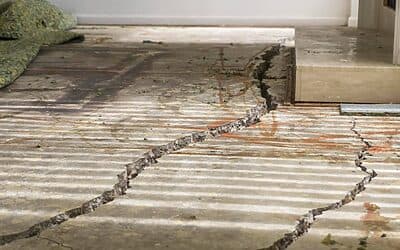
Cracks are not random. A vertical hairline near the middle of a poured wall is usually the concrete shrinking as it cured, the least worrying pattern there is. A crack running at roughly forty five degrees from the corner of a door or window means that section of wall is in shear, which happens when one end of the foundation drops relative to the other. In brick and block, that same shear shows up as stair step cracks that climb the mortar joints. A long horizontal crack is the one to respect most, because it points at soil pushing sideways against the wall rather than settling beneath it.
Reading the direction is the start of the diagnosis, not the end of it. Width, whether the two faces are offset, whether the crack tapers, and whether it is growing all change the answer, which is why we put numbers on every one of those before recommending a repair. Diagonal cracks that keep lengthening call for a very different response than a shrinkage hairline that has not moved since the year the house was built.
CH 02
How we diagnose a crack before anyone repairs it
Every crack repair starts with a free evaluation that treats the crack as evidence rather than the whole story. A specialist measures the crack's width at its widest point, photographs and maps the full pattern inside and out, and then runs a floor elevation survey with a manometer, putting numbers on how each part of the home sits relative to the rest, down to fractions of an inch. If the wall cracked because a section of the foundation dropped, the elevation map shows the drop plainly, even when the eye cannot see it.
You get the findings in writing either way: the measurements, what they mean, and what we recommend, which is sometimes nothing more than a photo and a date so the crack can be checked again next season. That written record matters even for cracks that need no repair today, because the difference between a stable crack and a moving one is exactly what a second set of measurements proves.
CH 03
Why foundations crack here: the soil under the crack
Most of the inland valleys we serve sit on clay rich soil, and clay changes size with moisture. It swells when winter rain finally soaks in and shrinks through the long dry season, so a foundation resting on it is lifted and lowered a little every year, and rarely evenly. Sandy soils along parts of the coast and desert bring the opposite habit: they hold shape while dry, then compress or wash when water finally moves through them. Foothill lots on shallow rock are the most stable ground we work on, but cut and fill grading can leave half a house on rock and half on fill.
That is why the same house plan cracks differently in different neighborhoods, and why our diagnosis always includes the soil and drainage picture, not just the concrete. A crack is the structure reporting what the ground did. Fixing the report without reading it is how the same crack comes back.
CH 04
When you do not need crack repair
Plenty of evaluations end with us recommending nothing but monitoring, and that is a good outcome. Hairline cracks under about an eighth of an inch with no offset between the faces, no moisture coming through, and no history of growth are usually curing shrinkage or long finished settlement. Sealing them is optional. Repairing them structurally would be spending money on a problem the house does not have.
The honest test is change over time. We photograph the crack with a scale reference, log the width, and tell you what to watch for. If the crack is the same next year, it has told you everything it is going to. If it has widened, the measurements from the first visit make the second diagnosis fast and precise.
CH 05
What the repair actually involves, beyond the overview
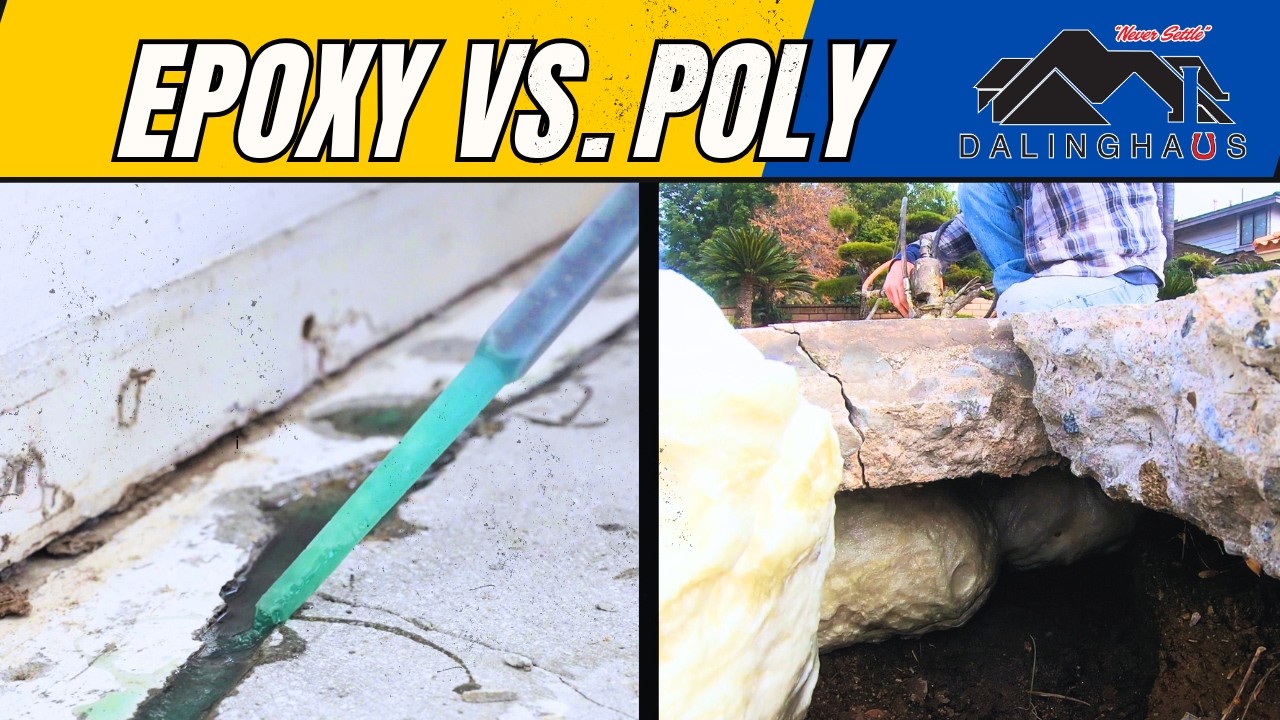
For a stable structural crack in poured concrete, the crew surface seals the crack line, sets injection ports along it, and pumps structural epoxy under controlled pressure, working port to port as material appears at the next one, which proves the fill is complete at each stage. The cured epoxy bonds the two faces back into one piece of concrete. For cracks that leak or see minor seasonal movement, polyurethane goes in the same way but reacts with the moisture in the crack, foaming into every branch the water found and curing into a flexible seal.
Most injection projects are finished in hours, without excavation, and the repair lives inside the concrete rather than on top of it. Surface patching alone fails because it caps the crack instead of filling it; injection fills the full depth, which is the difference between hiding a crack and repairing one.
CH 06
When the crack is a messenger: stabilization comes first
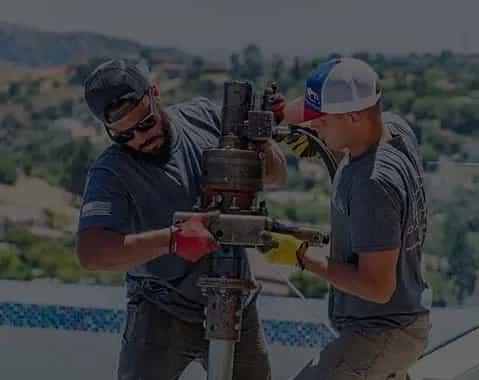
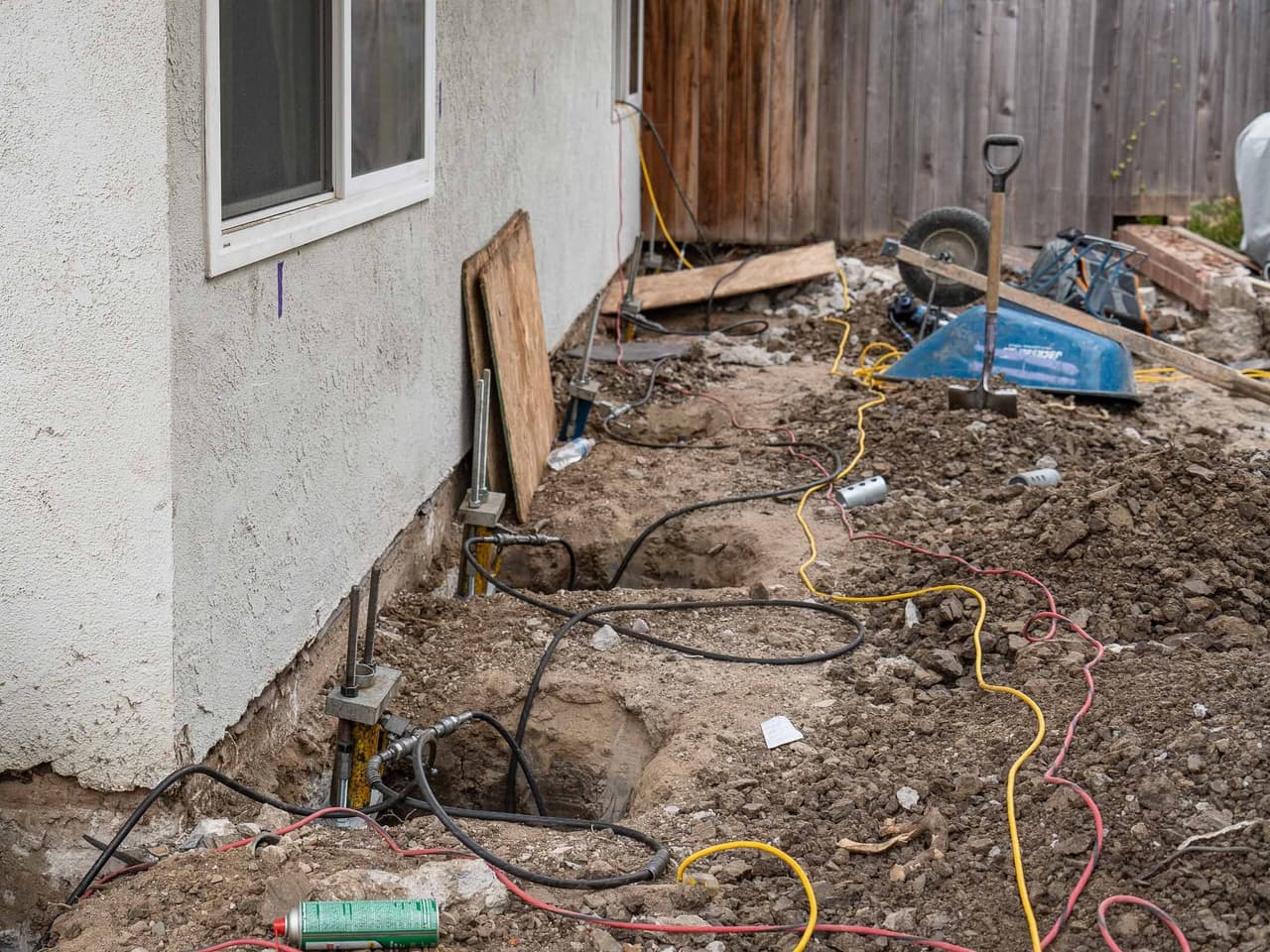
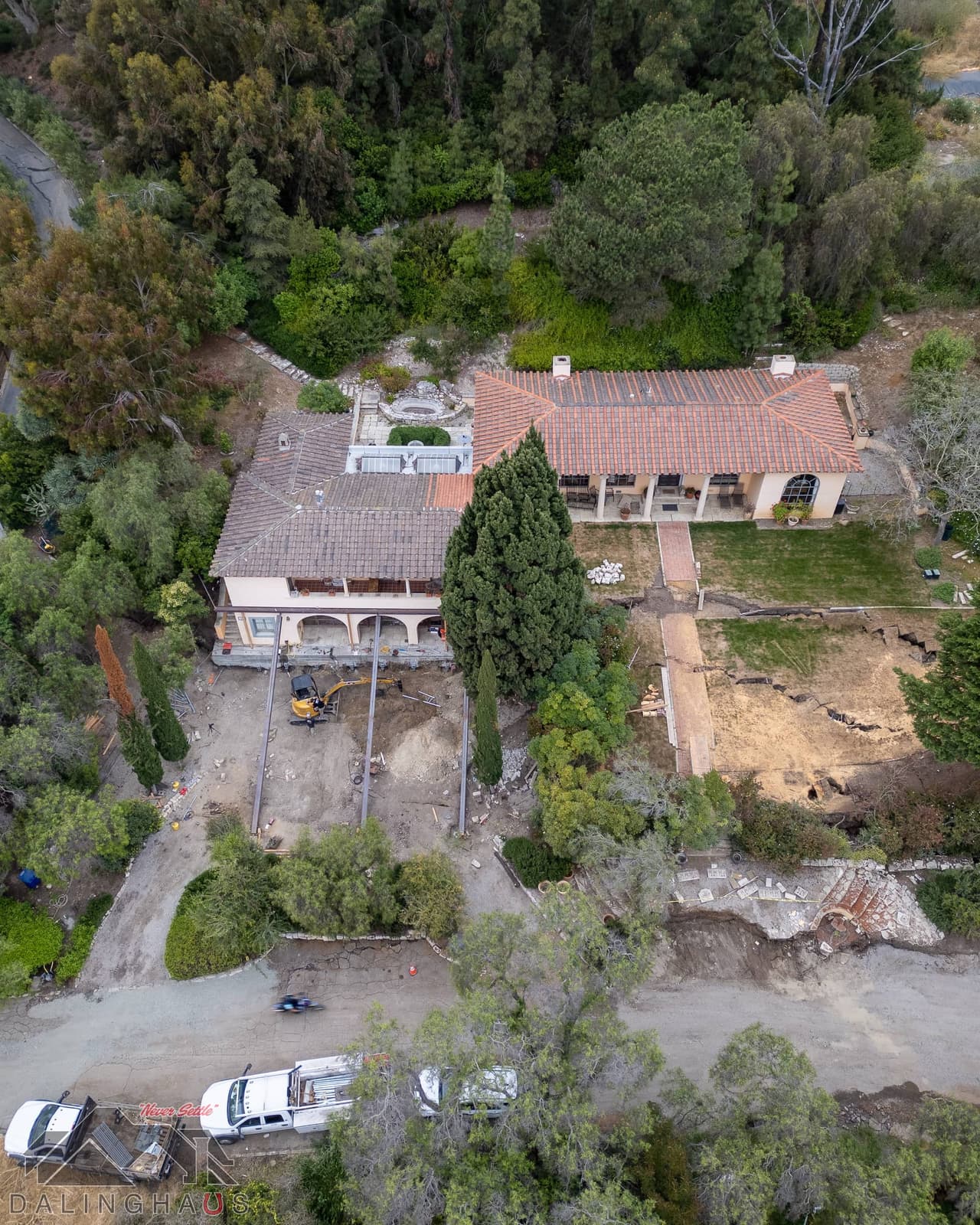
If the elevation survey shows a section of the foundation settling, injecting the crack alone would only redecorate the symptom. The settling section needs underpinning first: galvanized steel helical piers or hydraulically driven push piers installed to load bearing strata, each one verified by logged torque or driving resistance before it carries the house.
Once movement is stopped, the cracks are repaired, and where the structure allows a lift toward level, some cracks close on their own during the transfer. That order of operations, stop the movement, then repair the damage, is the whole difference between a crack repaired once and a crack repaired annually.