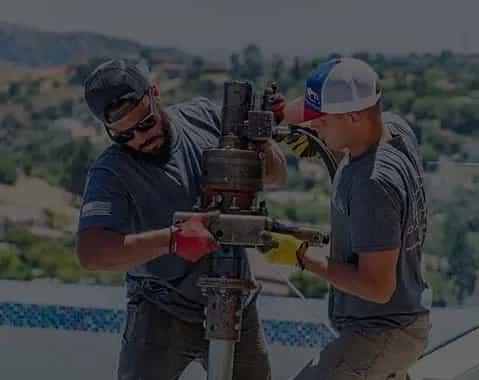
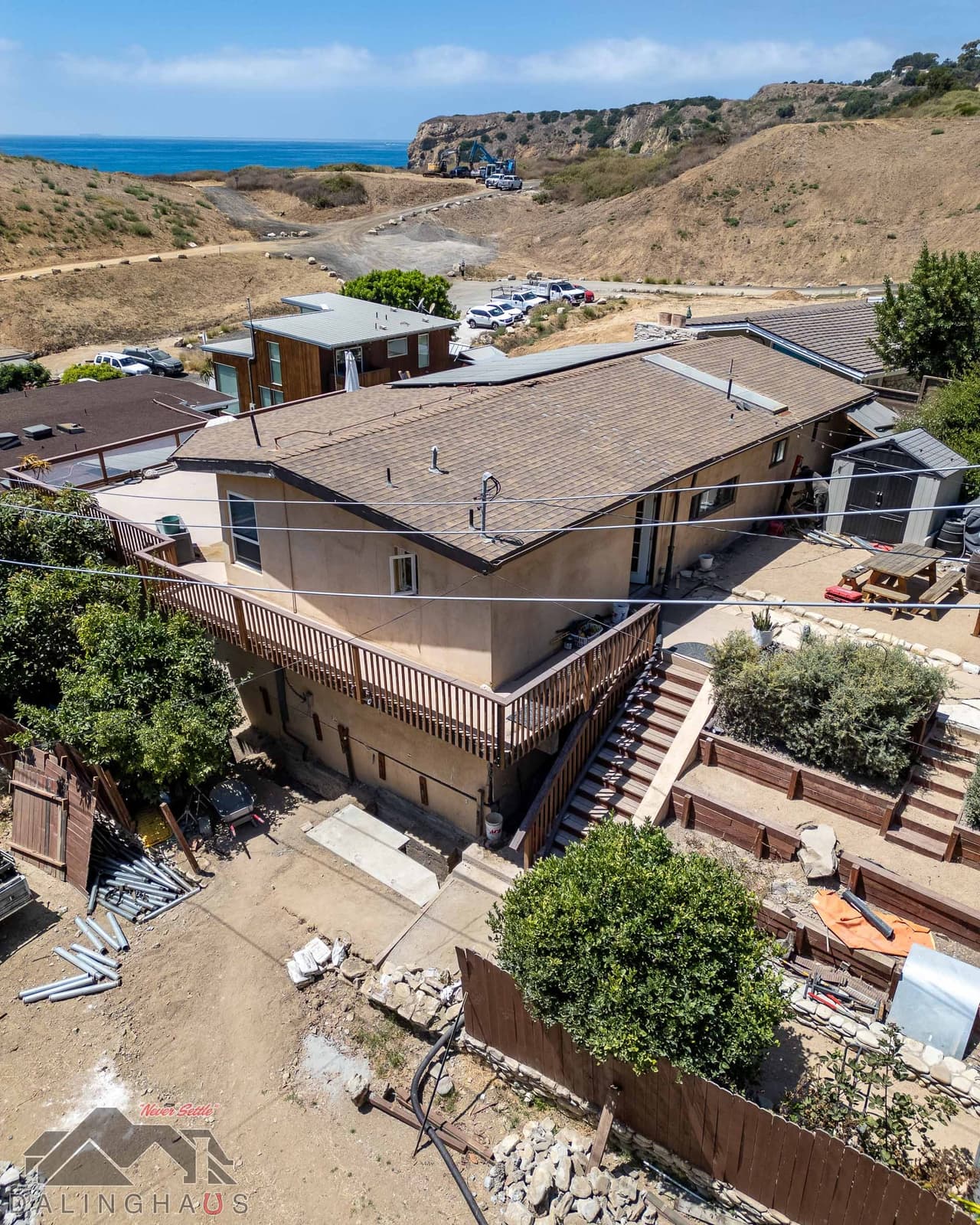
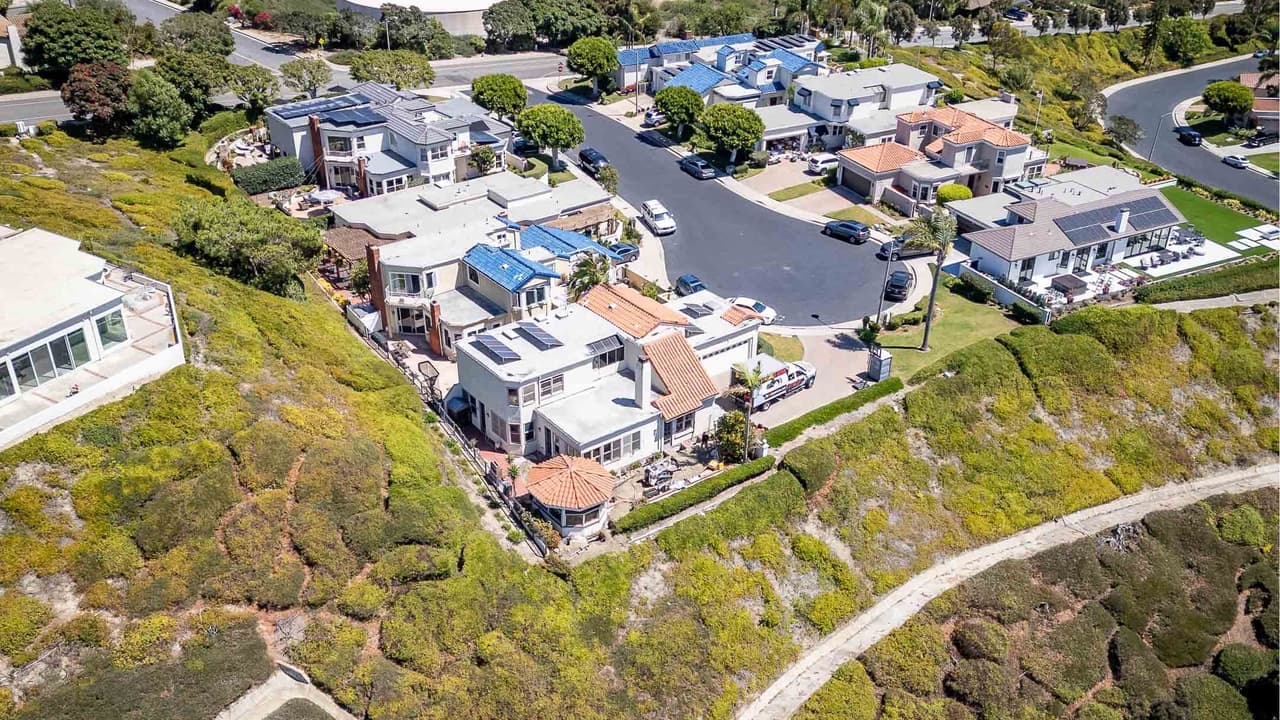
Helical Piles for New Construction project photo
Foundation Repair · Since 2011

Helical piles for new construction, installed to your engineer's design.

When the plans or the soils report call for deep foundations under a new build or an addition, we install the piles and log the torque on every one. We are the pile subcontractor on your project, not the builder.

Southern California · Arizona · Nevada Since 2011

Let's take the first step toward solid ground.

A local specialist will evaluate your foundation, walk you through the findings, and send a clear estimate. No cost, no pressure.

Licensed Contractor
1,000+ Google Reviews
CA Lic. #983851 · AZ ROC #330307 · NV Lic. #0089738

Scope

What we do, and what we do not do

This page is a pile scope, not a foundation package. The fastest way to know whether we are the right call is to read the two lists below.

What we do

  • Install engineered helical piles for new builds and new additions when the plans call for deep foundations.
  • Work from your engineer's design. Capacity, spacing, depth, and bracket detail come from the drawings and the soils report.
  • Install push piers instead where an existing structure is already there to react against. That is an engineering call made on the drawings, not a preference.
  • Log torque and depth for every pile and hand the records to your project team.

What we do not do

  • We do not pour foundations, build slabs, set forms, or tie rebar.
  • We do not frame, and we do not act as your general contractor.
  • We do not take on additions or remodels as the builder. We install the piles; someone else builds what sits on them.
  • We do not stamp structural drawings. The engineer of record does that.

Bring us your engineer's plans, your soils report, or your contractor's request, and we will price the pile scope and tell you how long it takes. The evaluation is free.

Who This Is For

Which of these is you?

Helical piles are specified, not chosen off a shelf. Find the row closest to your project.

Expansive clay, fill, or low bearing capacity in the reportAn owner with a soils report calling for deep foundations

Your geotechnical report already made the call. Bring it with the structural drawings and we will price the pile scope that matches, install to the specified torque, and hand the logs back for your engineer of record.

Foundation package out to bid, piles carved out of itA builder or GC who needs a pile subcontractor

We bid the design you hand us, mobilize on the date in the proposal, log every pile, and get off the site so your concrete contractor can form and pour. We do not bid the foundation itself. Developer and commercial scale packages are on the commercial page.

Cut and fill grading, inland valley clay, sloped siteA hillside or expansive soil lot

Cut and fill lots settle at two speeds and the structure spans the difference. Piles seated in competent material below the fill give both halves the same support, and the torque log says which pile found what.

New footings meeting an old, settled houseAn addition that needs piles under new footings

The old house finished settling years ago and the addition starts fresh, so the seam between them shows every difference. Piles under the new footings remove the addition's settlement allowance. Your builder still builds the addition.

SolutionsHelical Piers
Good bearing capacity, documented compaction, no expansion flagsA project with a clean soils report

Stable ground with documented compaction usually deserves conventional footings rather than steel, and we will say so at the free evaluation instead of selling you piles the lot does not need.

Watch

Helical Piles for New Construction: see how we actually do it.

We install engineered helical piles under new footings. We do not pour the foundation that sits on them, and we are not your general contractor.

New Construction Helical Piles. Video preview.
DALINGHAUS · SINCE 2011

New Construction Helical Piles

DALINGHAUS FOUNDATION REPAIR

In Depth

What the full guide covers

Everything a homeowner should understand about this repair, written by the people who do it.

Read the full guideHide the full guide
CH 01

Why a new building here can need piles at all

New construction inherits the ground it stands on, and the ground across Southern California, Arizona, and Nevada comes with habits. Inland valley clay swells with the first wet winter after the pour and shrinks through the following summer, working a shallow foundation from day one. Desert and coastal sands can sit deceptively firm until landscape irrigation and roof runoff arrive with the occupants, then compress. Graded hillside lots put part of a footprint on native ground and part on fill, and the two halves settle at different rates.

Most of the settlement we repair years later started in a building's first few years. A pile scope on a new build is the same engineering, bought before the soil has had its way with the structure rather than after.

CH 02

Why new construction is helical pile work

A push pier is driven with the weight of the building above it, so push piers need a structure already standing to react against. On a new build there is nothing there yet. Helical piles turn into the ground under their own torque, independent of any structure, which is why new construction piles are almost always helical.

A helix plate is sized to the soil. Large plates lock up at shallower depths in dense material, smaller ones reach deeper, and two plates are common so a pile that spins out on the first still has a second to pull it through. Round shaft carries compression and square bar carries tension. Those are engineering choices made against the soils report, not preferences, and they belong to the engineer of record.

CH 03

What the torque log proves

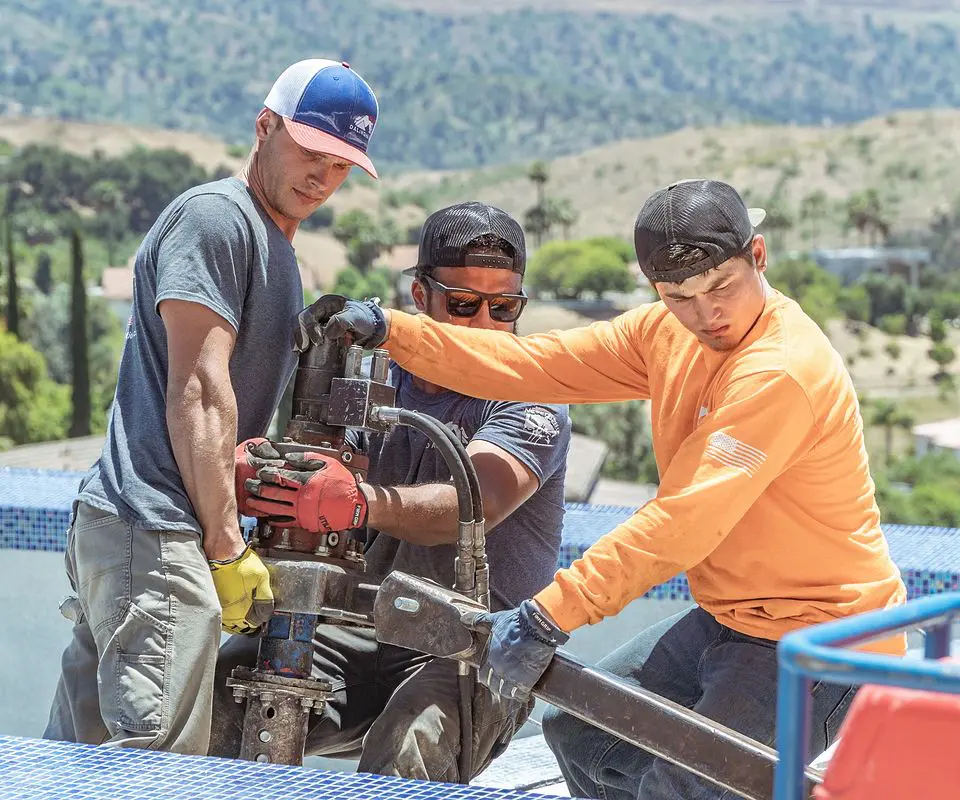
A helical pile proves itself while it goes in. Every drive head carries a gauge in the flow line of the hydraulics, and torque tells us the capacity the ground at the tip can carry, so a pile keeps advancing until it meets the engineered target for its share of the structure. Every pile is logged with its final torque, its depth, and its location, and the log goes to the project team.

That record is the difference between a foundation assumed to work and one demonstrated to. A soils report describes the site in samples. The torque log describes every single support point, and it stays with the building.

CH 04

Where our scope stops and your builder's begins

On a new build we install deep foundation systems and nothing else. We do not pour footings, place slabs, set forms, tie rebar, frame, or run the job. The sequence that works is plain: your engineer specifies the piles, we install and log them, your concrete contractor forms and pours on top of them, and your framer follows. We mobilize for our piece, document it, and get off the site.

For owner builders and small projects without a full team we can carry more of the conversation, working from your soils report and your plans and arranging engineering where the proposal includes it and the jurisdiction requires it. That is still a pile scope. It does not make us your general contractor, and it is a different job from the foundation repair work we do on houses that have already settled.

Larger projects go to the commercial side of the site. Where a general contractor or a developer is buying a pile package for a commercial building, an equipment pad, or a solar or battery structure, helical piers for new commercial construction covers the submittals, the inspection coordination, and the scheduling those jobs need. This page is the residential and light commercial version of the same scope.

CH 05

Piles under a new addition

An addition is the most common residential pile scope we see. The existing house finished settling years ago, the addition starts fresh on soil that has never carried it, and the seam between the two shows every difference: floors that slope at the seam, cracked drywall at the tie in, and doors that stop closing. Piles under the new footings remove the addition's settlement allowance so the two halves age together.

This work is often small and fast. There is no minimum job size, and a scope of a few piles under new footings is normal. If a job really is too small to mobilize for, we will say so rather than pricing it high enough to make it worth our while. What we will not do is build the addition around the piles: the framing, the roof tie in, and the finish work stay with your contractor.

CH 06

When your project does not need us

Plenty of sites have ground good enough for conventional footings, and piles there are money spent on a problem the lot does not have. The flags that genuinely call for deep support live in the soils report: expansive clay ratings, uncompacted or undocumented fill, low bearing capacities, collapsible soils, and steep cut and fill transitions.

If the report is ambiguous, or you want a practical read on what it means for cost and schedule, that conversation is free. We will tell you plainly whether piles earn their place on your project, because selling steel to a site that only needed a compaction test is the fastest way to lose a builder's trust.

Regional Context

Why foundations fail differently in California, Arizona, and Nevada

Most of our service area sits on expansive clay: soil that swells when it rains and shrinks through the long dry season, cycling foundations up and down a little more every year. Desert markets add a second pattern of dry, undercompacted fills that settle the first time irrigation or a plumbing leak finally wets them. A diagnosis that ignores which soil your home sits on is a guess, which is why every evaluation starts with floor elevation measurements, not assumptions.

2,000+
Foundation repair projects completed
Across CA, AZ, and NV since 2011
4.9
Average Google rating
Across 1,000+ reviews at our offices
8
Local offices
Southern California and Arizona
2011
Serving the Southwest since
Founded in Lake Elsinore, CA

Expansive clay drives the wet and dry cycle

Clay soil acts like a sponge under the house. Winter rain swells it and lifts the foundation unevenly; the dry months shrink it and let sections settle back down. Each cycle concentrates stress in the slab, the stem walls, and the framing above them, which is why cracks here tend to reopen after cosmetic patching.

Hillside neighborhoods add cut-and-fill lots: part of the home rests on native soil and part on placed fill, and the fill side almost always moves more. The wall between the two zones is usually where the first cracks appear.

Desert soils settle when water finally arrives

Arizona and Nevada homes often sit on dry soils that were never a problem until landscape irrigation, a broken pipe, or a monsoon season wet them for the first time. Those soils compress quickly once saturated, and the settlement shows up as sticking doors, drywall cracks, and sloping floors.

The fix has to match the mechanism. Steel piers carry the home past the unstable layer to load-bearing strata and prove their capacity as they install, instead of betting on the surface soil behaving next season.

Why Choose Dalinghaus

Care and expertise from a team that's been doing this since 2011.

Work like helical piles for new construction is not a sideline for us. Dalinghaus crews handle foundation repair and related structural work across California, Arizona, and Nevada, and nothing else.

01
Specialized expertise.

Foundation repair, concrete leveling, and crawl space repair are our entire focus. Not a sideline.

02
Locally owned since 2011.

More than 2,000 projects on the clay and desert soils of California, Arizona, and Nevada since 2011.

03
Licensed in California, Arizona and Nevada.

CSLB License #983851 in California, ROC #330307 in Arizona, and License #0089738 in Nevada. Look us up with the state before we ever set foot on your property.

04
Warrantied solutions.

Warranty terms come in writing with every proposal, and the terms that apply to your job are stated in that job's paperwork. Ask your project specialist during the free evaluation.

Brian Dalinghaus, co-founder of Dalinghaus Foundation Repair
Brian Dalinghaus CO-FOUNDER · SINCE 2011
Brad Dalinghaus, co-founder of Dalinghaus Foundation Repair
Brad Dalinghaus CO-FOUNDER · SINCE 2011
Recent work

Projects from your neighborhood

[ 01/05 ]
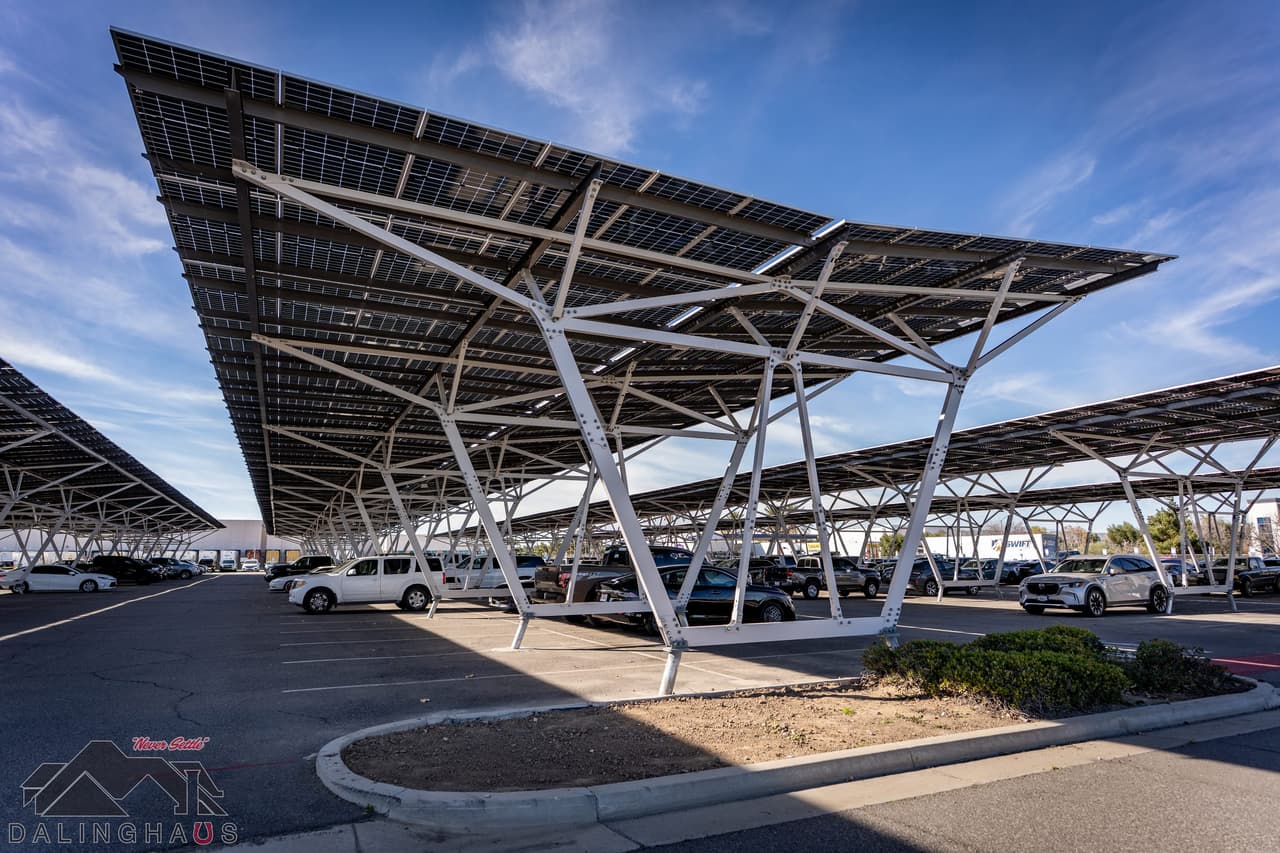
Commercial Helical Piles
Helical pile foundation for a solar canopy in Southern California
Southern California

Helical pile foundation for a solar canopy in Southern California

Helical PilesPull Testing

Dalinghaus installed the helical pile foundation and erected the structure for a solar canopy over a staff parking lot in Southern California, working in four phases so the lot stayed open.

Show project
Foundation Repair
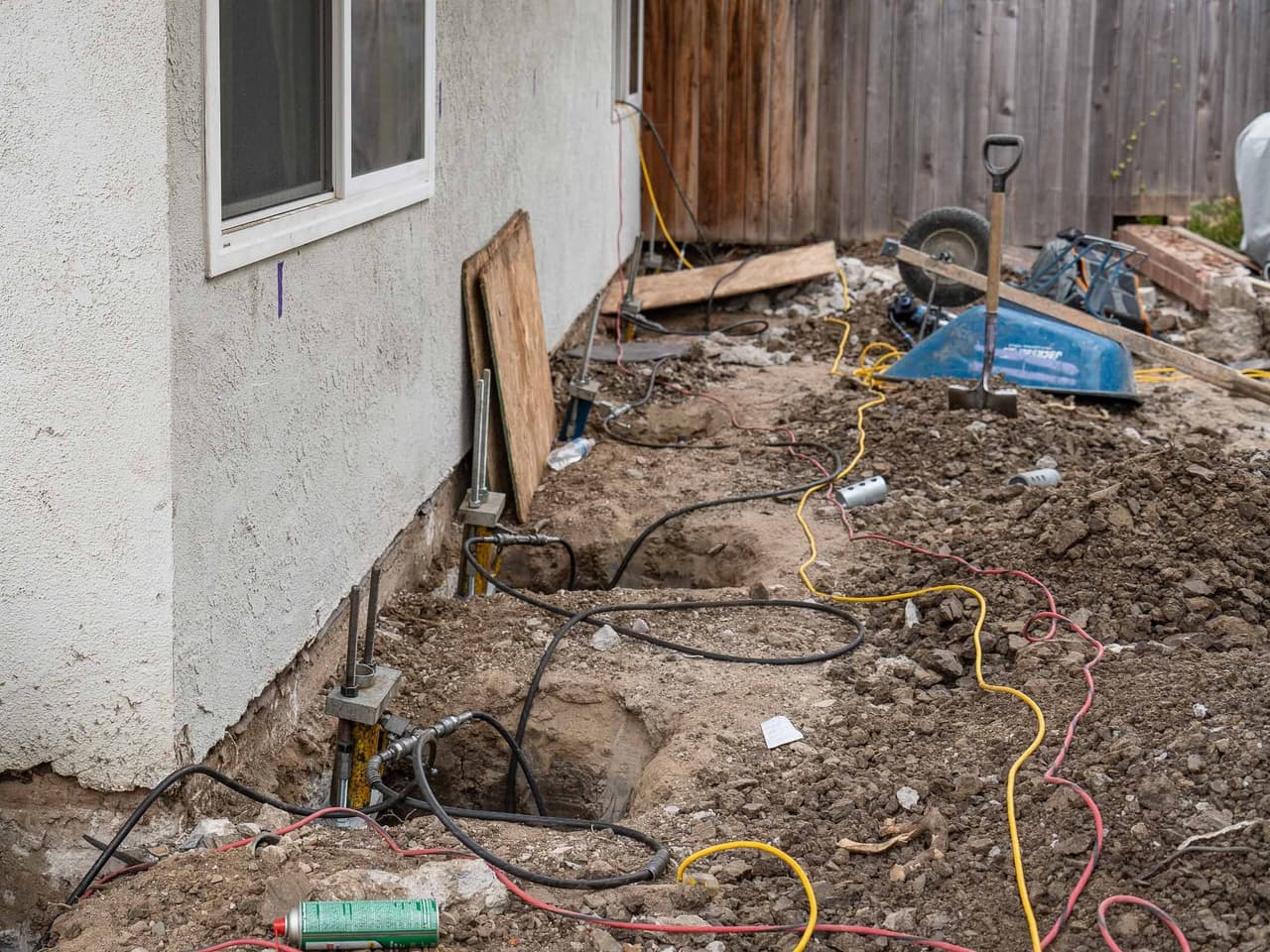
Lifting a settled Irvine home 3 inches with helical piers
Irvine, CA

Lifting a settled Irvine home 3 inches with helical piers

Helical PiersHydraulic Lift

The back of an Irvine home had settled about 3 inches over roughly ten years. Ten helical piers went in over two days, and a 30 minute lift brought the back half of the home up 3 inches.

Show project
Foundation Repair
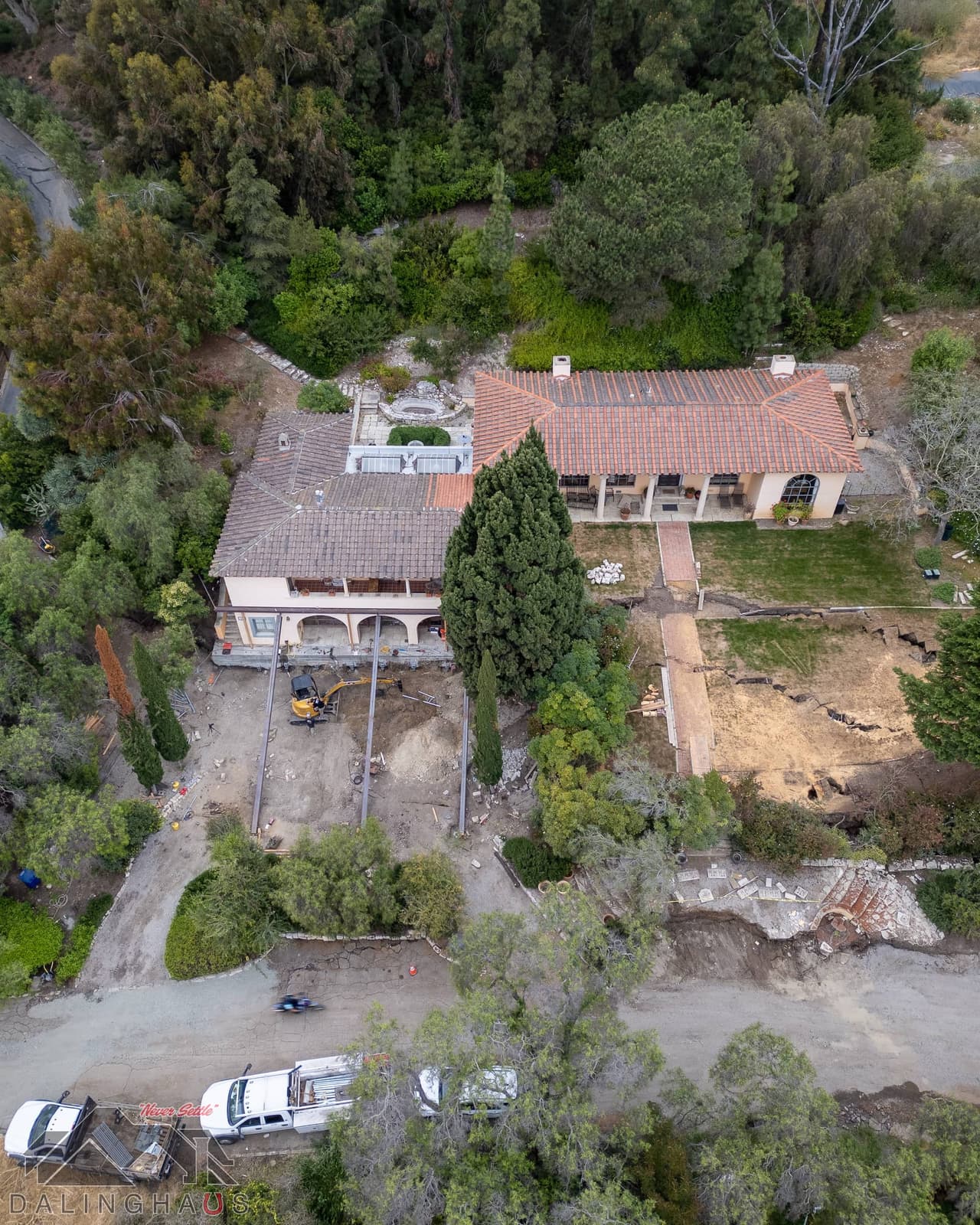
Helical piers to bedrock under a Rancho Palos Verdes home caught in a landslide
Rancho Palos Verdes, CA

Helical piers to bedrock under a Rancho Palos Verdes home caught in a landslide

Helical Piers

A hillside home in Rancho Palos Verdes split in half as the ground slid toward the slope. Dalinghaus installed helical piers about 30 feet down to competent strata or bedrock beneath it.

Show project
Foundation Repair
Steel piers for a Rancho Palos Verdes home that settled 16 inches
Rancho Palos Verdes, CA

Steel piers for a Rancho Palos Verdes home that settled 16 inches

Steel PiersFoundation Stabilization

A beachside home in Rancho Palos Verdes settled 16 inches in a couple of months. Steel piers were driven to load bearing soil or bedrock at each excavated location, with a lift planned once they were in.

Show project
Foundation Repair
Lifting a San Clemente hillside home that settled 2 inches
San Clemente, CA

Lifting a San Clemente hillside home that settled 2 inches

Helical PiersHelical Tieback Anchors

A San Clemente hillside home had settled about 2 inches and was moving toward the slope behind it. Vertical helical piers and helical tieback anchors stabilized the home and recovered part of the drop.

Show project
Frequently Asked Questions

Answers to common questions about Helical Piles for New Construction.

Don't see your question here? Our team is happy to help. Reach out anytime.

No. We install the piles. Your concrete contractor forms and pours the footings, grade beams, and slab that sit on top of them, and your framer takes it from there. We are a subcontractor on your project, not the builder.

Pricing & Scope

Honest pricing & honest limits

Every home is different, so every estimate is written for the home in front of us. A free on site evaluation gives you a written estimate that reflects your specific scope, access, and conditions.

How pricing works

Pile pricing varies by pile count, design capacity, depth, and site access, and it prices the pile scope only, never the foundation that sits on it. Your written estimate comes from the free evaluation.

When this isn't the right fix

If you need somebody to pour the foundation, build the slab, frame the house, or run the job, we are not your contractor. We install piles under a foundation somebody else builds. And on stable, documented, compacted ground, conventional footings are usually the right answer with no piles at all.

Why our estimates are honest

Licensed contractor serving California, Arizona, and Nevada.

The Process

How we approach Helical Piles for New Construction

A straightforward path from free evaluation to completed repairs.

Step 01

Plans and load review

You send the structural drawings and the geotechnical report. Without the soils report we can only give a rough order of magnitude, because the report drives depth and depth drives price.

Step 02

Pile layout and torque targets

Pile type, count, spacing, depth, and the torque each pile has to reach come from the engineer of record's design and the soils report. We confirm the layout against the drawings before anything is ordered.

Step 03

Install and log every pile

A hydraulic drive head turns each pile into the ground until it reaches the design torque. A gauge in the hydraulic line reads the pressure, and torque and depth are recorded for every pile and every location.

Step 04

Caps and brackets

New construction caps and brackets are set at the pile heads to the detail on the drawings, ready for the footing or grade beam that lands on them.

Step 05

Hand off to your concrete contractor

The installation records go to your project team and the site goes back to your builder. Forming, rebar, and the pour are theirs, and framing follows them.

Customer Reviews

More than 1,000 Google reviews across our offices, averaging 4.9 stars.

Before you choose a foundation repair contractor for helical piles for new construction, read how homeowners across California and Arizona rate our work.

Free Evaluation

Start with a free evaluation.

Share a few details and a local specialist will follow up as soon as possible to set your evaluation.

What to expect
  • A local foundation specialist on site
  • A complete walk-through of the findings
  • A clear written estimate at no cost
  • No obligation, no pressure
Prefer to call
877-360-9227
Southern California · Arizona · NevadaSince 2011

Let's take the first step toward solid ground.

A local specialist will evaluate your foundation, walk you through the findings, and send a clear estimate. No cost, no pressure.

Licensed Contractor
1,000+ Google Reviews
CA Lic. #983851 · AZ ROC #330307 · NV Lic. #0089738

Not sure your home needs helical piles for new construction?

A free evaluation answers every foundation repair question: one visit, clear findings, written estimate.