CH 01
Voids under garage floors: where the water comes from
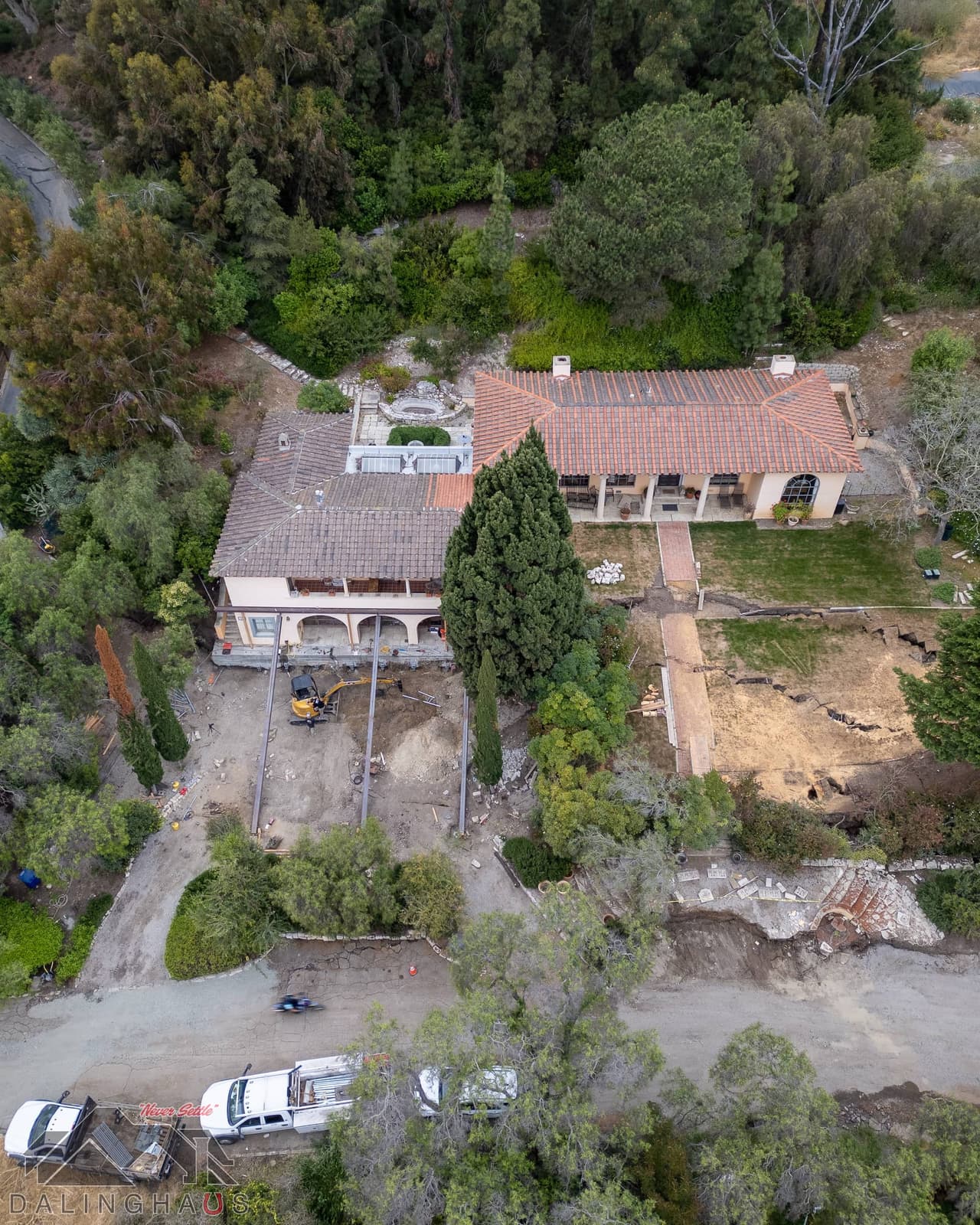
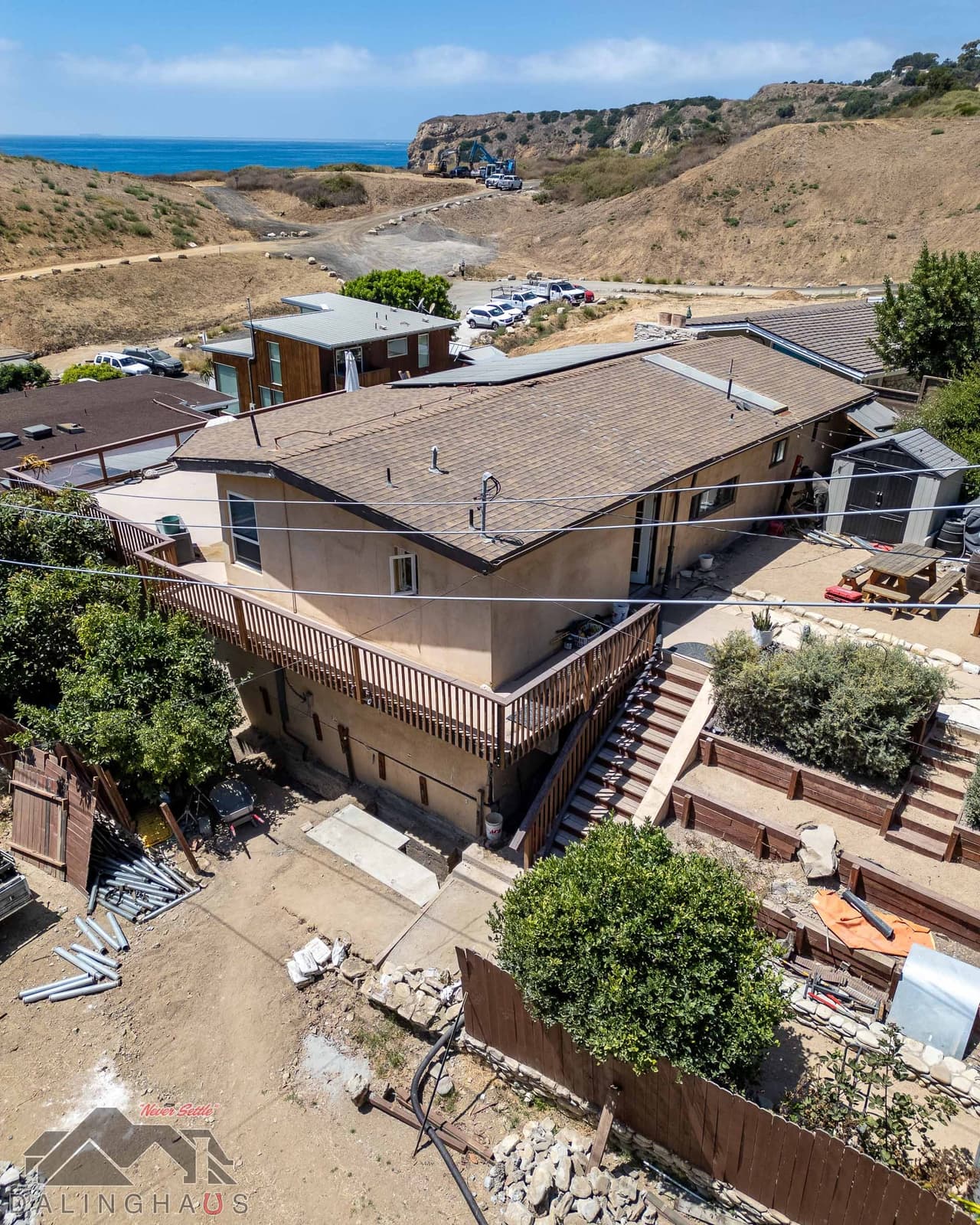
A garage floor seems like the most protected concrete on the property, roofed, walled, and never rained on, yet voids form under garages constantly, because the water arrives below grade. Roof runoff concentrates at the garage corners where downspouts discharge. Irrigation soaks the strip along the outside wall. And the quiet one: a supply or drain line running under or beside the slab develops a slow leak that nobody sees for years, softening and carrying away the base a little at a time. Add fill that was compacted for a floor but not for two parked cars, and the slab starts telling on the soil: cracks along the wheel paths, a low spot, a gap opening at the stem wall, or the drum note of a hollow zone underfoot.
The hollow sound deserves its own sentence, because it is the one symptom that arrives before the damage. A void announces itself acoustically while the slab above it is still intact, and filling the void with foam then costs far less than lifting a cracked floor later. If your garage floor has developed a drum note, that is not a curiosity; it is the cheapest version of this repair inviting you to take it.
CH 02
Slab or foundation: the question we answer first
A garage floor sits inside a structure, and sometimes the floor and the structure are moving together. That distinction changes everything: a slab settling over a washout void is a concrete repair job, while a slab moving with the footings and walls is a foundation conversation, and lifting the floor alone in that case treats a symptom while the cause keeps working. The signatures differ, cracks that continue from the floor up into the stem wall, doors on the garage's back wall going out of square, movement patterns aligned with the foundation rather than with water paths, and telling them apart is a measurement job, not a glance.
Because Dalinghaus is a foundation repair company first, the same evaluation covers both readings, and you get one documented answer instead of two competing opinions. If the numbers show the movement is confined to the slab, we lift the slab and say so. If they show foundation involvement, you will see the actual measurements that say it, and the floor conversation waits for the structural one, in the right order.
CH 03
The lift, the seal, and what the warranty covers
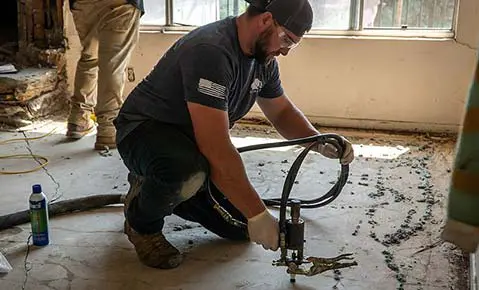
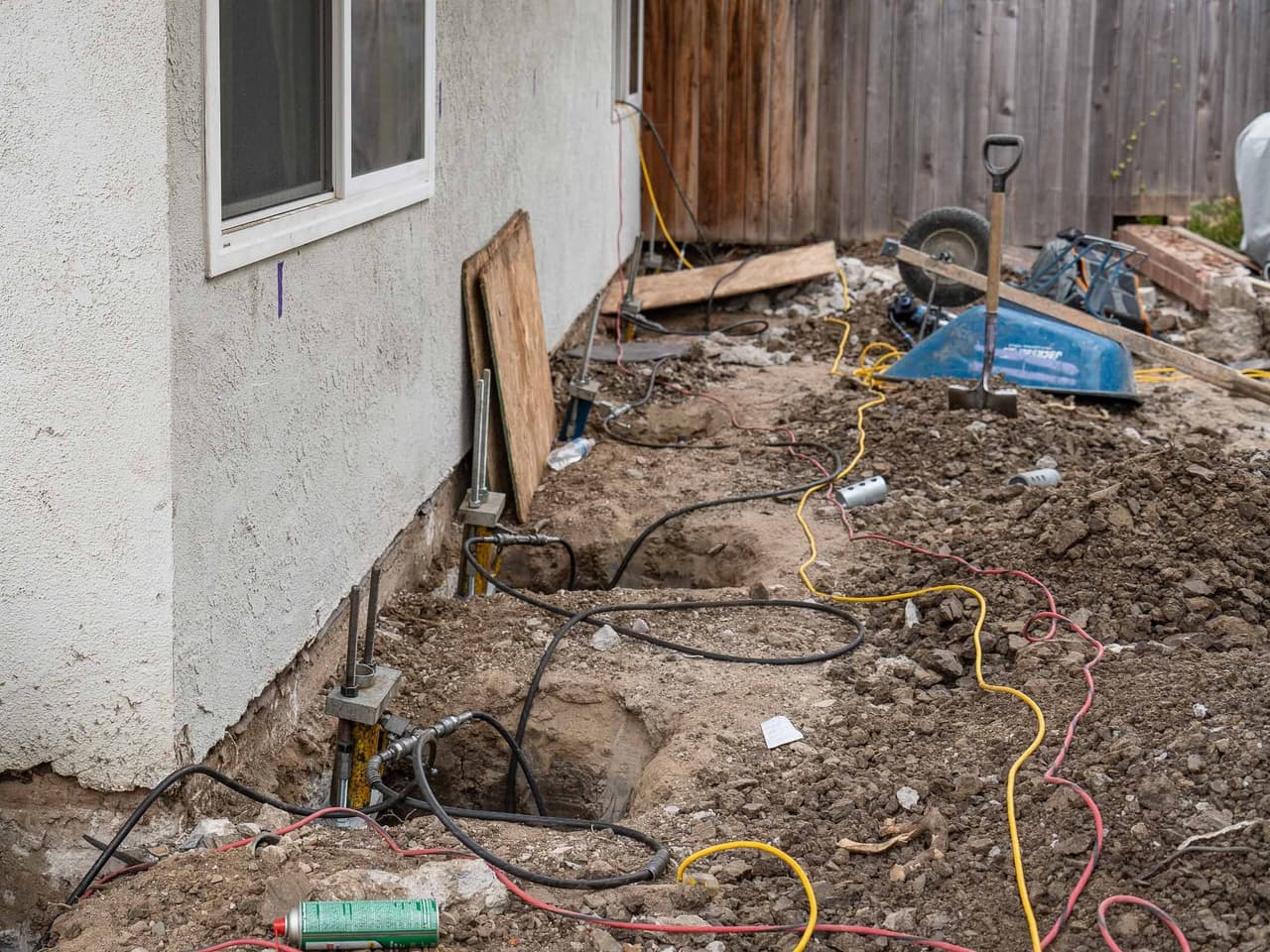
When the diagnosis says slab, the repair runs the standard sequence sized for a garage. Coin sized holes are drilled at the mapped points, expanding polyurethane foam fills the void and densifies the loose base, and the floor comes up in small watched increments until it meets the readings. The foam reaches working strength in minutes and is engineered for exactly this duty, so most garages are parking vehicles again the same day. Cracks are then cleaned, filled, and sealed, and sealing the wheel path surface is worth considering while the crew is there, because a garage floor eats road salt drippings, oil, and hot tires for a living.
Coverage is specific and worth stating exactly, which is why warranty terms are provided in writing with every proposal. The polyurethane concrete leveling, the sealing, and any other finishing work are each covered as described in your written agreement. It all arrives in writing before the first hole is drilled, which is the only honest way a warranty exists.