CH 01
What escrow does to foundation questions, and what shows up in one
A transaction compresses every doubt about a house into a few contingency weeks, and foundations generate the most expensive doubts. The patterns that surface during showings and general inspections are familiar: stair step cracks on a listing photo, a door that drags during the walkthrough, a floor that feels downhill in one hallway, the phrase recommend further evaluation on page forty of the inspection report. Any of these can be decades old history or active movement, and the difference can be worth a large share of the sale price.
In this region the question is never paranoid, because most housing stock here sits on clay that moves a little every year. The only real question is whether a particular house has been riding that cycle safely, and that is a measurement question, not an opinion question.
CH 02
What the transaction inspection involves
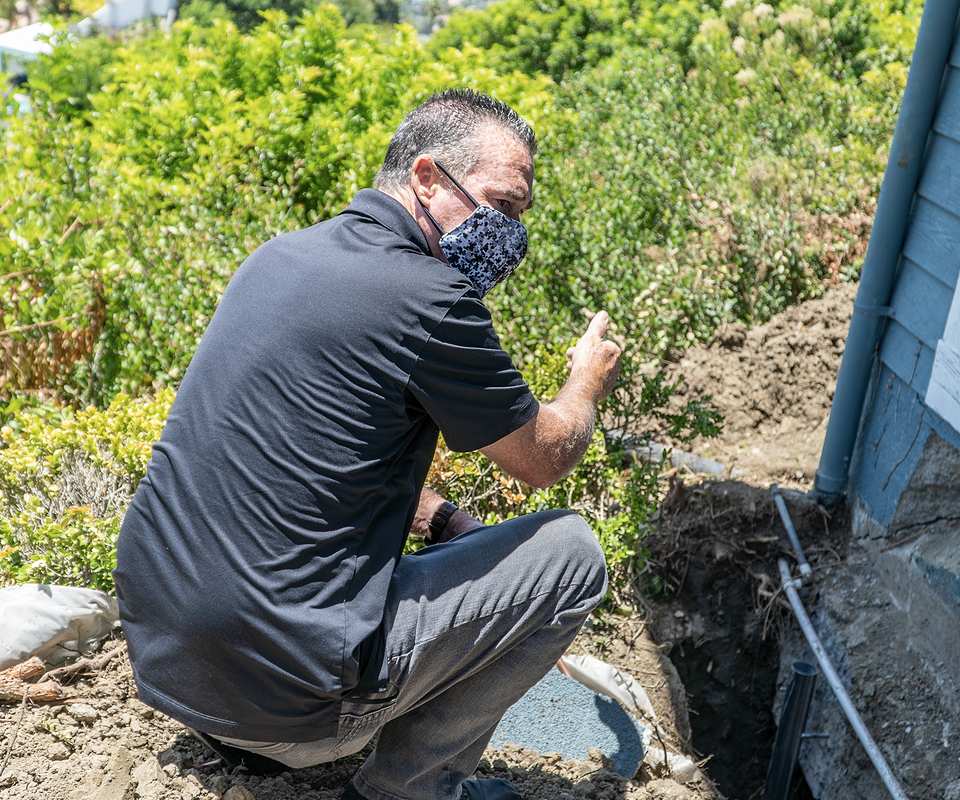
The inspection is the same measured process we run for any homeowner. A foundation repair specialist reviews the slab or crawl space, the exterior stem walls and stucco, the drainage, and the full symptom pattern, then runs a floor elevation survey mapping how the home sits to fractions of an inch. The findings arrive as a clear written report with photos, the elevation readings, and conclusions in plain language. Book as early in escrow as you can, because an escrow clock stops for no one.
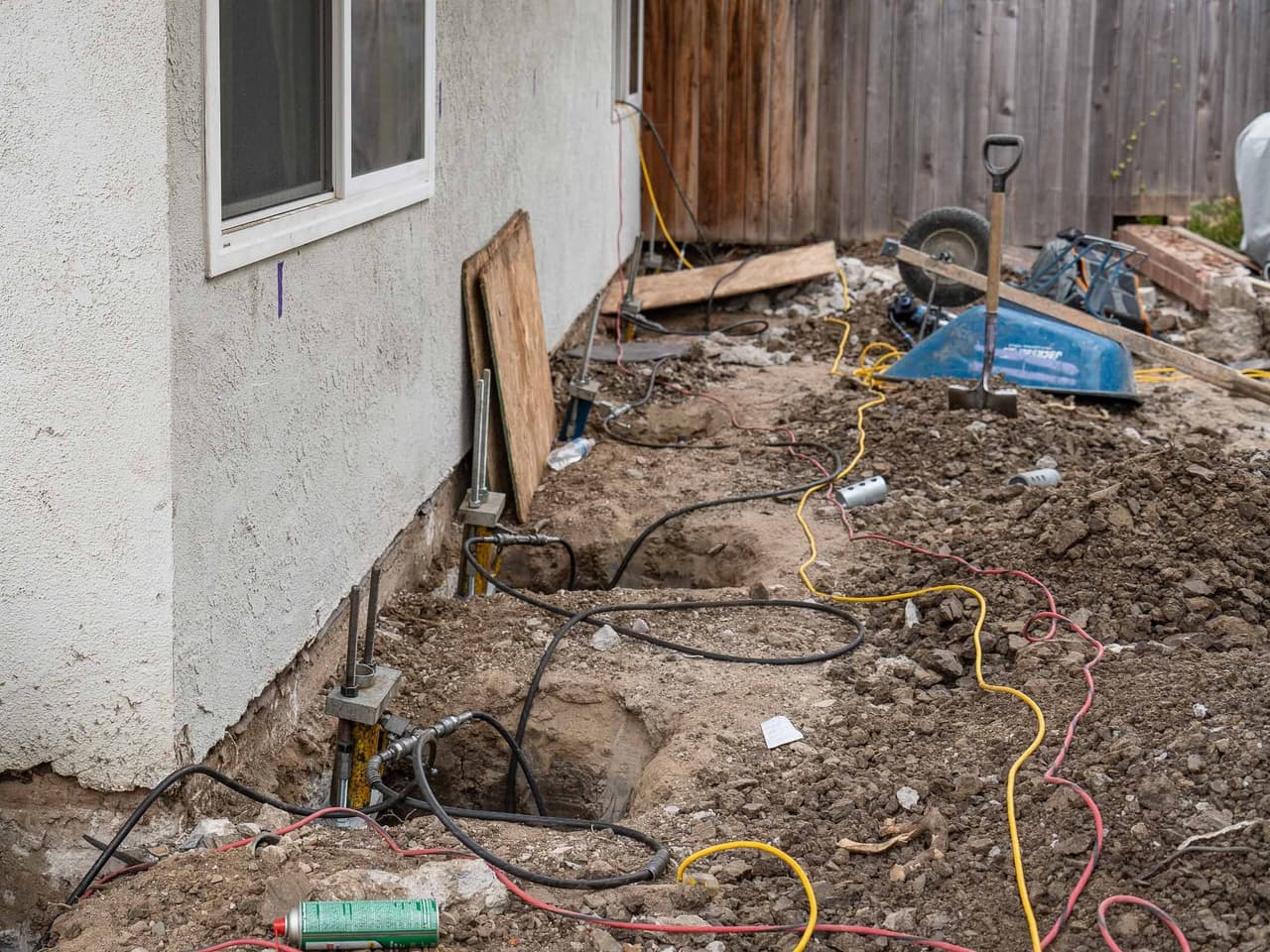
If problems exist, the report quantifies them and attaches foundation repair options with real costs, which converts an unpriceable fear into a number the parties can negotiate. If the foundation is healthy, the report says so plainly, and that finding carries its own weight in the deal.
CH 03
The honest outcomes: most houses pass
A large share of transaction inspections find stable homes: old, finished settlement, cosmetic cracks, normal seasonal movement. That report protects the deal from speculation, because a documented healthy foundation beats a hopeful guess and undercuts lowball repair theater from the other side of the table. We are not hunting for projects, and the report tells the truth in whichever direction the measurements point.
When the measurements do show active movement, finding it during escrow is the good version of that news. The buyer prices it, the seller addresses it, or the parties split it, and nobody inherits a surprise. The expensive version is the same finding a month after closing, which is exactly what this service exists to prevent.