CH 01
The three ways ground fails here, and how to tell them apart
Nearly every soil problem we treat is one of three stories. Expansive clay, the signature soil of our inland valleys, swells when wet and shrinks when dry, cycling the structure above it up and down a little every year. Loose or undercompacted soil, common in fill and in sandy desert ground, compresses under load or collapses when water finally soaks it, producing settlement that trends one direction. And erosion, from drainage, irrigation, or a leaking line, physically removes soil, leaving voids that slabs and footings eventually find.
Each story leaves different fingerprints: seasonal symptoms that open and close point to expansive clay, steady one directional sinking points to compression, and sudden movement after a wet event points to erosion or collapse. Reading the fingerprints correctly is most of the job, because the treatments do not interchange. USDA soil survey data for the more than 1,000 cities and communities in our service area confirms the split: sand dominates much of the coast and desert floor, clay leads the inland valleys, and roughly half the mapped cities carry moderate or higher expansion risk.
CH 02
How we diagnose the ground, not just the symptoms
The evaluation starts where every Dalinghaus project starts, with a manometer floor elevation survey that maps how the structure sits to fractions of an inch. Then it goes outside: how water moves across the lot, where irrigation runs, what the soil at the foundation line actually is, and whether the damage pattern matches the moisture pattern, since clay problems concentrate wherever moisture is uneven, the irrigated side against the dry side, the corner under a downspout, the zone over a slow leak.
You get the findings in writing, including the case where the honest answer is that your movement is minor, seasonal, and best handled with drainage corrections and a follow up measurement next year rather than injection or steel.
CH 03
What stabilization work actually looks like
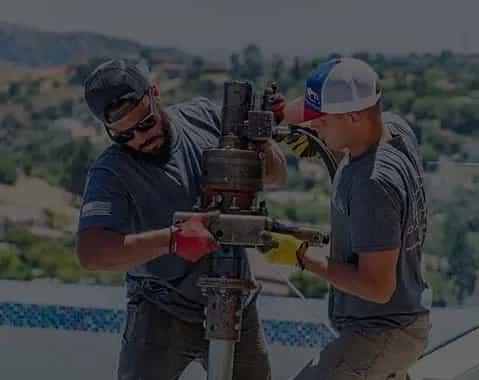
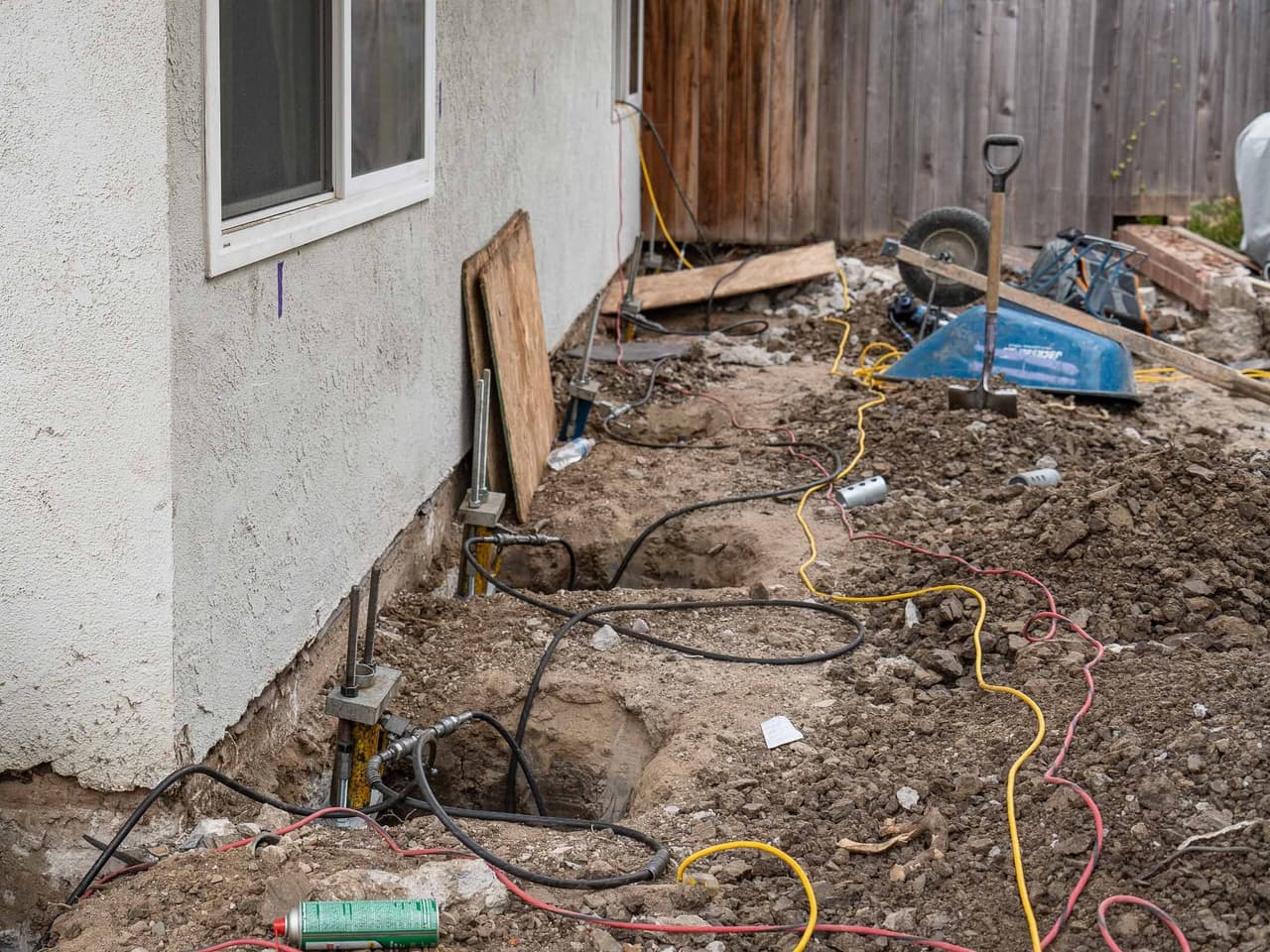
For shallow voids and loose zones under slabs, polyurethane injection fills the gaps and compacts the surrounding soil through coin sized holes, with elevations monitored as the material expands. For broader weak zones, permeation grouting drives small diameter pipes to the target depth on a planned grid and pumps grout that flows through the pore spaces the way water would, binding loose particles into a coherent mass; the crew monitors pressures and volumes at every point, which is how the ground itself reports whether it is taking the treatment.
Where the problem soil is too deep or too active to fix in place, the honest move is to stop treating it and bypass it: steel piers carry the structure through the trouble layer to strata that do not move.
CH 04
When soil stabilization is not the answer
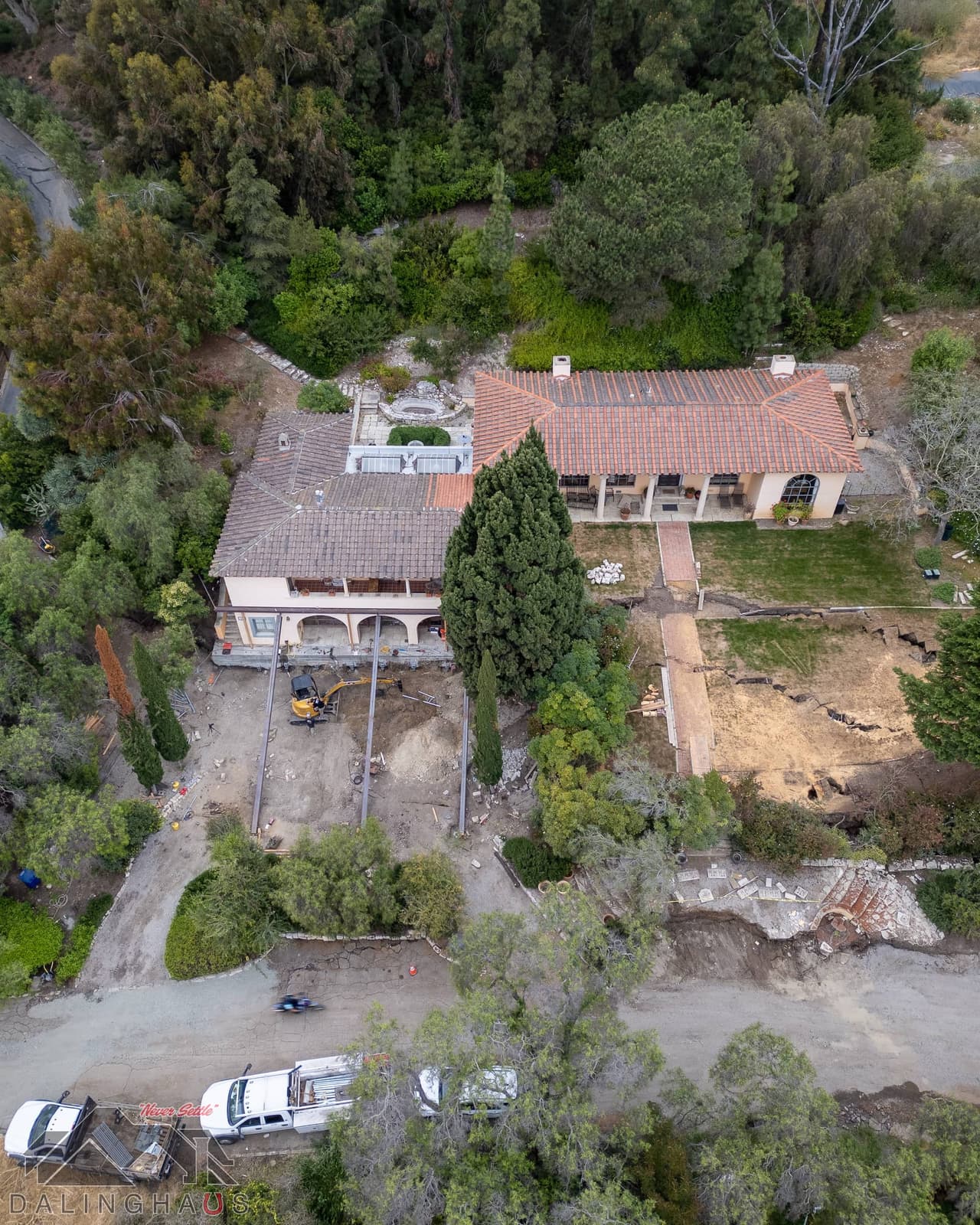
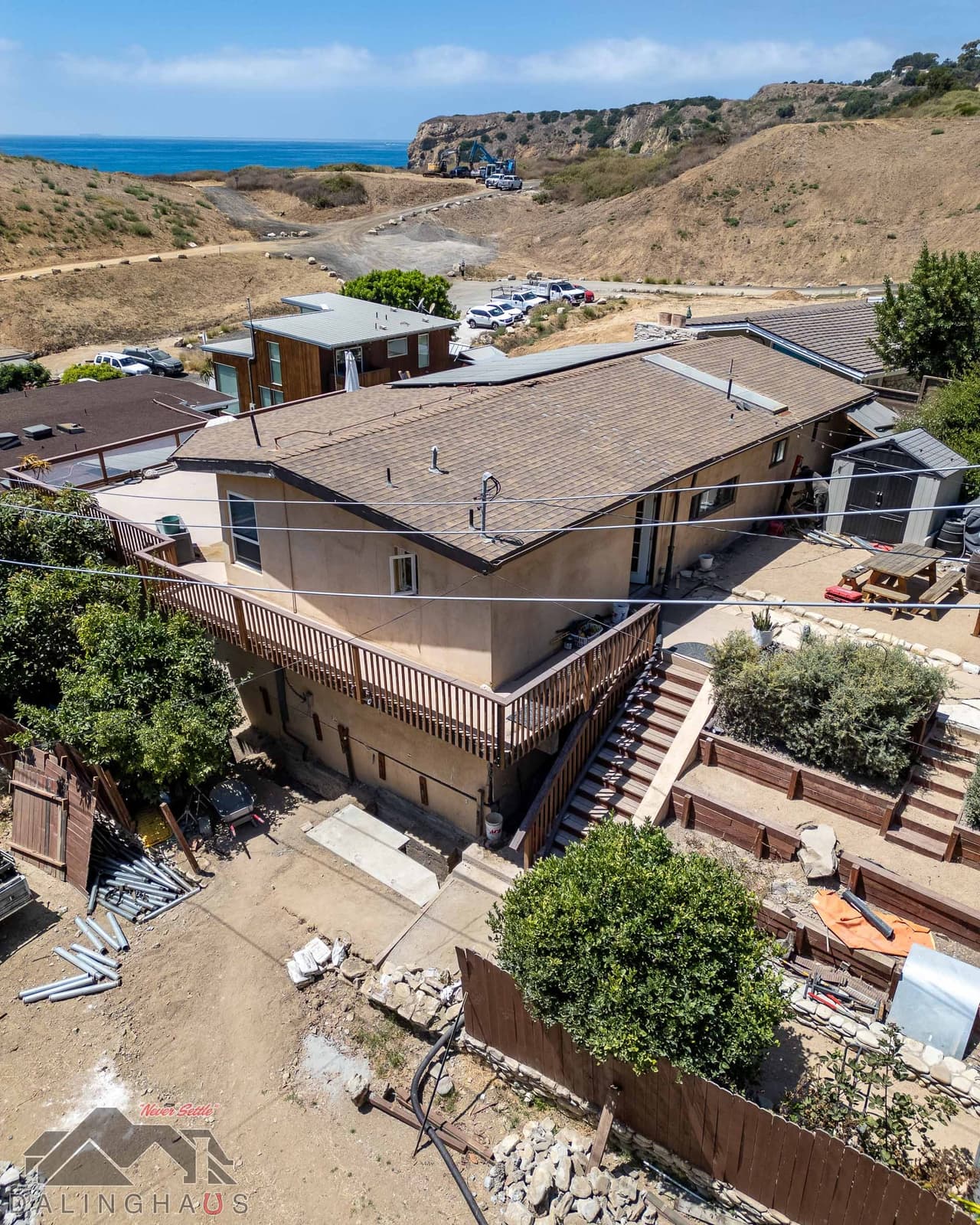
Stabilization strengthens ground that is weak. It does not switch off expansive clay's appetite for water, hold up a footing that is settling through soil twenty feet deep, or outpace a drainage problem that keeps resaturating the treated zone. Clay heave is managed with moisture control and, where the structure needs it, deep support. Deep settlement is a pier problem. And any repair installed upstream of an uncorrected water source is a repair on a timer. And when the ground moving is the slope a house sits on rather than the soil under it, the slope itself needs holding, which is hillside repair for the slope.
So the recommendation follows the failure mode, not the list of foundation repair methods. Some projects need injection alone, some need piers alone, and plenty need a drainage fix plus a follow up survey before anyone can honestly say more.
CH 05
Living on expansive soil: what actually helps between repairs
If your home sits on clay, the cheapest stabilization tool you own is moisture consistency. Grading that moves water away from the foundation, downspout extensions, irrigation that does not soak one side of the house while the other bakes, and prompt attention to leaks all shrink the swings the clay goes through, and the swings are what move foundations. None of that reverses settlement that has already happened, but it slows the cycle that causes more.
We fold those corrections into most repair plans, because improper drainage is the accelerant behind the majority of the soil failures we see, and because stabilizing the ground while leaving the water pointed at it is only half a repair.