What is house lifting, and when does your home need it?
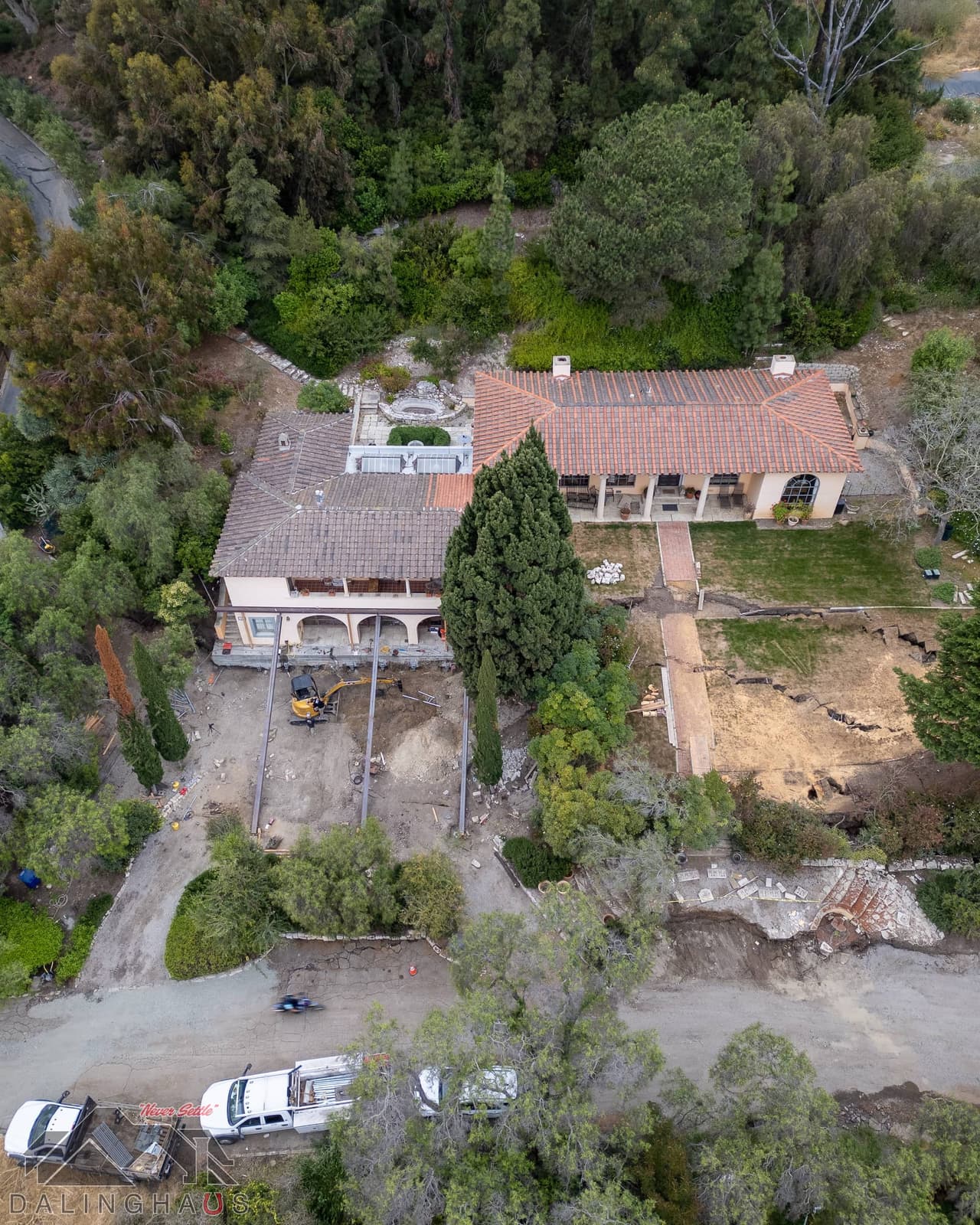
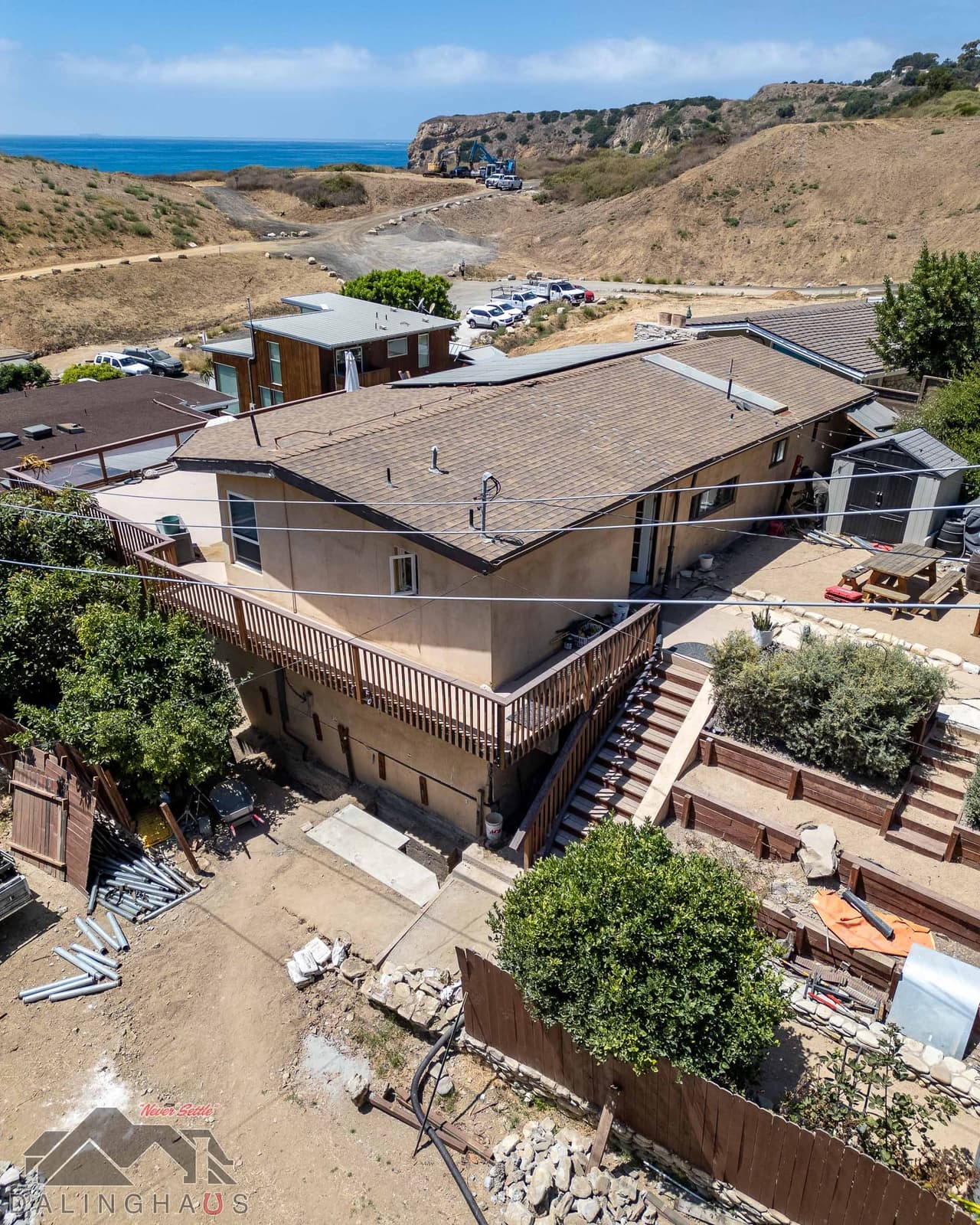
House lifting sounds dramatic, but in foundation repair it is usually a matter of fractions of an inch at a time. When a home settles, part of the foundation sinks below the elevation it was built at, and stabilizing it where it sits is only half the job. The other half is recovering elevation: lifting the settled section back toward its original position so floors flatten, doors square up, and cracks close. That recovery is what our house lifting service is built around.
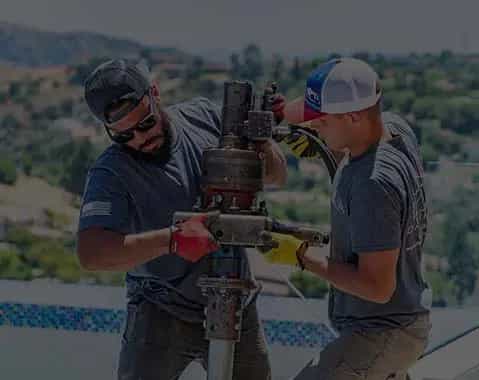
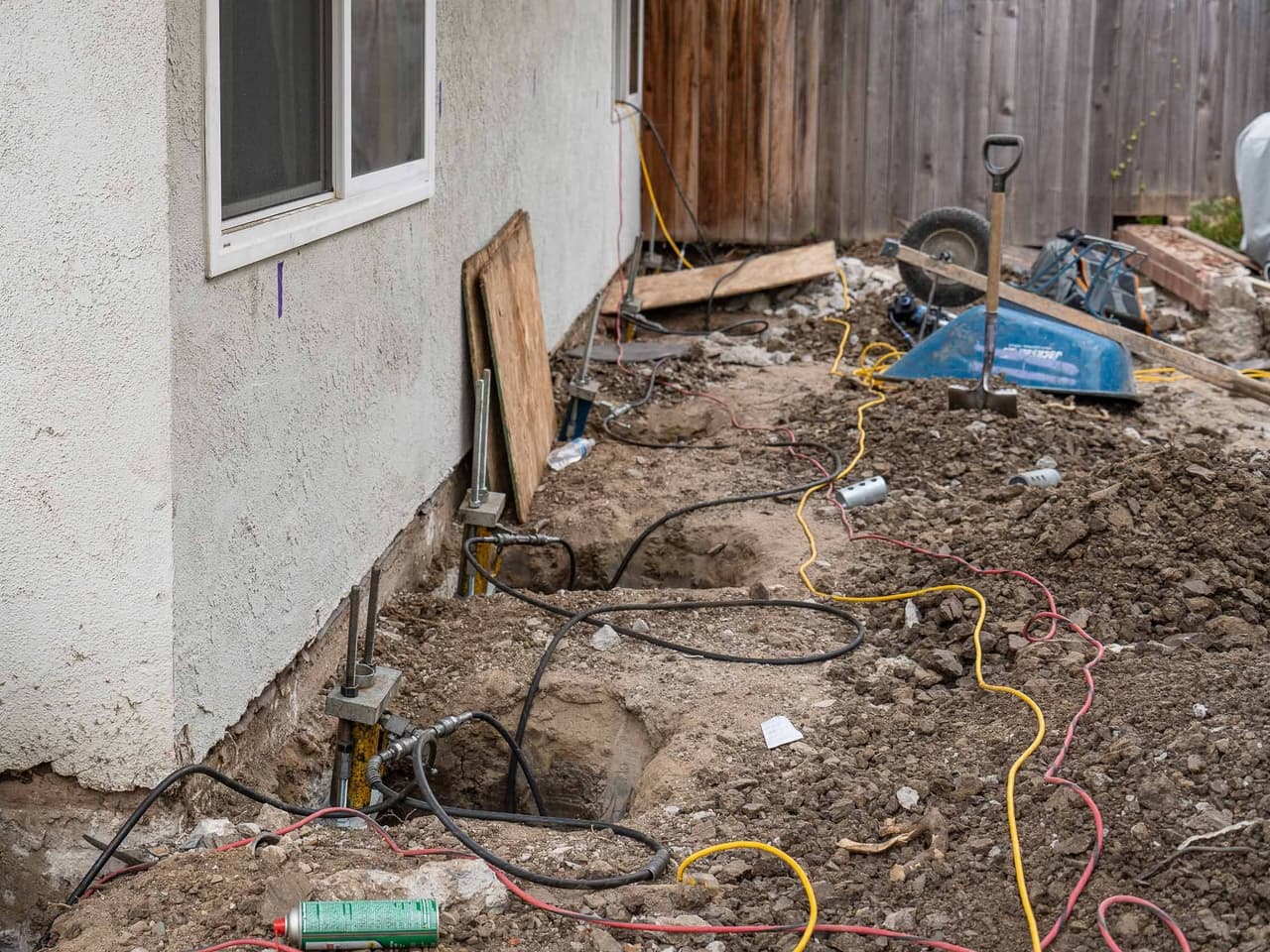
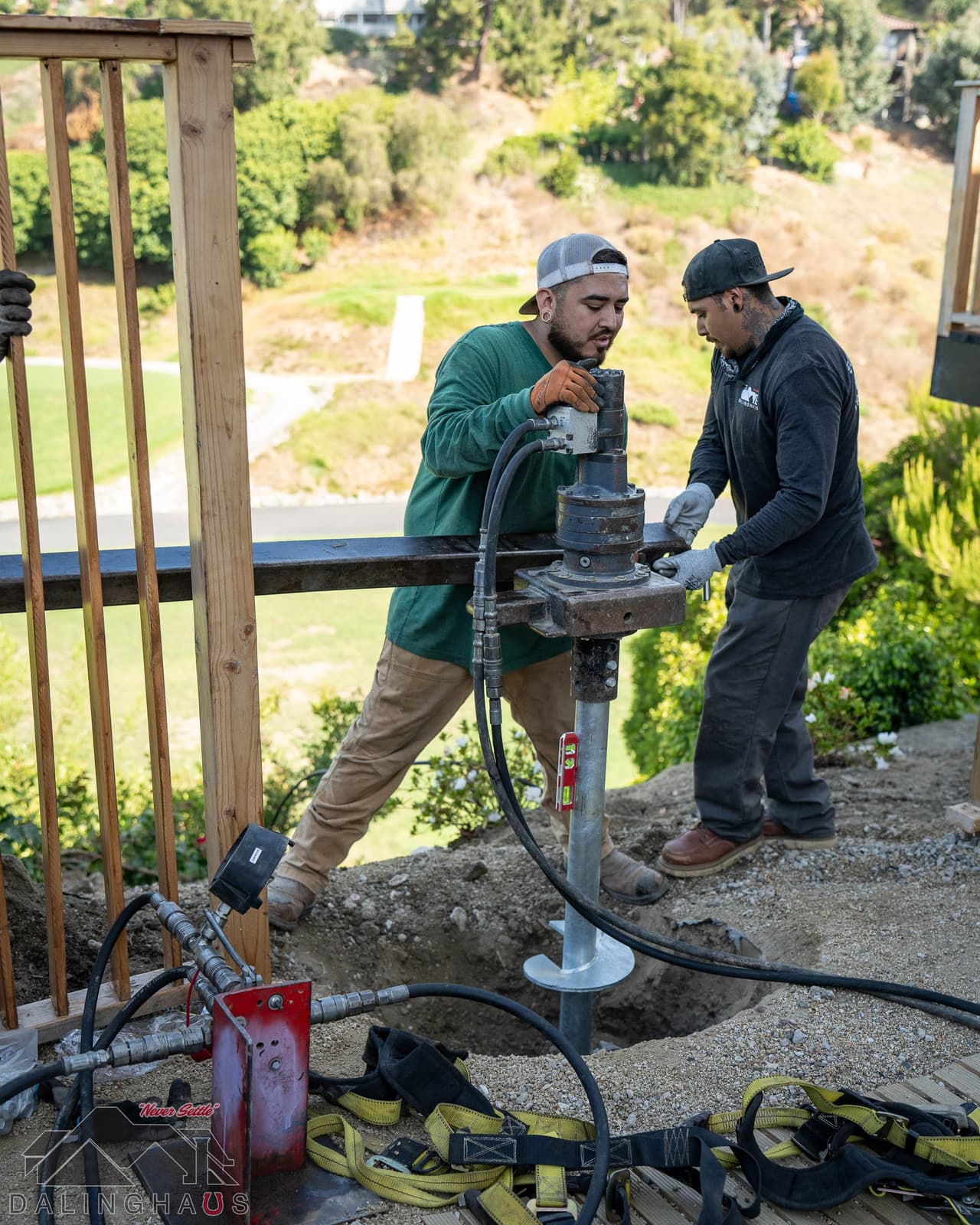
The reason homes settle in this region is the ground. Clay soil acts like a sponge under your house, swelling when wet and shrinking when dry, and dry desert soils and undercompacted fill settle unevenly on their own schedule. Lifting a house without addressing that soil just schedules the next settlement. So we lift from something the soil cannot move: galvanized steel helical pier underpinning or push piers driven to load bearing strata, the deeper layers of soil or rock that do not shift, with torque and depth logged on every pier. Hydraulic equipment then raises the structure in small, monitored increments while we track elevations across the home, because a controlled lift closes cracks and a careless one creates them.
If you're noticing signs your home needs house lifting, every project starts with a floor elevation survey, a map of exactly how far each part of your home has moved and in which direction. From that map we walk you through the house lifting solutions available: what lift is realistic, what it involves, and what it costs, in writing, whether or not you hire us. Dalinghaus Foundation Repair has completed more than 2,000 projects across California, Arizona, and Nevada since brothers Brian and Brad Dalinghaus founded the company in 2011. If part of your home has settled, schedule your free evaluation and find out how much of that lost elevation can come back.