The most common foundation problems in Southern California homes come from expansive clay soil, poor drainage, plumbing leaks under the slab, hillside movement and earthquakes. They usually show up as sticking doors, cracks in stucco and drywall, sloping floors and gaps around windows. Most homes here sit on a concrete slab or a raised foundation over a crawl space, and each type has its own weak points.
This guide covers the warning signs to look for, what causes each problem in this region, which signs are normal and which need a closer look, and how each problem is usually repaired. If you live in Arizona or Nevada, our guides to foundation issues in Arizona and foundation issues in Nevada cover the soils there.
What Are the Most Common Foundation Problems in Southern California?
Eight problems cover most of what homeowners in the region run into. A single house can have more than one at the same time.
| Problem | What you may notice | Common cause in the region |
|---|---|---|
| Slab settlement | Sloping floors, cracked tile, cracks at door corners | Clay soil drying out, loose fill, water washing soil away |
| Foundation heave | A floor that rises in one area, doors that bind | Clay soil swelling after rain, irrigation or a leak |
| Plumbing leak under the slab | Damp flooring, a rising water bill, new cracks in one area | A broken supply or drain line soaking the soil |
| Poor drainage | Water pooling by the walls, soil washing out | Short downspouts, flat grading, sprinklers aimed at the house |
| Raised floor settlement | Bouncing, sagging or sloping floors | Sinking pads, rotted posts, sagging beams |
| Hillside movement | Cracks that widen downhill, a deck or patio pulling away | Slope creep, erosion, poorly compacted fill |
| Earthquake weakness | Usually nothing until strong shaking | Unbolted sills and unbraced cripple walls in older raised homes |
| Tree root effects | A lifted slab edge, cracks near a large tree | Roots drying the soil or pushing on concrete |
What Are the Warning Signs of Foundation Problems?
No single sign proves a foundation is moving. A pattern of several signs, or one sign that keeps getting worse, is what deserves attention. The same crack can have different causes, so a professional evaluation comes before any conclusion.
Inside the Home
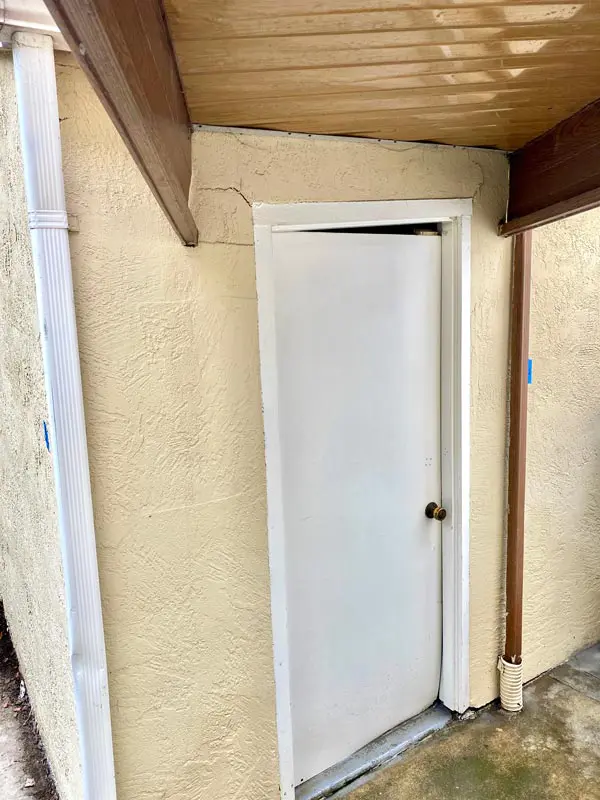
- Doors and windows that stick, swing open on their own or will not latch.
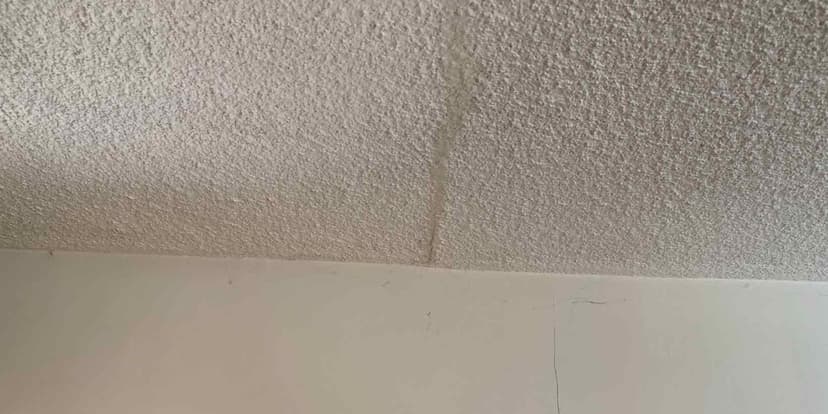
- Drywall cracks running from the corners of doors and windows.
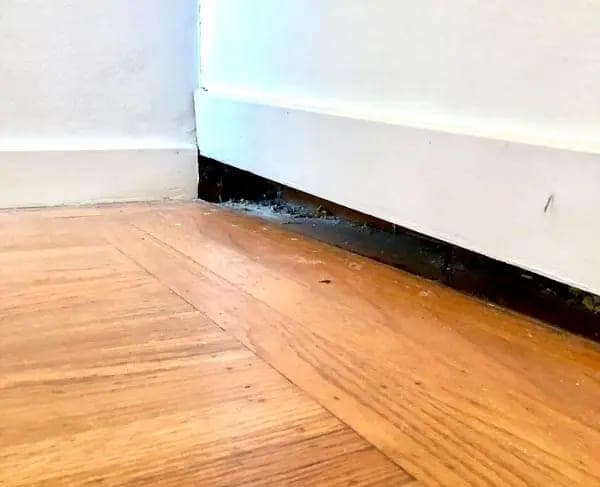
- Floors that slope, dip or feel uneven underfoot.
- Cracked floor tile or grout, often in a line across a room.
- Gaps between cabinets or countertops and the wall.
- Drywall nail pops in several places, or gaps where walls meet the ceiling.
Outside the Home
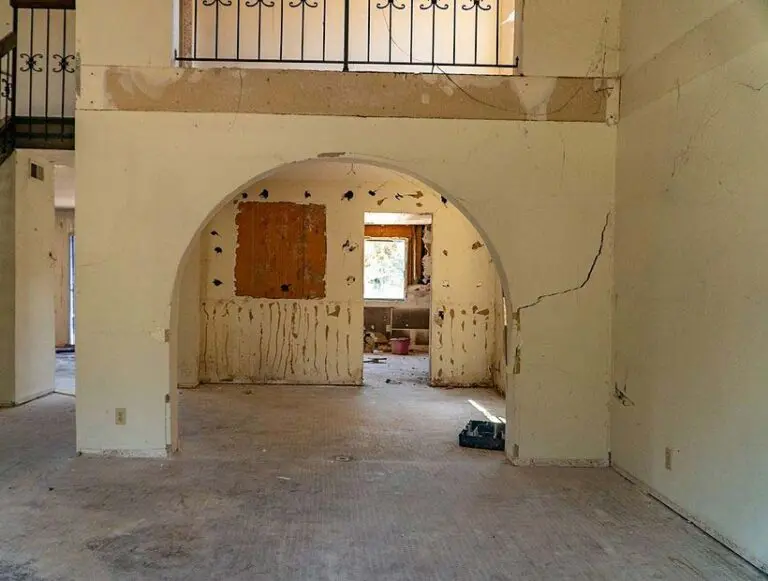
- Diagonal or stair step cracks in stucco, often starting at the corners of windows and doors.
- Gaps between window or door frames and the wall around them.
- A chimney that leans away from the house.
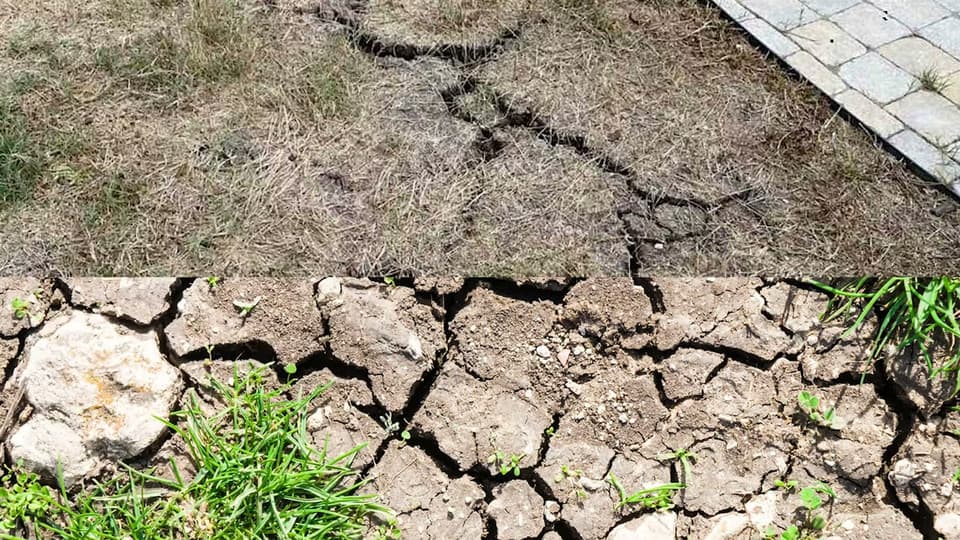
- Soil pulling away from the foundation in dry months.
- Water pooling against the walls after rain or irrigation.
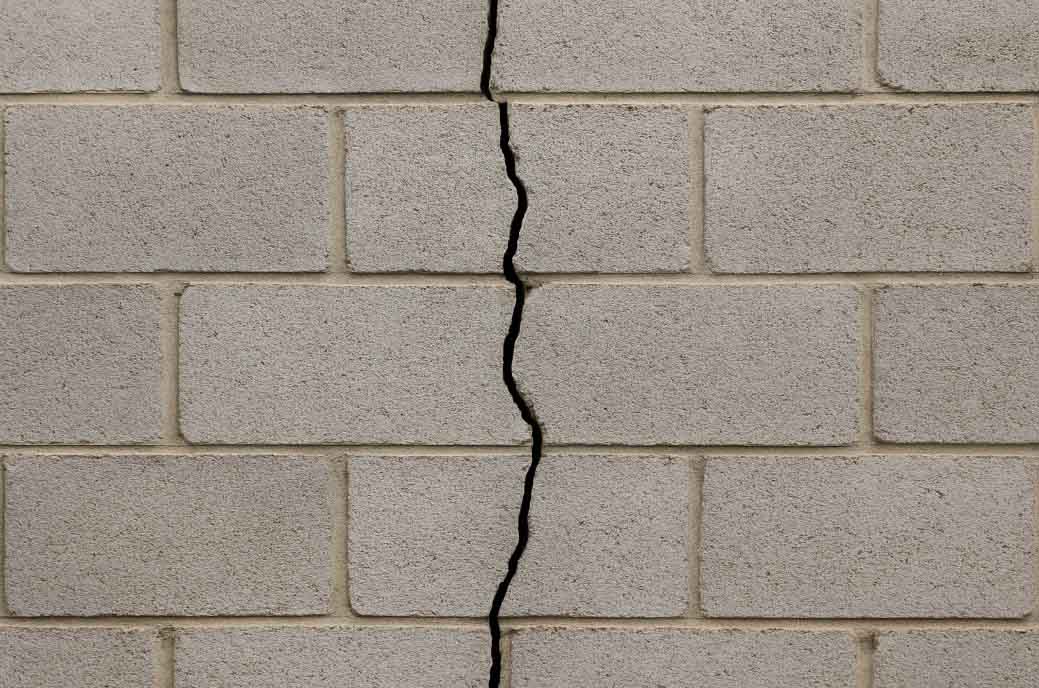
- Cracks in the exposed edge of the slab or in a stem wall.
Under a Raised Floor
- Floors that bounce, sag or squeak more than they used to.
- Posts that lean, sit on cracked or sunken pads, or show rot.
- Stacks of shims under beams, often left by an earlier quick fix.


Why Does Expansive Clay Soil Cause So Many Foundation Problems?
Clay soil acts like a sponge beneath your home. It expands when wet and contracts when dry, which can cause the foundation above it to move. Expansive clay soil is mapped across much of Southern California, including parts of Los Angeles and San Diego.
The movement on its own is not the main problem. Uneven moisture is. When one side of a house stays wet from a sprinkler or downspout and the other side dries out, the foundation moves unevenly and cracks follow. Long dry summers and the occasional very wet winter make these swings larger, so damage often gets worse after a wet season or a long drought.
Signs that point toward clay soil include cracks and sticking doors that come and go with the seasons, damage concentrated on the irrigated side of the house, and deep shrinkage cracks in bare soil during dry months.

How Do Drainage Problems Damage a Foundation?
Water drives much of the soil change that moves foundations. Too much water softens soil or washes it out from under a slab edge. Too little lets clay shrink away from the footing. Common drainage problems include:
- Downspouts that empty right at the wall.
- Yards graded flat, or sloping toward the house.
- Sprinklers and drip lines that soak the soil against the foundation.
- Planters built against the walls that hold water.
- Clogged gutters that spill over the edge of the roof.
Simple changes help. Downspout extensions carry roof water away from the house, and surface drains collect water that would otherwise pool by the walls. Keep gutters clean and make sure soil slopes away from the foundation. In long dry spells, our guide on whether a foundation needs watering explains why any watering should be slow and set back 18 to 24 inches from the foundation.
Can a Plumbing Leak Under the Slab Cause Foundation Problems?
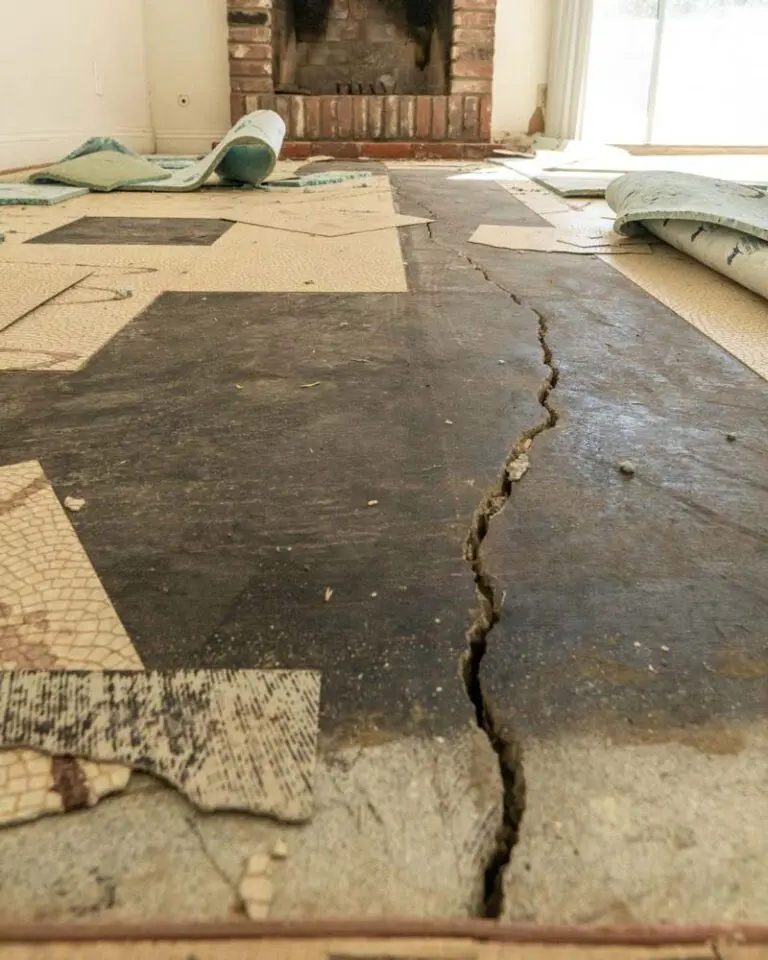
Yes. Water supply and drain lines run through or under most slab foundations. A leak can soften the soil under one area, wash fine soil away and leave a void, or make clay swell and push the slab up. Signs include damp or warm spots in the flooring, a water bill that rises for no clear reason, the sound of running water when every fixture is off, and new cracks clustered in one part of the house.
A leak needs a plumber before any foundation work begins. Lifting a slab while water is still running under it treats a symptom while the cause keeps changing the soil. Our guide to slab leaks explains how they are found and fixed.

What Goes Wrong With Slab Foundations?
Many Southern California homes sit on a concrete slab poured directly on the ground. Besides clay soil and leaks, two other causes are common. Fill placed under a slab during construction may not have been compacted evenly, and it can keep compressing for years, taking part of the slab with it. Voids can also form where water has washed soil away, leaving a section of slab without support.
Some homes are built on post tension slabs, which have steel cables inside the concrete held under high tension. Drilling into one without knowing where the cables run can damage the slab. Before any interior work, our team runs a ground penetrating radar (GPR) scan of the floor, and on a post tension slab the scan is required every time. Our slab foundation repair page covers the repair options in more detail.
What Foundation Problems Affect Raised Homes With Crawl Spaces?
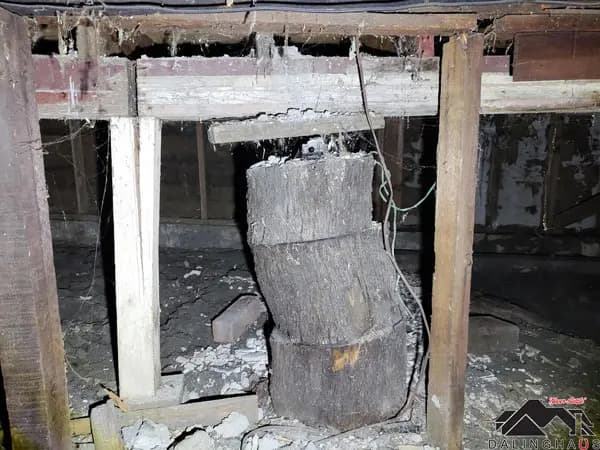
Many older Southern California homes are raised, with the floor resting on wood posts, beams and short walls over a crawl space. Problems here are usually in the structure under the floor rather than in a slab. Concrete pads under posts can sink. Wood posts can rot where they meet damp soil. Beams can sag when posts were spaced too far apart or a past remodel removed support. Stem walls, the short concrete walls around the edge, can crack and spall.
These problems show up as bouncing, sagging or sloping floors. Repairs include adjustable steel crawl space jacks under beams, post and pier repair, and stem wall repair. Keeping water away from the crawl space protects both the wood and the soil under the pads.
How Do Earthquakes Affect Foundations in Southern California?
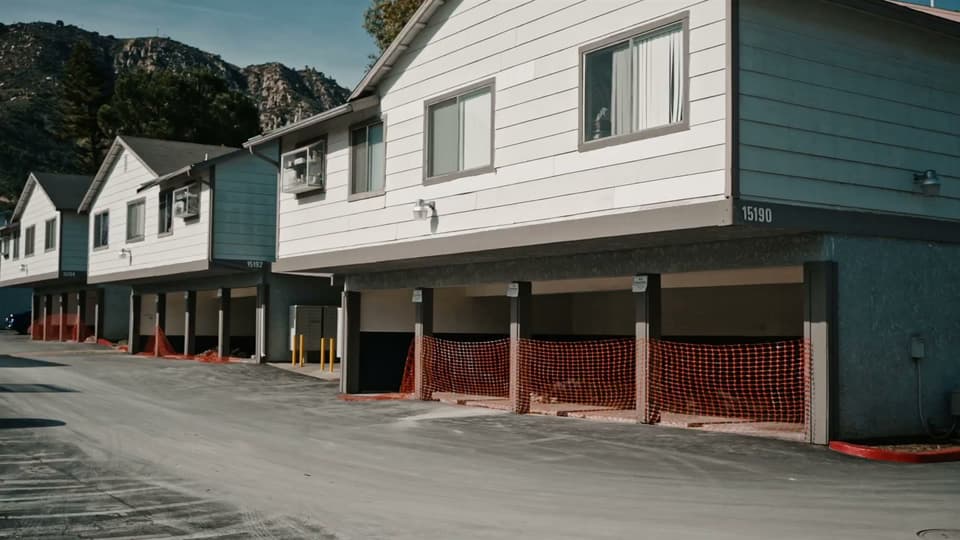
Southern California sits in an active earthquake region, so shaking is a risk every house here shares. The homes most exposed are older raised homes built before modern seismic requirements. In many of them the sill plate, the wood board the house rests on, is not bolted to the foundation, and the short cripple walls in the crawl space are not braced. Strong shaking can push a house like this off its foundation.
A seismic retrofit bolts the sill to the foundation, braces the cripple walls with structural panels and ties posts and framing together with steel hardware, so the house moves as one piece. Rotted wood is repaired first, because hardware only holds as well as the wood it fastens to. A retrofit addresses the most common and preventable damage in raised homes. It is not a guarantee against all earthquake damage.

Why Do Hillside Homes Have Foundation Problems?
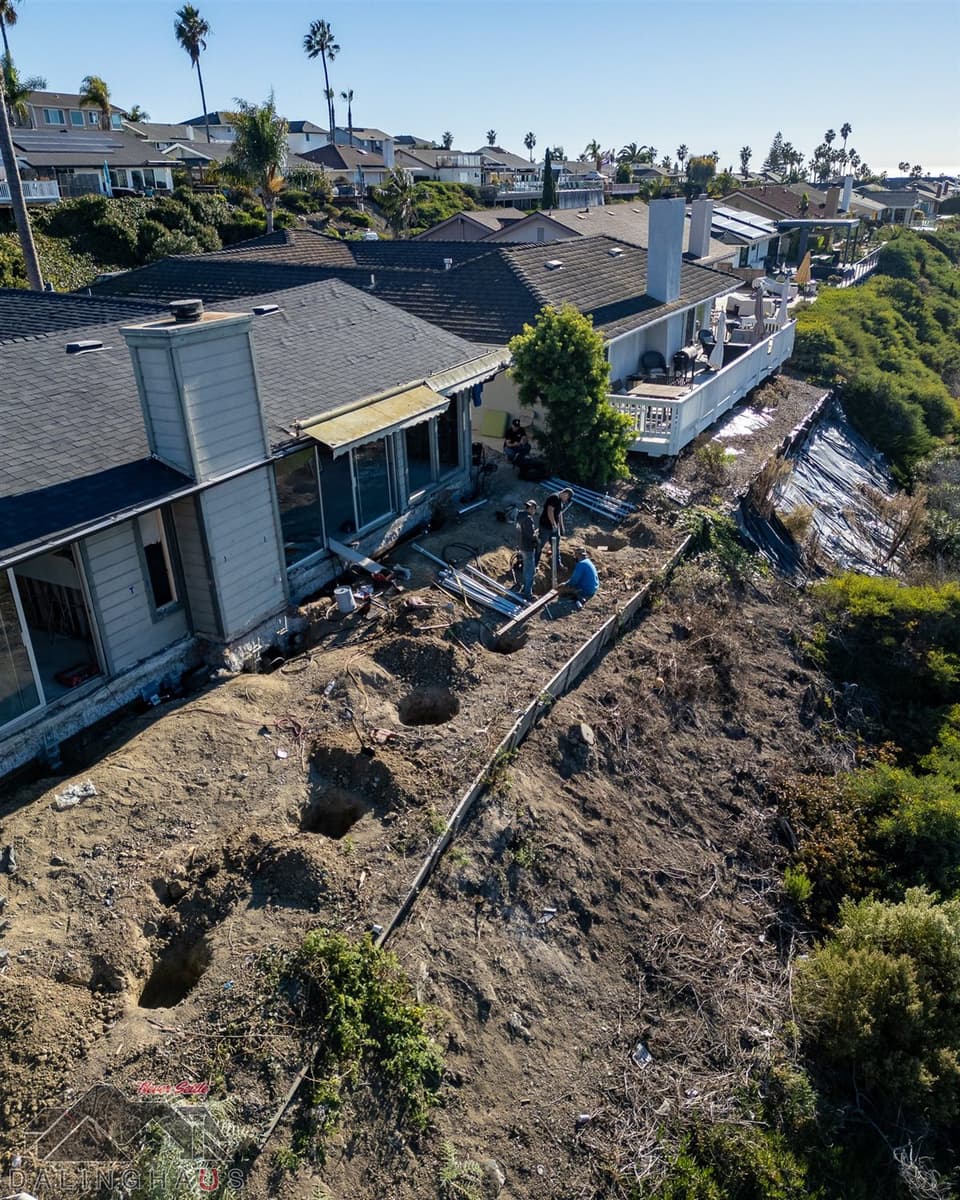
Many Southern California neighborhoods are built on hillsides and graded lots. On a slope, soil can creep slowly downhill, erode after heavy rain, or settle where fill was placed to create a flat building pad. Signs include cracks that widen toward the downhill side, a deck, patio or pool deck pulling away from the house, retaining walls that lean, and cracks in the ground on the slope.
The repair depends on whether the house or the slope itself is moving. Helical piers and tiebacks can carry a hillside home on deeper, firmer ground. When the slope is moving, slope stabilization with methods such as soldier piles and soil nailing may be needed. Our page on signs of slope movement shows what to watch for.
Can Tree Roots Damage a Foundation?
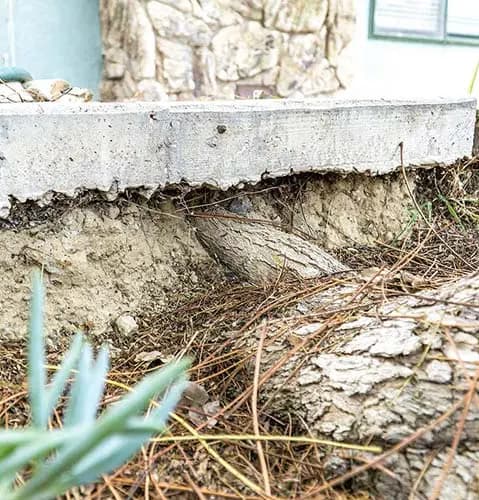
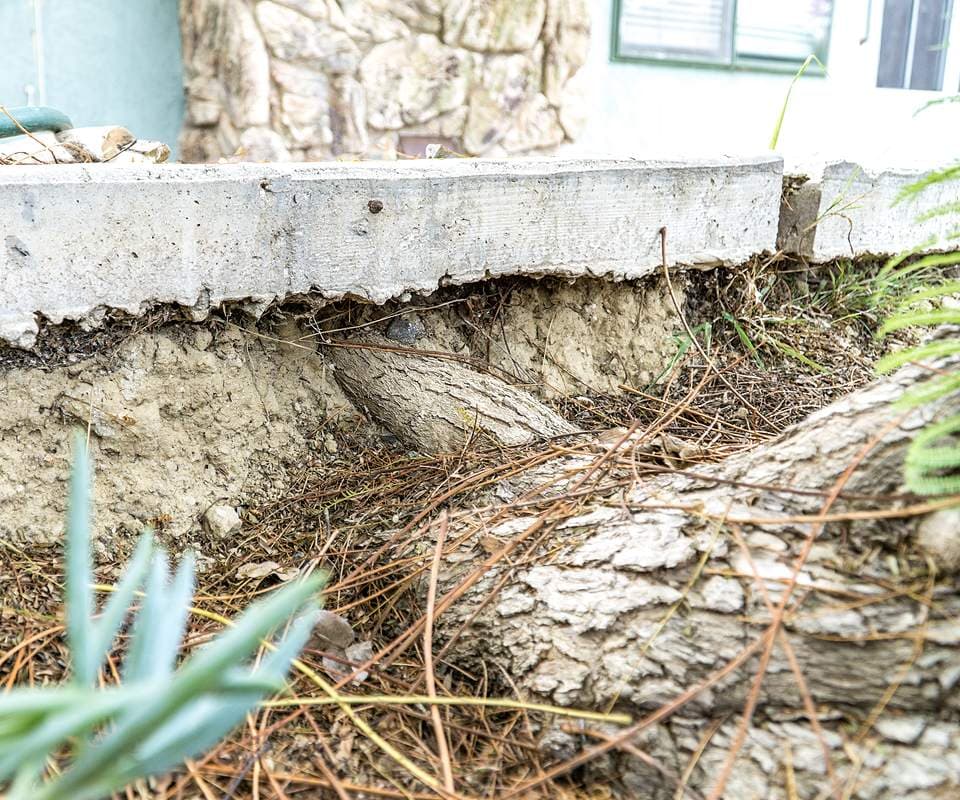
Large trees close to a house can affect a foundation in two ways. Roots pull a lot of moisture from the soil, which can make clay shrink under one side of the house in dry months. Roots growing under a slab edge or walkway can also lift and crack the concrete. Removing a large tree can change soil moisture too, so talk to an arborist before taking one out near the house.
Which Foundation Problems Are Normal, and Which Need Repair?
Some cracking is normal. Small cracks that form as new concrete dries and shrinks are common, and most of them do not affect the strength of the slab (NRMCA, Cracking Concrete Surfaces). A hairline drywall crack at a single door corner can come from ordinary movement in the framing. Cracks that keep growing, cracks where one side sits higher than the other, and several signs appearing together are a different matter and are worth having evaluated.
You can track a crack yourself. Mark each end with a pencil line and the date, photograph it with a ruler beside it, and check it every few months. A crack that runs past your marks is still moving. Note which doors stick and when, because changes that follow the seasons point toward soil moisture.
Sealing a hairline crack can keep water out, but it does not stop movement. Structural repair is not DIY work, and a crack patched over active movement will usually open again.
How Are Common Foundation Problems Repaired?
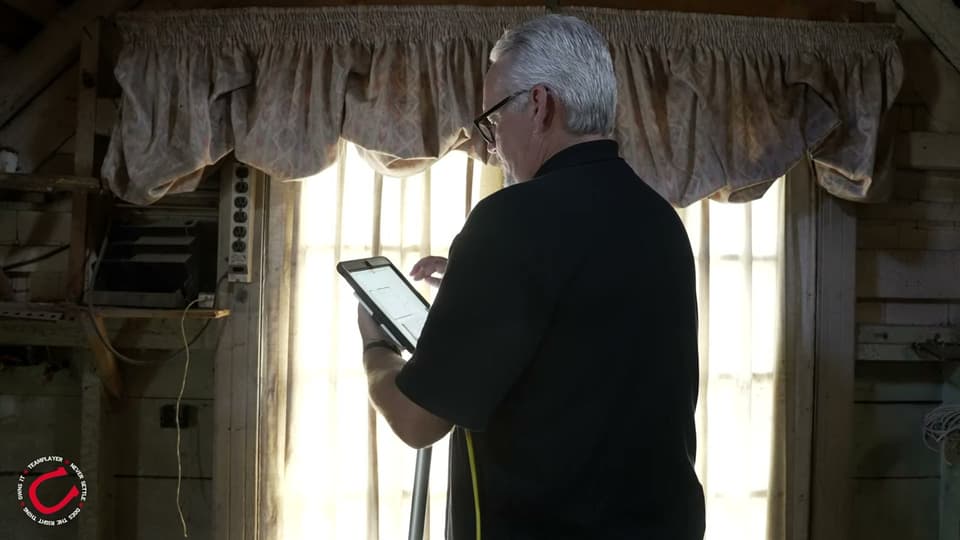
The repair follows the cause, so the first step is a diagnosis. During a free evaluation, our team measures floor elevations across the house, looks at the cracks, checks for voids and reviews drainage to understand what is moving and why.
Common problems and the repairs that usually match them:
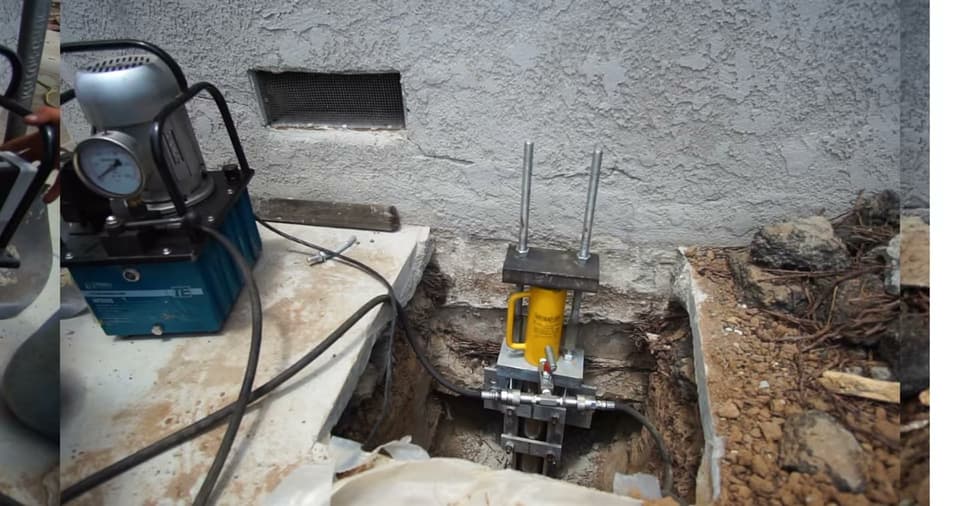
- A settling footing. Push piers or helical piers carry the house on deeper, firmer soil, a repair called foundation underpinning. (Piers are installed first to stop further settlement. Lifting is attempted after that, as far as the structure can safely go, and a perfect lift cannot be guaranteed.)
- A section of slab that dropped over a void. Where the ground has stopped moving, polyurethane foam injection fills the void and lifts the slab.
- Cracks in a slab or stem wall. Foundation crack repair with epoxy or polyurethane injection, once the movement behind the cracks is addressed.
- Loose or weak soil. Soil stabilization with grout injection binds loose soil together.
- Sagging raised floors. Crawl space jacks, new posts and new footings.
- Drainage problems. Downspout extensions and surface drains.
- Older raised homes. Seismic retrofitting.
- Hillside movement. Helical piers, tiebacks and slope stabilization.
Repair costs depend on what the evaluation finds, so we give each homeowner a written proposal rather than a general price. Financing is available.
What Happens If You Ignore Foundation Problems?
Movement usually continues while its cause is still there. Cracks widen, doors stop closing, and patched drywall cracks open again. A leak or drainage problem left alone keeps changing the soil, and water can get into cracks and walls.
Foundation problems also come up when a house is sold. Buyers and their inspectors often ask for a foundation evaluation during escrow, and our real estate inspections page explains how that works. Some old cracks never change, so the useful first step is finding out whether the movement is active.
If you are seeing several of these signs, or a crack that keeps growing, schedule a free evaluation with our team. Dalinghaus has completed more than 2,000 foundation projects across Southern California, Arizona and Nevada since 2011. You can also learn more about foundation repair on our main service page.
Frequently Asked Questions
Are Foundation Problems Common in Southern California?
Yes. Expansive clay soil, long dry summers with occasional very wet winters, hillside lots and older raised homes all make foundation movement common here. Most problems develop slowly and can be repaired once the cause is known.
Is It Safe to Live in a House With Foundation Problems?
It depends on the problem. Many homes with slow settlement are lived in while the problem is evaluated and repaired. Cracks that grow quickly, doors that suddenly will not open, or a sagging floor that keeps getting worse deserve a prompt evaluation.
What Is the Difference Between Foundation Settlement and Heave?
Settlement is downward movement, when soil under the foundation compresses, dries out or washes away. Heave is upward movement, usually when clay soil swells with water from rain, irrigation or a leak. The two can look alike, and measuring floor elevations is how they are told apart.
How Can I Prevent Foundation Problems in Southern California?
Keep water moving away from the house with clean gutters, extended downspouts and soil that slopes away from the walls. Aim sprinklers away from the foundation, fix plumbing leaks quickly, and watch for new cracks or doors that start to stick.
Next Step
Schedule a Free Evaluation
A local specialist will evaluate your foundation, walk you through the findings, and send a clear estimate. No cost, no pressure.
Learn more about our foundation repair services.
Found this useful? Share it with someone working on their home.
Written by
Brian Dalinghaus
Co-Founder, Dalinghaus Foundation Repair
Brian Dalinghaus founded Dalinghaus Foundation Repair with his brother Brad in Southern California in 2011. The brothers built the company on a Midwest work ethic and a single standard for every job: Never Settle.
More about Brian
Let's take the first step toward solid ground.
A local specialist will evaluate your foundation, walk you through the findings, and send a clear estimate. No cost, no pressure.