Are Small Cracks In A Foundation Normal?
Panic sets in as you envision costly repairs and structural failure. But how concerned should you really be? Schedule a free evaluation with Dalinghaus.


Panic sets in as you envision costly repairs and structural failure. But how concerned should you really be? This article will help you understand the nature of small foundation cracks, how to assess their severity, and how to know when professional intervention is necessary.


Understanding Foundation Cracks
Although the term sounds scary by itself, foundation cracks can vary widely in appearance and implication.
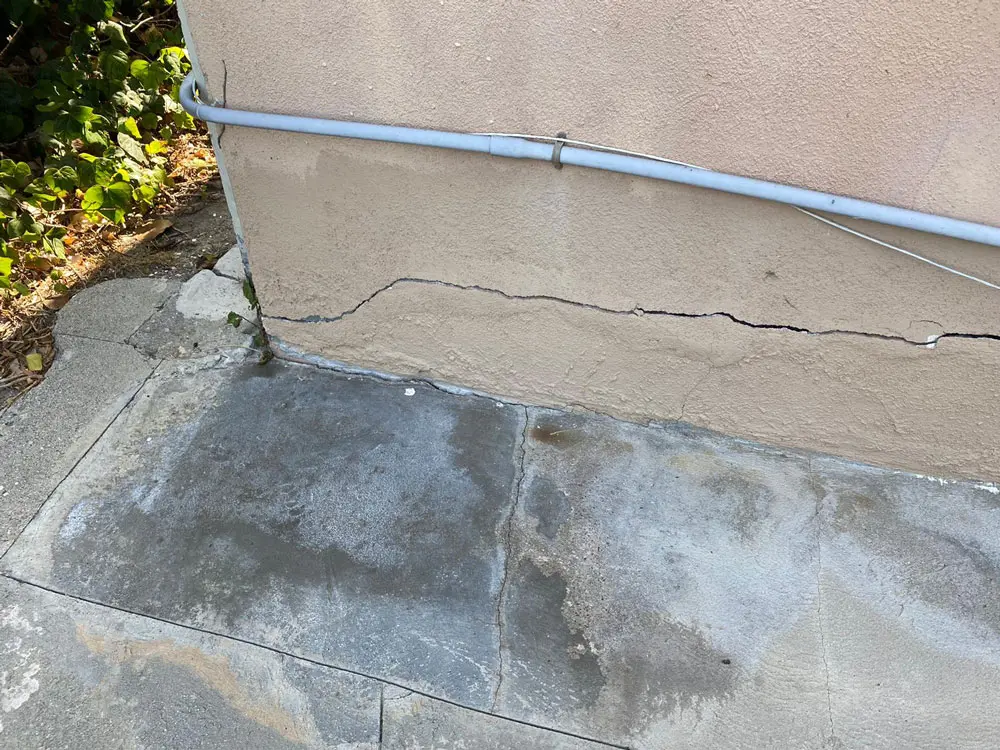
For example, small cracks are referred to as hairline cracks. They are thin and narrow, typically less than 1/8 inch wide, and are a normal part of a building’s aging process. They’re caused by natural settling, temperature fluctuations, and minor soil movement.
While generally not an immediate structural threat, hairline foundation cracks should be monitored for changes that could indicate more serious underlying issues.
Types of Small Cracks in a Foundation
In general, small cracks can be distinguished by their size, shape, and position:
- Vertical Cracks: Typically caused by the normal settling of a house. These are less concerning if they are small and not expanding.
- Horizontal Cracks: Horizontal cracks, even when hairline, can indicate serious issues related to pressure from soil or water and often require immediate attention.
- Diagonal Cracks: Small diagonal cracks in the foundation can appear due to differential settlement, where one part of the house settles more than another, potentially signaling significant structural concerns.
Vertical Cracks
As a house age, it gradually sinks into the soil beneath it. This settling process can lead to hairline vertical cracks, which generally run straight up and down. Vertical cracks in a poured concrete foundation can also be caused by shrinkage during the concrete curing process.
You usually don’t need to worry much about vertical cracks; however, if they widen over time, it might indicate an underlying issue that requires professional evaluation.
Horizontal Cracks
Horizontal cracks typically form due to the lateral pressure exerted by expanding soil or water against the foundation walls. Unlike vertical cracks, horizontal ones are often more concerning and suggest significant structural problems.
Immediate attention from a professional is often required to address horizontal cracks and prevent further damage.
Diagonal Cracks
As the name indicates, diagonal cracks usually run at an angle and can be found in various parts of the foundation. They can signal severe structural concerns, especially when they’re wide or appear suddenly.
Diagonal cracks are not what you could consider “normal,” and often necessitate a thorough assessment by a foundation repair contractor or structural engineer.
Common Causes of Small Cracks in a Foundation
Understanding what lies behind these problems can help determine their seriousness.
Settling of the House
Settling is a normal part of a building’s life cycle, particularly in the first few years after construction. Minor, vertical, small cracks in the foundation are sometimes a byproduct of this process.
Temperature Fluctuations
Foundations, particularly concrete ones, are susceptible to thermal movement, which can lead to cracking. During hot weather, concrete expands, and in cold weather, it contracts. This constant back and forth can create stress within the material, resulting in hairline cracks.
Soil Moisture Levels
Soil swelling and shrinking due to varying moisture levels can exert pressure on the structure it surrounds. Soil with a high clay content is particularly prone to expanding when wet and contracting when dry. Such movements put significant stress on foundation walls, leading to damage.
Managing water around your home, such as ensuring proper drainage, can help mitigate this issue and protect your foundation.
Assessing the Severity: How to Know If Your Foundation Crack Is Structural
Here is what the National Association of Home Builders (NAHB) says about small cracks in foundations: “As a general engineer’s guideline, cracks that are hairline up to 1/8″ in width are considered negligible to slight, 3/16″, 9/16″ are moderate, 9/16″, 1″ are severe and over 1″ are very severe (Forensic Geotechnical and Foundation Engineering, R. W. Day, 2011).”
In other words, there’s no reason to overstress about tiny cracks, but DO monitor them for changes. These are the key indicators they could be turning into structural cracks (and it might be the time to start worrying):
- Structural cracks tend to be larger and grow over time.
- Cracks near load-bearing walls, or those forming a step-like pattern, are often structural.
- Doors and windows that no longer fit their frames, uneven floors, and gaps between walls and ceilings are all signs of structural problems.
Width and Length
When inspecting your foundation, pay close attention to the width and length of any cracks. Hairline cracks, which are very narrow, are generally less of a concern.
Measure their dimensions periodically to track any changes over time and determine if professional assessment is needed.
Pattern
Cracks that form a pattern, such as a stair-step crack in brickwork, indicate underlying structural issues.
Examine the foundation for such traces, as they help identify the type of structural problem and its potential severity. Note their direction and configuration.
Other Signs of Damage
In addition to cracks, a few other symptoms can indicate foundation distress. Look for misaligned doors and windows, sloping floors, and water seepage, all of them possible red flags.
What Happens If You Don’t Fix a Foundation Crack?
Here are three main reasons to not ignore even small cracks in the foundation.
Structural Risks
Small cracks, if they’re structural, will evolve, and as they widen and propagate, your home’s structural integrity could be in danger.
One major issue is foundation shifting, which occurs when the foundation settles unevenly, causing severe structural stress. This is one of the processes behind misaligned doors and windows, cracks in walls, and even noticeable tilting of the house.
Another critical concern is wall bowing, where external pressure from soil or water causes the foundation walls to move inward. Wall bowing bears the risk of a wall collapse and substantial damage to the home’s overall stability.
Water Damage
Cracks in a foundation can become pathways for water infiltration, leading to severe water damage. One of the most common issues is leaks in a foundation wall, where moisture enters through the cracks, causing dampness or flooding.
Persistent moisture problems lead to mold growth, which not only affects the structural materials by causing rot and decay but also poses significant health risks to the inhabitants. Mold spores affect indoor air quality, leading to respiratory problems, allergies, and other health issues.
Pest Infestations
Cracks in the foundation also serve as entry points for insects and rodents. Termites can infest wooden structures, causing extensive damage that weakens the home’s structural integrity. Rodents, on the other hand, gnaw on wires, insulation, and other building materials, creating safety hazards and additional repair costs.
Concrete Slab Cracks vs. Foundation Wall Cracks
Concrete slab cracks and foundation wall cracks differ in their causes, appearances, and implications.
Concrete slab cracks typically occur on the flat, horizontal surface of the slab that forms the foundation’s base, due to shrinkage, thermal expansion and contraction, or settling of the ground beneath the slab. They are generally less critical if they are small and stable but can become problematic if they expand.

In contrast, foundation wall cracks appear on the vertical surfaces of the foundation that extend below the ground. These can be more concerning because they often suggest structural stress or external pressure on the walls, necessitating timely inspection and repair.
How Much Does It Cost to Fix Foundation Cracks?
The actual cost is determined by several factors, including the extent of the damage, accessibility, and regional labor rates.
More extensive repairs, such as addressing significant structural issues or water infiltration, can be considerably more expensive. However, it could be higher depending on where you live.
The price of repair is another reason to act early and hire reputable contractors that offer long-term solutions.
Professional Assessment
Structural engineers use various tools and methods to determine the integrity of your foundation:
- Crack Monitors: Devices placed over cracks to measure movement.
- Soil Analysis: Understanding soil composition and behavior beneath your home.
- Load Testing: Assessing how much load the foundation can bear before significant movement occurs.
Don’t Let Small Cracks Become Big Problems!
Regular inspections and timely professional assessments can prevent minor issues from escalating. Contact us today for a comprehensive foundation inspection and repair quote.
Schedule a Free Evaluation
Foundation movement is easier to judge in person than from a photo. Schedule a free evaluation and a Dalinghaus specialist will walk the property with you and explain what the evidence shows.
Written by
Brian Dalinghaus
Co-Founder, Dalinghaus Foundation Repair
Brian Dalinghaus founded Dalinghaus Foundation Repair with his brother Brad in Southern California in 2011. The brothers built the company on a Midwest work ethic and a single standard for every job: Never Settle.
More about Brian