
Foundation settlement under the wall
When soil compresses beneath part of the home, the wall drops with the foundation while the ceiling structure holds, opening a gap along the joint that widens as the settlement continues.

Walls and ceilings are supposed to move together. When a seam opens between them, something is moving one and not the other.

A local specialist will evaluate your foundation, walk you through the findings, and send a clear estimate. No cost, no pressure.
A gap where the wall meets the ceiling means the wall and the ceiling structure have stopped moving together, and the cause is either seasonal truss uplift or foundation settlement. The joint is a meeting place for two different structural systems: the wall carries load down to the foundation, while the ceiling hangs from joists or roof trusses above, and there are two very different reasons they separate. The benign one is truss uplift: roof trusses in certain designs bow slightly upward in cool, humid months and settle back in warm ones, lifting interior ceiling edges away from non bearing walls. Truss related gaps appear near the middle of the house, come and go with the seasons, and stay roughly the same year over year. The structural one is settlement. When the foundation drops under a wall, the wall goes down with it while the ceiling structure, supported elsewhere, stays put, and the seam opens. Settlement gaps trend wider over time, favor one area or side of the home, and travel with company: cracks running down from the ceiling line, doors sticking beneath the gap, floors sloping toward the same zone. In Southern California, Arizona, and Nevada, that settlement usually rides on expansive clay swelling and shrinking with the seasons or desert soils compressing when finally wetted. The seasonal versus progressive distinction is the whole diagnosis, and a floor elevation survey resolves it with numbers instead of guesswork.
For the repair side of this, the foundation repair solutions page lists every method Dalinghaus installs, including the ones that fix problems other than ceiling gaps.
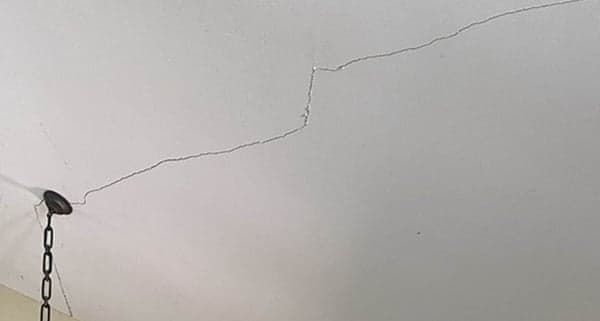
When soil compresses beneath part of the home, the wall drops with the foundation while the ceiling structure holds, opening a gap along the joint that widens as the settlement continues.
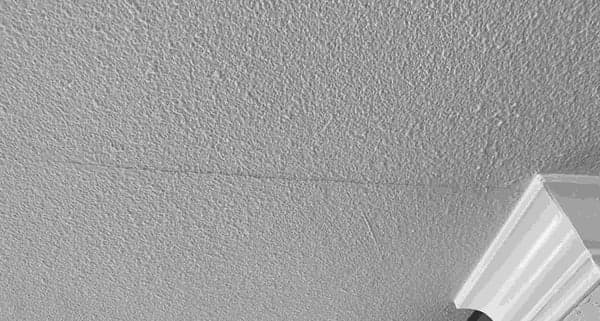
Some roof trusses bow upward seasonally with temperature and humidity changes, lifting the ceiling off interior walls. Harmless, seasonal, and centered in the middle of the house.
Clay swelling and shrinking beneath the foundation moves walls up and down a little each season, working the ceiling joint open along the most affected side of the home.
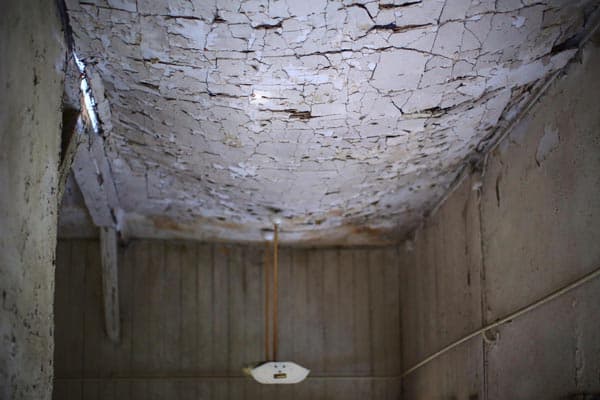
In raised foundation homes, sagging floor structure lets whole walls drift downward, separating them from the ceiling above. The gap often pairs with a dip in the floor below.
Solving ceiling gaps means addressing the underlying soil, pressure, or settlement cause. Not just patching the visible damage. Below are the engineered solutions we install most often for this symptom in California, Arizona, and Nevada homes.
If your home is showing ceiling gaps, the team you call matters. Dalinghaus crews handle foundation repair and related structural work across California, Arizona, and Nevada, and nothing else.
Foundation repair, concrete leveling, and crawl space repair are our entire focus. Not a sideline.
More than 2,000 projects on the clay and desert soils of California, Arizona, and Nevada since 2011.
CSLB License #983851 in California, ROC #330307 in Arizona, and License #0089738 in Nevada. Look us up with the state before we ever set foot on your property.
Warranty terms come in writing with every proposal, and the terms that apply to your job are stated in that job's paperwork. Ask your project specialist during the free evaluation.


Don't see your question here? Our team is happy to help. Reach out anytime.
Either the ceiling lifted or the wall dropped. Seasonal truss uplift raises ceilings off interior walls near the center of the house and reverses itself each year, and it is harmless. Foundation settlement drops the wall itself, opens gaps that keep growing, and brings cracks, sticking doors, and floor slope with it. Which one you have is answered by measuring, not guessing.
How a repair moves from free evaluation to completed work once ceiling gaps is diagnosed.
A local specialist walks the areas showing ceiling gaps, measures what is moving, and answers your questions on site. No cost, no obligation.
The method is matched to the cause behind the ceiling gaps, with scope and pricing in writing. No pressure in either direction.
A Dalinghaus crew corrects the movement behind the ceiling gaps, and leaves the site cleaner than we found it.
Most foundation problems show early signs. This guide shows you what to look for, what can cause it, and how a lasting repair works, before you call anyone.
Before you call anyone about ceiling gaps, read how homeowners across California and Arizona rate our work.
Share a few details and a local specialist will follow up as soon as possible to set your evaluation.
A free evaluation pins down the cause: one visit, clear findings, written estimate.