
Soil settlement
Compressing or eroding soil under one section of the wall drops it relative to the rest, cracking the mortar joints in the diagonal stair step pattern.
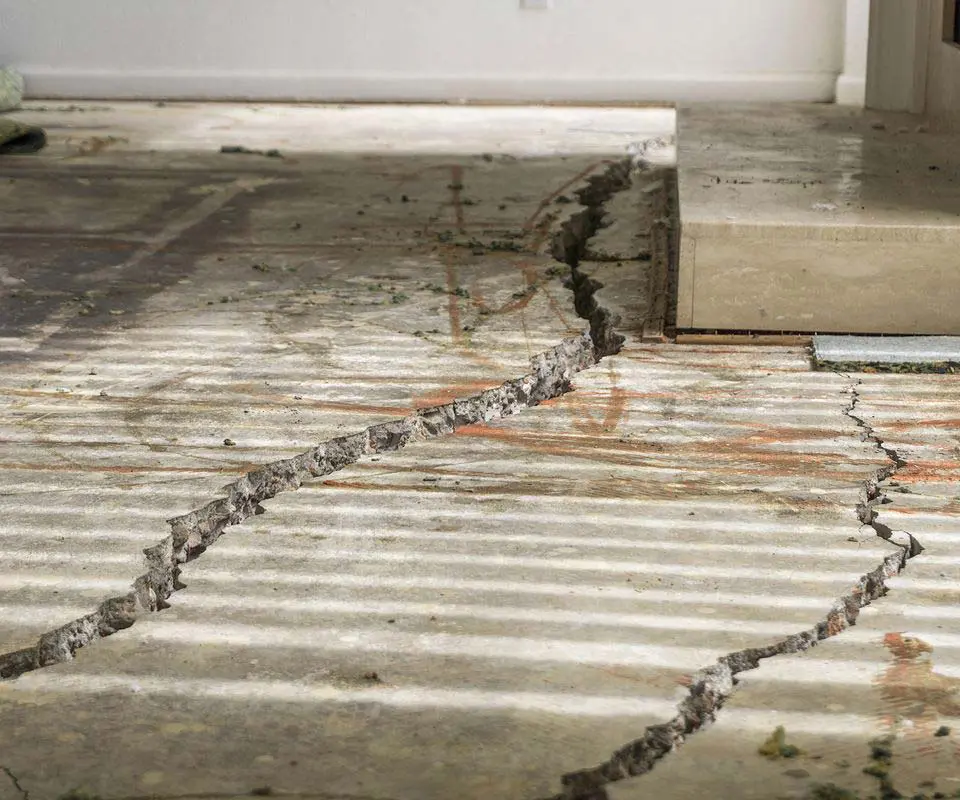
Stair step, vertical, or horizontal: the direction of a crack in a block wall tells you whether the soil is sinking, shrinking, or pushing.

A local specialist will evaluate your foundation, walk you through the findings, and send a clear estimate. No cost, no pressure.
Cracks in a block foundation follow patterns, and each pattern names its cause: stair step means settlement, vertical usually means shrinkage, and horizontal means soil pressure. A block foundation is a grid of units and mortar joints, and the grid makes it legible when something goes wrong. Stair step cracks climbing diagonally through the mortar joints mean differential settlement: soil under one section has compressed, eroded, or shrunk, and that part of the wall is dropping relative to the rest. Vertical cracks, especially near the middle of a wall or at openings, usually mean shrinkage or minor settlement and are often the least alarming pattern. Horizontal cracks running along a course of block are the pattern to respect most, because they mean lateral pressure: saturated or swelling soil pushing sideways against the wall harder than it can resist, the same force that eventually bows walls inward. Beyond direction, look for displacement. A crack where one face sits proud of the other, a wall section rotating out of plane, or a bulge you can see sighting down the wall all mean the blocks are moving, not merely the mortar parting. In Southern California, Arizona, and Nevada, block stem walls and retaining walls live in expansive clay that swells against them every wet season and shrinks away every dry one, so both the settlement patterns and the pressure patterns are common here, and plenty of walls carry a bit of each.
For the repair side of this, the foundation repair solutions page lists every method Dalinghaus installs, including the ones that fix problems other than cracked block foundation.
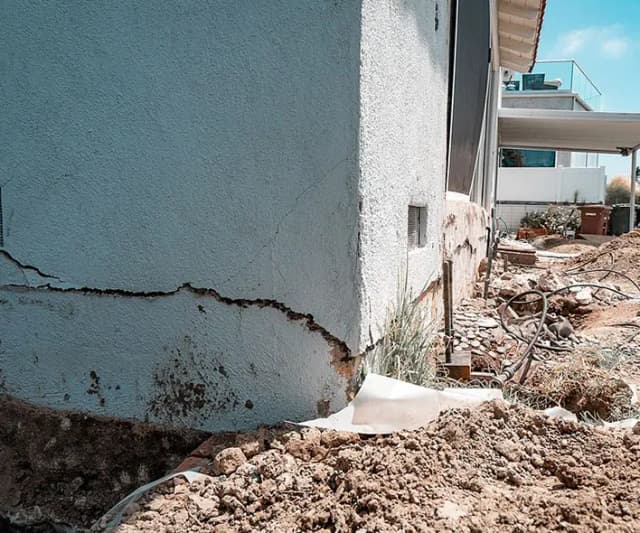
Compressing or eroding soil under one section of the wall drops it relative to the rest, cracking the mortar joints in the diagonal stair step pattern.
Saturated soil pushes sideways against block walls, and water in the soil adds hydrostatic pressure on top. Sustained pressure opens horizontal cracks along the block courses.
Clay against the wall swells as it wets, adding a powerful push beyond the soil's weight. The seasonal cycle works the wall like a lever, growing cracks each year.
Mortar and block shrink slightly after construction and move with temperature, producing thin vertical hairlines that are usually cosmetic and stable.
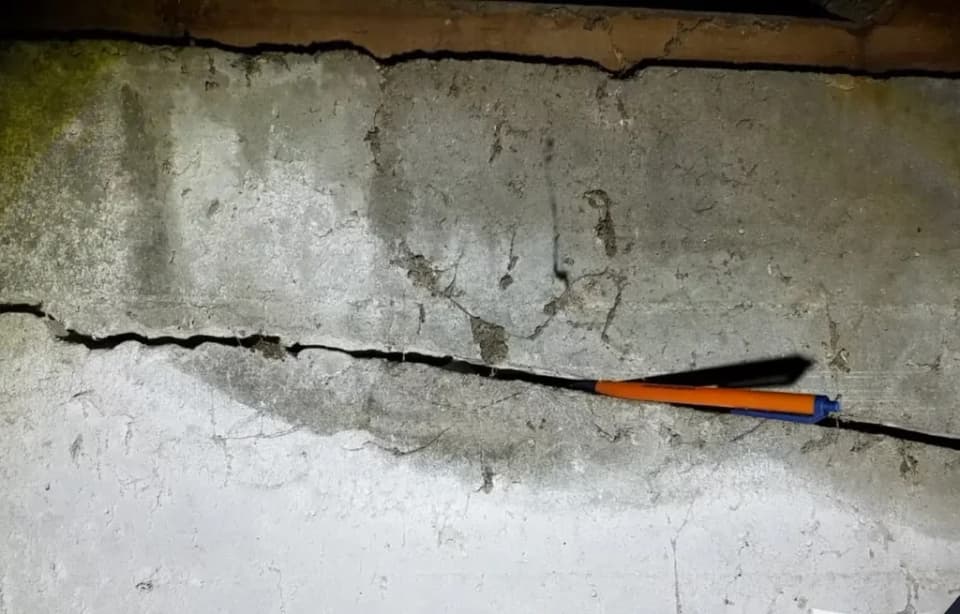
Solving cracked block foundation means addressing the underlying soil, pressure, or settlement cause. Not just patching the visible damage. Below are the engineered solutions we install most often for this symptom in California, Arizona, and Nevada homes.
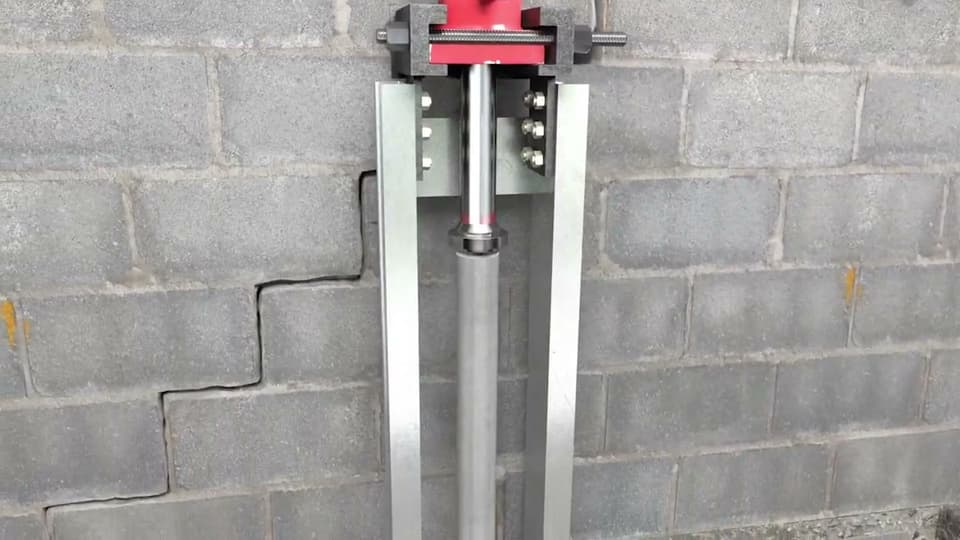
If your home is showing cracked block foundation, the team you call matters. Dalinghaus crews handle foundation repair and related structural work across California, Arizona, and Nevada, and nothing else.
Foundation repair, concrete leveling, and crawl space repair are our entire focus. Not a sideline.
More than 2,000 projects on the clay and desert soils of California, Arizona, and Nevada since 2011.
CSLB License #983851 in California, ROC #330307 in Arizona, and License #0089738 in Nevada. Look us up with the state before we ever set foot on your property.
Warranty terms come in writing with every proposal, and the terms that apply to your job are stated in that job's paperwork. Ask your project specialist during the free evaluation.


Don't see your question here? Our team is happy to help. Reach out anytime.
It depends heavily on the pattern. Thin vertical hairlines are often shrinkage and frequently harmless. Stair step cracks mean settlement and warrant measurement. Horizontal cracks mean lateral pressure and are the most urgent pattern, because they precede bowing and structural failure if the pressure continues. Displacement of any kind, one face proud of the other or a visible bulge, raises the priority regardless of direction.
How a repair moves from free evaluation to completed work once cracked block foundation is diagnosed.
A local specialist walks the areas showing cracked block foundation, measures what is moving, and answers your questions on site. No cost, no obligation.
The method is matched to the cause behind the cracked block foundation, with scope and pricing in writing. No pressure in either direction.
A Dalinghaus crew corrects the movement behind the cracked block foundation, and leaves the site cleaner than we found it.
Most foundation problems show early signs. This guide shows you what to look for, what can cause it, and how a lasting repair works, before you call anyone.
Before you call anyone about cracked block foundation, read how homeowners across California and Arizona rate our work.
Share a few details and a local specialist will follow up as soon as possible to set your evaluation.
A free evaluation pins down the cause: one visit, clear findings, written estimate.