Uneven Floors in Old House: Expert Insights and Fixes
Noticing sloped, sagging, or bouncy floors in your older home? You're not alone, and you're not imagining things.


Noticing sloped, sagging, or bouncy floors in your older home? You’re not alone, and you’re not imagining things.
Uneven floors in old houses are a normal issue, especially in homes built decades ago. Some minor sloping may be typical. But in many cases, it’s a sign of deeper problems, like foundation settlement or crawl space damage, that need attention.
In this guide, we’ll explain what causes uneven floors in old houses, how to tell if yours are safe or serious, and the most effective ways to fix them. Whether you live in California or Arizona, Dalinghaus Foundation Repair is here to help you level your floors and protect your home for the long haul.


The Different Types of Uneven Floors in an Old House
Uneven floors don’t all look the same. Depending on what’s causing the uneven floors in old house problems, you might notice sloping, sagging, or even bouncing as you walk across the room.
Here are the most common uneven floors in old house issues we see:
Slanting or Sloping Floors: If your floor tilts in one direction, it’s likely due to foundation settlement. One side of the home is sinking into the soil, causing the floor to slope. Common signs include doors that swing open on their own or furniture that won’t stay put.
Sagging Floors: These floors dip down in the middle, like a soft spot in the structure. It often points to damaged or undersized floor joists, especially in homes with crawl spaces. Moisture, rot, or age-related wear can weaken the framing and cause this type of unevenness.
Bouncy or Springy Floors: Do your floors feel like a trampoline when you walk? That’s usually a sign that the support beneath the floor is failing or improperly spaced. Over time, this can get worse and lead to more noticeable sagging.
Humped or Crowned Floors: A raised area in the center of the room might be caused by expansive soil, which swells when wet and lifts the slab. In some cases, it’s the result of poor remodeling, like adding new flooring over uneven subflooring without proper leveling.
Slanting vs. Sagging: What’s the Difference?
It’s easy to confuse sloped and sagging floors. But the uneven floors in old house fixes are very different.
- Slanting/sloping = Often caused by foundation problems. One side of the home is sinking.
- Sagging/dipping = Usually a framing issue, like rotting joists or beams.
Why it matters: Foundation repair requires deep piers to stabilize the soil, while sagging joists may only need crawl space support posts or beam sistering.
Is It Normal for Older Homes to Have Uneven Floors?
Many older homes will have some degree of unevenness, especially if they’ve never had a foundation inspection. Wood shrinks, soil settles, and time takes its toll.
But big slopes, cracks, or soft spots are not normal. They may signal damage that threatens your home’s value and your family’s safety.
When Should You Worry About Uneven Floors in an Old House?
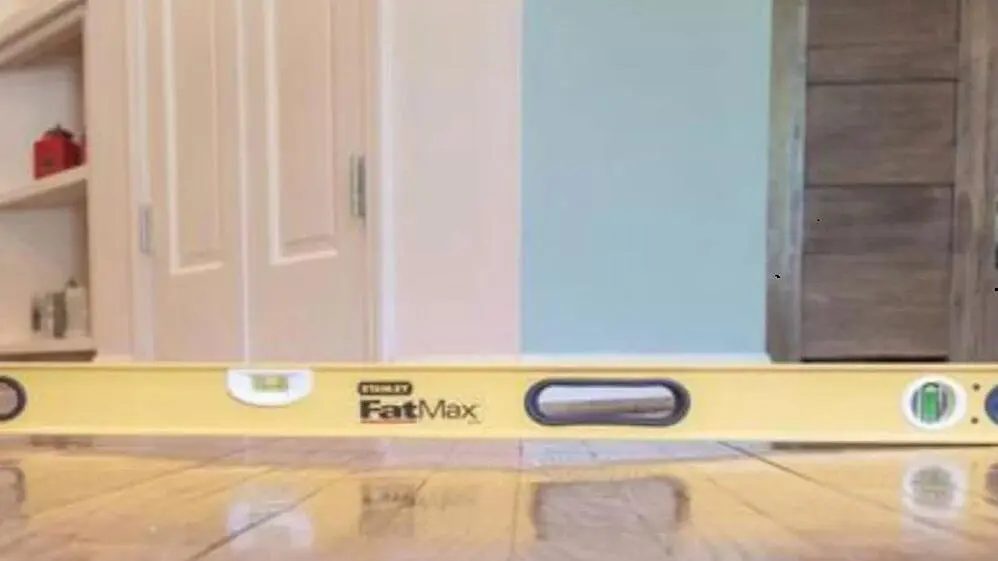
While uneven floors in an old house might seem like just a quirk of aging construction, some warning signs should never be ignored. These red flags often point to structural problems that can get worse and more expensive, if left untreated.
- Doors that stick or swing open on their own
- Cracks in your drywall, ceiling, or tile flooring
- Visible gaps between the floor and your baseboards
- Floors that feel soft, hollow, or overly bouncy when walked on
- Furniture leaning or not sitting level
- Floor sagging that’s getting worse over time
These symptoms usually mean your foundation is shifting, your floor framing is deteriorating, or your crawl space is no longer providing proper support. All of these issues can affect your home’s safety and value.
If you notice any of these problems, it’s time to schedule an uneven floors in old house inspection with a trusted expert like Dalinghaus Foundation Repair.
How Uneven Floors in Old Houses Are Repaired
Fixing uneven floors in an old house starts with identifying the root cause. In most cases, floors become unlevel due to foundation settlement, soil movement, or structural issues in the crawl space. The right uneven floors in old house solutions depend on what’s happening beneath the surface.
Watch one of our lift days on YouTube.
Foundation Repair: Helical Piers, Push Piers & Deep Injection Polyurethane
When a home settles unevenly, the foundation can sink or tilt, leading to sloping or slanting floors. Common solutions include:
- Helical Piers, These are steel piers with helical blades that are screwed into the soil until they reach stable ground. They’re commonly used in lighter structures or areas with soft, shifting soils.
- Push Piers, Made of steel, these piers are hydraulically driven into the ground until a load-bearing soil is reached. They’re better suited for heavier homes or deeper settlement.
- Deep Injection Polyurethane, This method involves injecting high-density polyurethane foam into the soil at multiple depths. As the foam expands, it compacts the surrounding soil, increases its strength, and can lift settled foundations. It’s been widely used in both residential and commercial settings to address loose or weak soils without major excavation.
These old house leveling methods are often combined based on the structure’s weight, soil conditions, and the extent of the floor movement.
Crawl Space Structural Repairs
In homes with crawl spaces, sagging or bouncy floors often point to deteriorated or undersized framing. Repairs may include:
- Replacing or adjusting support posts that have shifted, rotted, or failed
- Installing new support piers to better distribute the load
- Using adjustable screw jacks to lift and stabilize low spots
- Sistering weakened joists by reinforcing them with new lumber for added strength
These crawl space repairs are designed to restore the structural integrity of the floor system and provide long-term support.
Seismic Retrofitting
In earthquake-prone regions like California, floor movement can also be related to seismic activity. Seismic retrofitting involves reinforcing the connection between the home and its foundation to minimize shifting and protect the structure during future seismic events. This can help maintain level floors over time and reduce damage in the event of ground movement.
Can Uneven Floors in an Old House Be Prevented?
You can’t stop an old house from aging, but with the right maintenance, you can help prevent uneven floors or at least slow down the damage.
Here are a few ways to protect your floors and the structure beneath them:
- Keep water away from your foundation: Make sure gutters, downspouts, and yard drainage direct water away from your home. Too much moisture can lead to soil erosion and foundation settlement, two major causes of uneven floors.
- Seal or enclose crawl space vents: Open vents allow humidity and moisture into the crawl space, which can weaken wood framing over time.
- Trace damp back to its source: A dehumidifier masks damp air without drying out what is producing it, so look for the leak, the roof water, or the grading sending rain toward the house.
- Avoid overloading your floors: Placing heavy items, like waterbeds, aquariums, or safes, on weak or aging floors can accelerate sagging. Distribute weight evenly, especially in older homes.
- Watch for early warning signs: Small cracks, soft spots, or doors that stop closing properly may signal structural changes. Catching these indicators early can help prevent more serious and costly problems.
While you can’t eliminate the risk of uneven floors in old houses, staying proactive with maintenance can go a long way in protecting your home’s value and safety.
Should You Buy an Older Home With Uneven Floors?
Yes, but only after a foundation inspection.
Some uneven floors are harmless and easy to fix. Others hide bigger issues that can cost thousands if ignored. Before buying a historic home:
Ask if the home has ever been retrofitted or repaired
A little slope doesn’t mean you should walk away, just know what you’re getting into.
Why Homeowners Trust Dalinghaus
When homeowners discover uneven floors in an old house, it’s easy to feel overwhelmed. That’s why so many families across California and Arizona choose Dalinghaus Foundation Repair. We don’t just fix floors; we bring clarity, confidence, and long-term peace of mind.
With more than 2,000 foundation projects since 2011 behind us, we know how an old house moves and what it takes to hold it still.
What sets us apart?
- More than 2,000 foundation projects since 2011 on aging homes and unstable soils
- Engineered solutions like helical piers, deep injection polyurethane, and structural reinforcements
- Clear communication, we explain what’s going on and why it matters
- No high-pressure sales, just expert advice and fair pricing
We believe that every homeowner deserves a safe, stable home. And we’re here to make that happen, leveling one floor at a time.
Ready to Level Things Out?
Uneven floors only get worse over time, but fixing them now is easier (and more affordable) than most people expect.
Schedule your free evaluation with Dalinghaus Foundation Repair today and take the first step toward a safer, stronger home.
Schedule a Free Evaluation
Foundation movement is easier to judge in person than from a photo. Schedule a free evaluation and a Dalinghaus specialist will walk the property with you and explain what the evidence shows.
Written by
Brian Dalinghaus
Co-Founder, Dalinghaus Foundation Repair
Brian Dalinghaus founded Dalinghaus Foundation Repair with his brother Brad in Southern California in 2011. The brothers built the company on a Midwest work ethic and a single standard for every job: Never Settle.
More about Brian