When to Worry About Stucco Cracks: Common Causes Explained
Are stucco cracks driving you crazy? It also tells homeowners when to get foundation repair for stucco issues. Schedule a free evaluation with Dalinghaus.

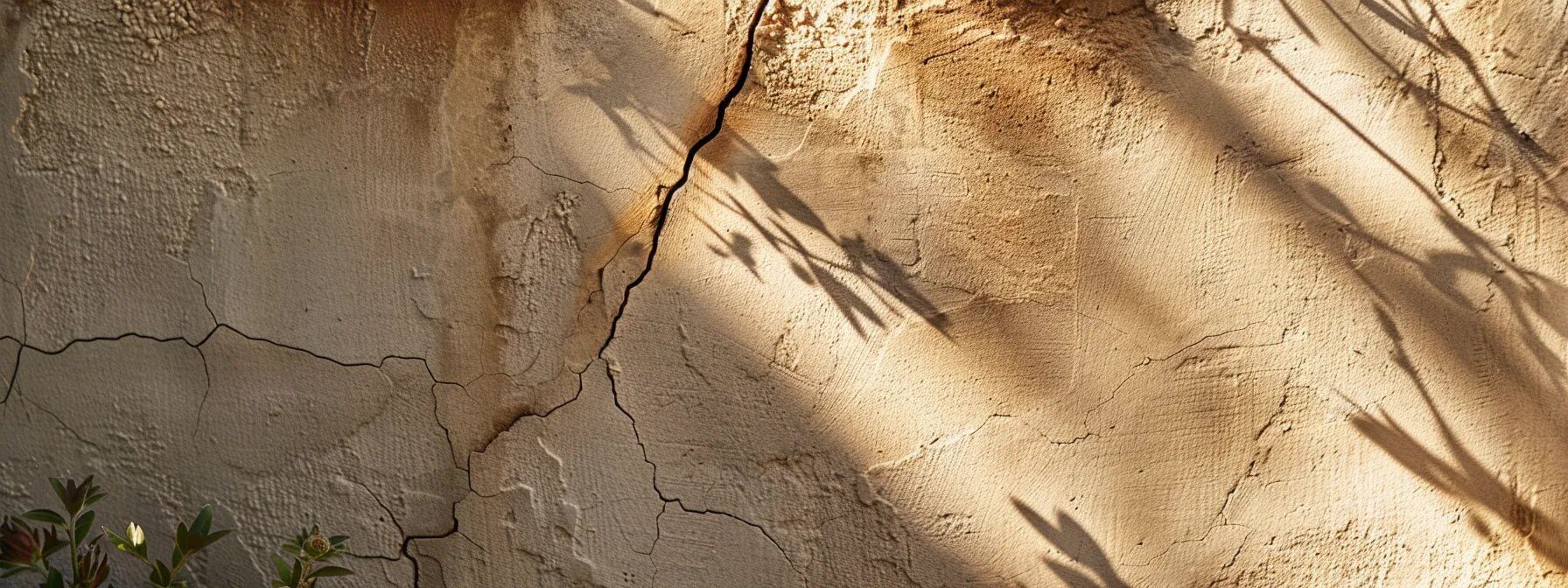
Are stucco cracks driving you crazy? It also tells homeowners when to get foundation repair for stucco issues. Readers will learn practical maintenance tips to prevent cracks and avoid costly repairs. The content helps pinpoint concerns and offers simple advice to protect the home.


Key Takeaways
- Hairline stucco cracks may indicate minor issues that require regular inspections
- Cross-patterned, spider, and diagonal cracks suggest potential deeper structural problems
- Routine inspections assist homeowners in deciding when to contact foundation repair specialists
5 Common Causes of Stucco Cracks
This section covers common stucco issues. Topics include insights on a hairline crack and stucco hairline crack repair, foam trim cracks, cross-patterned cracks, spider cracks, and diagonal line cracks. A simple evaluation is offered to detect foundation problems, so homeowners gain practical guidance for timely repairs.
Understanding Hairline Cracks in Stucco
Hairline cracks in stucco often signal minor surface issues that can become more significant over time. A professional foundation repair specialist frequently assesses these fine fissures to ensure they are not early indicators of deeper problems affecting the pier or sidewalk areas, helping homeowners make informed investment decisions for long-term repair services and maintenance.
These small cracks require careful observation since a neglected crack might allow moisture to worsen the condition or even attract a termite presence. Reliable repair services focus on issuing practical solutions to preserve the stucco integrity, ultimately protecting the overall stability of the structure for the homeowner’s peace of mind.
Analyzing Foam Trim Cracks in Stucco
Stucco Cracks | Risk to overall structure | Timely repairs
Foam trim sits proud of the wall and moves with temperature more than the stucco around it, so a crack that follows the trim line is usually about the trim rather than the structure. A crack that carries on past the trim and into the field of the wall is the one worth measuring, because that path follows stress in the wall itself.
Recognizing Cross-Patterned Cracks in Stucco
Cross-patterned cracks in stucco can signal uneven pressure distribution and stress in the building envelope. These cracks tend to appear where plywood supports and foam insulation meet, which indicates the building is experiencing minor shifts that may require a closer look.
These patterns may also point to foundation settlement issues that affect the overall stability of the structure. Skilled foundation repairs involve thorough inspections to assess whether the observed cracks are superficial or indicative of larger challenges needing professional attention.
Identifying Spider Cracks in Stucco
Spider cracks are fine lines radiating from a point, and they often mean moisture has been working through the cement. A patch closes the surface, but the useful step is marking the ends of the crack with a pencil and a date so you can see whether it grows.
Spider cracks can also mark structural shift underneath. What separates the two cases is the rest of the house: floor elevation readings and the behavior of doors and windows tell you whether the wall is the problem or the symptom.
Detecting Diagonal Line Cracks in Stucco
A diagonal crack is the pattern worth examining closely, because it follows the line of stress through the wall and often points back to foundation movement or a failing retaining wall:
Diagonal Line Cracks | Possible internal shifts affecting waterproofing | Consult an engineer to assess related plumbing and foundation systems
Angled fissures often point to a deeper structural problem, which is worth a timely evaluation.
How Foundation Settlement Leads to Stucco Cracks
The examination covers key signs of foundation movement, soil conditions affecting structural stability, and drainage issues that contribute to cracks. It offers insights on using polyurethane for effective repair, techniques to fix stucco cracks without compromising drywall or ceiling integrity, and methods to identify structural damage, enabling homeowners to plan necessary interventions.
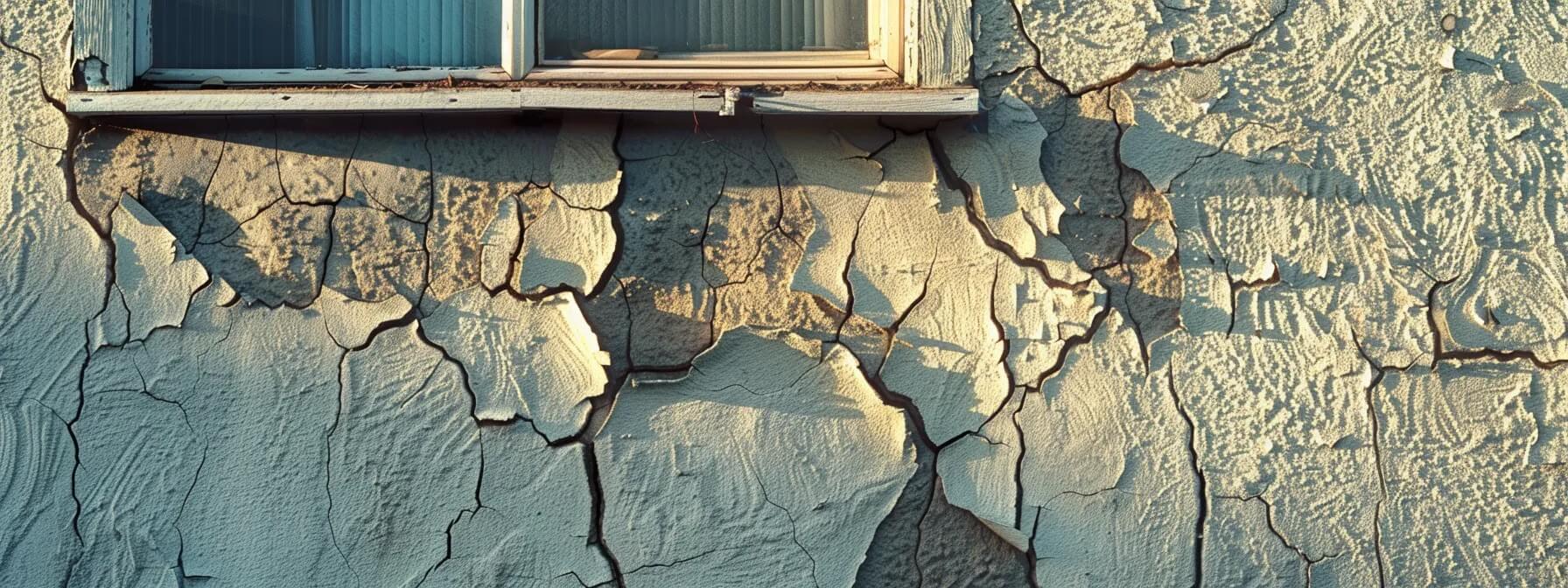
Evaluating Signs of Foundation Movement
A stucco crack that opens near the concrete slab can signal movement in the foundation below. The crack itself is not the measurement, though. Elevation readings across the floor are what show whether the structure is settling and by how much.
Even small signs of foundation movement, such as minor stucco cracks, can point to stress in the framing behind the wall. Taking those indicators seriously early keeps the repair smaller than it would otherwise be.
Understanding Soil Conditions Affecting Foundations
Soil conditions, including moisture retention and compaction, play a critical role in foundation integrity, which in turn affects stucco performance.
Soil that swells when it is wet and shrinks when it dries moves the footing above it, and that movement shows up as misalignment and water intrusion. Watching the ground next to the house through a wet season and a dry one tells you more than any single inspection can.
Recognizing Structural Damage Related to Foundation Issues
Visible damage in siding or grout can point to trouble in the lumber or other load-bearing components behind it. The same walk often turns up the related cause, a slab leak keeping the soil wet in one spot, or settlement deep enough that the repair is helical piers screwed to stable soil.
Watching the house over time matters when minor signs of foundation settlement appear alongside damage in siding or deteriorated lumber. A homeowner searching for “crawl space repair near me” is looking for a diagnosis first, so ask for the findings in writing before anyone recommends a repair.
Identifying Drainage Problems Contributing to Cracks
Poor drainage around a home saturates the soil next to the footing and contributes to the settlement that shows up as cracked stucco. It gets worse with each wet season, which is why the assessment covers the concrete, the floor alignment, and the supporting beam together rather than the crack on its own.
When to Seek Foundation Repair for Stucco Issues
Visible cracks signal a need for immediate foundation assessment to avoid long-term damage and escalating repair costs. This guide outlines the signs that call for prompt inspection, what happens when elastomeric stucco crack repair is put off, and how price and insurance factor in.
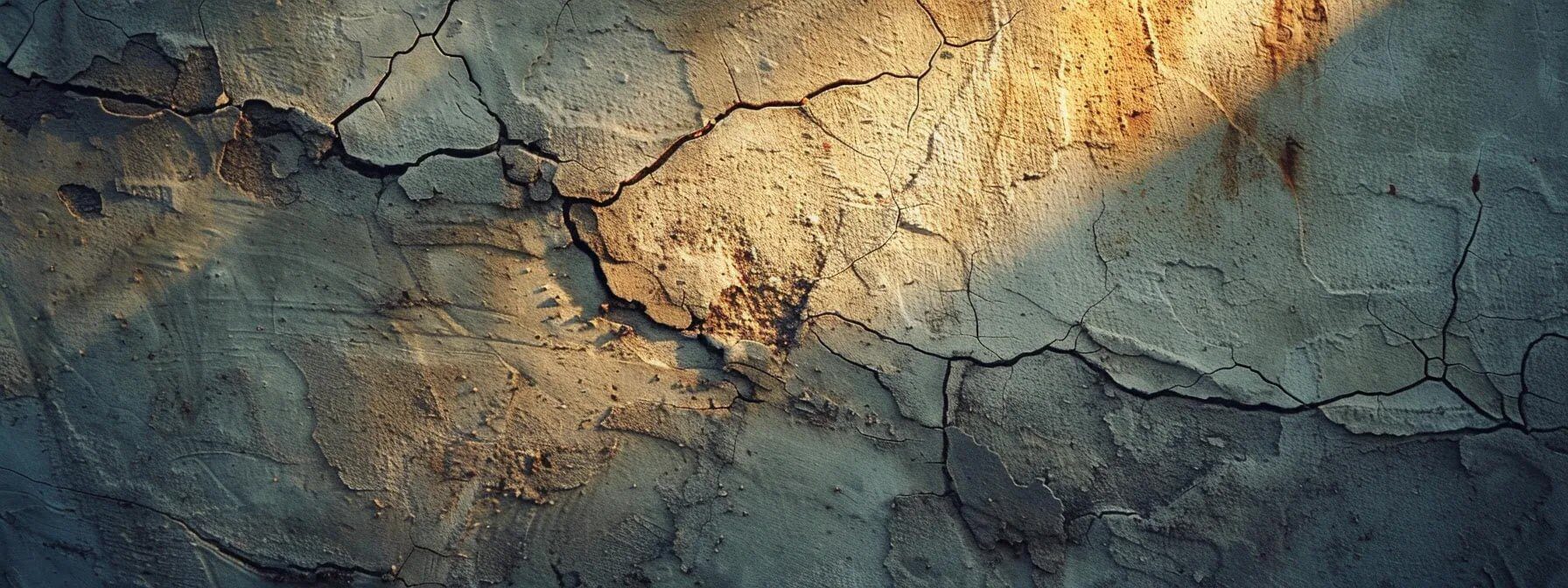
Signs Indicating Immediate Foundation Assessment Needed
A stucco crack that widens near a bathroom or another high-moisture area can signal a foundation problem that needs repair. Checking which companies serve your zip code is the practical next step, and dealing with the moisture early limits the mold risk.
A gap or cracking pattern that appears suddenly is different from one that has been there for years, and it deserves a prompt look, especially where water is getting through. Water inside a wall assembly is what turns a cosmetic problem into a mold problem.
Long-Term Effects of Neglected Cracking Stucco
Over time, these cracks may widen, causing foundation stress that demands timely foundation crack repair to protect both the structure and its driveway access.
Benefits of Timely Foundation Repair Intervention
Timely foundation repair intervention can mitigate risks from a natural disaster while maintaining the property’s overall integrity.
Repairing early limits the damage and takes stress off the components that fail first. A review of key benefits is summarized below::
| Early Intervention | Reduces risk from natural disaster impacts |
|---|---|
| Local Knowledge | Crews who know the soils in your area |
| Property Value | Enhanced stability protects overall investment |
Finding Qualified Professionals for Foundation Repairs
Finding the root cause of a structural shift means looking past the finish coat to what the wall is built on and what the ground under it is doing.
A good evaluation says plainly what it found and what it did not, whether the subject is a hairline stucco crack or a wider restoration. Ask for both halves of the answer: how the crack gets patched, and what is being done about whatever moved to open it.
Maintenance Tips to Prevent Stucco Cracks
Regular inspections of stucco surfaces, proper drainage, moisture control, and landscaping that impacts the foundation are key to preventing damage. This section offers practical insights akin to a podcast discussion on maintenance, including tips on patching stucco holes, securing wood elements, updating furniture arrangements, and safeguarding the fireplace to ensure long-term integrity.
Regular Inspections of Stucco Surfaces
Regular inspections of stucco surfaces help detect early signs of damage while preventing issues caused by environmental factors such as roof leaks and moisture.
Routine visual checks catch minor cracks before they widen. Keeping to the same schedule is what makes the comparison useful, because a finish that has been sealed and primed on time holds up better than one that gets attention only after a crack appears.
Importance of Proper Drainage Around Foundations
Proper drainage around a foundation reduces the moisture buildup that weakens both stucco and the foundation underneath. Homeowners are encouraged to contact foundation contractors near me for assessments and sign up for a mailing list to receive timely updates on maintenance practices and improvements.
Where heavy rain arrives in bursts, moisture control is what keeps water out of the wall and away from the footing. Gutters that discharge well clear of the house and grade that falls away from it do most of that work.
Moisture Control and Its Impact on Stucco Integrity
Homeowners who stay on top of moisture control are better positioned against the usual deterioration. Drainage that works and inspections that happen on schedule keep water out of the structure, and that is what keeps stucco crack repair cost down.
Getting ahead of moisture keeps the stucco looking right and keeps the repair bill small. An assessment that covers the foundation as well as the finish is the one that catches the conditions driving stucco crack repair cost up.
Addressing Landscaping That May Affect Foundation
Proper landscaping management helps safeguard the foundation by preventing excess moisture and soil movement that can enlarge stucco cracks. A reliable construction company often uses a brush and wire system to trim back overgrown foliage, ensuring that the soil does not encroach on the structure while the right paint is applied to refresh exposed surfaces.
Attention to landscaping protects a foundation by keeping roots and debris at a distance. Selective pruning and a root barrier do the structural part of that work, and a protective paint finish seals the exposed surfaces that are left.
The Cost of Ignoring Stucco Cracks and Foundation Issues
Potential financial strain may follow poor repairs, with issues like soil shifts and attic moisture worsening hairline cracks. This section covers the long-term value of professional foundation maintenance for stucco walls and compares what repair and replacement cost.
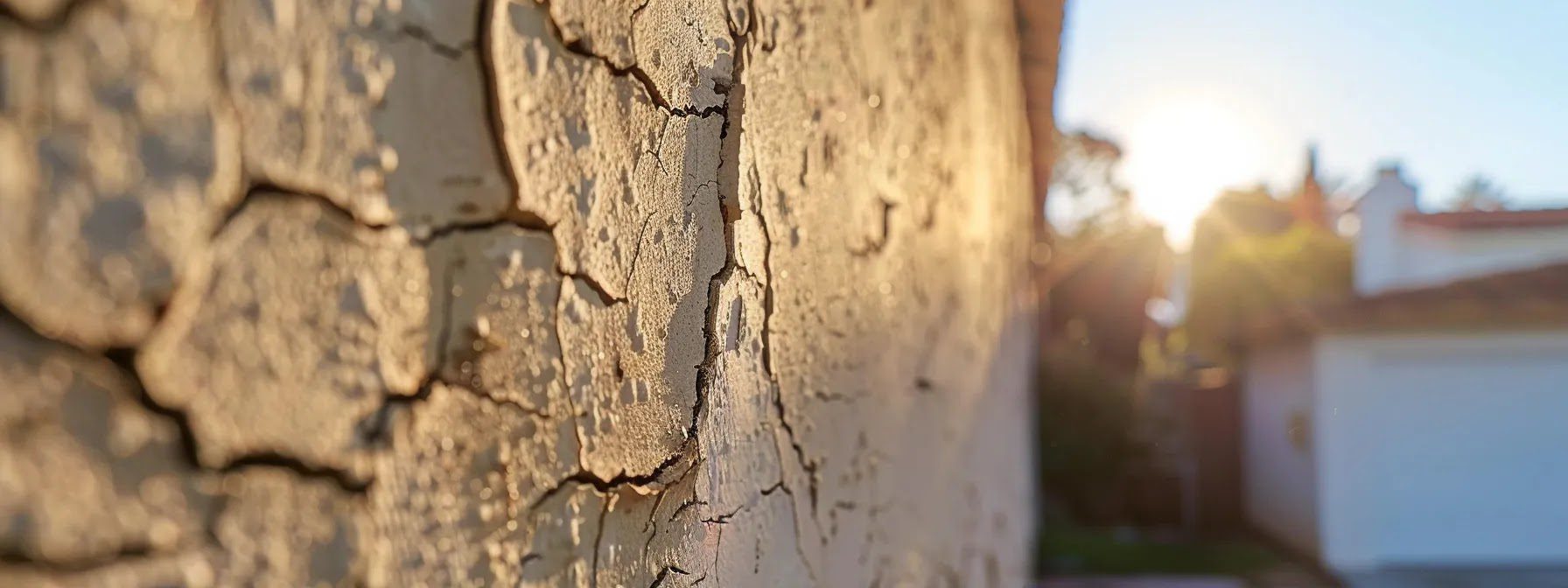
Potential Financial Implications of Poor Repairs
When minor issues such as a tiny inch-wide gap in stucco cracks are left unaddressed, costlier problems may emerge later.
Small failures in maintaining stucco cracks may lead to prolonged structural stress and deteriorated conditions that require advanced restoration efforts.
Long-Term Value of Proper Foundation Maintenance
Proper foundation maintenance ensures a long-lasting structure by addressing issues such as flawed plasterwork and uneven heat distribution early on.
Investing in proper foundation upkeep can extend the durability of the home and lessen future repair costs. Routine maintenance, with sound technique and a quality mix, helps maintain the plaster’s integrity and keeps the heat transfer balanced, offering homeowners tangible benefits and safeguarding their investment over time.
Case Studies of Repair Costs Versus Replacement Costs
Catching a wall problem early is usually cheaper than replacing the wall, which is why the evaluation puts the options in writing before anything is sold. A thorough inspection often uncovers structural hazards that call for a steel pier repair before they escalate into wall replacement and larger foundation problems:
| Timely Inspection | Lower repair expenses |
|---|---|
| Delayed Repairs | Higher replacement costs |
| Steel Pier Support | Load transferred to soil that can carry it |
On our own projects, the wall inspection is what catches the hazard while it is still cheap to address. Installing steel piers while the movement is small keeps the work to the affected area instead of the whole elevation.
Benefits of Professional Inspection for Stucco and Foundation
A thorough home inspection finds damage that is not visible from the driveway, because it covers the exterior and the foundation together. This section sets out what the inspection involves, what to expect while it happens, and how to choose a foundation repair company.
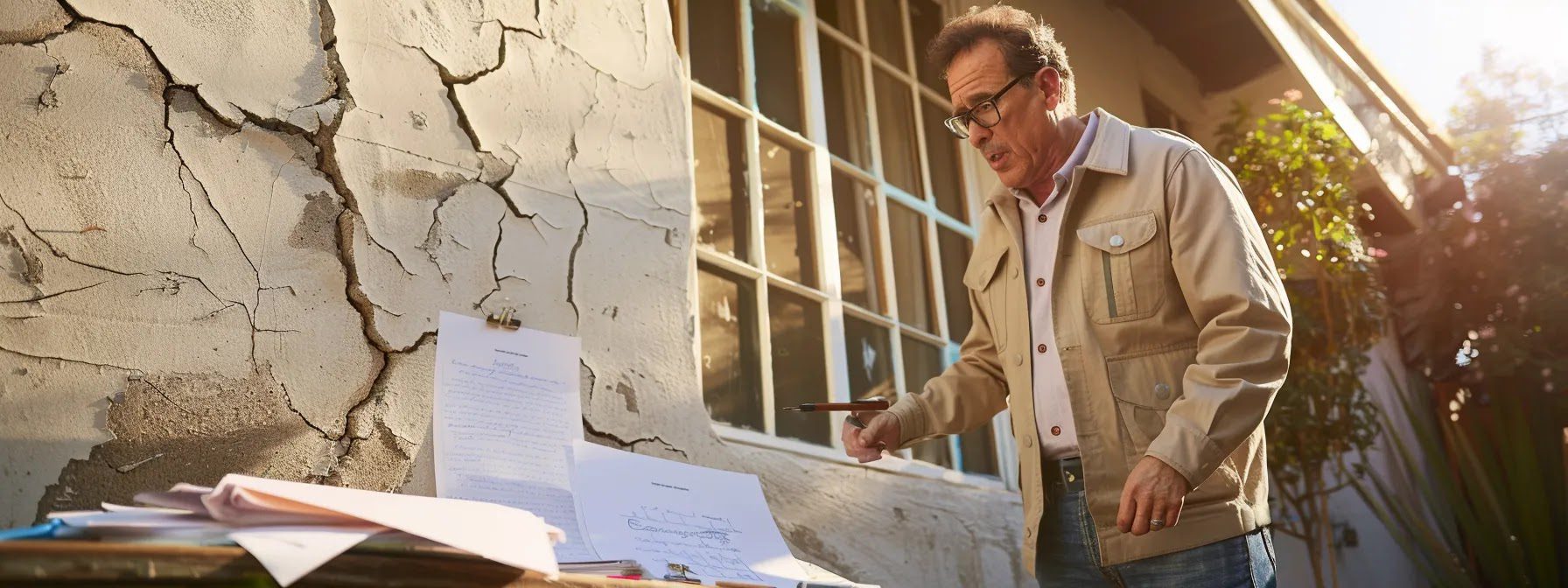
How a Thorough Inspection Finds Hidden Damage
The subtle signs are the ones that matter: a slight shift at a corner, or an unusual pattern around a repaired stucco crack. A spider pattern spreading from a single point is read together with the elevation readings, because the same pattern means different things on a level floor and on a settling one.
A thorough inspection turns up what is not immediately visible and puts it in writing, so the homeowner can see the risk rather than take a description of it. Precise measurements are what make the recommendation checkable.
Importance of Comprehensive Evaluation for Homeowners
A comprehensive evaluation looks at the structure as a system, including a pier and beam foundation where there is one, and surfaces the issues behind the stucco damage.
A written evaluation, backed by measurements rather than impressions, is what tells a homeowner whether it is time to bring in a foundation company at all.
What to Expect During a Professional Inspection
During a professional inspection, the foundation repair expert examines the cantilever structure and stucco finish with careful precision to detect vulnerabilities that may lead to cracks. The inspection process includes a detailed review of the application techniques used during the original construction, ensuring that even subtle areas where fiberglass mesh has been applied are verified for stability and integrity:
- Review of cantilever support systems
- Assessment of stucco finish quality
- Evaluation of fiberglass mesh installation
- Verification of proper application methods
- Password-protected technical reports for homeowner review
This thorough inspection provides a robust understanding of the structural health and ensures that any issues are appropriately addressed before they escalate.
How to Choose the Right Foundation Repair Company
Homeowners should select a foundation repair company with a proven track record, confirmed by positive reviews on the company website and verifiable local references. They may request a free evaluation to assess the effectiveness of foundation repair methods, and ask how the company handles drainage correction, since water is behind most of the movement that cracks stucco.
Reading a company’s reviews and testimonials fills in what a sales visit will not, especially the reviews that describe what happened after the crew left. Ask directly how a repair method works, and judge the answer by whether it is explained in terms you can follow.
Frequently Asked Questions
What Causes Common Stucco Cracks?
Common stucco cracks occur when shifting soil and severe weather prompt foundation movement, stressing building materials. Dalinghaus Foundation Repair experts note these fractures result from material aging, moisture, and everyday wear.
How Does Foundation Settlement Affect Stucco?
Foundation settlement creates shifting that disrupts stucco integrity, causing cracks and separations along the exterior. This movement can allow moisture to seep in, resulting in costlier repair work if not addressed by experienced foundation repair specialists.
When Should Homeowners Consider Foundation Repair?
Homeowners may need foundation repair when cracks develop in walls, floors become uneven, or moisture issues arise. Dalinghaus Foundation Repair offers trusted expertise to ensure a rock-solid base, safeguarding your home’s value and longevity.
Can Regular Maintenance Reduce Stucco Cracks?
Yes, regular upkeep often lessens stucco cracking by addressing minor issues quickly.
What Benefits Do Professional Inspections Offer?
Professional inspections pinpoint hidden foundation issues, validate repair plans, and secure effective solutions. Homeowners receive advice from trusted specialists like Dalinghaus Foundation Repair, ensuring improved home stability and long-term savings.
Conclusion
Identifying common causes of stucco cracks allows homeowners to catch small issues before they escalate into costly foundation repairs. Recognizing warning signs such as hairline, foam trim, cross-patterned, spider, and diagonal cracks prompts careful evaluations of the building’s stability. Routine inspections and timely repairs empower property owners to maintain structural integrity and manage moisture effectively. Acting on these insights helps secure long-term investment value and ensures a safer, more resilient home.
Schedule a Free Evaluation
Foundation movement is easier to judge in person than from a photo. Schedule a free evaluation and a Dalinghaus specialist will walk the property with you and explain what the evidence shows.
Written by
Brian Dalinghaus
Co-Founder, Dalinghaus Foundation Repair
Brian Dalinghaus founded Dalinghaus Foundation Repair with his brother Brad in Southern California in 2011. The brothers built the company on a Midwest work ethic and a single standard for every job: Never Settle.
More about Brian